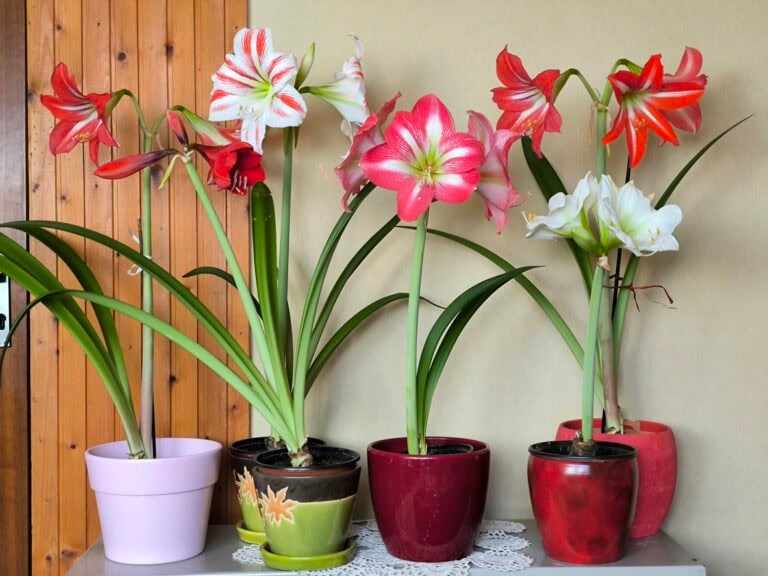
We buy September mums because nothing says “healthy coping mechanism” like adopting something guaranteed to break your heart by November. Here are nine things I do to keep the flowers going as long as possible and give hardy mums a better shot beyond fall.
Task 1: No More Pinching the Stems
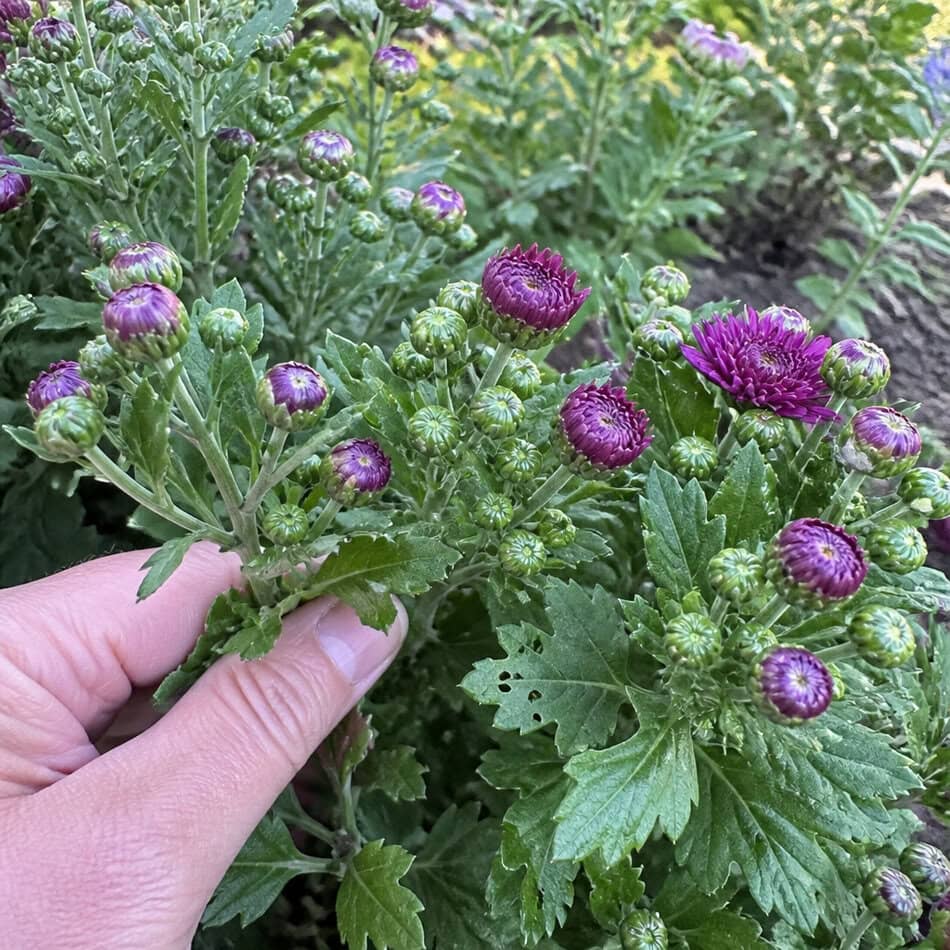
Pinching stem tips in June creates bushy plants, but snapping them off in September means removing flower buds that are already developing.
By this point, I leave healthy flowering stems alone. Mums respond to shorter days and longer nights by setting their fall buds, and pinching this late can delay flowering and cut into the show I’ve been waiting for.
Protect that upper growth and leave terminal buds untouched. Save your aggressive cutting instincts for credit card bills.
If those pruning shears are still itching for something to do, we wrote a guide on what to prune in September and what to leave alone.
Task 2: Deeply Soak Below the Foliage Line
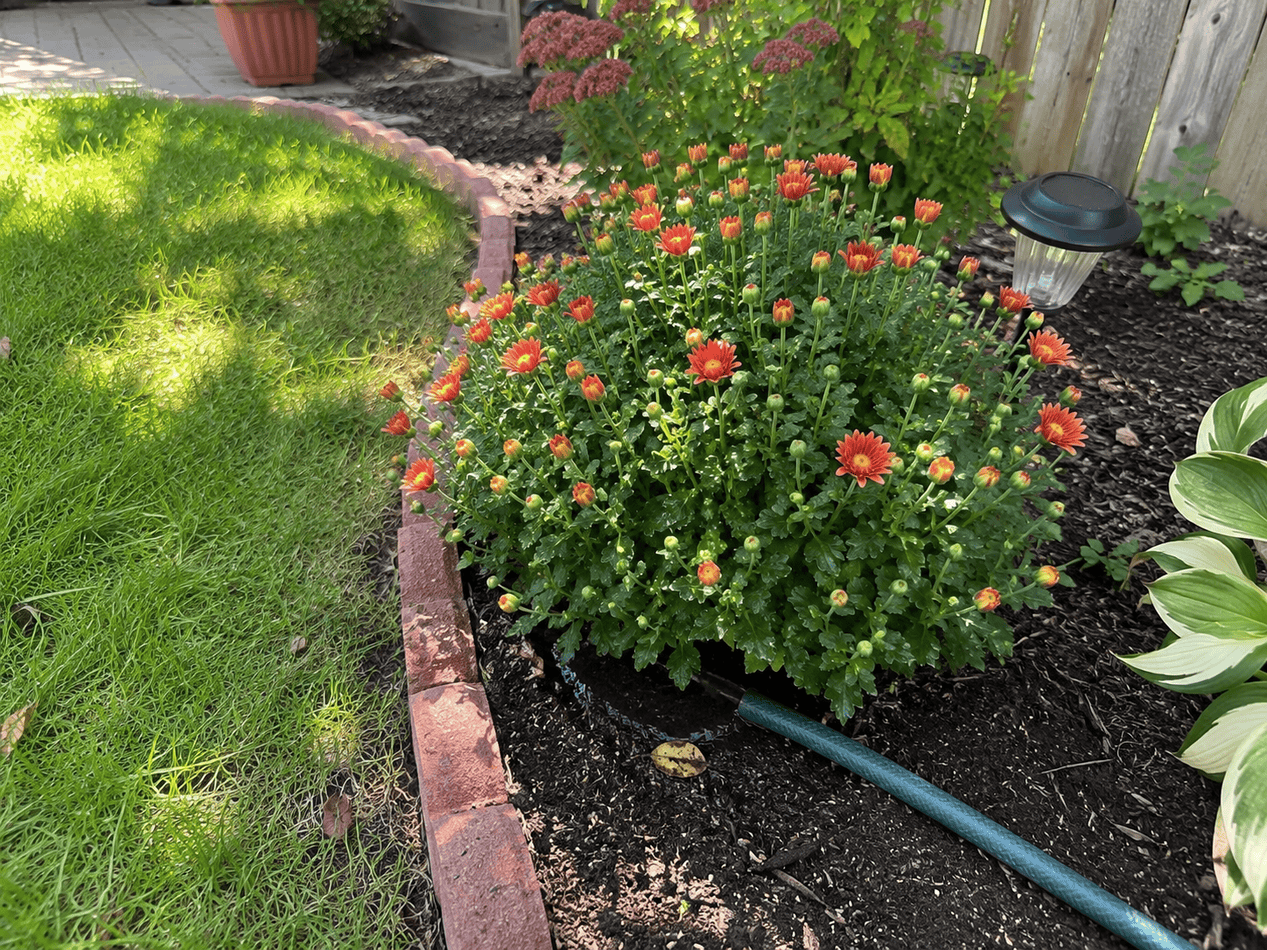
Mums absorb moisture through their root systems, not their leaves.
Mums have fairly shallow roots, so I soak the entire root zone thoroughly and water straight at the base rather than giving them quick surface sips. Those shallow roots can dry out surprisingly fast during early fall dry spells.
Quick tip: Avoid regularly wetting the leaves because dousing the foliage from above can encourage leaf spots, gray mold, and other fungal problems, turning your garden into a biohazard faster than a bad blind date.
Task 3: Deadhead Faded Flowers
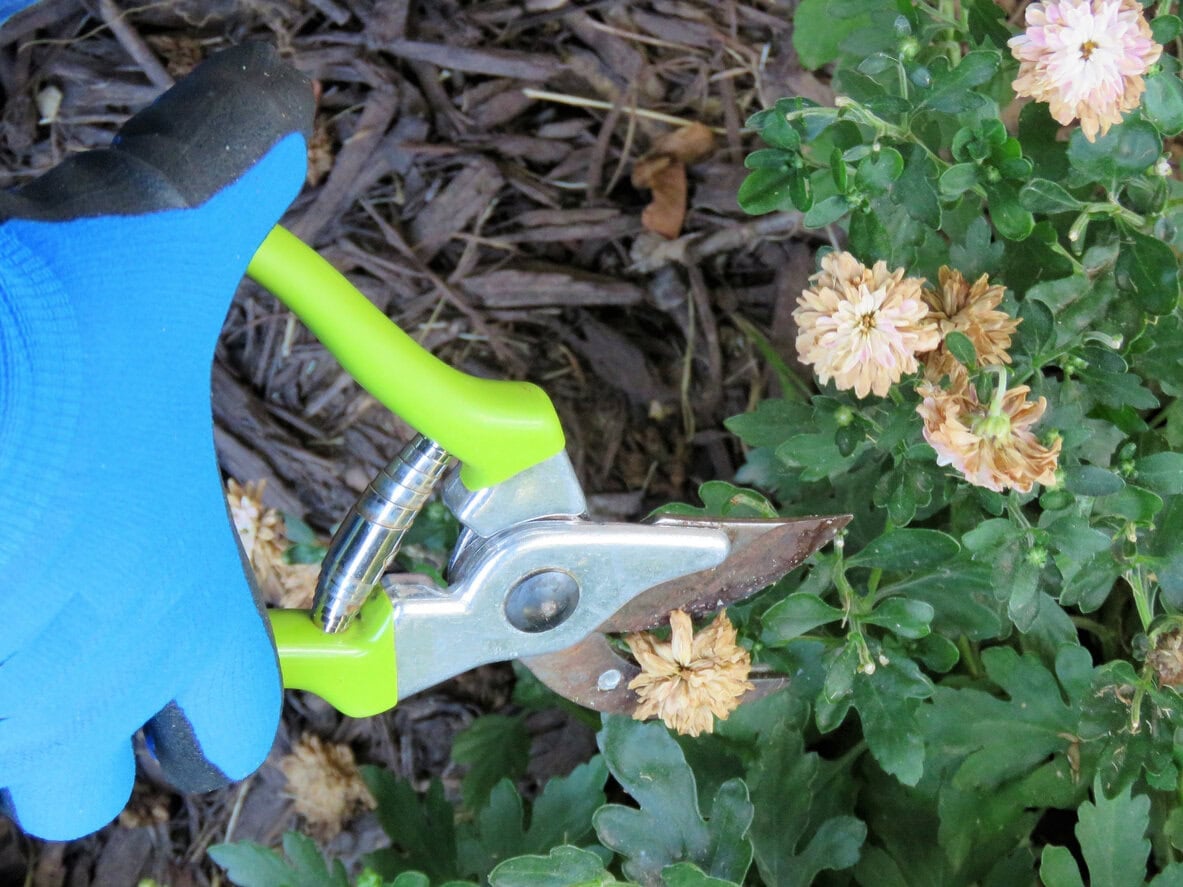
Hanging onto dead stuff never ends well, not only because it stinks up your basement. Keeping brown, crusty petals around adds zero charm and can give gray mold and other fungal problems a convenient place to get started.
Besides, leaving faded blossoms to form seeds makes mums spend energy on seed production instead of supporting the buds and flowers still waiting to open.
I use sharp snips to remove spent blooms without tearing healthy stem tissue, helping the plant put that energy into the flowers and buds that remain.
If you want to see exactly where I make those cuts, we wrote a complete guide on how to deadhead mums for fall blooms.
Task 4: Keep Container Mums From Drying Out

I wanted to write a dark pun on the heading, but I like this job…
Container soil is notorious for drying out rapidly, and potted mums can have their roots parched before you even notice the leaves starting to droop.
Check the pot daily. Is the top inch dry like your savings account? I water thoroughly until excess water streams out through the drainage holes, then let the pot drain completely.
Quick tip: If fall winds are drying the pots out too quickly, I group them in a more sheltered spot. Just don’t pack them together too tightly, since they still need decent airflow around the foliage.
Task 5: Give Them Enough Sunlight

Mums need plenty of light to put on their best fall show. Outdoors, I aim for at least six hours of direct sunlight a day.
If your yard gets shaded by afternoon, capture every ray by moving potted mums around as if you’re escaping paparazzi.
Trying to keep mums inside? Good luck. I keep flowering potted mums in a bright spot near a window, but away from intense, hot direct sun.
Task 6: Plant Hardy Mums Early Enough to Establish
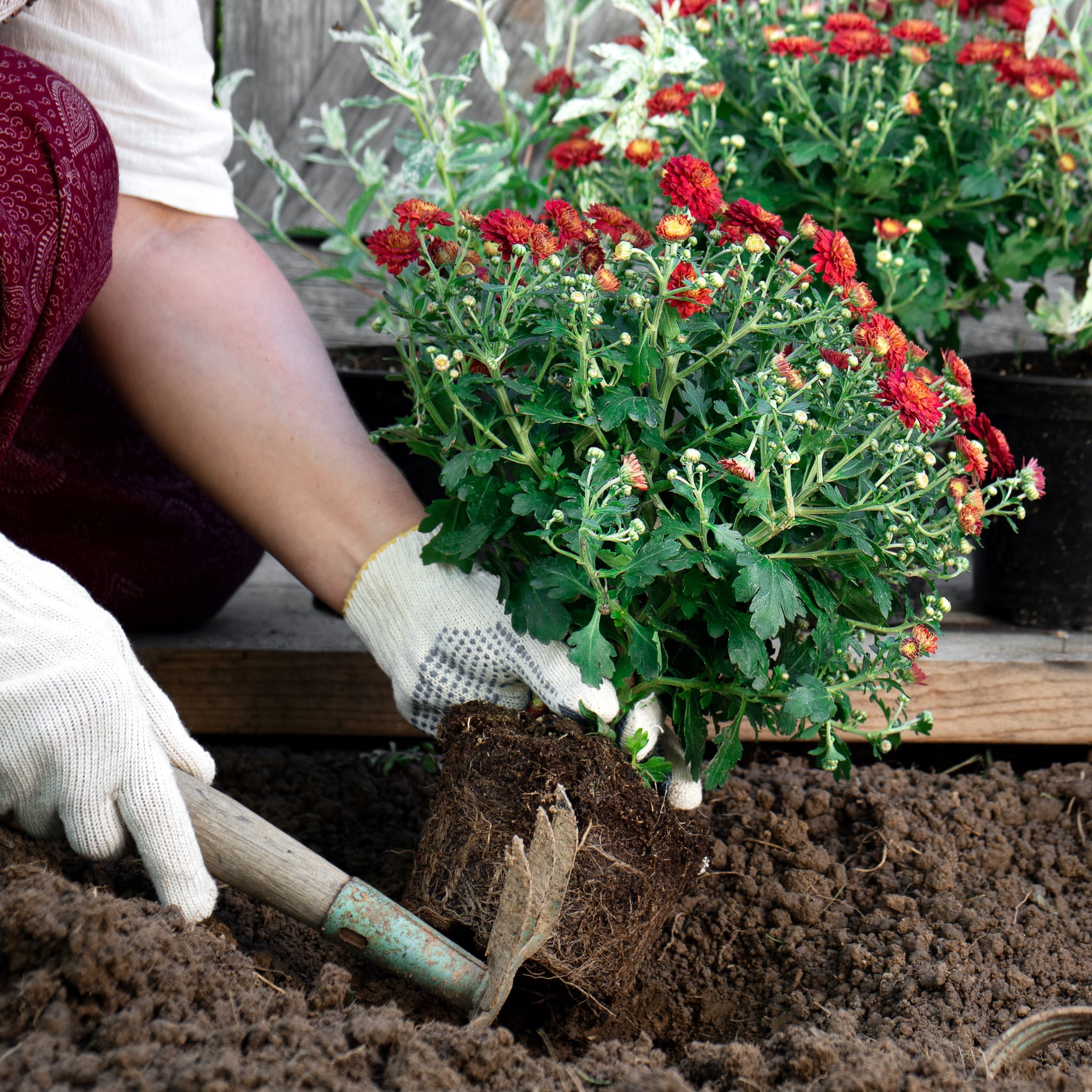
Unless your mums are Tom Hardy-level hardy, and they aren’t, planting in October is a waste of time and money. So, don’t wait until cold weather is breathing down their necks to plant them.
If I want fall-bought mums to have a fighting chance of coming back next spring, I stick to a few rules:
Early planting and winter protection give hardy mums much better odds at spring survival, but nothing is guaranteed. Plant nursery stock in late October in a cold climate expecting miracles, and you’ll probably still end up with empty po(cke)ts.
Task 7: Stop Feeding Fall Mums

You can’t bribe a plant out of its natural lifespan. So by September, I stop routine feeding, especially anything heavy in nitrogen.
Once mums are heading into bloom, late fertilizer can push them into producing tender green growth when they should be settling into their fall show and preparing for colder weather. That fresh growth is exactly the stuff the first hard frost loves to turn into black strings.
Task 8: Wait Until Later to Add Winter Mulch
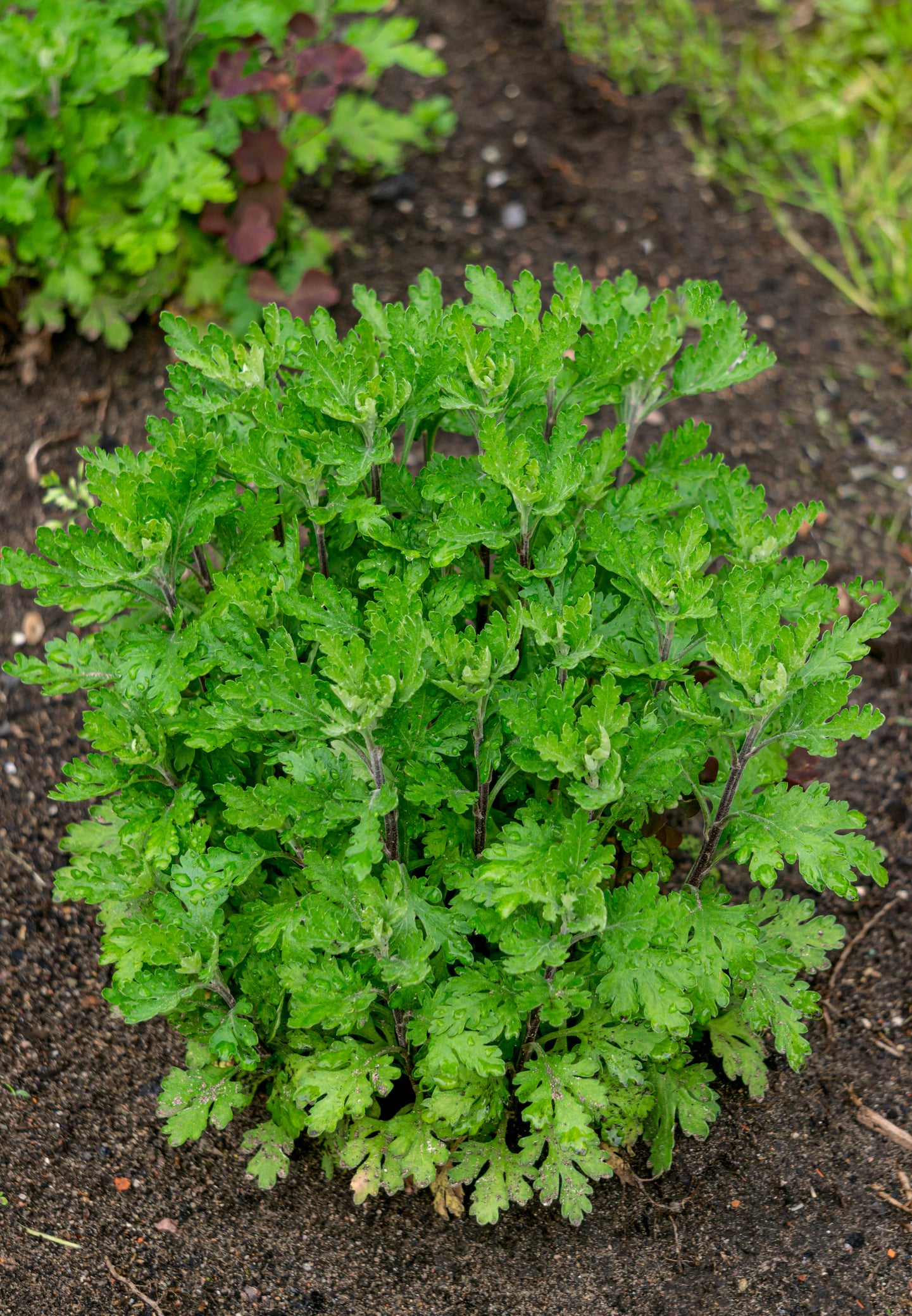
Don’t rush to mulch just because September showed up. I wait until the mum is dormant and the ground has started to freeze before adding winter protection.
Mulching too early can keep the soil warmer longer and give rodents a cozy place to move in.
Already mulched? If the ground is still warm, pull the winter mulch back for now and put it back once the ground starts freezing. No need to tuck them into bed before winter even shows up.
Task 9: Don’t Clean Up Till Spring
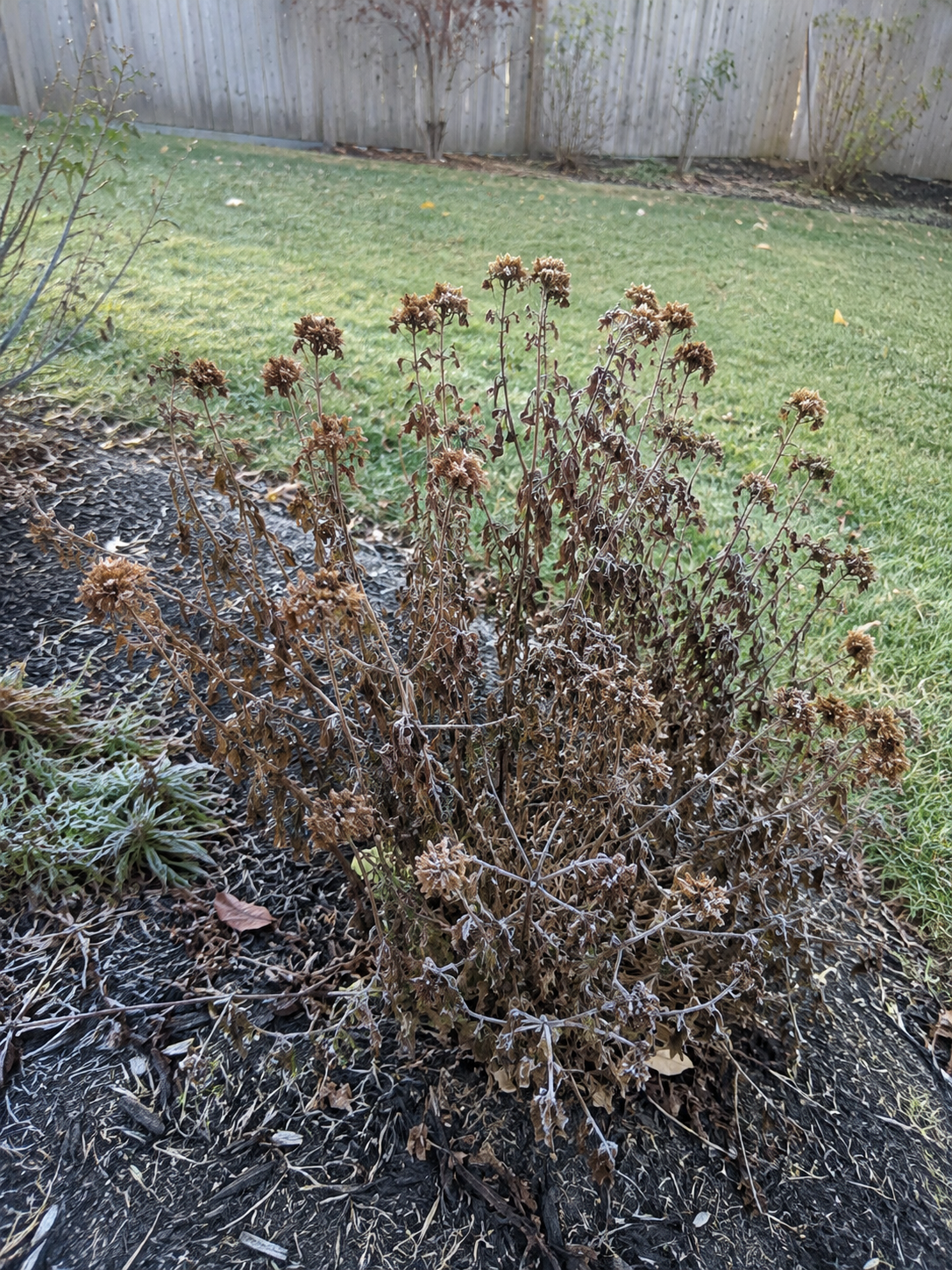
Hacking dead mums down in fall just because brown leaves ruin your aesthetic will strip away some of their natural winter protection.
Those dead stems help catch insulating snow and protect the crown from winter weather and repeated freezing and thawing. I leave mine standing until spring, then cut everything back once new growth starts showing.
Yo mum’s so ugly now she failed the audition for The Walking Dead, but that dead canopy shields its crown, and yes, the dad joke is intended.
If you’re hoping yours comes back next year, we wrote a full guide on what to do with chrysanthemums after blooming through late fall and winter.
Till Frost Do Us Part
September mum care is mostly about knowing when to fuss over them and when to leave them alone. Keep the soil evenly moist, give them plenty of sun, deadhead the ugly stuff, and stop trying to force extra growth once fall is underway.
Do that, and you can squeeze a few more weeks of color out of them before winter finally crashes the party. And if you planted hardy mums early enough, you might even get the ultimate plot twist: they come back next spring.
And if mums have started a full-blown fall-flower addiction, we put together a guide to 12 fall-blooming perennials that keep the garden colorful.