Welcome to the Tomato Club. Rule number one: we do not let fruit-laden vines snap, rot, or dry out in the late-summer heat. Rule number two: we respect regional growing calendars. Rule number three: we bow only to the almighty salsa and only while licking our plates.
So grab your snips, stakes, and watering wand, these are the nine tomato tasks worth tackling in August to keep the harvest coming until frost.
1. Reinforce Fruit-Heavy Branches
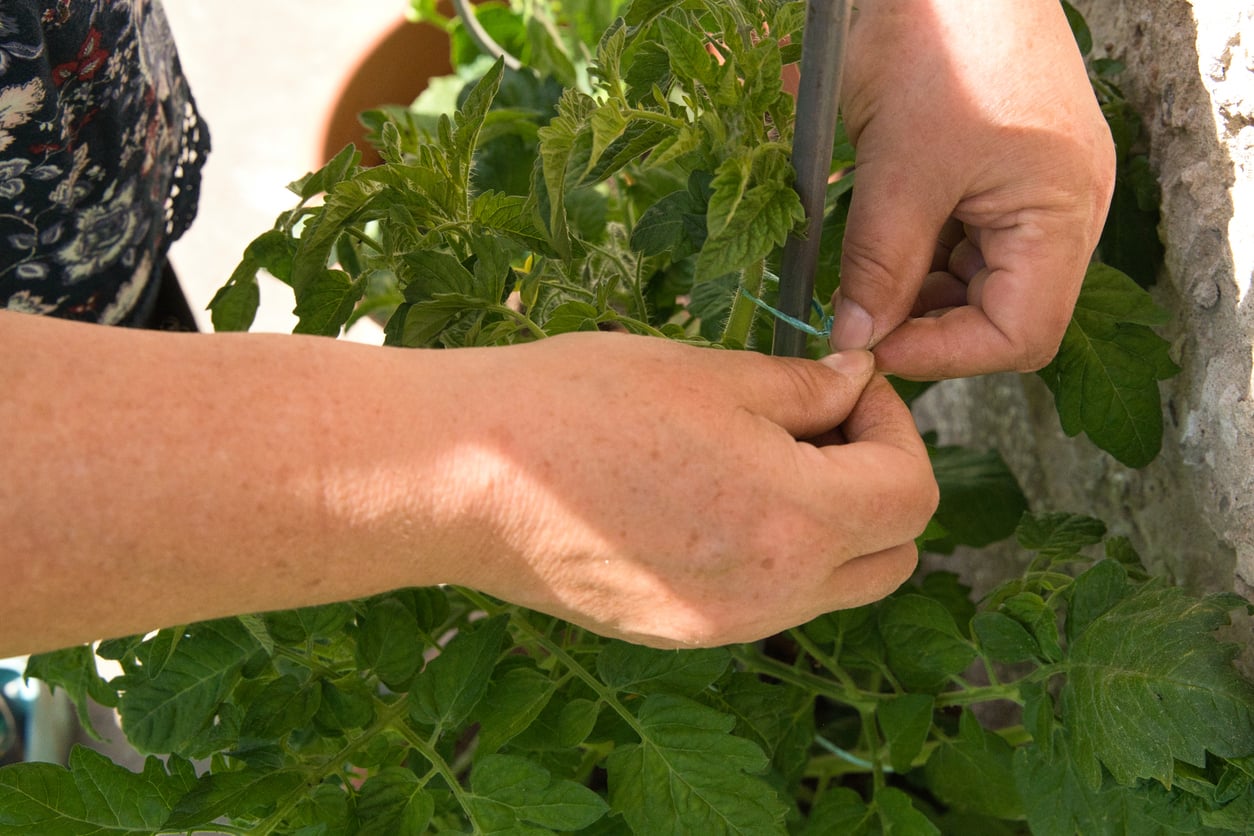
August fruit clusters get ridiculously heavy, and standard wire tomato cages often give up right when you need them most. Take a quick walk through your patch with some soft cloth strips, garden twine, or a few sturdy stakes.
Gently lift any sagging stems and fasten them loosely to a thick wooden stake before a stray summer gust or afternoon downpour does real damage.
Slings work wonders for extra-large clusters. They also keeps heavy fruit off the ground, where rot and soil pests are waiting with forks and napkins.
Quick tip: I like to use a soft figure-eight tie so the stem has room to move and thicken without rubbing against the stake.
If your current setup is already buckling, we wrote a guide to 11 tomato support ideas, including stakes, cages, trellises, and simple DIY options.
2. Clean Up the Lower Canopy
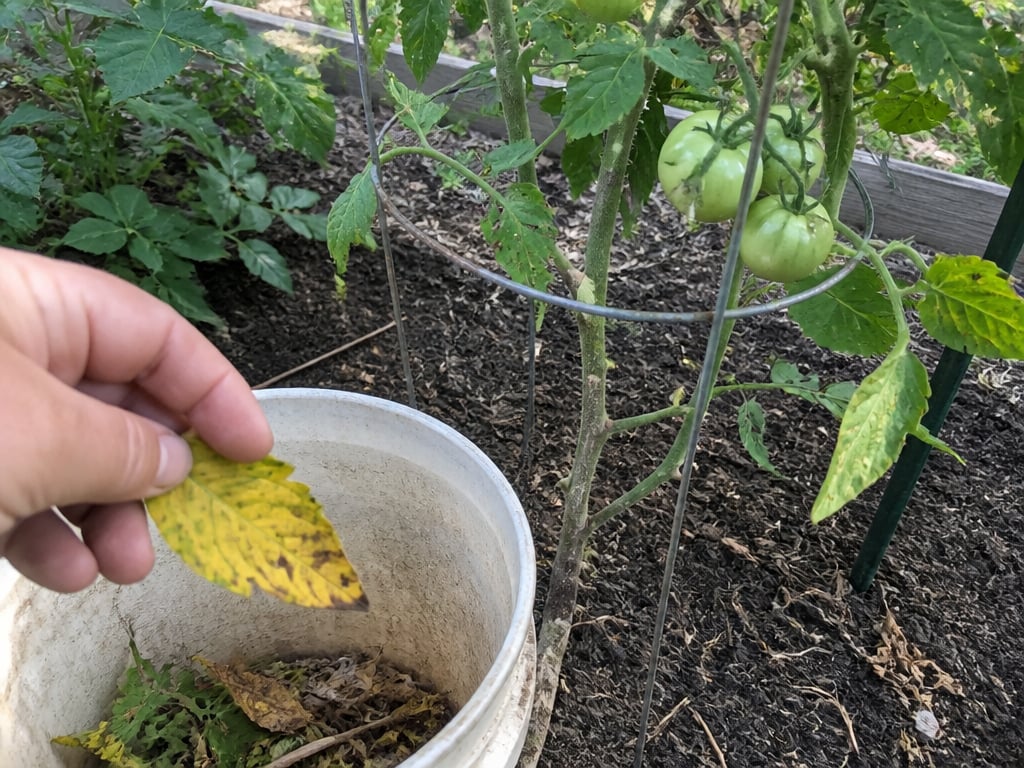
The lowest leaves have endured muddy splashes, fungal spores, and late-summer humidity for months. Anybody would look ragged, discolored, and generally miserable by now.
Leaving badly spotted or dying foliage in place gives early blight and other leaf diseases an easier path into the upper canopy, especially when the leaves are crowded close to damp soil.
I usually start at the bottom and remove yellowed, heavily spotted, or decaying leaves up to the lowest fruit cluster. And use clean snips, of course, disinfecting them between plants if disease is present.
Quick tip: Don’t strip away healthy green foliage just for the sake of a tidy plant, though, the tomatoes still need that canopy for shade and energy.
3. Guard Against Sunscald
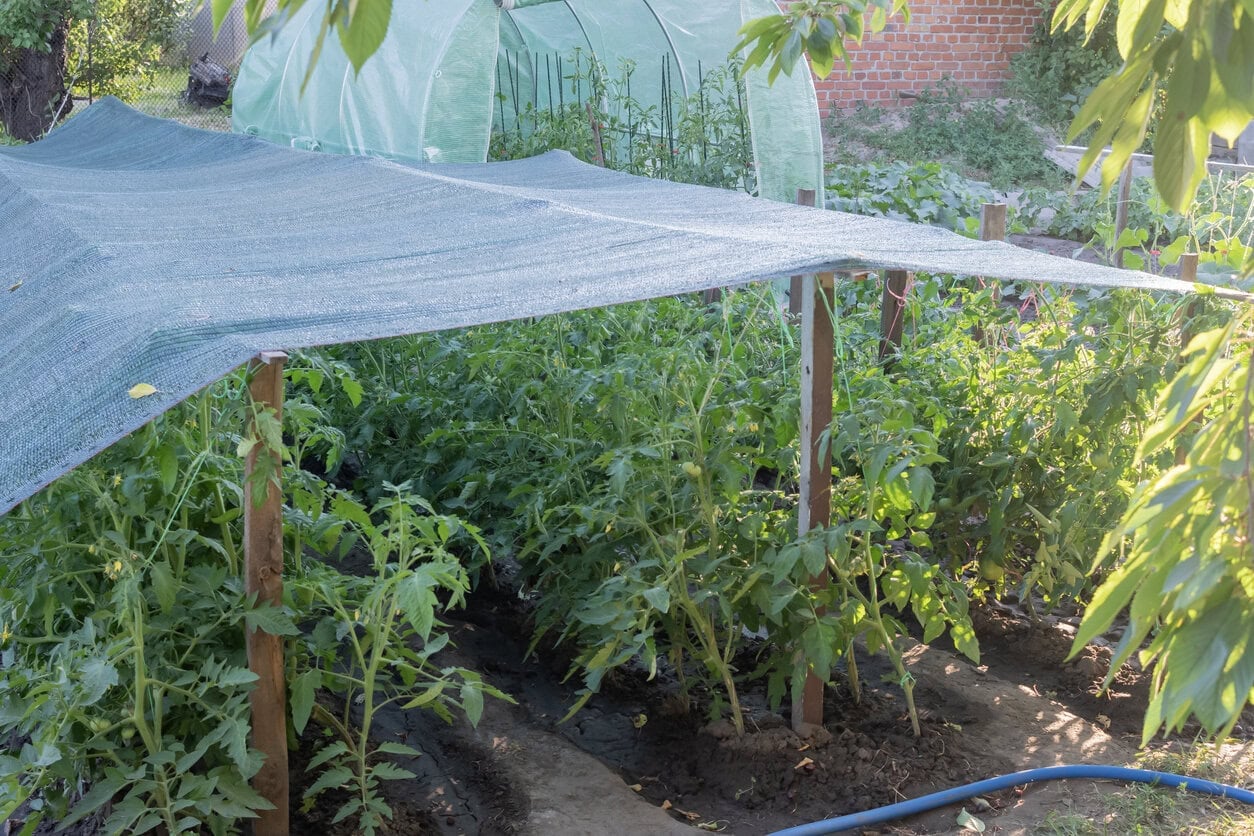
If heavy pruning or late-season topping suddenly exposes large fruit to the full force of the afternoon sun, improvise some shade right away.
I suspend a loose piece of cheesecloth or lightweight shade cloth above the exposed side of the plant, leaving a little space between the material and the fruit so air can still circulate.
You only need to soften the harshest afternoon rays, not wrap the tomatoes up or throw the entire plant into deep shade.
4. Keep Watering Deep and Consistent
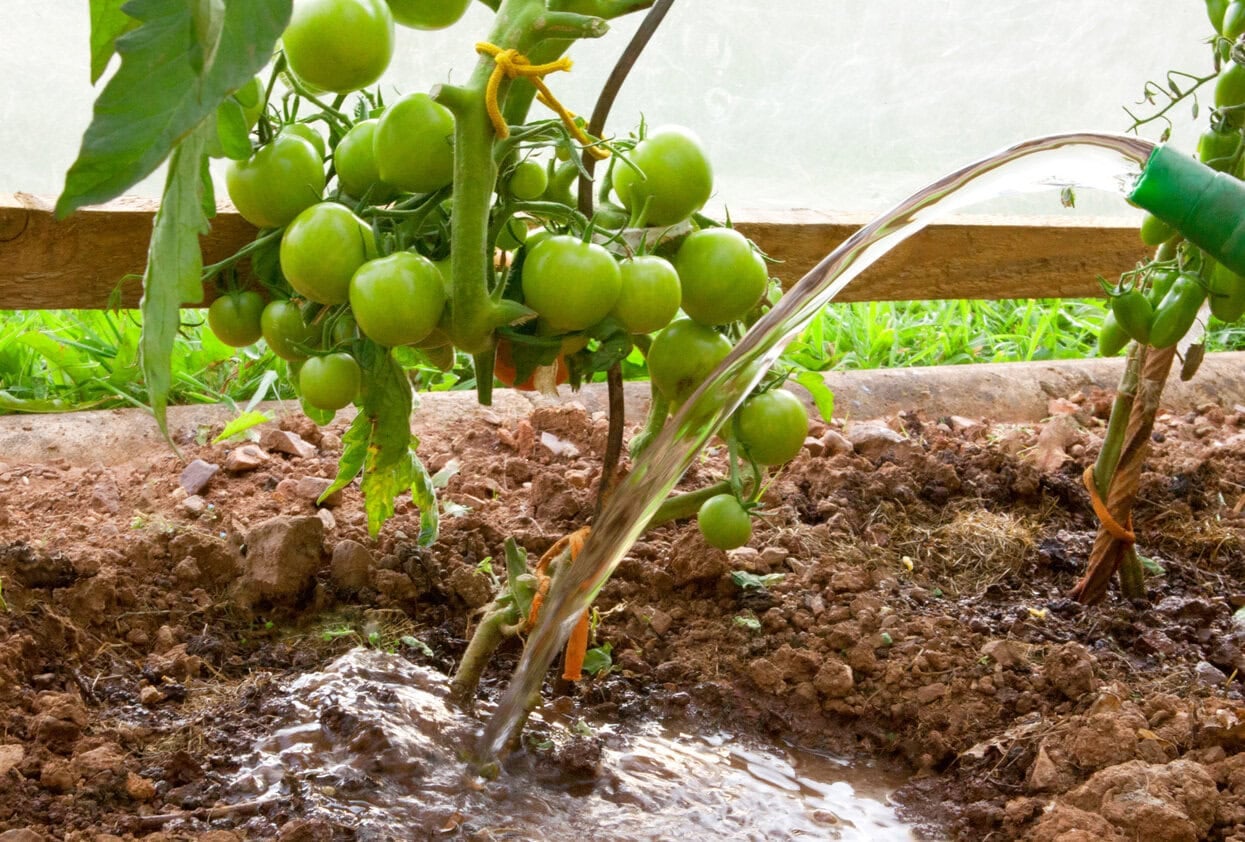
Waving a hose over your garden for five minutes after work feels satisfying, but mature tomatoes need more than a damp surface.
When dry soil suddenly gets soaked by heavy watering or a late-August storm, the fruit swells faster than the skin can stretch, and your best beefsteaks can split overnight.
Water slowly at soil level, soaking the wider root zone rather than one tiny spot beside the stem. Check that the moisture reaches several inches down. Consistent watering helps reduce cracking, while dry foliage makes leaf diseases less likely to spread.
Inconsistent watering is only one way a harvest can go sideways, so we also put together a guide to eight tomato-growing mistakes that can quietly reduce your yield.
5. Hunt Late-Summer Pests
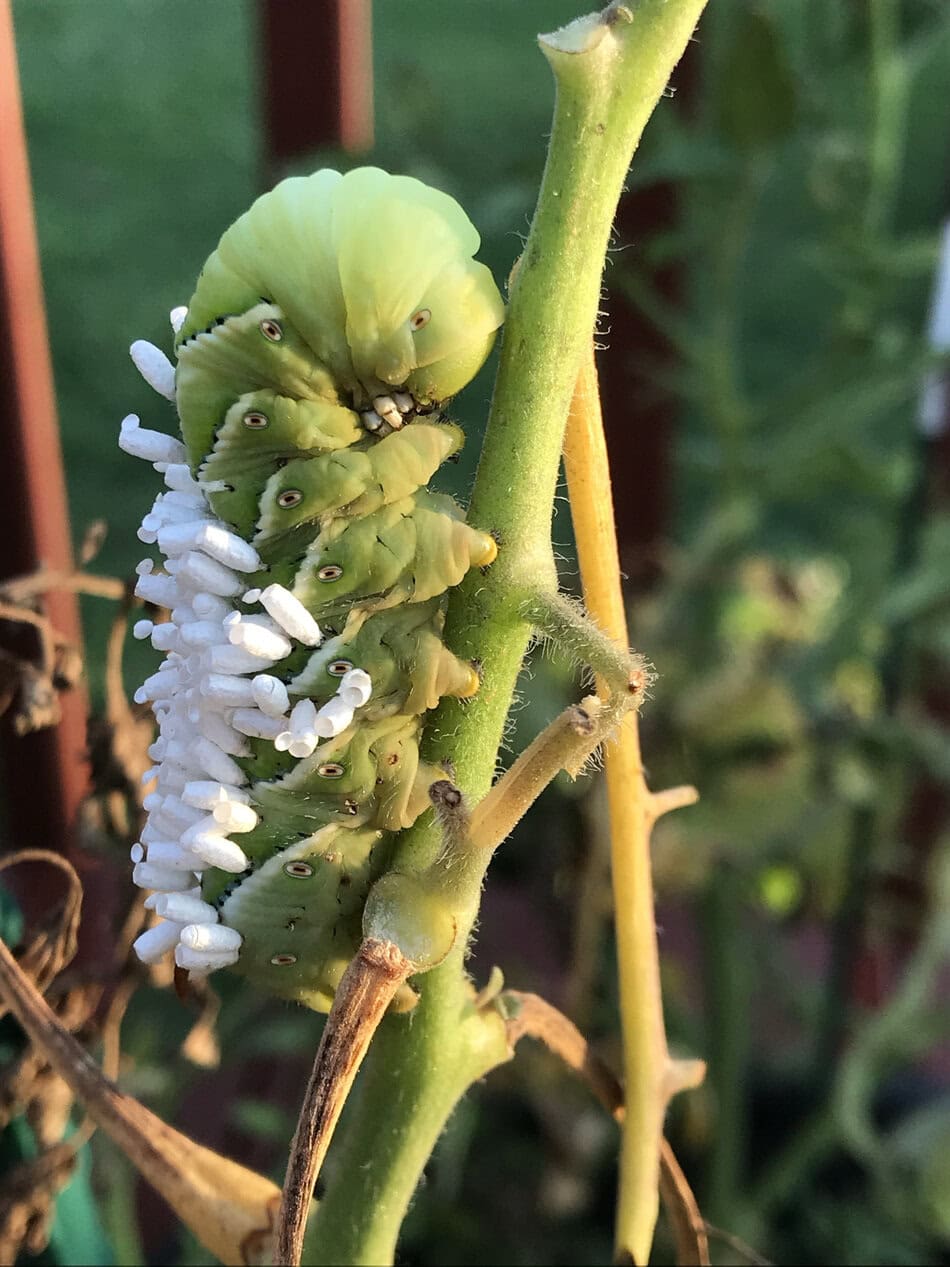
August pests can do serious damage before you even notice them, so I check the plants early in the morning while the insects are still sluggish.
A quick dawn inspection now can save a surprising amount of fruit later.
6. Chop the Top to Help Final Ripening
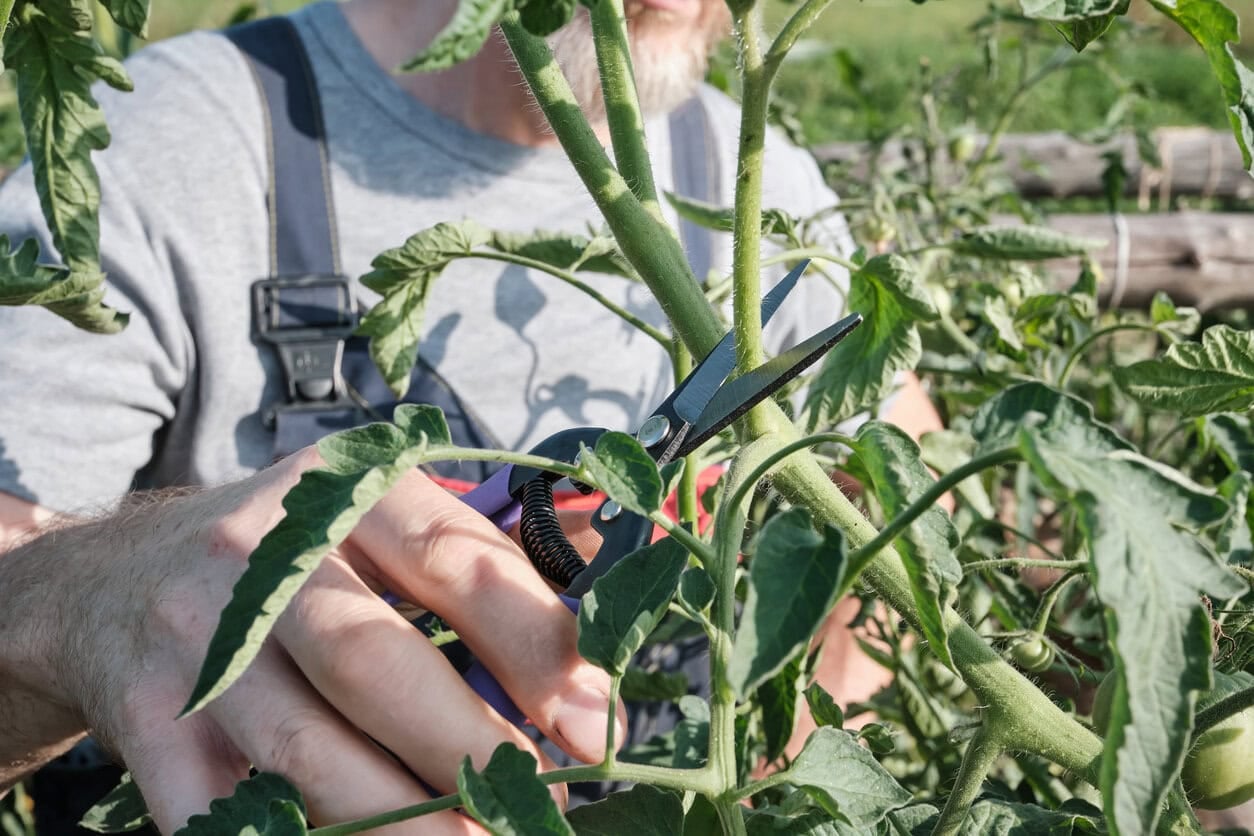
Snip the growing tip from each main stem and remove new flowers that no longer have time to produce ripe fruit. Leave the larger green tomatoes alone; many can still size up before frost.
Topping only makes sense about four to six weeks before your region’s average first frost and only for indeterminate tomatoes. So, if frost usually arrives in mid-October, wait until early September. If late September already brings freezing temperatures, August may be your moment.
Quick tip: If you garden in a warm southern climate with months of growing weather left, put the shears down. Keep watering consistently and let the vines ride.
Late-season topping is different from the pruning tomatoes need earlier in the year, which we explain step by step in our guide to pruning tomatoes in spring.
7. Harvest at First Blush
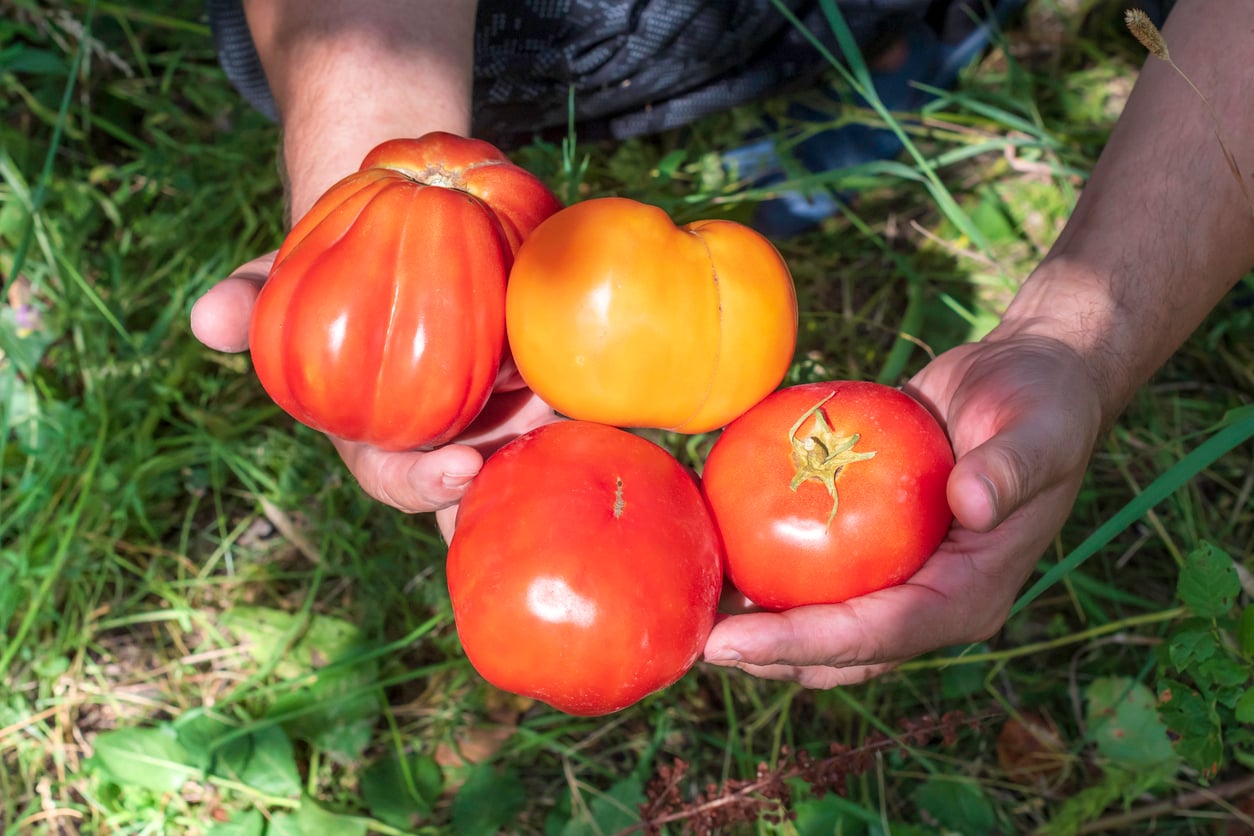
There’s no need to leave every tomato on the vine until it is fully ripe. That only invites birds to gouge holes, summer rain to split skins, and squirrels to steal your precious.
Pick the fruit once its mature green color begins to break and the first blush appears near the blossom end. At this stage, the tomato can finish ripening indoors without sacrificing much flavor.
Quick tip: Set it stem-side up on the kitchen counter, away from direct sunlight, and check it daily. It will ripen safely away from heat, cracking, and thieving pests (except hungry teen).
8. Cover for First Frost (Colder Climates Only)
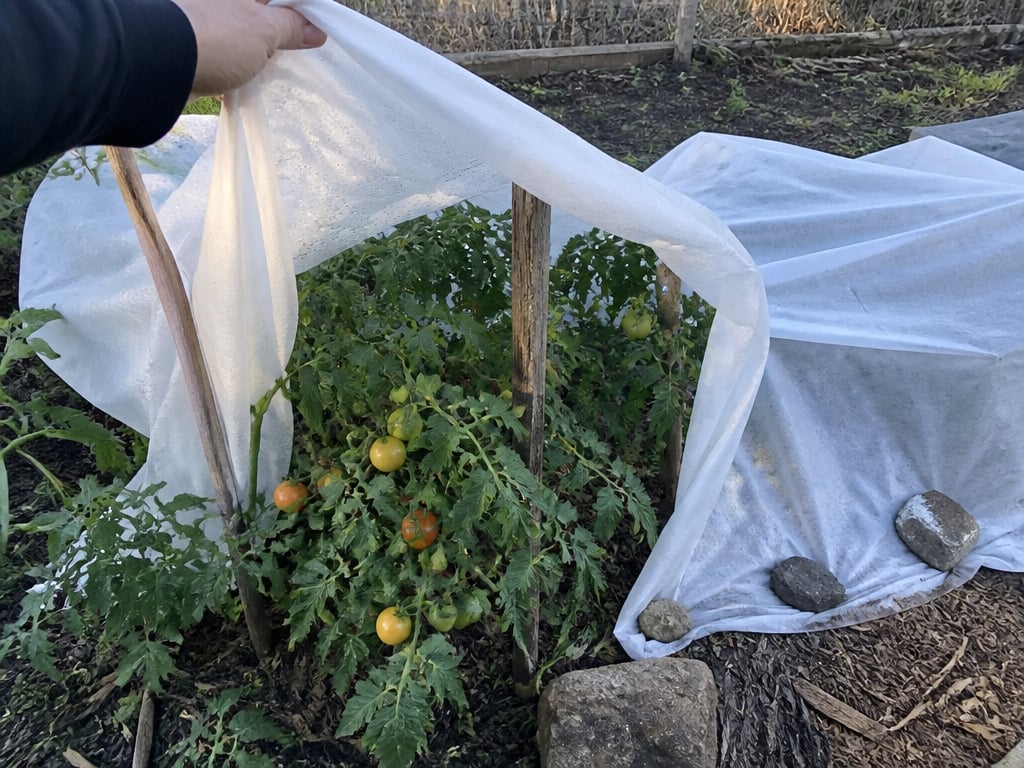
August tomato care depends on your local frost date. Gardeners with months of warm weather left should keep watering consistently and let healthy plants continue growing.
But if September nights regularly dip into the 30s, keep frost cloth nearby. Drape it over the plants before sunset and secure the edges to the ground with rocks or stakes to trap the soil’s warmth.
Leave the cover in place until temperatures rise safely above freezing the next morning, then remove or vent it before the sun heats things up underneath.
For more than a quick overnight cover, we wrote a guide to five ways to protect tomato plants from early frost and damaging winds.
9. Pull the Whole Plant Out

Northern gardeners eventually face a hard freeze with vines still loaded with mature green tomatoes. At that point, stop picking them one by one.
Pull the entire plant out, roots included. Shake off the excess dirt, carry the vine into a cool, frost-free garage or basement, and hang it upside down.
Mature green tomatoes can continue ripening while they hang. It looks unhinged ,and maybe it is, but it can keep tomatoes coming for weeks. Check them often and remove any that begin to soften or rot.
Catch Up If You Can
That’s the entire doctrine. A true tomato devotion means doing the work when August heat sets in. Adjust your routine for your latitude, protect the fruit, and bring in a harvest worthy of the cutting board.