If you’ve ever lost a rosemary plant between October and March, you’re in good company. Rosemary evolved for bright, relatively mild Mediterranean winters, not dry blasts from heating vents and dim indoor windowsills. Getting it through winter in an average American home? Absolutely possible, but it takes more than dragging the pot inside and hoping for the best.
Task 1: Protect Outdoor Rosemary From Hard Freezes
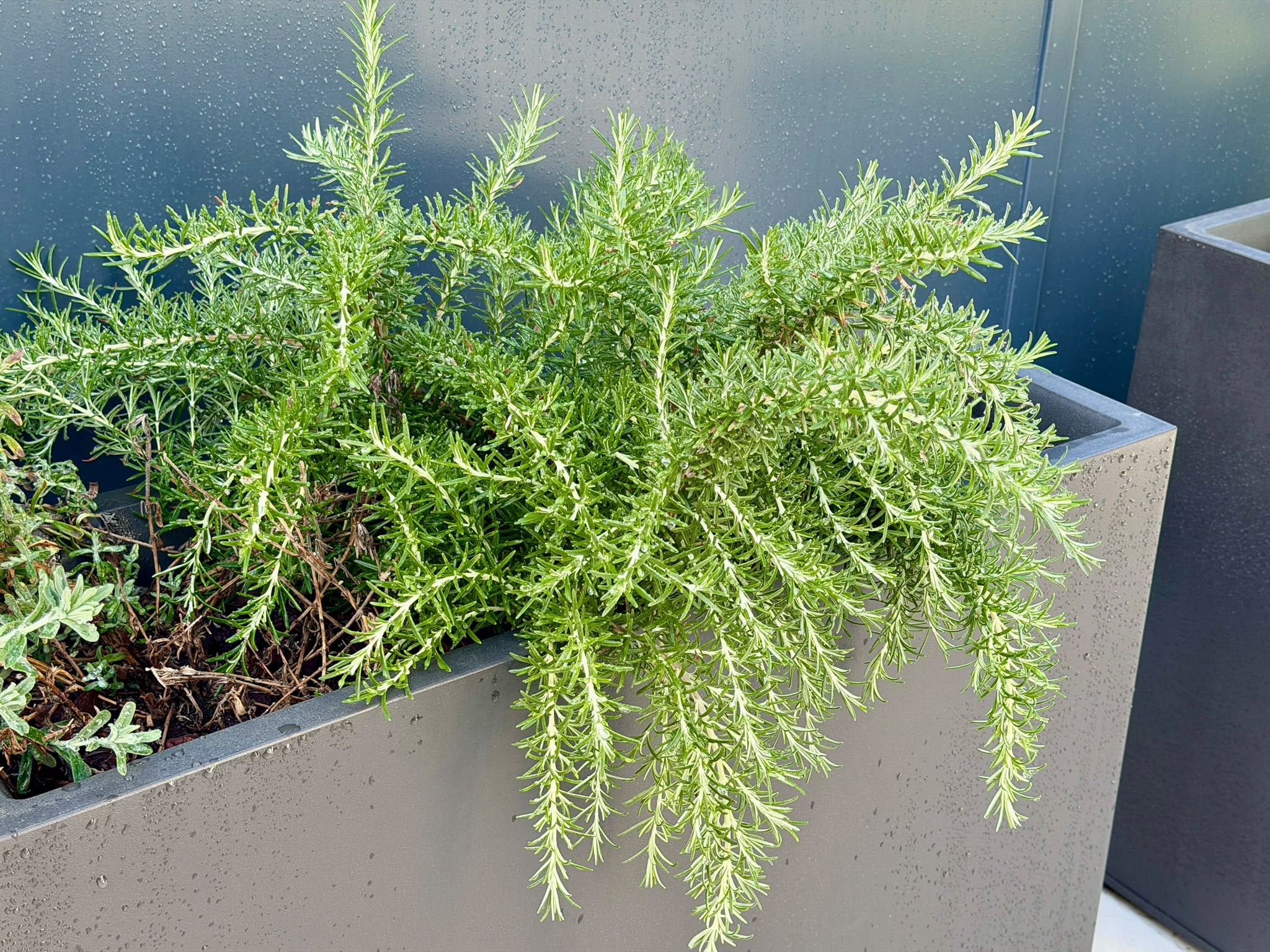
Rosemary isn’t a fragile tropical orchid, but it isn’t an arctic pine tree either. And once it’s growing in the ground, dragging it into the house when temperatures drop isn’t exactly an option. How much protection your rosemary needs depends on your USDA zone and the variety you’re growing.
Before a serious cold snap arrives, drape frost cloth over vulnerable plants and secure the edges to the ground. Use a few stakes to keep the fabric from pressing against the foliage.
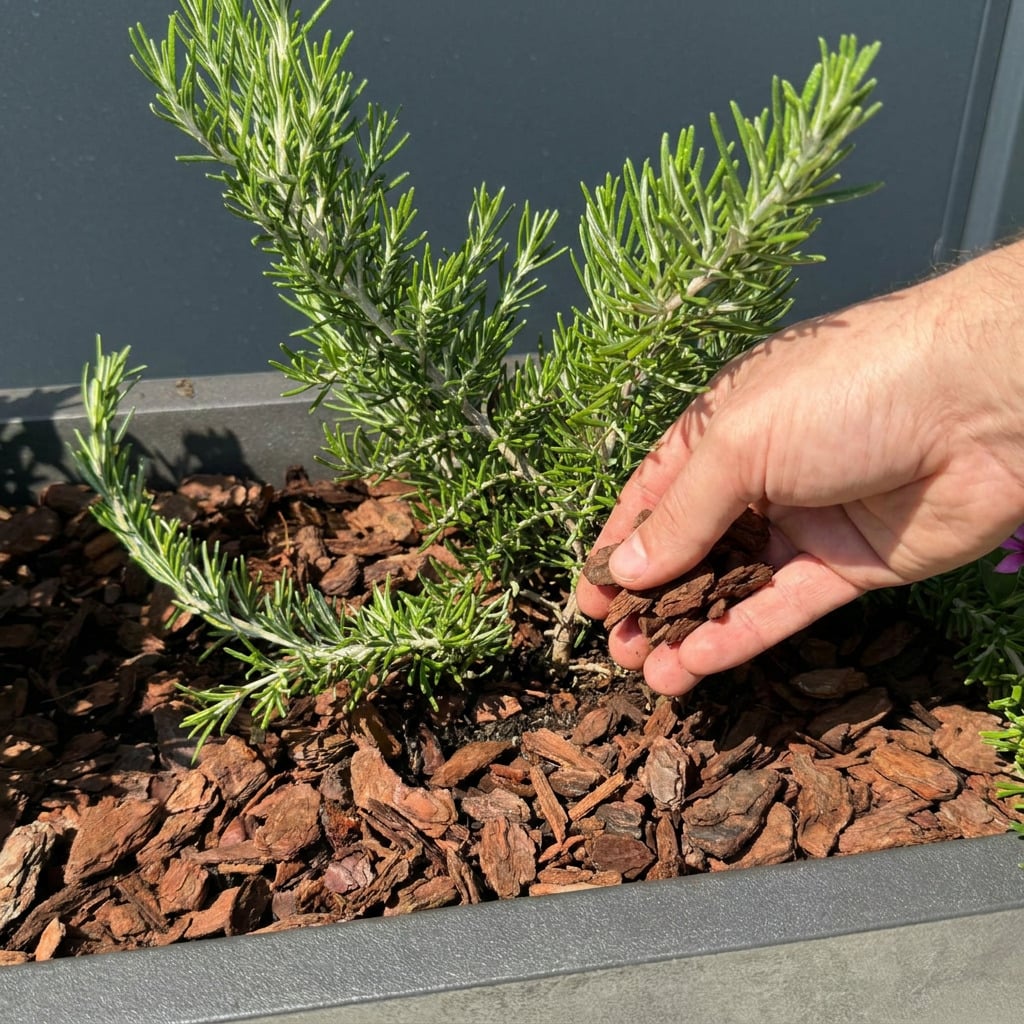
In colder areas where rosemary can survive outdoors, add a 3-4-inch layer of loose mulch around the root zone after the first hard freeze, keeping it away from the woody stems.
Quick tip: Don’t leave rosemary exposed to biting winter winds. A simple burlap windbreak can help protect those evergreen needles from drying out.lder zones, move your pots somewhere sheltered before repeated hard freezes arrive.
If lavender is also on your November checklist, we put together a guide on five easy lavender jobs to do before winter.
Task 2: Keep Winter Moisture Away From the Roots
Rosemary can handle some chilly weather, but cold, waterlogged soil is a different story. Those roots need oxygen, and soggy ground can suffocate them long before spring arrives.
After heavy November rain, check around the base. Water pooling? Wet leaves piled against the stems? Clear away soggy debris and make sure runoff isn’t collecting around the plant.
Don’t dig around established roots now. If the soil stays waterlogged, plan to improve drainage or move the plant to a raised bed in spring.
Task 3: Adjust Winter Watering
Winter root rot happens when lazy habits meet cold, wet soil. Rosemary grows more slowly in November, so don’t keep watering it like it’s July.
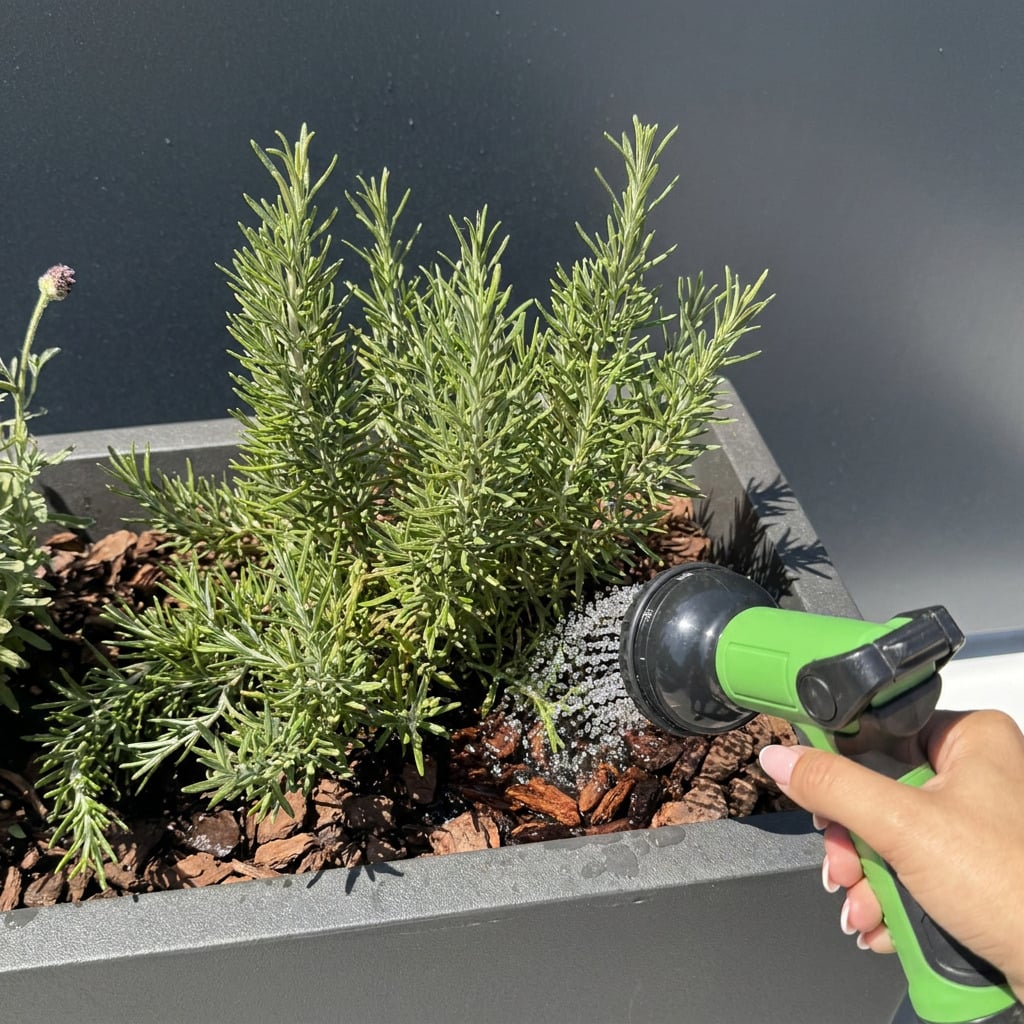
If yours grows in the ground, let rainfall do most of the work. Stick a finger a few inches into the soil. Still damp? Leave the hose alone. If it’s dry after a long stretch without rain, give it a deep drink while the ground isn’t frozen.
Potted rosemary is another story. Containers can still dry out in winter, especially indoors. Check the top inch of soil and water thoroughly when dry, letting every excess drop drain away.
Don’t overcorrect by parching the plant either. Even established rosemary can suffer during prolonged dry spells, especially in windy weather. Never soggy, never dust.
And if you’re keeping rosemary outdoors through winter, we also wrote a guide on eight essential rosemary tasks for January, including drainage checks and cold-weather protection.
Task 4: Move Potted Rosemary Indoors When Necessary
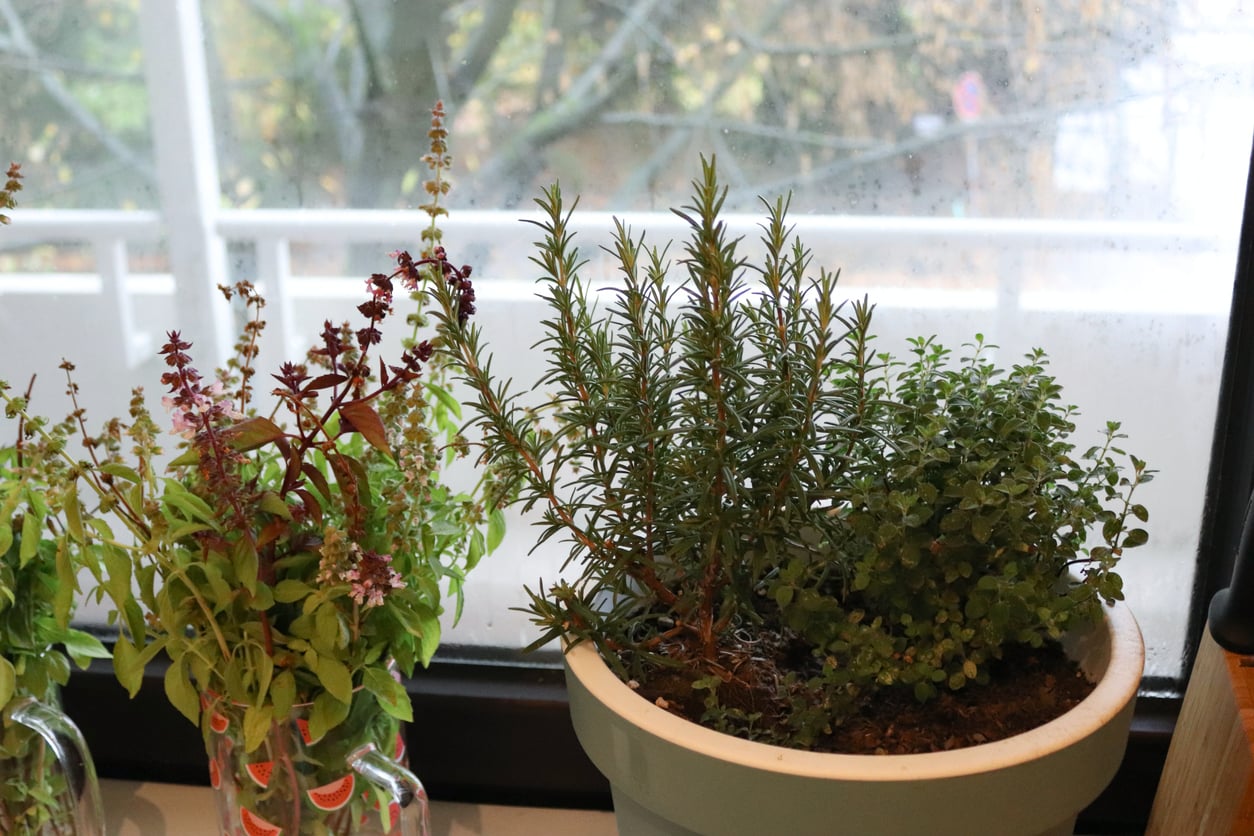
Potted rosemary is a different story. Unlike plants in the ground, container roots lack natural insulation.
In Zones 3-7, move those pots somewhere frost-free before damaging freezes arrive. In warmer zones, they can usually stay outside unless an unusually severe cold snap is coming.
And don’t just park the pot in a gloomy hallway. Give it a bright south-facing window or a grow light if sunlight is scarce. A cool room around 45-60°F is ideal, away from those needle-frying heating vents.
Quick tip: Before dragging your rosemary indoors, check under the needles for spider mites and other unwanted guests. Rinse off any pests outside and keep the pot away from your other houseplants for a few weeks.
Task 5: Skip Feeding and Hard Pruning
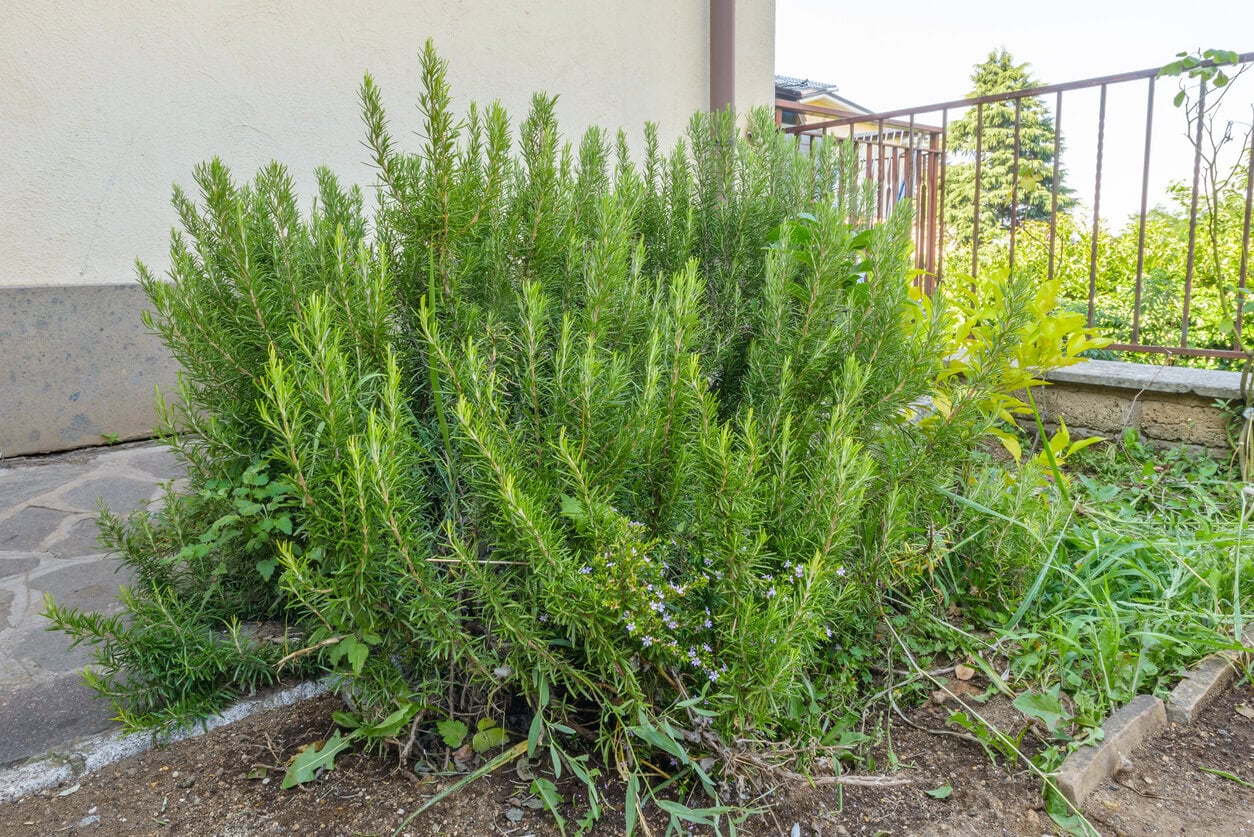
Feeding slow-growing rosemary in winter is like building a tower with cardboard bricks. Extra nitrogen can encourage soft, fragile new growth that’s more vulnerable to cold weather.
Hard pruning is off limits too. The more you cut the poor shrub, the fewer solar panels it has left. Worse, cut into old, woody stems, and they might never grow back. Save major shaping for spring or after flowering.
November through March isn’t about aesthetic makeover projects either. Winter is about keeping the roots healthy and the needles green until stronger spring sunlight returns.
When that time comes, we explain when and how to prune rosemary for bushier, more aromatic growth in a separate guide.
From Shrub to Cubicle
Winter indoor care is mostly damage control. Skip the fancy routines, quit overwatering, and keep furnace heat from frying those needles. Keep the plant healthy through the dark months, then gradually ease it back onto the deck once freezing nights are behind you.