
It’s easy to worry that you’re killing your lavender by doing too little. But in November, doing less is often exactly what it needs. A little bit of your concern and an even smaller bit of your presence.
That’s why these five November lavender jobs are more like quick check-ins. You check them off and go back inside.
Task 1: Check Drainage After Rain
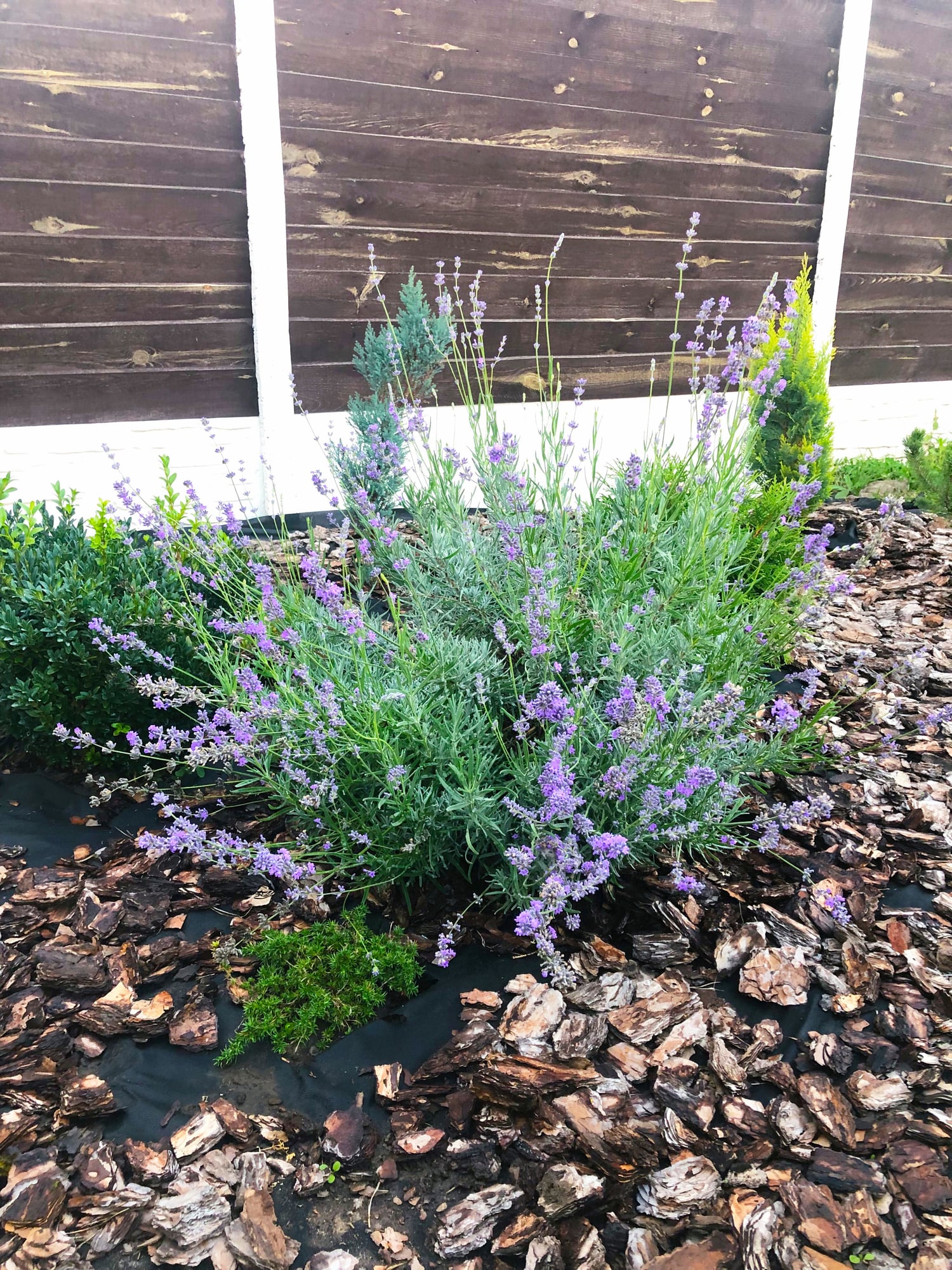
If your lavender bed sits in a bit of a low spot, gravity can pull fall rain right into the root zone. And if there’s anything lavender can’t stand, it’s standing water.
Staying indoors during a storm wins every time, so check the yard from a window after heavy rain. Any puddles lingering around your lavender are worth investigating.
Once the rain stops, redirect any runoff away from the bed, but avoid piling soil around the woody crown.
Quick tip: If water keeps collecting, consider moving your lavender to a raised spot in spring. Nearby downspouts or patio runoff might need a glance as well. Rerouting those stray streams helps protect the roots from rot.
If your lavender needs a little extra attention once winter passes, we also wrote a guide to eight spring lavender jobs to tackle before blooming
Task 2: Clear Soggy Debris From the Crown
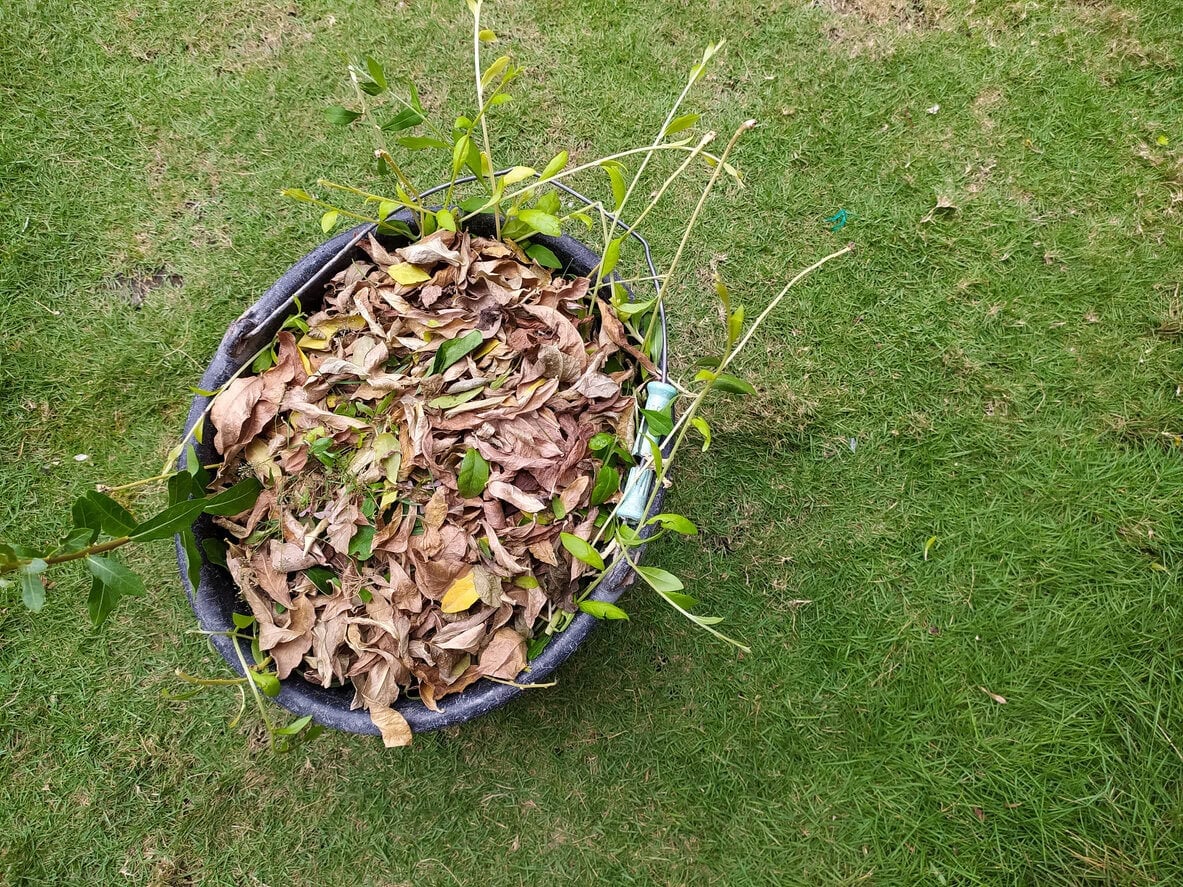
Fall leaves blow into your garden and pile up against the worst possible spot: the base of your lavender.
When those wet leaves sit there and rot, they turn into a sodden blanket that traps moisture against the woody crown. Lavender doesn’t appreciate that kind of damp chill all winter long.
Save yourself the mess and use a pair of gloves or a small rake to clear the base.
When you move that organic trash out of the way, you let the wind and whatever sun is left help dry out the woody crown. Keep that main collar exposed to open air, and you’ll help stop fungal rot dead in its tracks.
Task 3: Put Away the Pruners
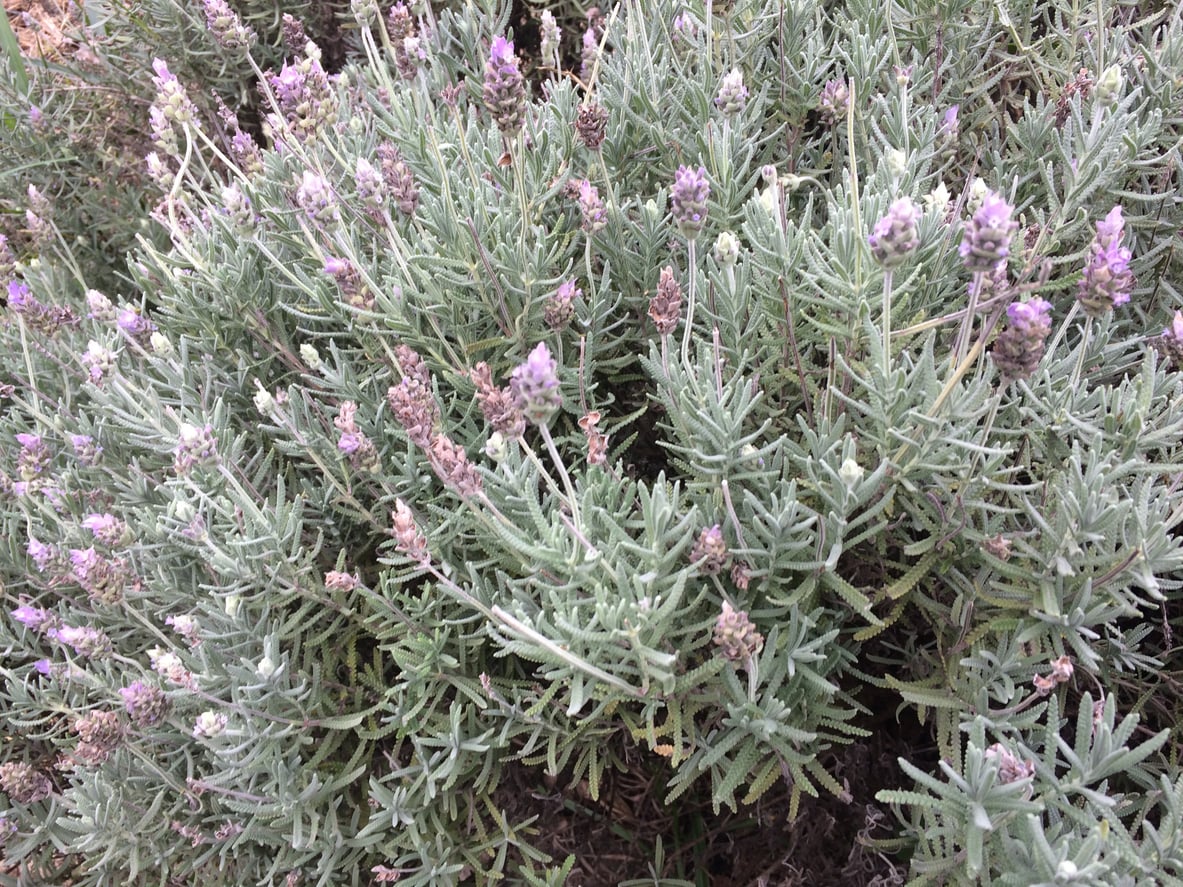
Once you’ve checked your drainage and cleared the wet leaves, your next instinct might be to clean up the untidy stems. This late in the year, shears stay in the shed.
Cutting back lavender in November can leave it vulnerable to winter damage, especially in colder zones. Any tender new growth encouraged by pruning may struggle to survive the first hard freeze.
No matter how ragged it looks, leave that top growth alone. It looks messy, agreed, but that foliage helps buffer the woody base against winter wind.
Quick tip: Put off all shaping until spring. You’ll be able to see better what made it through the cold and avoid cutting into bare, woody stems.
And if you’re still unsure when to bring those shears back out, we wrote a guide on whether to prune lavender in spring or fall.
Task 4: Protect Only When Conditions Warrant It
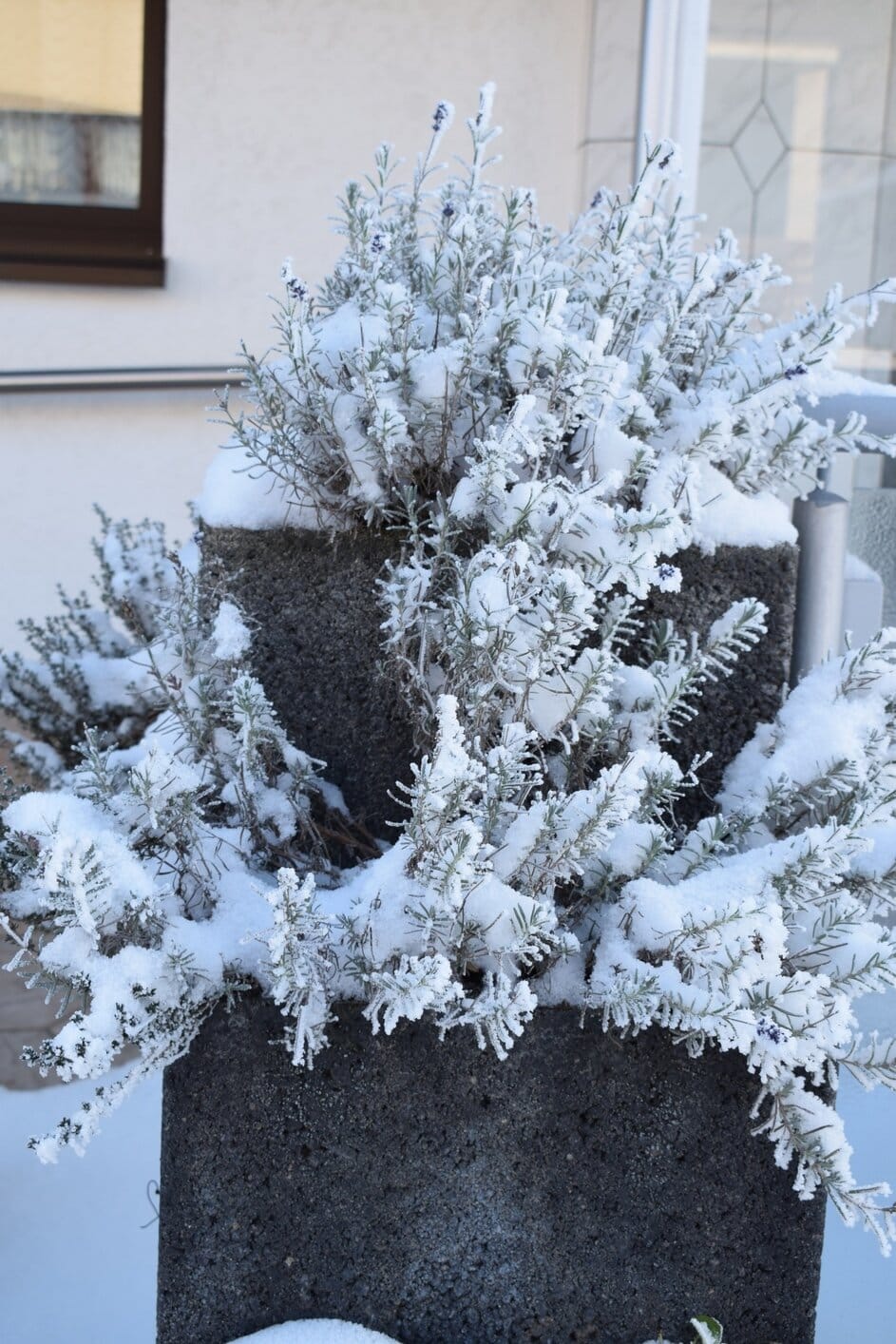
With pruners safely locked away, you continue practicing your patience and don’t jump the gun on winter protection while the soil is still warm. Heavy mulch can trap moisture around the crown and encourage rot.
When you step in depends largely on where your yard is on the map:
If your lavender needs protection, avoid heavy straw mats or thick tarps. They trap dampness and can smother the plant. Keep any covering light and airy.
And variety matters just as much as geography. Tough English lavender (Lavandula angustifolia) handles colder winters, while Spanish lavender (L. stoechas) and other tender varieties prefer milder conditions.
Quick note: A good USDA zone rating won’t save a plant drowning in winter moisture. Cold is only half the battle. Soggy roots can finish the job.
If containers sound like your best bet, we also have a guide to growing lavender in pots successfully, from choosing the right soil to avoiding soggy roots
Task 5: Stem the Flow of N and H2O
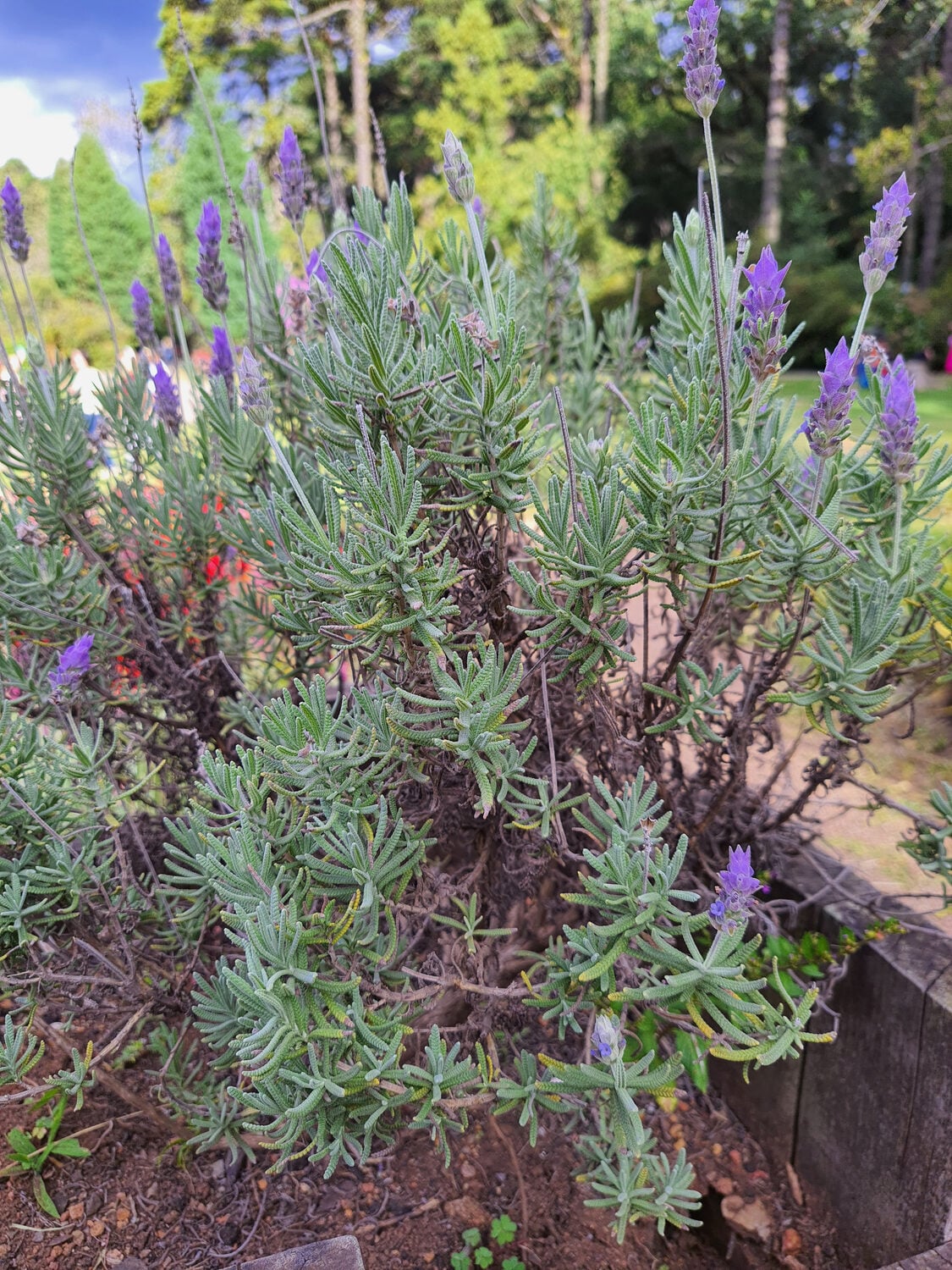
Fall rains usually handle pretty much every drop of water your established lavender needs right now. Soaking the bed this late can create a swamp around roots that are slowing down for winter.
Feeding the lavender is even worse. A late dose of nitrogen can encourage a burst of soft, succulent stems. That tender new growth hasn’t had time to toughen up and may blacken when a hard freeze hits.
The exceptions are container-grown lavender, newly planted lavender, or unusually dry fall conditions. Even then, check the soil a few inches down before handing over a drink. Water only when needed, and make sure the excess drains away.
If you’re wondering when feeding actually makes sense, we explain when to fertilize lavender for healthy growth and fragrant blooms.
Bough Out Gently
November lavender care sounds like that (in)famous wedding invite: no gifts, please, your presence is present enough. And even that should be brief. So should you ever find yourself wondering what your lavender needs in late fall, it’s almost nothing.


