Are your summer beds looking a little re-seed-ing? Between the scorching sun, spent blooms, and stems sagging into their neighbors, no wonder things look ready to bolt.
I’m going to show you how cutting the right plants back after their first flush can encourage fresh basal growth, tidy up the border, and sometimes bring on a smaller round of late-season color.
11 Perennials to Prune in July
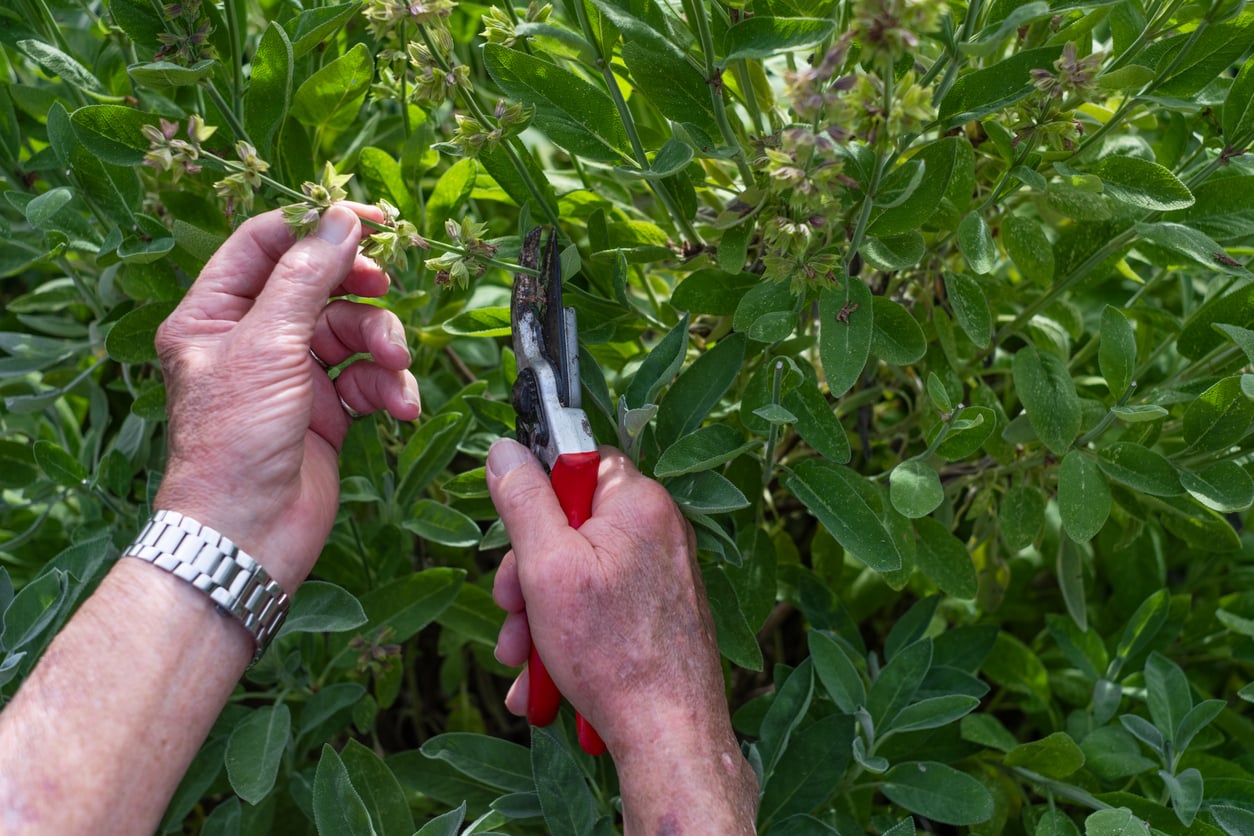
Not every perennial wants the same haircut. Some need a full shear, while others only need their spent stems removed. These are the plants I usually check first once their main flower show starts fading.
1. Hardy Geranium

By July, cranesbill can sprawl across the garden floor and crowd smaller neighbors. Once flowering fades, I shear the clump back by about half, stopping above healthy basal growth.
Quick tip: I water deeply afterward if the soil feels dry, and the clump usually responds with a fresh flush of sharply defined leaves over the next few weeks.
2. Shasta Daisy
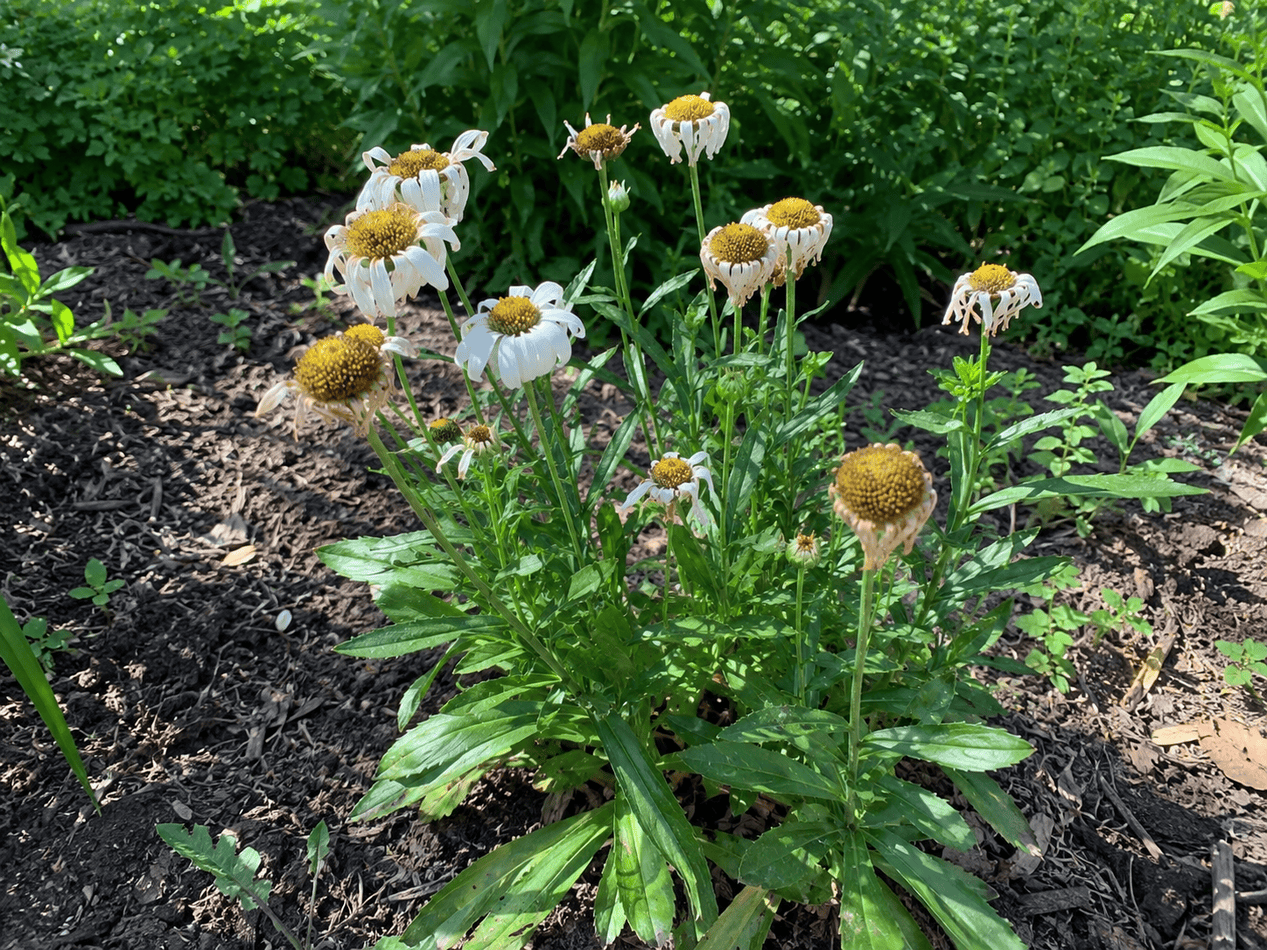
Summer rain can leave spent flower heads black, soggy, and hanging over the foliage. Left alone, the plant puts its remaining summer energy into seed production.
Look closely and follow each stem down to the next leaf junction or small side buds, then clip just above it. Those hidden buds may open into a smaller second flush.
We also wrote a full guide on how to keep Shasta daisies blooming longer after their first flush if you want to extend the show even further.
3. Catmint
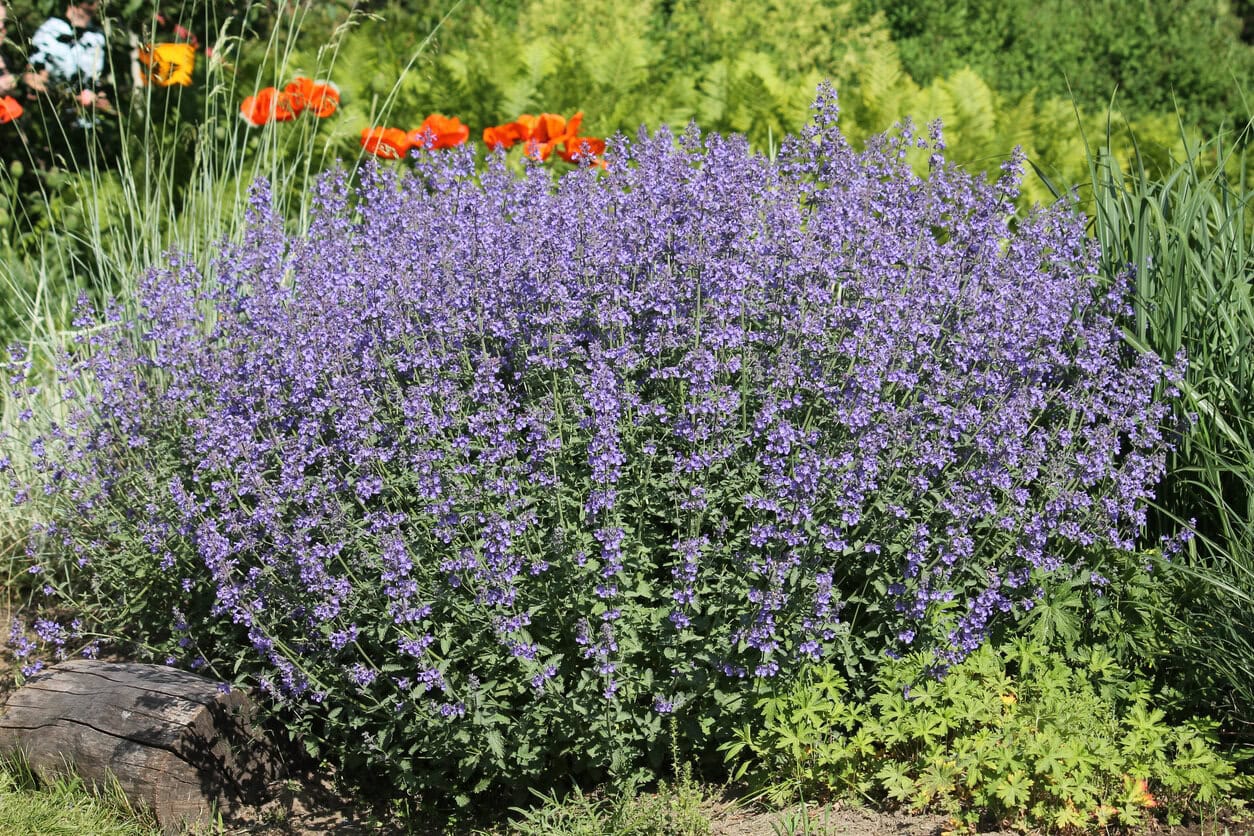
By midsummer, heavy silver stems tend to collapse outward, leaving an empty hole right in the center of the plant. When they reach that stage, stop trying to prop them up.
Grab hedge shears and cut the mound back by about half, stopping above healthy green growth. It looks severe, but catmint usually rebounds with tighter foliage and may send up a smaller second round of blooms.
Quick tip: Skip the fertilizer after cutting it back. Rich soil can make the fresh growth soft and floppy all over again.
4. Delphinium
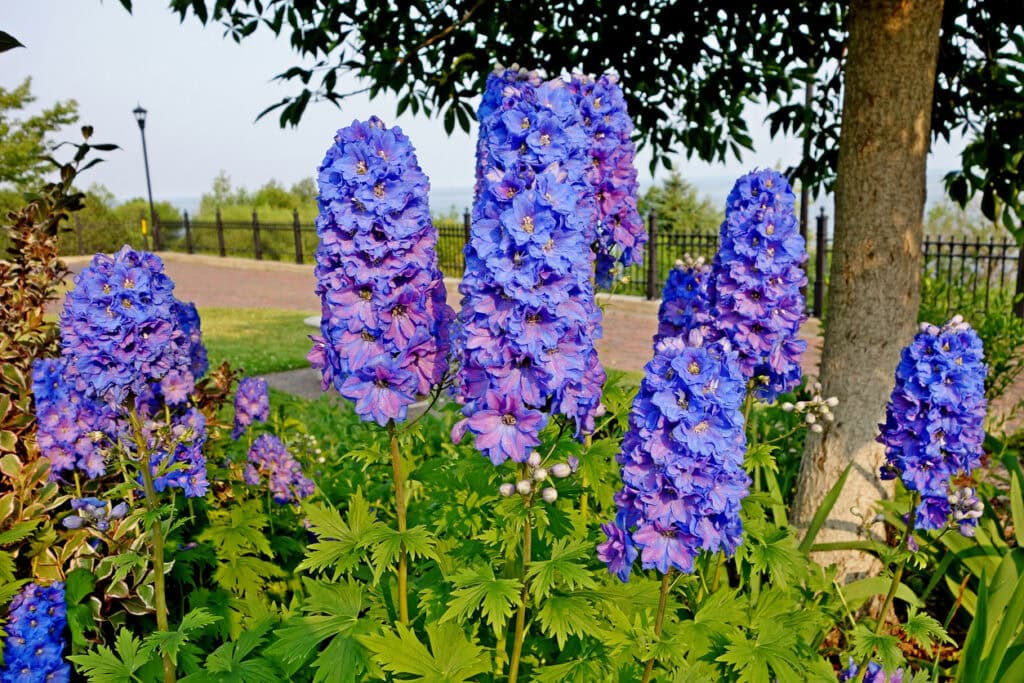
Top-heavy spikes often end up leaning or snapping after summer storms. Once the main flower show ends, cut each spent stalk back to the healthy leaves at the base.
Water deeply afterward if the soil is dry, then add a light layer of compost around, but not directly over, the crown. With a little luck and cooler weather, the plant may reward you with a shorter second flush later in the season.
5. Bellflower
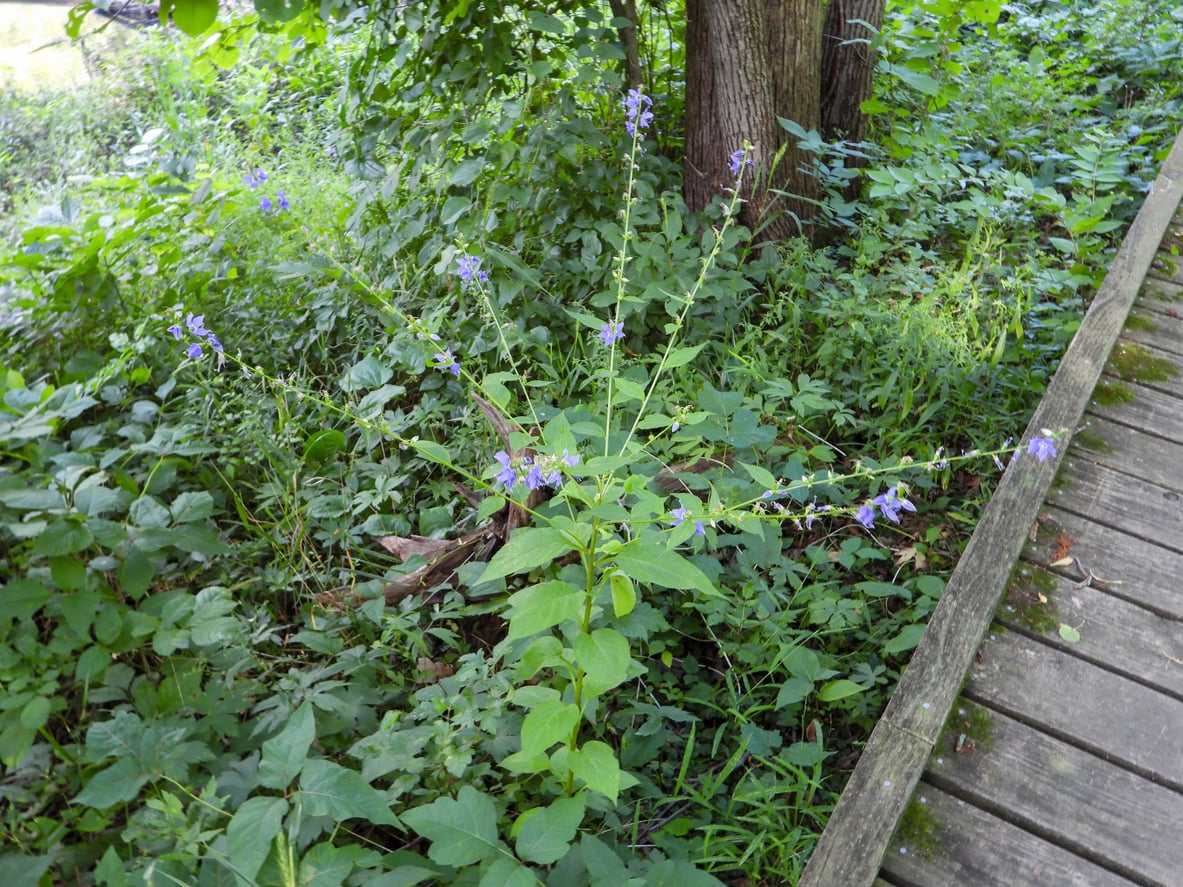
Once the petals drop, upright bellflower stems can quickly turn yellow and stringy. During humid weeks, leaving those dying stems tangled over the crown traps moisture and gives fungal disease an easier foothold.
Trace each spent stalk back to the healthy basal leaves and cut it cleanly. This tidies the clump, improves airflow around the crown, and may encourage a few extra blooms.
6. Speedwell
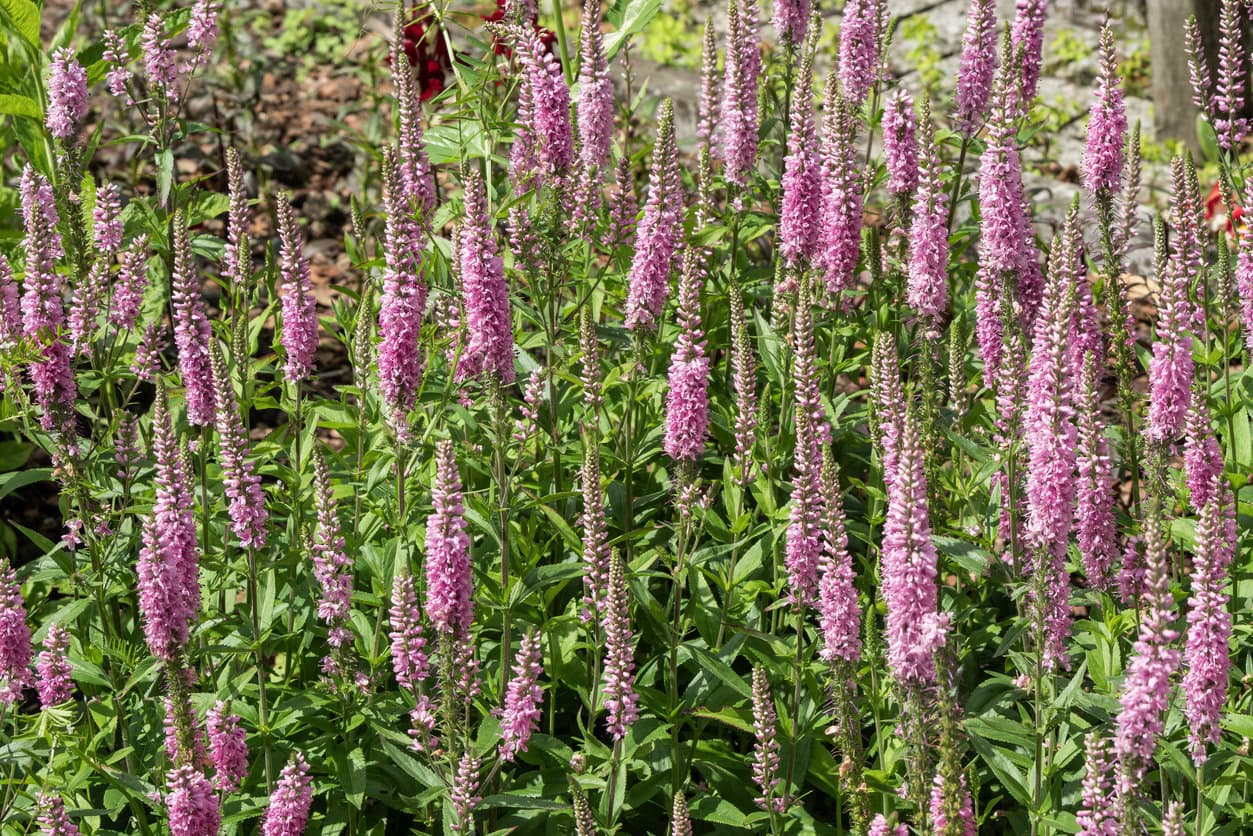
Faded Veronica spikes look like charred matches poking out of a clean border. You do not need to clear-cut the whole clump here.
Instead, use hand pruners to snip each brown spike just above the highest set of healthy leaves. This simple deadheading stops seed production and may encourage the plant to send up a few more flowers.
Quick tip: If the whole plant looks tired rather than just the flower spikes, shear it back lightly instead of cutting it to the ground.
7. Coreopsis
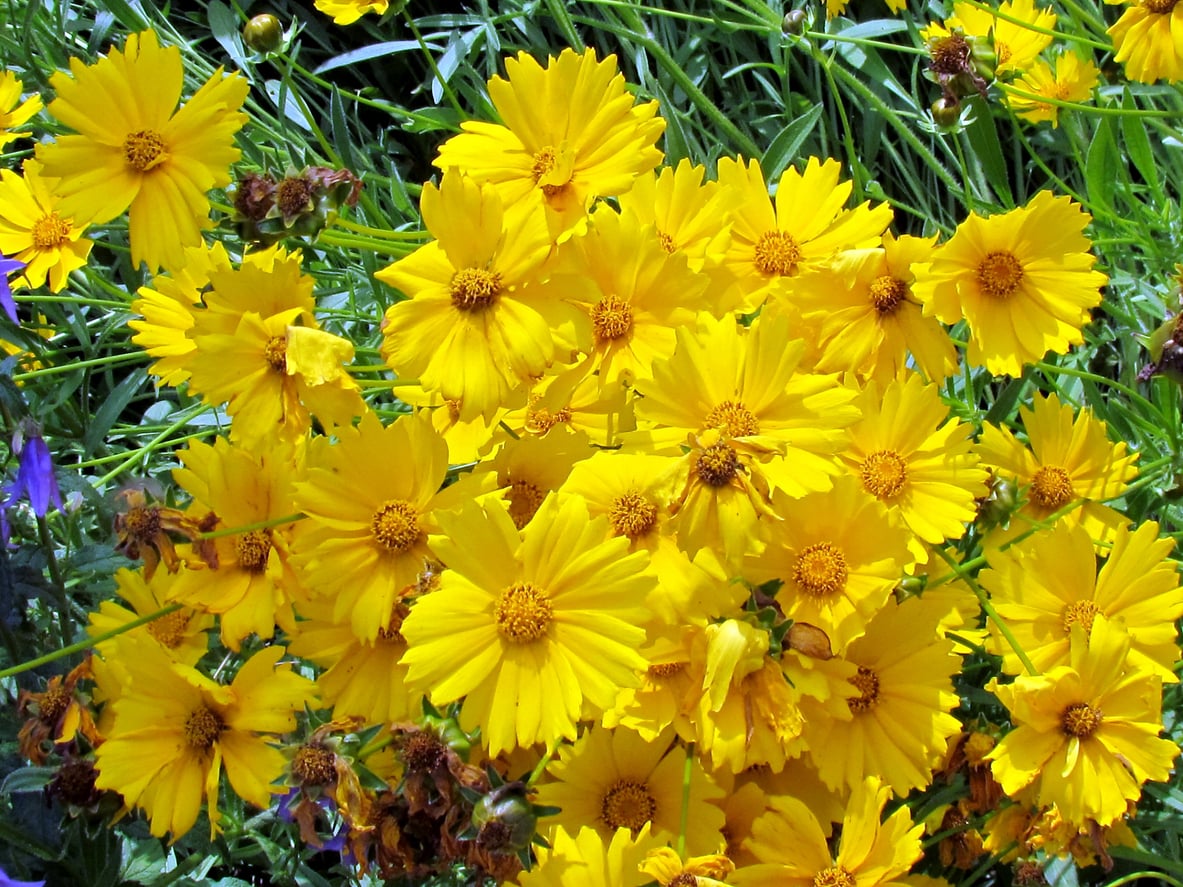
Deadheading threadleaf varieties blossom by blossom is outright tedious. So save your sanity. Once most of the flowers have faded, grab hedge trimmers and shear the top third off the entire mound.
The rough cut clears away the tangled seed heads and encourages fresh growth. Keep the plant watered during dry spells, and it may reward you with another flush of yellow later in summer.
For everything beyond this midsummer trim, we put together a guide on coreopsis care for more blooms and healthier plants.
8. Salvia

By mid-July, faded flower spikes can leave salvia looking dusty and skeletal. Cut the plant back by about half, stopping above healthy green growth.
This clears away the tired stems and encourages a fresh flush of fragrant foliage. With regular watering during dry spells, many varieties may produce a smaller second round of flowers later in the season.
We explain the rest of the routine in our guide on how to keep salvia blooming through summer.
9. Yarrow
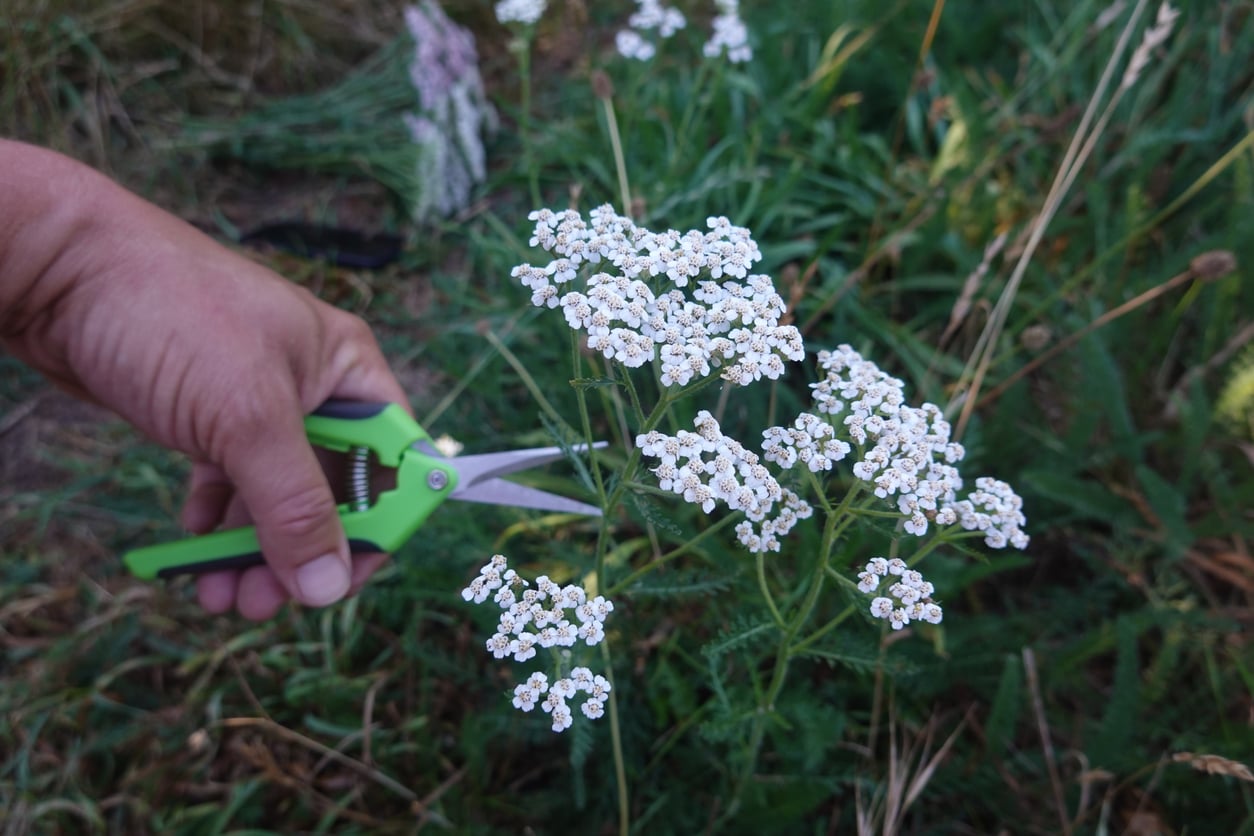
By late July, faded yarrow stems get woody, brittle, and top-heavy. Cut those stalks back to the basal rosette or a healthy side shoot.
Getting rid of that tall framework instantly opens up the border, gives nearby plants more room, and keeps the yarrow looking tight and green.
10. Garden Phlox
By midsummer, powdery mildew often shows up first on the lower phlox leaves and works its way upward.
Once the main flower cluster fades, cut it back to the first pair of strong side shoots. Those side buds may produce a smaller second flush.
Quick tip: If you’re dealing with powdery mildew, remove badly infected leaves, improve airflow around the clump, and throw the diseased clippings in the trash instead of leaving them beneath the plant.
11. Lady’s Mantle
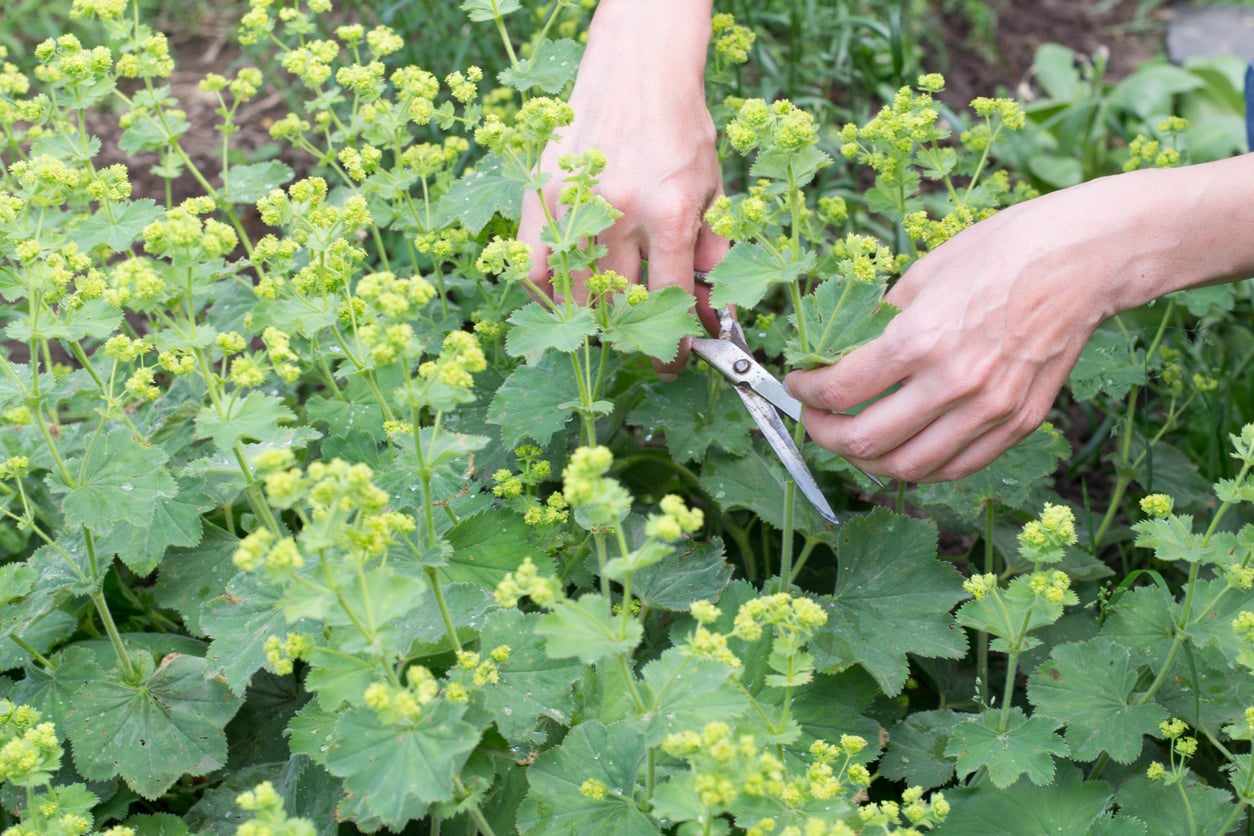
By July, lady’s mantle can look sprawling and tired, especially after the flowers fade and the fuzzy leaf edges start turning brown. Cut the spent stems and badly damaged foliage back just above the basal crown.
This opens up the border, prevents heavy self-seeding, and gives the mound a chance to produce fresh green leaves. Keep the soil evenly moist afterward, especially during hot, dry weather.
Perennial Shearleading Starts With a C-U-T
Putting your perennials through the wringer this month pays off big when temperatures drop. So don’t just hedge your bets on fall color. Clean your blades, check each plant’s growth, and make the cut where it counts.