
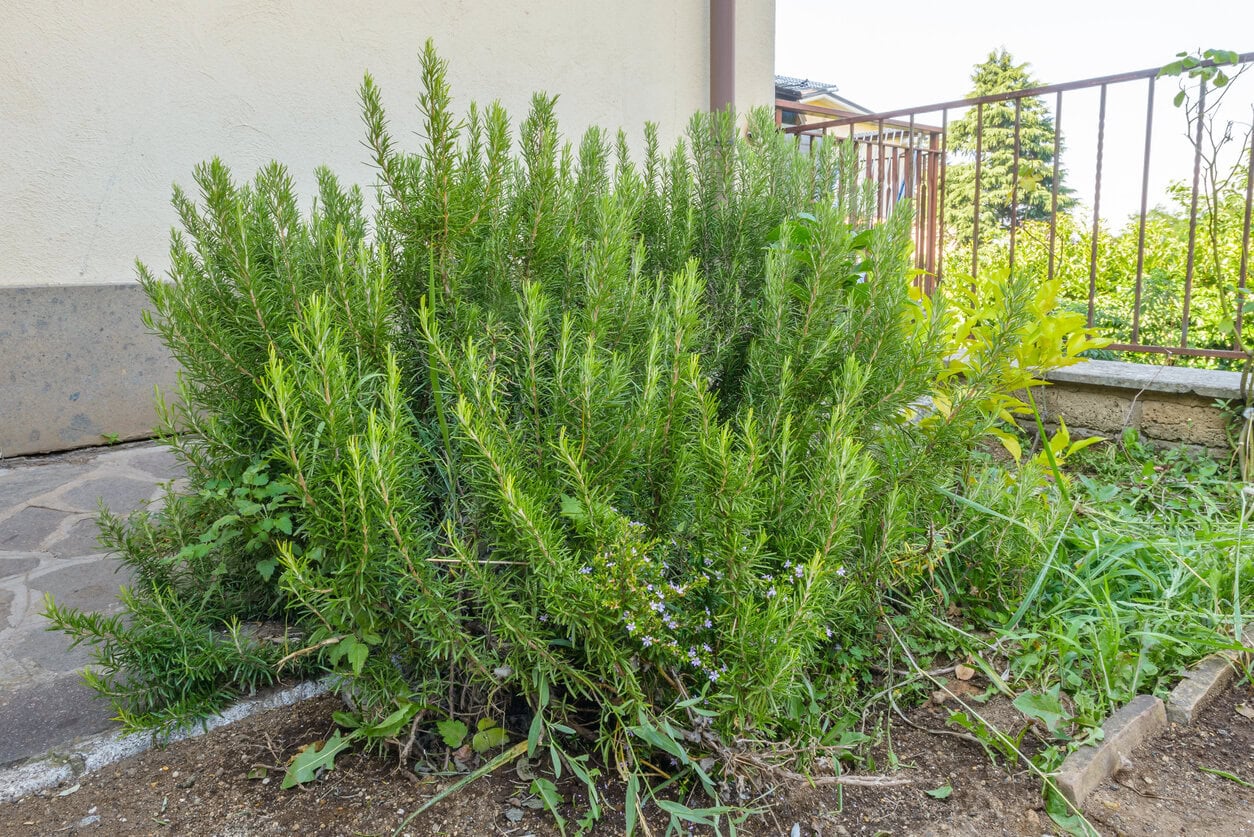
Misty mornings and frosty nights make for one miserable Mediterranean shrub. There’s simply no thyme for laziness when frost is on the prowl.
But wood you believe that a few simple tasks can make all the difference? Sage advice says January determines your spring success. So let’s make sure your herb garden stays mint.
Frost & Filth

Shivering rosemary plants often hide their pain under a layer of soggy garden trash.
Snips and Scabs

Frost creates ice crystals that pierce plant cells, eventually leaving you with mushy and dark stems. These dead ends are an open invitation for fungal infections.
What to do:
You need to use sharp snips to remove only the blackened or soft tissue and cut off the rot before it travels south.
January requires just minor maintenance. Cutting into healthy wood encourages the rosemary to produce tender and vulnerable growth, which is a bold move that the next cold snap will immediately punish. Limit your work to damaged tips so the plant can happily dream of spring warmth.
If you want to go deeper into timing and technique, we break everything down step by step in this guide on when and how to prune rosemary for bushier, more aromatic growth.
Leaves and Litter

While a layer of mulch helps in summer, January moisture can make that floor covering damp and dangerous. Rot and mildew thrive in these dark spaces, waiting for a chance to climb up the main trunk.
What to do:
It is best that you clear the soil surface of every soggy remnant you find. Airflow is the only thing standing between your rosemary and not-so-fun fungi!
Opening up the area around the roots allows the sun to dry the earth and lets your plant breathe. Ruin the plans of any lurking mold!
Rosemary isn’t the only plant that benefits from careful winter pruning either. We put together a full list of perennials you should prune in January and February if you’re working through your garden right now.
Dew & Drainage

Rainwater should visit your garden and leave without making a scene.
Soggy and Swamped

You’ll find a thriving rosemary on rocky and dry slopes where moisture never lingers. So what happens to it during January storms? Roots can’t swim. They’ll suffocate, turn black, and rot away without due notice. Water pooling for hours suggests compacted soil!
What to do:
Try to dig a shallow trench or break the surface with a stiff jab of a garden fork.
You can also elevate the plant or add gravel to the surface to move moisture away from the crown much faster. Speed up the runoff, so your herb stays high and dry.
Sips and Soaks

Dry winter spells play tricks on even the most seasoned green thumb. As you’ve probably seen, overwatering’s lethal!
What to do:
So stick a finger into the dirt to check moisture levels. Soil that feels crumbly and dry at the knuckle is your signal.
Roots gain nothing from frequent and shallow sprinkles that barely dampen the surface. If the soil is truly dry, give them a deep soak during a warm midday window. It satisfies the thirst of your shrub without the risk of freezing overnight. Stop the flow the moment water escapes the drainage holes. If they drip, you skip.
Rosemary doesn’t need feeding this time of year, but if you’re curious which plants actually do benefit from January fertilizing, we rounded them up in a separate guide.
Cold & Creatures

January winds and desperate critters turn your garden into a frozen boxing ring where rosemary takes all the heavy hits.
And if winter keeps battering your outdoor herbs, growing a few favorites indoors can be a lifesaver, we broke down the best herbs to grow indoors all winter by zone.
Walls and Wraps

Icy gales turn rosemary needles into brittle shards.
What to do:
Shield your shrub with a burlap screen, frost cloth or wooden pallets to kill the wind’s momentum before it shatters the foliage.
Plastic covers fail miserably here! They hug the leaves and foster a swampy and frozen rot. Set your barrier a few inches back so the plant breathes while the storm howls.
Potted roots lack deep earth insulation and freeze faster. Swaddle containers in bubble wrap so the soil stays above freezing. Clear drainage holes remain mandatory.
Mites and Monsters

Dense branches hide scale insects and mites that bleed your rosemary dry. They mercilessly drain sap while your shrub shivers in the cold.
What to do:
Regularly inspect inner foliage for sticky residue or suspicious bumps. A sharp blast of water on a mild afternoon clears the stems without any need for chemicals. Keep the interior thin so the wind can reach every nook. Predators might be sleeping, but tiny monsters never take a holiday.
Sunlight and airflow remain your best weapons against a January pest rave. Stagnant air within the dense foliage provides the perfect humidity for mold-loving bugs to multiply.
Pots & Placement
Muddy paths to a stagnant pot invite slow, soggy rot.
Holes and Health

Ignoring the bottom of your containers before a storm is a fantastic way to drown your Italian dinner. Rosemary roots quickly turn into a black and slushy disaster when moisture lingers.
What to do:
Take a screwdriver to the pot’s drainage holes and poke until the path stays clear. Stagnant pots need a lift from bricks or ceramic feet to break the suction against the pavement.
Air must move underneath so the soil can actually dry out before the next freeze. Standing water is a thief that steals the life from your garden with icy hands.
Size and Space

Peeking at the base of your containers reveals if a heavy pot hides a root-bound chaos beneath the surface. Mark the crowded containers on your calendar but let the plant stay snug until March.
What to do:
Air must move freely around every shrub. So keep a gap of at least six inches between your pots to prevent a buildup of moisture.
And while crowded plants might seem warm, the tight setup actually causes slow decay!
If you grow lavender too, many of these winter rules overlap, we covered that in detail in our January lavender care guide for stronger spring blooms.
Sun & Success

Rosemary thrives on grit, sunlight, and a few sea-zoned habits. Stop the rot with less water in the pot. Shield the leaf to provide relief. Check the grit so the roots stay fit. Now let’s hope these tips stick with you longer than your unwanted subscriptions.
Once spring rolls around and your plant starts pushing new growth, it’s also the perfect time to make more plants. We explain exactly how to propagate rosemary from cuttings in a few simple steps.




I never have luck with growing garlic, I’ve tried a few variations but same result.
Any ideas?
Id appreciate it.
I live in West Mackay Q
Hi 😊 Garlic can be tricky depending on timing and heat. In West Mackay you’ll usually get better results with softneck types, planted in the coolest part of the year, in very free draining soil and full sun. Quick question so I can point you to the right fix: are your cloves rotting, staying tiny, or sprouting but never bulbing up? 😅
The most common fixes I know are: don’t plant supermarket cloves, keep watering steady while it’s growing, then ease off once the bulbs start swelling, and make sure it isn’t sitting wet (that causes rot and tiny bulbs). I’ve got a full step by step guide here too: 12 Smart Tips For Growing Garlic Bigger & Better 😊