Amaryllis is one of the easiest bulbs to grow indoors, but it still gives people trouble. Every year I hear the same questions: “Why isn’t mine blooming?” or “What went wrong this time?” and it almost always comes down to a few simple mistakes.
If your amaryllis is refusing to bloom or only putting out leaves, don’t worry. These bulbs have very specific needs, and once you understand their rhythm, they’ll flower reliably year after year.
In this guide, I’ll break down the most common winter mistakes and how to fix each one.
Reasons Why Your Amaryllis Isn’t Blooming & Solutions
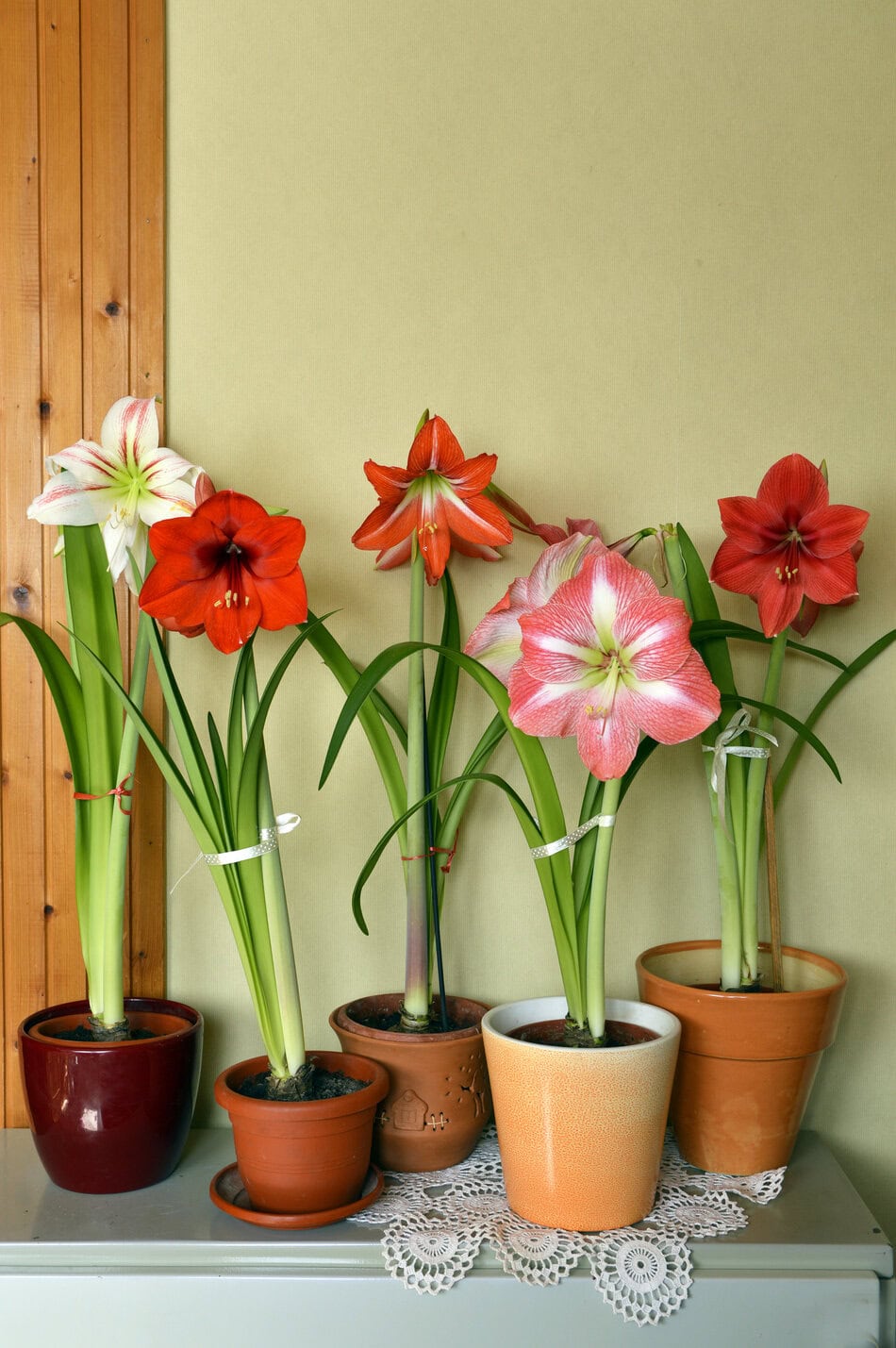
If your amaryllis is all leaves and no flowers this winter, you’re not alone. These bulbs are gorgeous, but they can be a little dramatic when something isn’t quite right.
Most of the time, it comes down to a few small things in their routine that are easy to fix once you know what to look for. Here are the most common reasons an amaryllis refuses to bloom, and what actually helps it bounce back.
Mistake 1: Not Giving Them A Rest Period
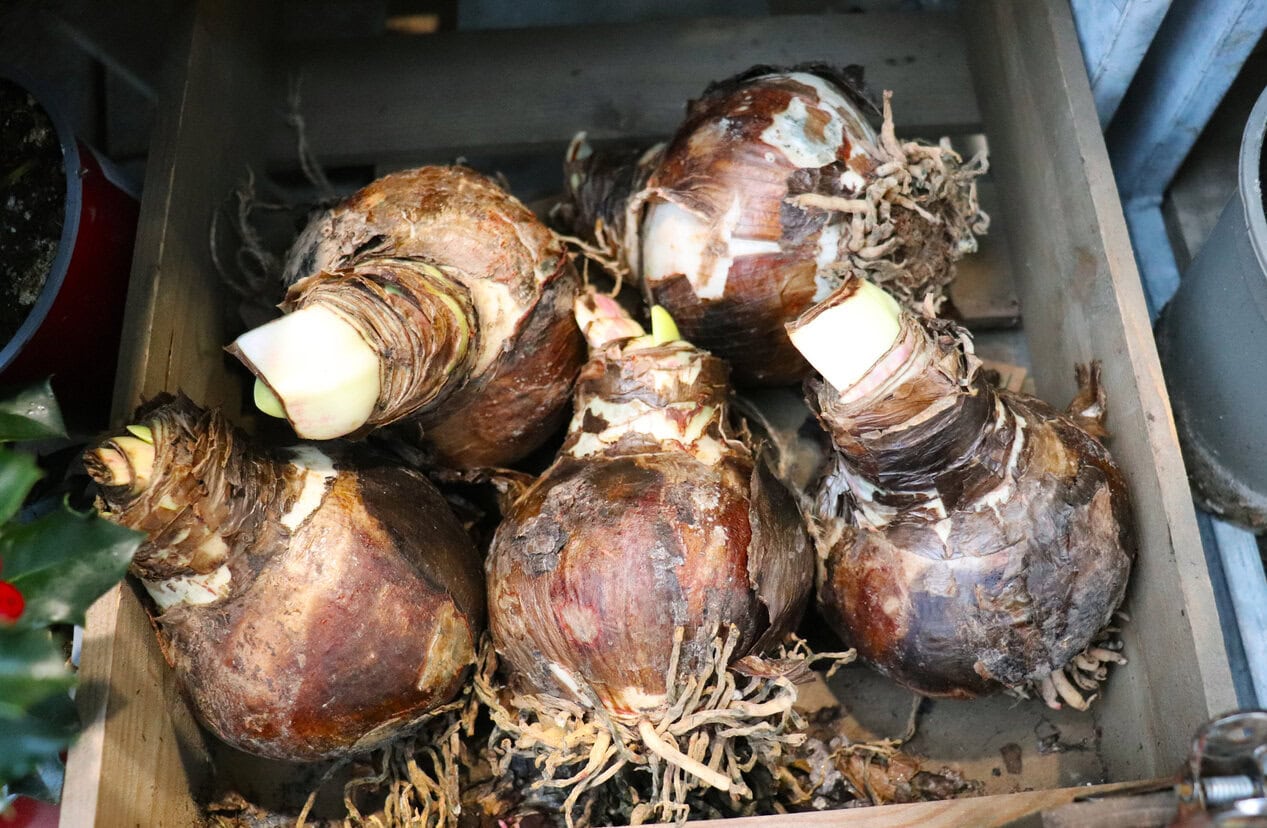
One thing I learned the hard way with amaryllis is that they truly need a break. The first time mine refused to bloom again, it was because I treated it like a regular houseplant and kept watering it nonstop. That’s not how these bulbs work, they need time to rest and rebuild their energy before they can send up another flower stalk.
Now, when summer starts winding down, I stop watering and let the leaves fade on their own. It never looks pretty, but those fading leaves are still feeding the bulb, so I leave them alone.
Once they’re completely dry, I pull the bulb from its pot and tuck it away in a cool, dry place (around 50-55°F / 10-13°C) for about 6-10 weeks. No water, no bright light, just total rest.
When I bring it back out and start watering again, it reliably wakes up and pushes up new growth. That simple rest period made all the difference, and it’s the one step most people skip without realizing how important it is.
Mistake 2: Planting The Bulbs Too Deep

I’ve also made the mistake of burying an amaryllis bulb way deeper than it wanted to be. If you’re used to planting tulips or daffodils, it feels natural to cover the whole thing, but amaryllis hates that. When it sits too low in the soil, it struggles to bloom and is much more prone to rotting.
These days, I always keep the bulb sitting high in the pot. It looks odd at first, but it works.
What I do now is simple: I only bury the bottom of the bulb, just enough to cover the roots, and I leave the “neck and shoulders” exposed above the soil. About one-third of the bulb should stay visible.
Ever since I started planting them this way, the bulbs have stayed healthier and bloomed far more reliably.
If you like timing your blooms for December, this guide on scheduling amaryllis planting for holiday flowers walks you through how to get them to open right on time.
Mistake 3: Using A Pot That’s Too Large

Another thing that tripped me up early on was using a pot that was way too big. I thought giving the bulb plenty of room would help it grow, but with amaryllis, extra space only encourages it to build more roots instead of producing a flower stalk.
What finally worked for me was choosing a pot that’s just slightly bigger than the bulb, about 2–3 inches wider, no more. A snug pot keeps the plant focused on blooming instead of spreading out underground.
Quick tip: I also prefer using a heavier pot now. Once those tall flower stalks show up, a lightweight pot can tip over easily. And I don’t repot unless the bulb has truly outgrown its container, which usually takes three or four years.
Mistake 4: Not Providing Enough Light After Dormancy

Once an amaryllis comes out of its rest period, it needs a good amount of light to get going again.
I used to tuck mine in a cozy corner after repotting it, thinking it would be fine, but all I got were long leaves and a weak, stretched-out stalk. Amaryllis will always grow toward the light, and if it doesn’t get enough, blooming becomes an afterthought.
Now, as soon as I wake mine up from dormancy, I move it straight to a bright spot. Bright, indirect light is perfect, something like a south- or west-facing window. I rotate the pot every few days at first so the growth stays even and the stalk doesn’t lean too much.
Once a flower stalk finally shows, I stop moving it around. Amaryllis likes stability during blooming, and keeping it in one spot helps it grow strong and straight.
And if you enjoy having flowers indoors during winter, this overview of which bulbs can be forced inside in fall is a helpful read.
Mistake 5: Overwatering Or Underwatering
Watering is one of the easiest places to go wrong with amaryllis. I’ve learned that these bulbs are surprisingly sensitive!
What really causes problems, though, is watering inconsistently.
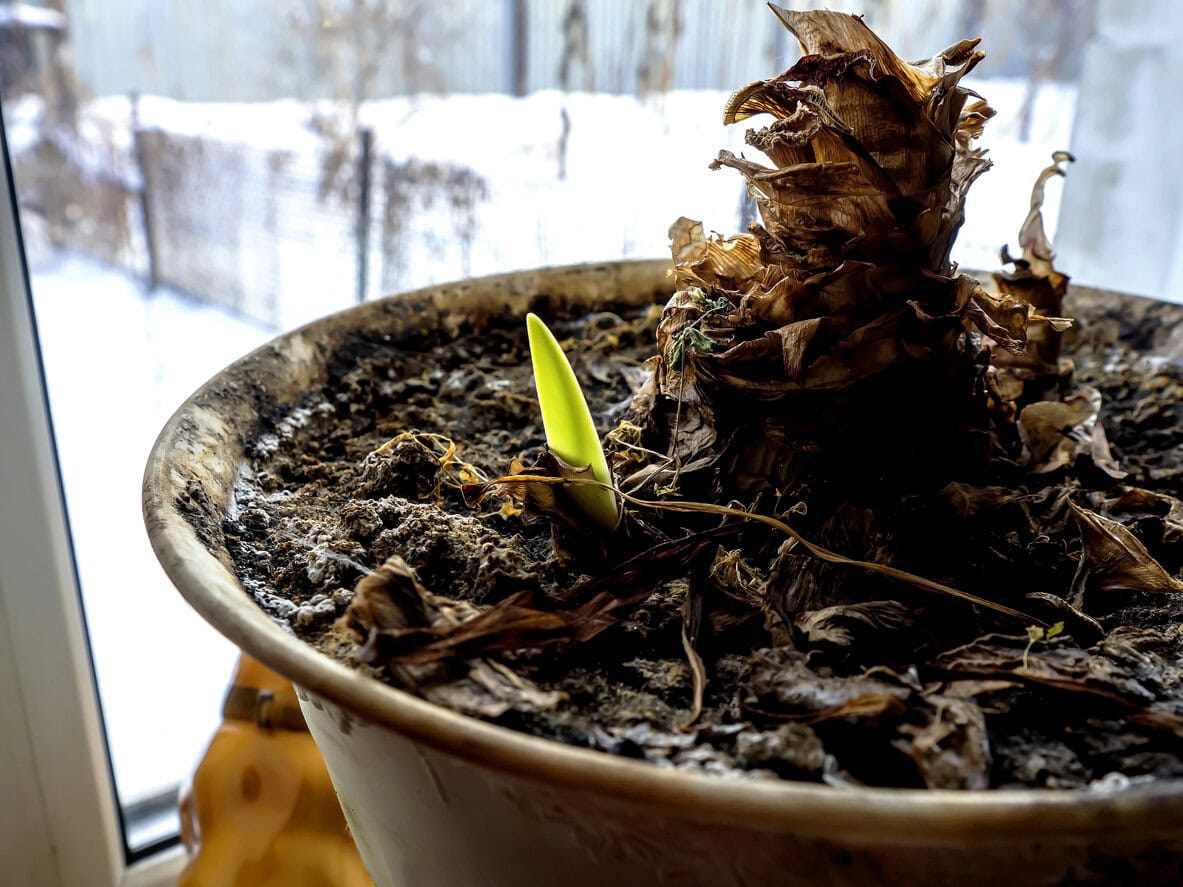
After the bulb comes out of dormancy, I water very lightly at first. I wait for signs of new growth before settling into a regular routine. Once it’s actively growing, I only water when the top inch of soil feels dry. Amaryllis doesn’t like sitting in soggy soil, so I always make sure the pot drains well and never let water collect in the saucer.
Quick tip: During the dormancy period, I don’t water at all! Keeping the bulb completely dry while it rests is one of the most important steps for healthy growth later.
Mistake 6: Wrong Temperature
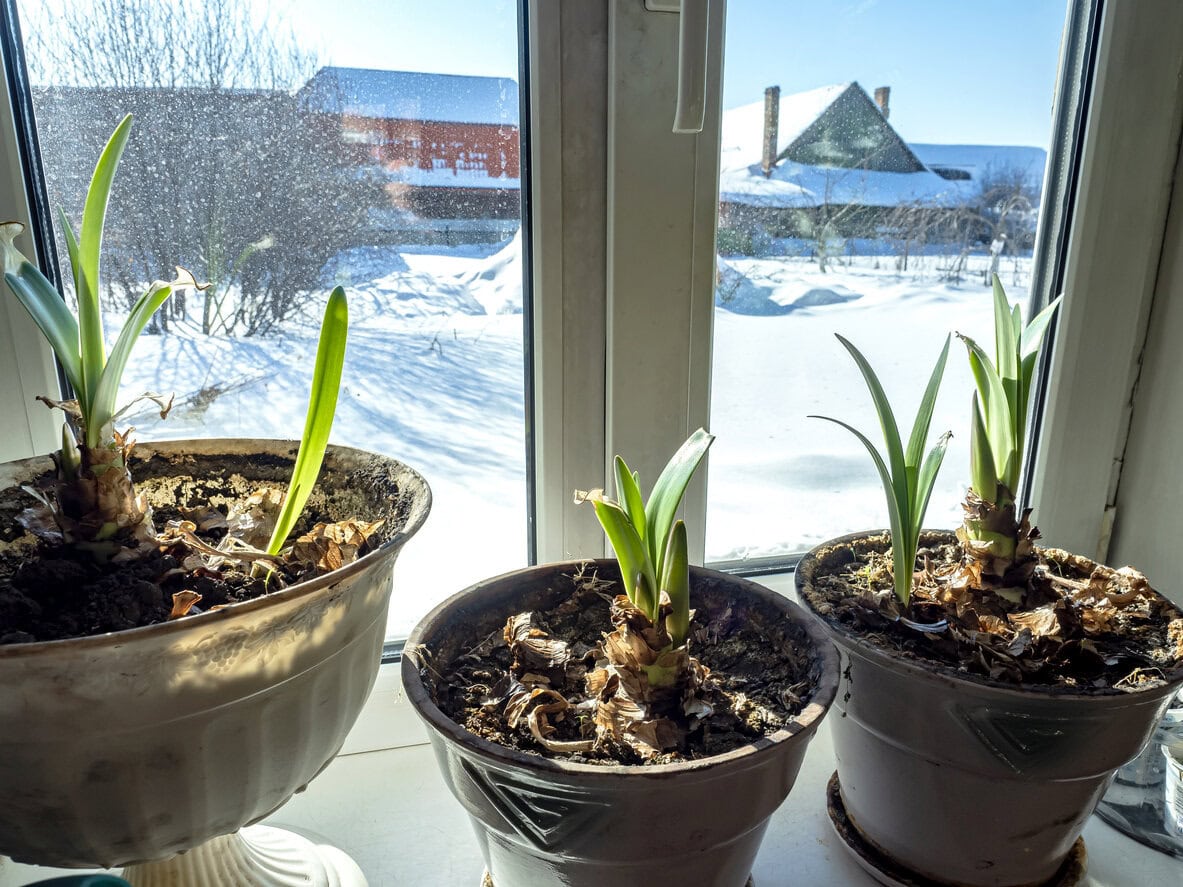
Amaryllis can be fussy about temperature. I used to keep mine wherever there was space (near a heater or right on a cold windowsill) and it always showed in the weak growth and lack of blooms. These bulbs really prefer steady conditions.
What works best for me now is keeping them in a stable spot:
And I never place the pot on a chilly windowsill in winter. Cold roots can delay the bloom or stop it altogether. Keeping temperatures steady makes a noticeable difference in how strong and healthy the flower stalks turn out.
And if you keep poinsettias during the holidays too, here’s a simple guide on how to get the bracts to turn red againat the right time.
Mistake 7: Skipping Fertilization Or Over-Fertilizing
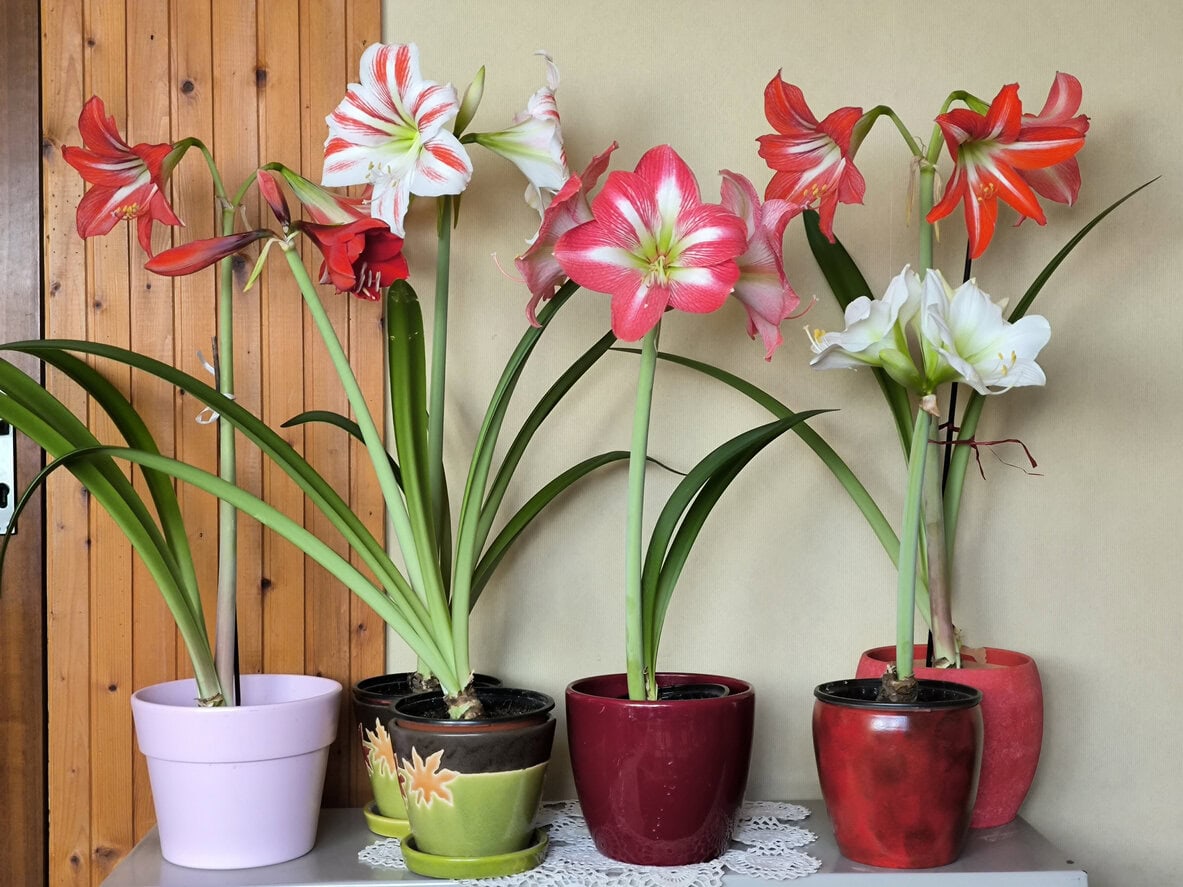
Amaryllis uses up a lot of nutrients to produce those big blooms, so the soil can get depleted quickly.
I used to forget to feed mine after it flowered, and the next year the bulb barely had the strength to grow. But overdoing fertilizer can cause just as many problems, especially with soft, weak growth.
What works for me is keeping it simple! I stop fertilizing before and during dormancy, then once the plant starts growing again, I feed it with a balanced liquid fertilizer every 2-3 weeks. Something like a 10-10-10 or 20-20-20 blend keeps the bulb strong and ready for next year’s flowers.
And if you’re also trying to sort out a stubborn christmas cactus, this guide on why it sometimes won’t bloom and what actually fixes it is really useful.
Your Amaryllis Calendar
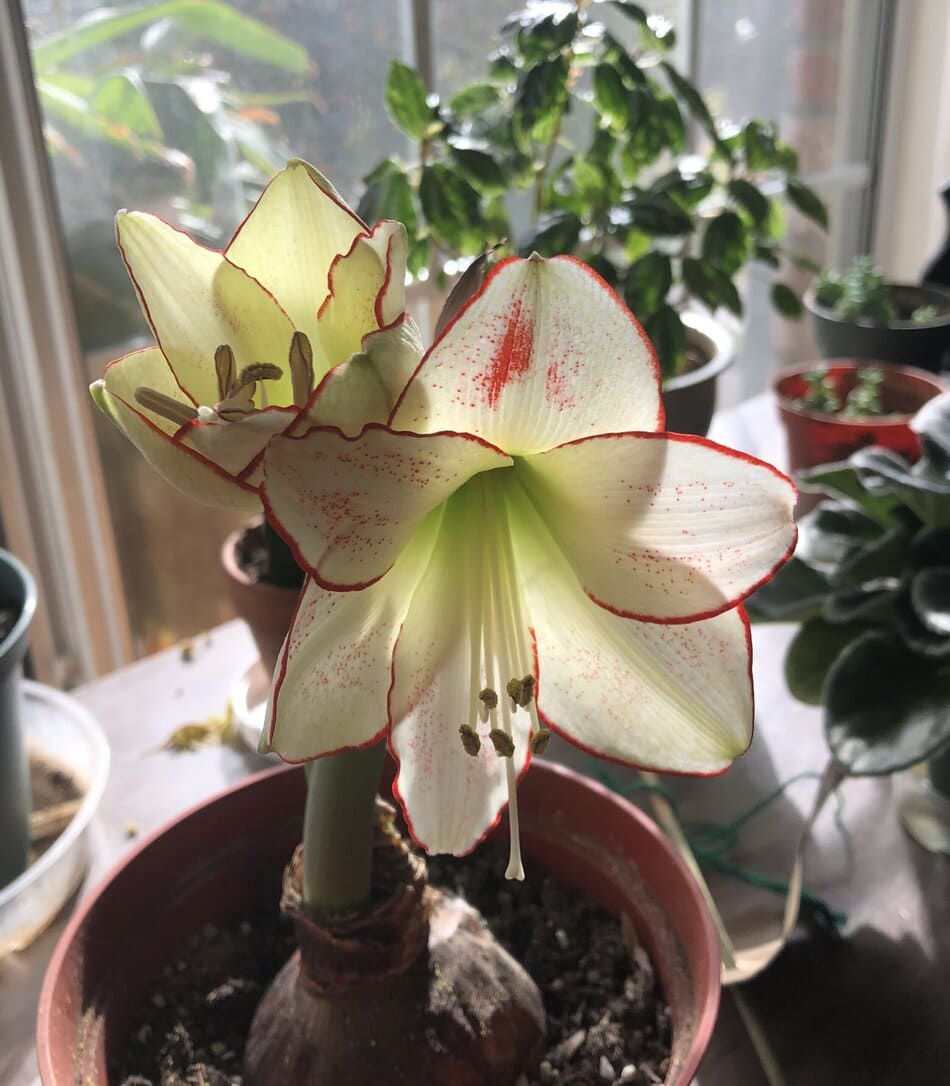
If you’re new to amaryllis, the yearly routine can feel a little confusing. They grow, bloom, rest, and wake up again on their own schedule, and knowing when each stage happens makes everything much easier.
Here’s a quick, easy timeline that shows exactly what to do and when, based on the same steps I follow with my own bulbs:
Once you understand the rhythm of an amaryllis, it becomes one of the most rewarding bulbs to grow indoors. Follow the cycle, give it the rest it needs, and you’ll enjoy strong, reliable blooms year after year.
If you like following plant routines, you might also enjoy this christmas cactus care calendar, it lays out the exact blooming cycle step by step.