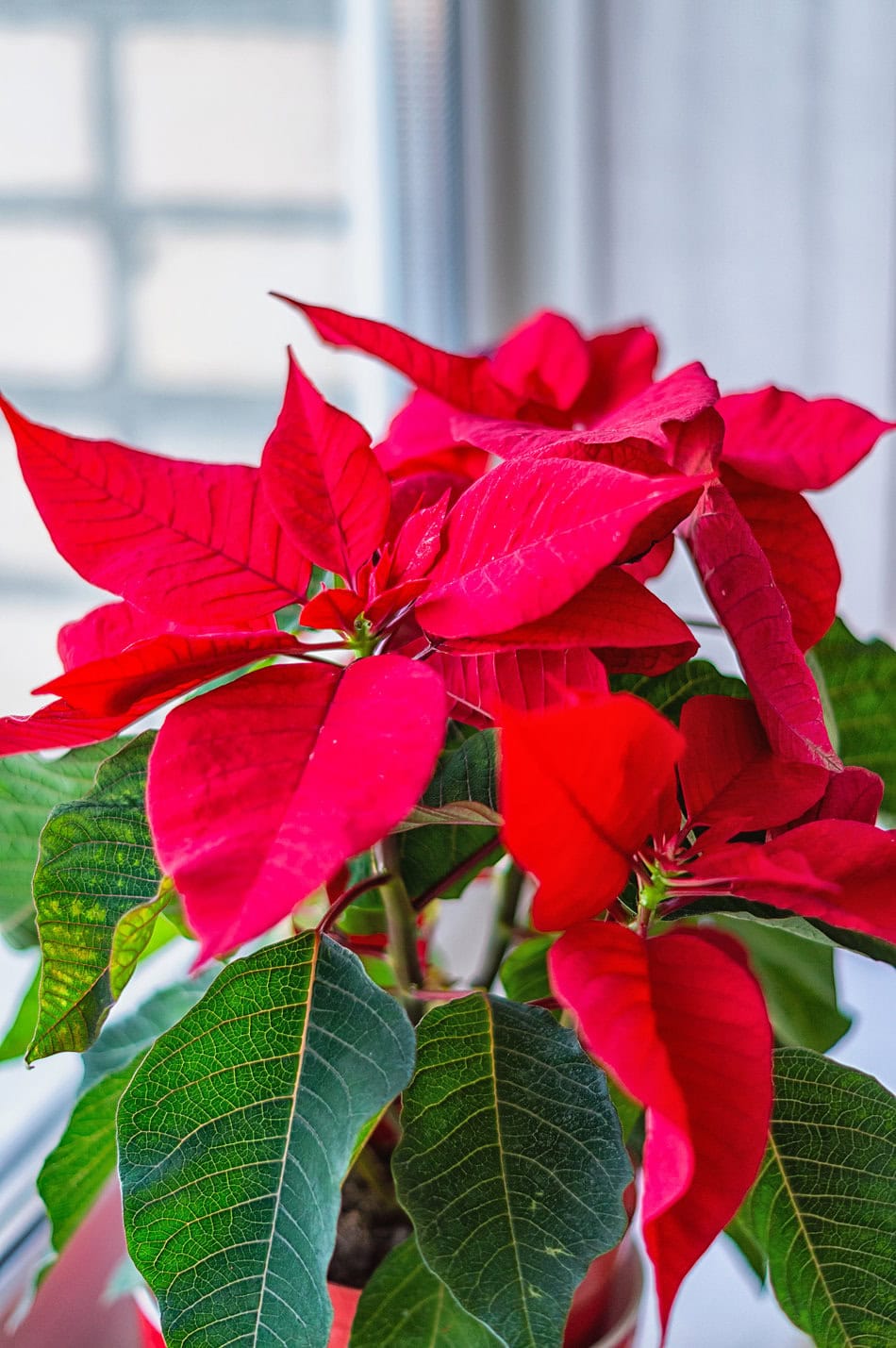
The Poinsettia is not a Christmas decoration but a houseplant with feelings, wearing a red holiday party costume for your sake.
And yet, every January, an average gardener ponders: Do I toss the green stick out, or do I dedicate a large part of my life to appeasing my tropical housemate? I say, don’t send the plant packing.
If you wish to prove you’re worthy of a perennial relationship, stop treating Poinsettia like it’s disposable.
From Stick to Scarlet and Back Again
Plantfare (n.): The relentless, prolonged, and occasionally futile domestic struggle to maintain the aesthetic and actual well-being of non-native but highly demanding houseplants. The term encompasses a full year of battling root rot, dust, poor lighting, and the plant’s own inherent, passive aggression. The word didn’t exist until now.
If you’re already thinking ahead to your next holiday bloom, don’t miss our post on how to schedule amaryllis planting so your bulb blooms right when you want it.
Phase 1: The Post-Party Crash & The Ugly Stick Syndrome (January-March)

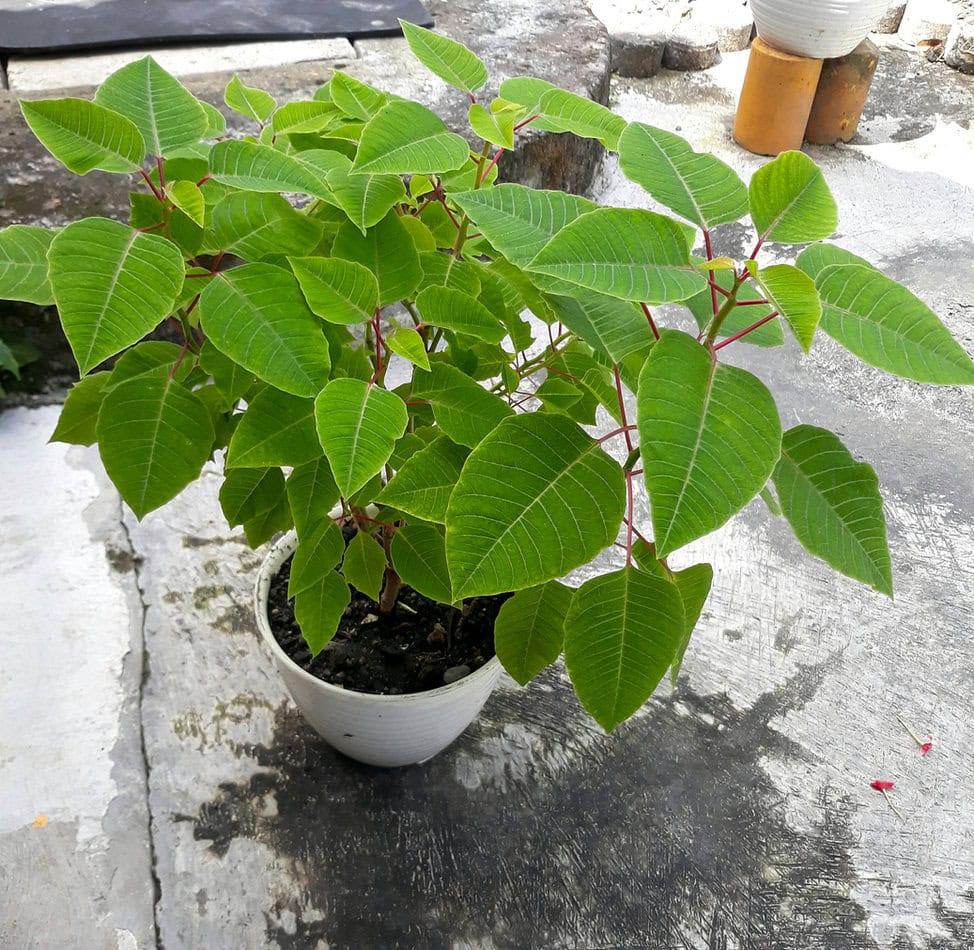
The colorful bracts will fade, drop off, and turn your plant into your bald uncle lookalike. Naturally, your plant needs a period of dormancy, like we all do after days (nights) of partying.
That’s essential for stimulating fresh, bushy, and strong growth later, which prevents a tall and awkward stalk. This first phase is appropriately dubbed the “ugly stick” era.
Phase 2: The Spring Awakening & The Upgrade (March-May)

The party is back on when green growth suddenly appears from the pruned stems. Repotting comes next.
And skip the cheap dirt. Your plant expects a high-quality, fresh, and well-draining potting mix. Or it’ll literally bite the dust.
And remember: you are paying the plant’s rent, so it had better start performing like Lady Gaga.
Phase 3: Pinching During Summer Vacation (June-September)
Since poinsettias are tropical plants native to Mexico, they can only live outdoors year-round in Zones 10-12.
Natural and strong summer light is essential for energy storage. However, harsh afternoon sun is way too intense, and exposure will quickly torch the leaves.
Keep doing this every few weeks until early September. After that date, stop all pruning. Pinching is the secret to a full, dense, and truly magnificent shrub, but new stems need time to fully mature for the critical color change.
Phase 4: The Great Crimson Comeback (Late September-December)

Your commitment is truly tested here. Poinsettias are photoperiodic, meaning they require regular selfies. Kidding. It means you need to trick the plant into thinking it is the depths of winter. Initiate the strict blackout in October.
I suggest you place the plant in a pitch-black closet or cover it with a truly opaque box at 5 in the afternoon and not uncover it until 7 in the morning. Continue this light (dark?) ritual for eight straight weeks.
And if you love keeping your holiday plants alive long after the decorations are gone, check out our Christmas Cactus Care Calendar for a month-by-month routine that guarantees blooms right on time.
The What-Ifs and Now-Whats of Poinsettia Care
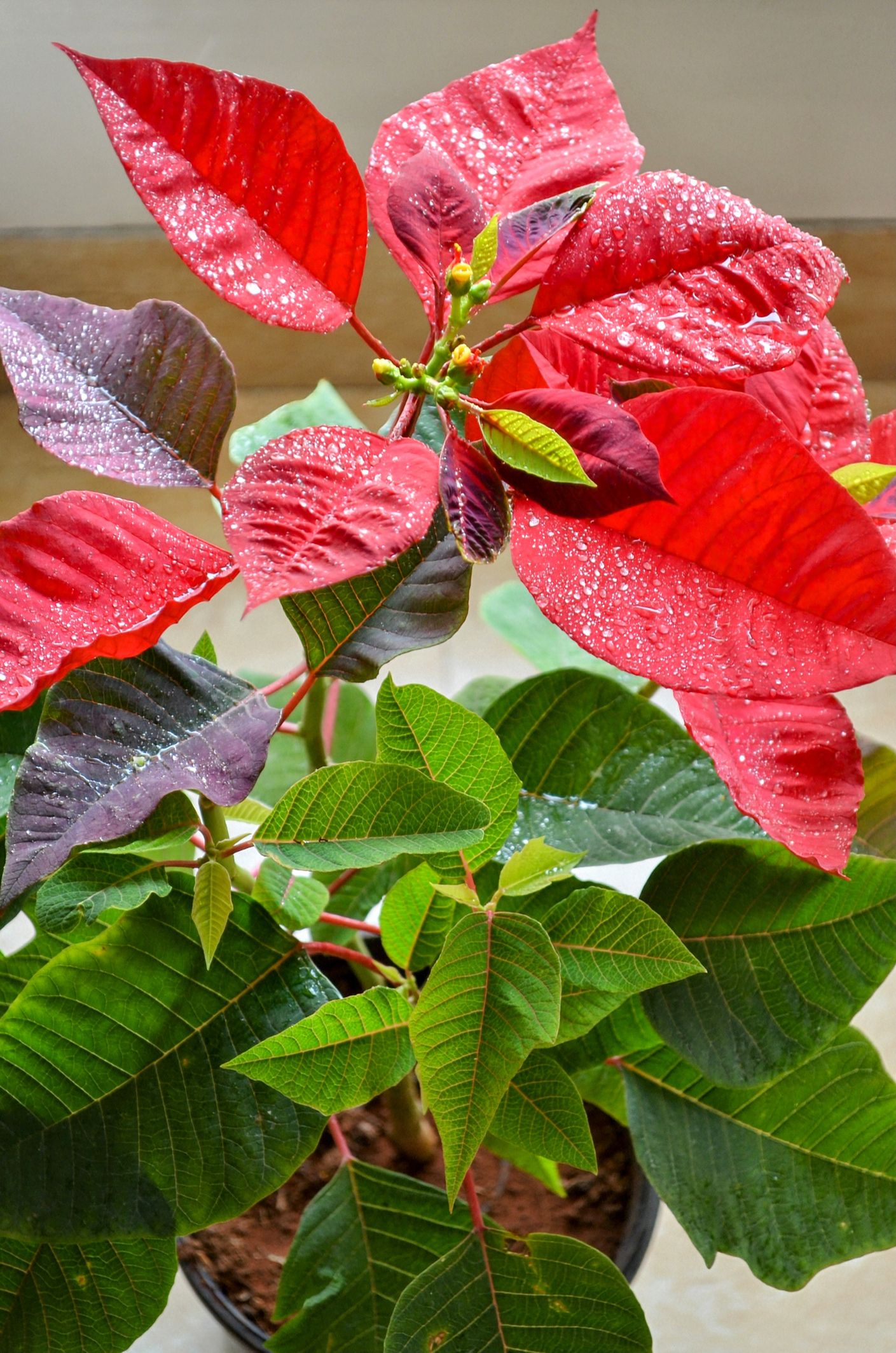
During eight months of relentless Poinsettia plantfare, it’s common for a few problems to arise.
If the bracts remain stubbornly green, check the closet for light leaks. The plant saw something it shouldn’t have, and you must reset the entire production.
Leaf drop, the most common failure, is always a result of watering mismanagement. Either the plant is swimming in root rot or dried out like jerky. It is never complicated, unless you make it so.
And even if a few things have gone sideways, don’t go sitting in sackcloth and ashes. Consider this year a necessary trial run. You proved your impressive dedication. You’ve earned mine and the plant’s reluctant respect until next January.
Want to take care of more indoor gems? Also check out our guide on how to make a ZZ plant flower, yes, it’s possible, and we’ll show you how!