Weeds can be a real nuisance in the garden, especially if you have a large enough area and an itch for constant tidiness.
Fortunately for you, there are hundreds of ways you can combat weed growth, but some methods definitely tend to work much more effectively than others.
In today’s article, I’ll take you through my particular list of homemade weed killer recipes that I have tried and have proven to be effective every single time. Let’s jump straight into it!
Should You Choose A Homemade Weed Killer?
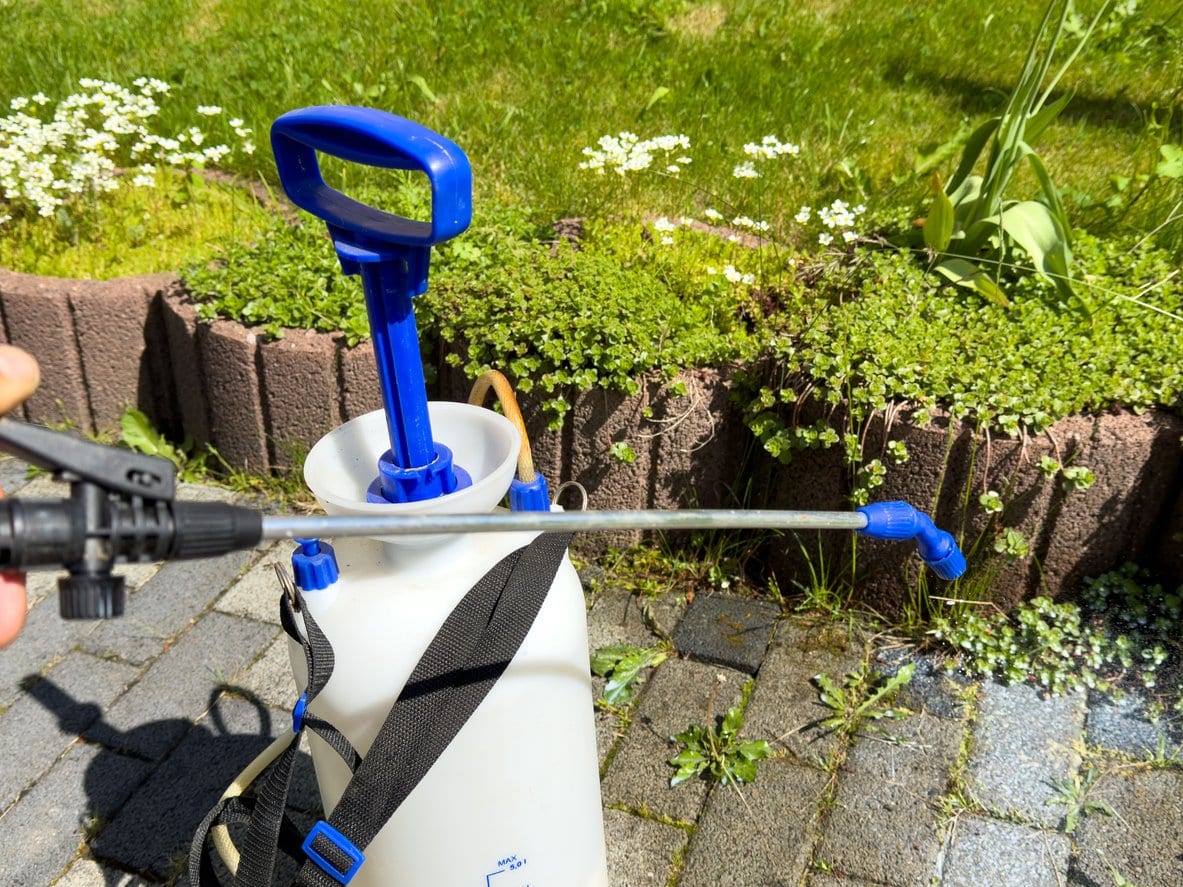
Yes! While you can use store-bought weed killer sprays and similar products from the store, the problem with them is that they often contain harsh chemicals that can indirectly harm your plants.
Homemade weed killer recipes typically include natural ingredients that are not only much safer but also cost-effective.
Simple Homemade Weed Killer Recipes
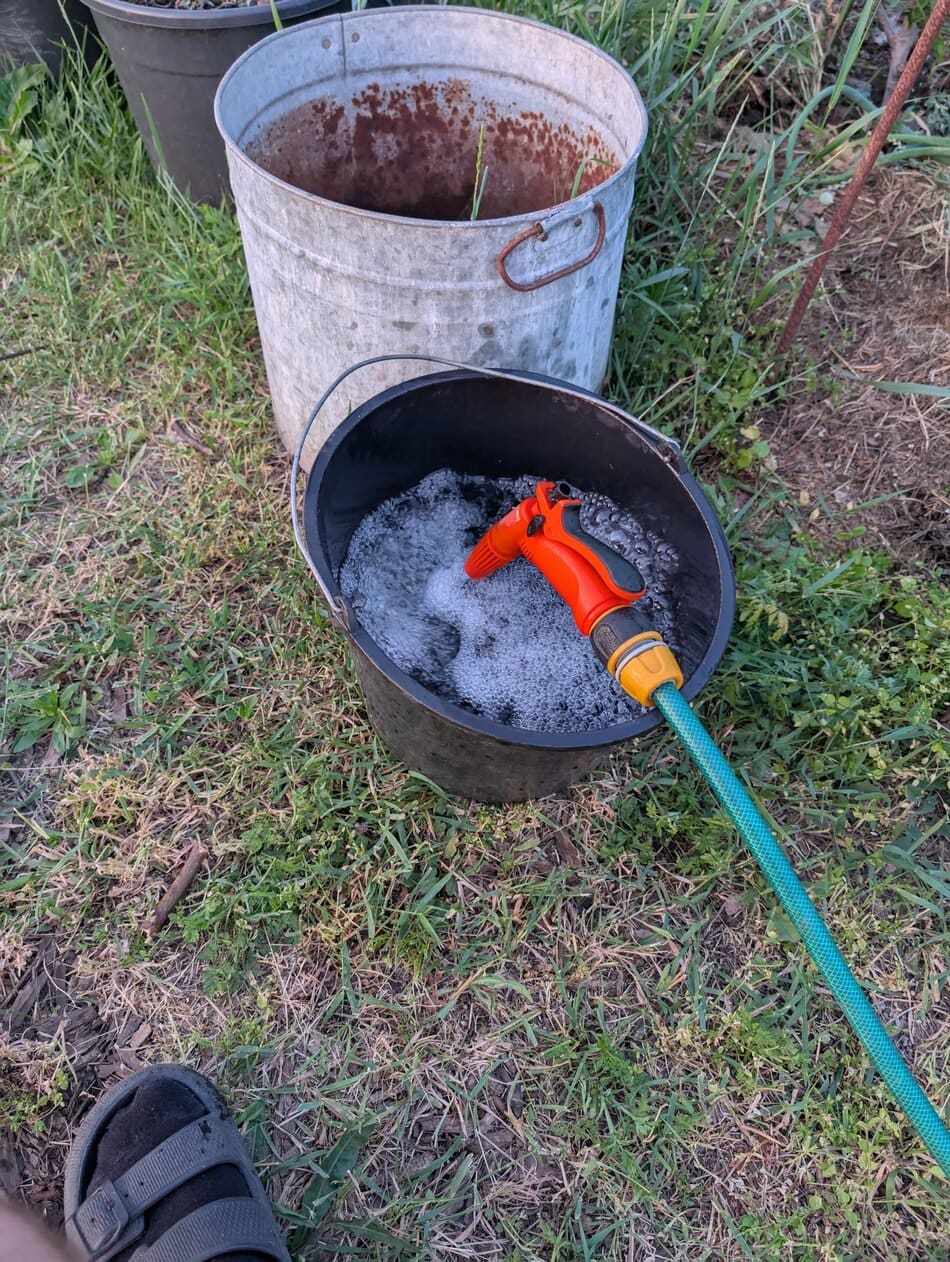
1: Vinegar, Salt & Soap Weed Killer
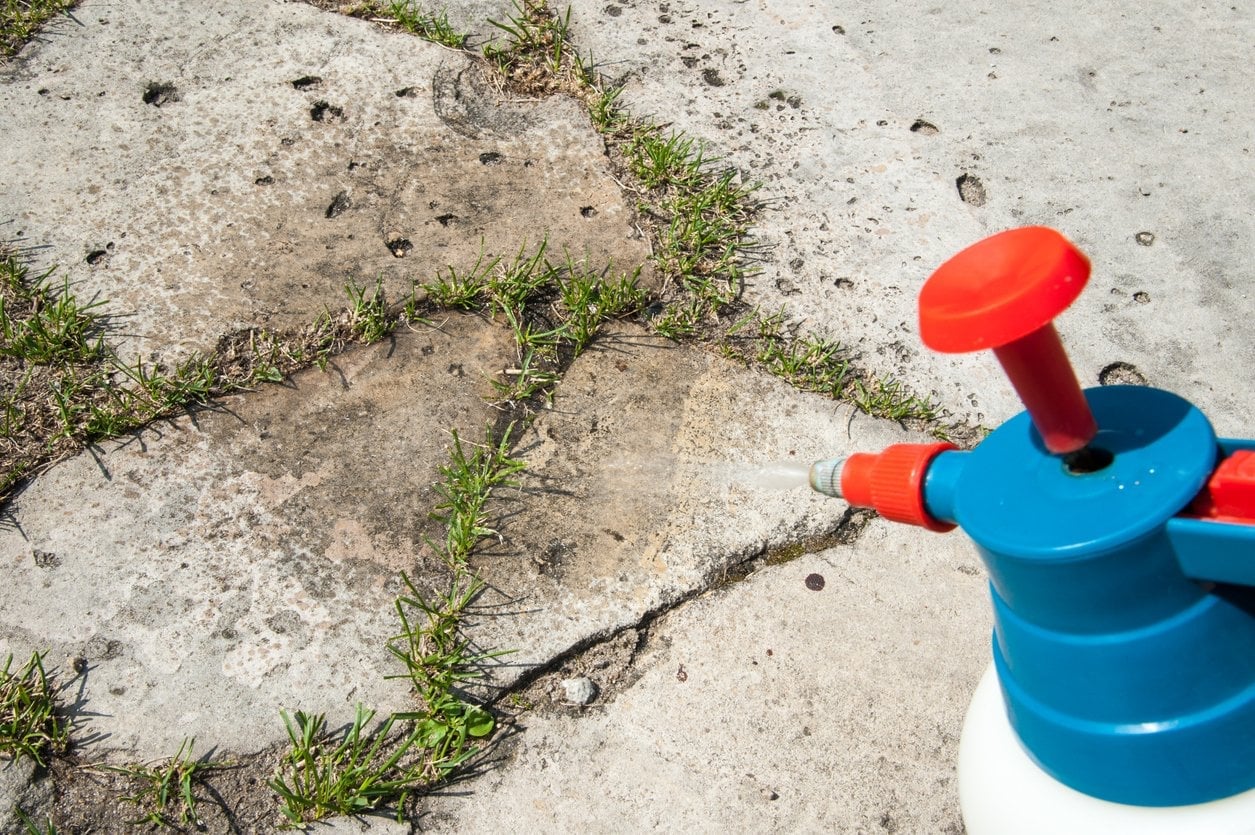
Mix 1 gallon of white vinegar with 1 cup of salt and 1 tablespoon of dish soap, and cover the weeds with this mixture thoroughly on sunny, dry days for the fastest kill.
This recipe works best for killing weeds along driveways, sidewalks, and areas other than the lawn.
Important tip: Don’t use this mix on lawns or garden beds, as salt can ruin soil long-term!
And if you’d rather stop weeds before they even pop up, here are some fast-growing groundcovers that keep weeds in check.
2: Boiling Water Weed Killer
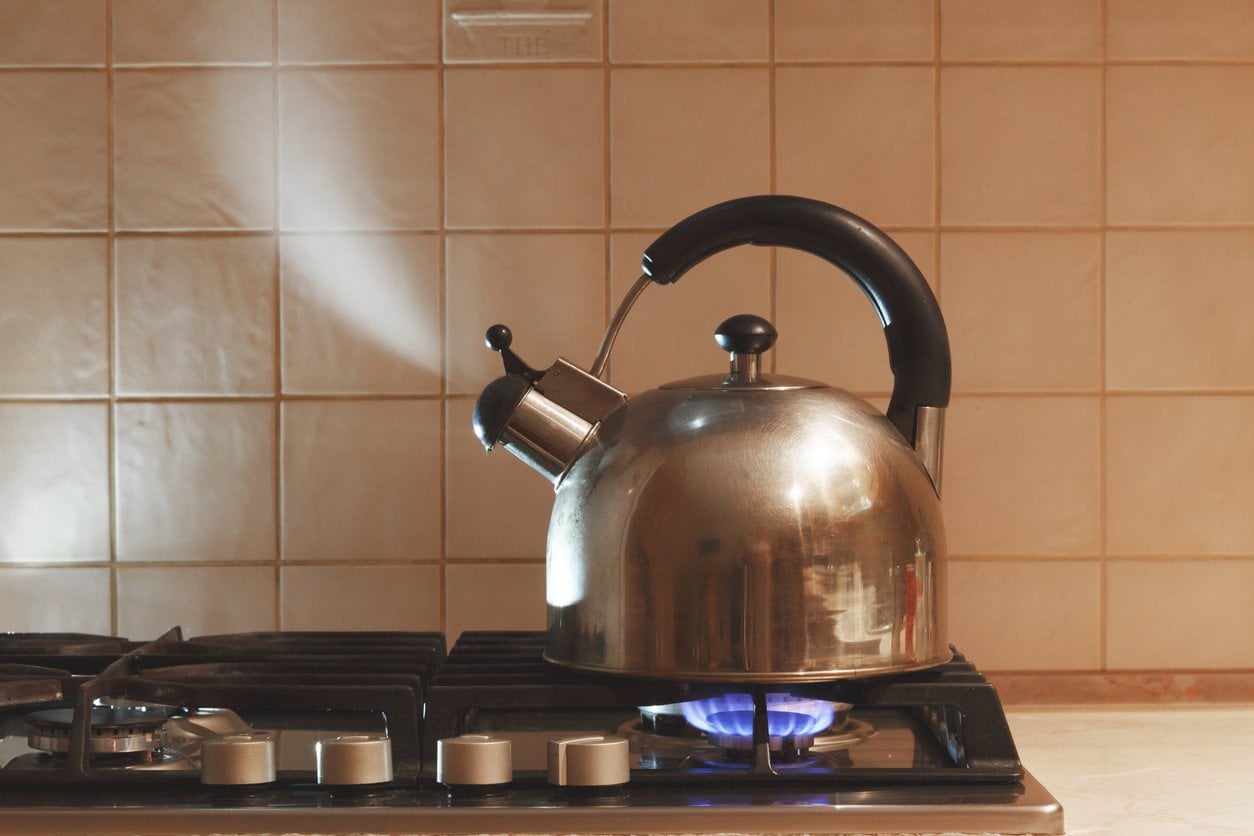
While this method might sound a little strange, you want to boil a full kettle of water and pour it straight onto the weeds growing in between cracks or gravel.
Of course, you want to go this route in small areas where you don’t actually mind killing everything around, since the hot water is more than likely to do that. It’s simple, free, and surprisingly effective for paved areas
For bigger-picture strategies, here’s the beginner’s guide to a weed-free garden.
3: Baking Soda Solution

The baking soda method is classic. Sprinkle about 1 teaspoon of baking soda directly on damp weeds and watch them disintegrate in no time. This works best for spot treatment in smaller areas like around patio edges and narrow driveways.
Important tip: This is not a long-term solution and works best for newly grown weeds. Just like the vinegar salt mixture, don’t use on lawns or garden beds, overuse can damage the soil.
Baking soda is more versatile than you might think, here are other clever ways to use baking soda in the garden.
4: Lemon Juice Spray
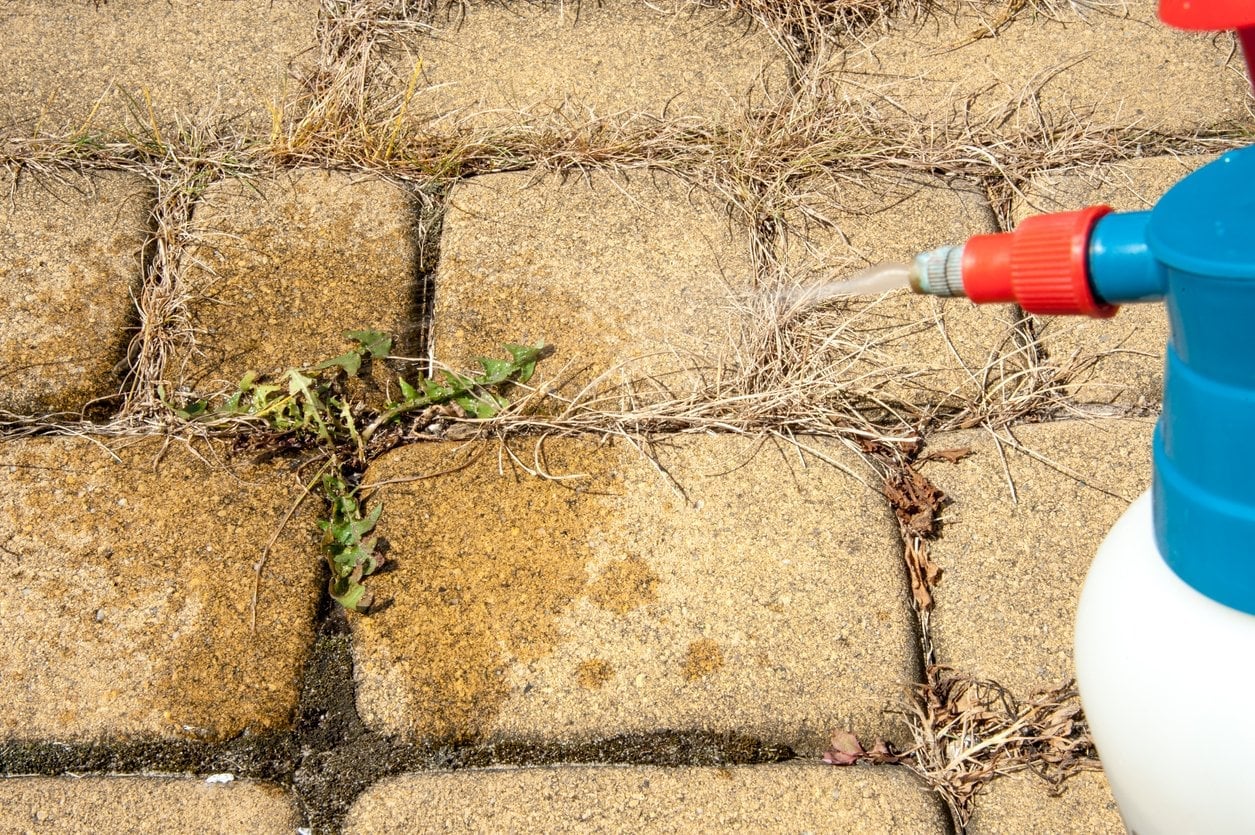
You can make homemade lemon juice sprays by combining ½ cup of lemon juice with 1 quart of water in a spray bottle.
This works best for young weeds and when the sun is shining bright outside. The citric acid in the lemon juice combined with strong sunlight burns leafy weeds quickly.
If walkways are a trouble spot, you’ll like this guide on how to create weed-free paths in your vegetable garden.
5: Cornmeal Pre-Emergent
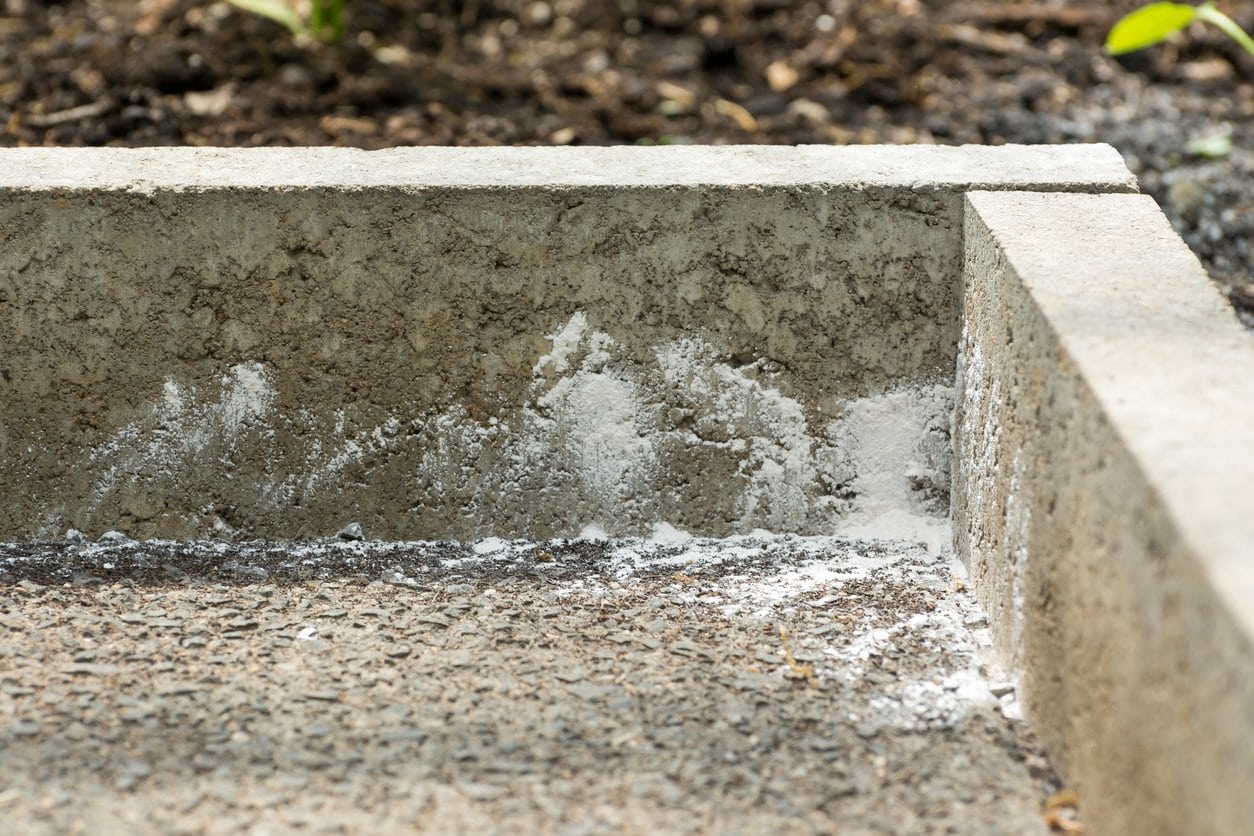
Use about 2 pounds of cornmeal evenly over every 100 square feet of soil. Spread it evenly around your garden to limit weed sprouting. Do keep in mind that this is more of a prevention technique rather than a complete cure.
Important tip: Don’t use this one around any newly planted seeds. It prevents seed germination (including veggie seeds).
6: Soap & Vinegar Mix

Mix 1 gallon of vinegar with 2 tablespoons of dish soap (keep it concentrated), and spray this mixture on leafy weeds till they’re completely coated.
The soap helps the vinegar stick to leaves better and erode weeds more effectively. This is one of my many genius gardening hacks that make everyday garden work easier.
7: Mulch & Newspaper Method
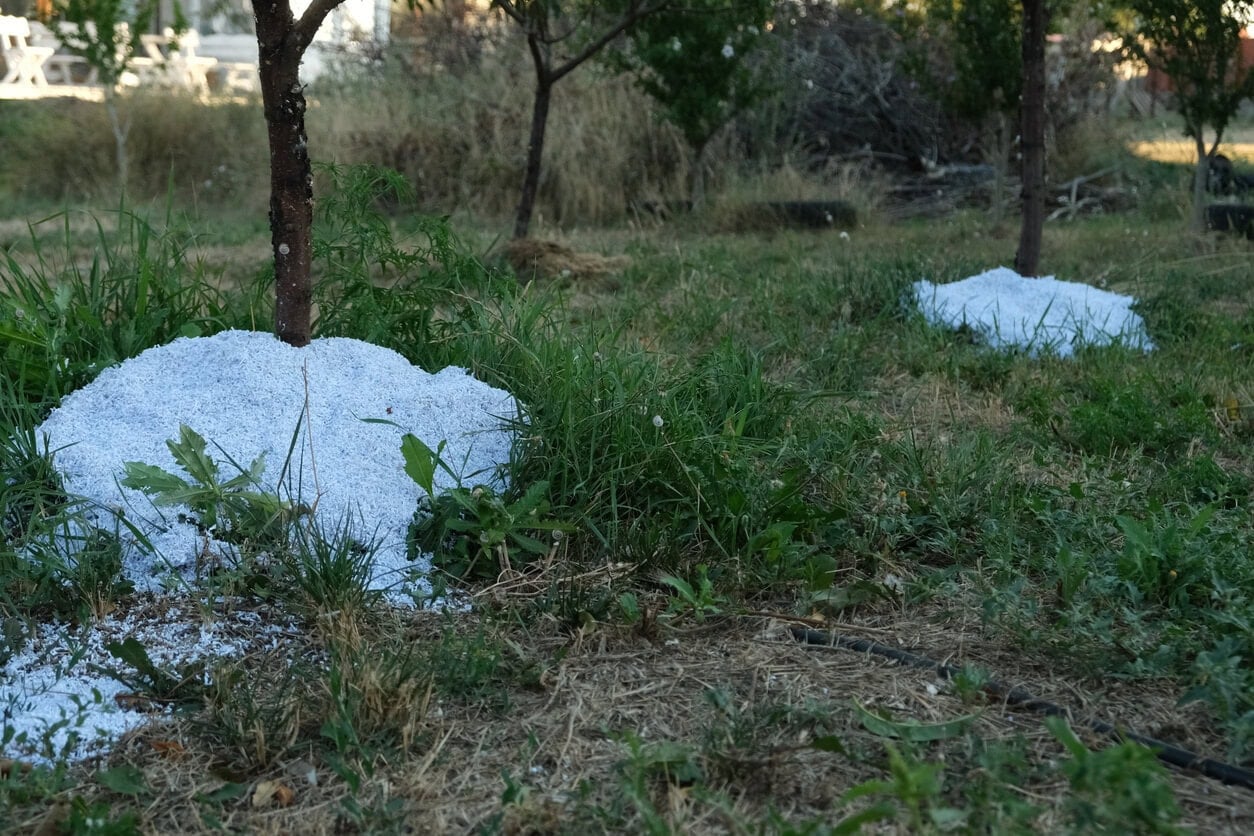
Though this technique might sound tacky at first, it actually does work! Lay about 4 to 6 sheets of newspaper (you can also shred it first) and cover with 2–3 inches of mulch to smother the weeds and inhibit new growth.
From my experience, this method is perfect for garden beds, especially those that hold vegetables or perennials.
Mulching works even better when you pair it with the right natural fertilizer for your garden.
8: Rubbing Alcohol Spray
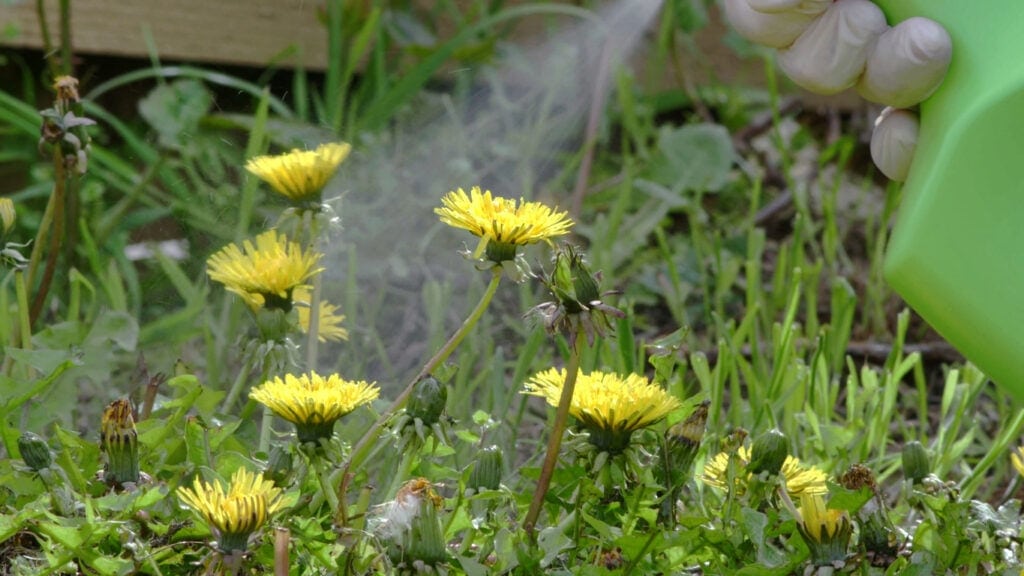
Mix 2 tablespoons of rubbing alcohol with 1 quart of water and spray it directly on the weeds during dry, hot weather.
Be extra careful with this method, as you’re at risk of damaging plants if there’s wind outside and the rubbing alcohol transfers over to them.
9: Borax Solution
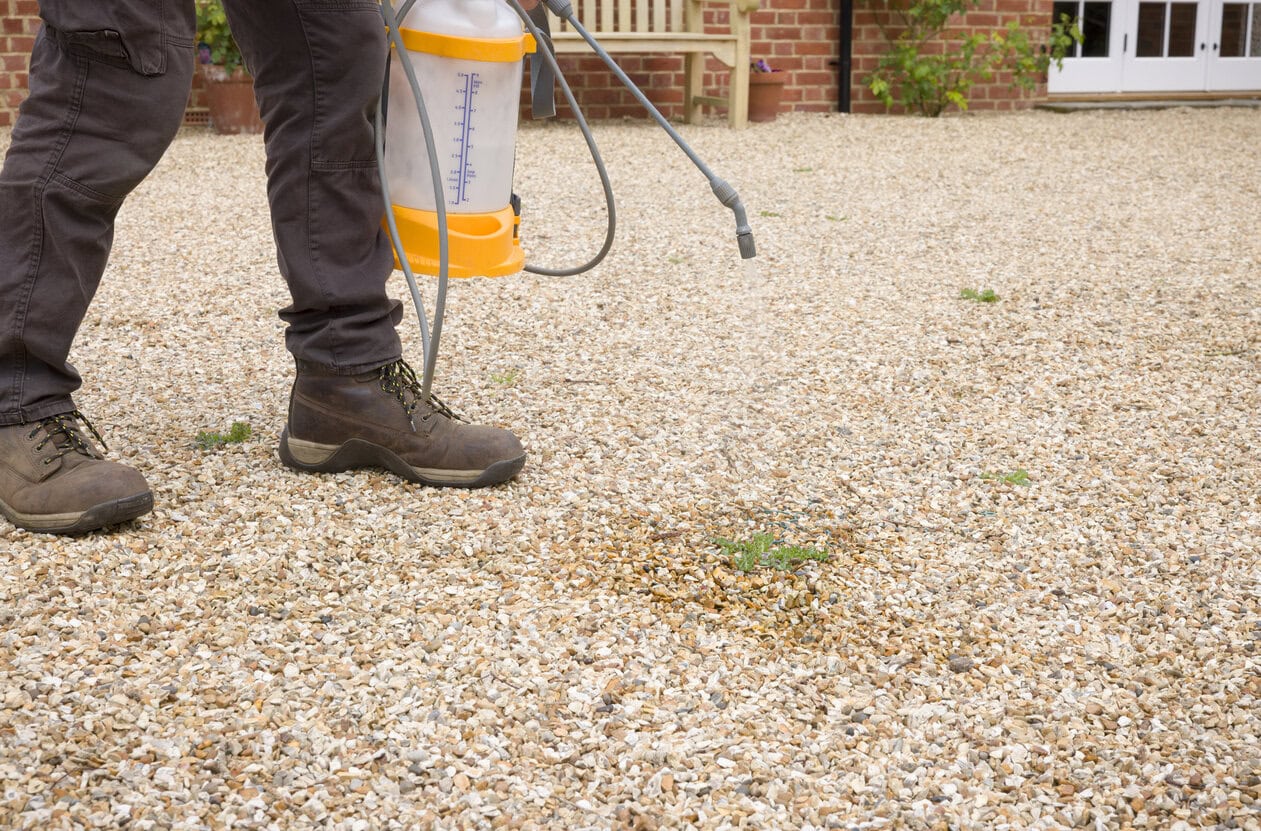
Dissolve 10 ounces of borax in 2.5 gallons of water. Apply it carefully to weeds that might be growing along your driveway or areas where you don’t really plan to grow anything else.
Important tip: When I say apply it carefully, I truly mean it. I’d use this one only if you’re not planning on growing anything there for quite some time or have nearby plants. Even slight drift will damage any nearby plant.
To build healthier soil while you keep weeds down, here’s how to green your lawn naturally with fertilizers.
10: Essential Oil Spray (Clove Or Cinnamon)

Mix 10 to 15 drops of essential oil with 1 cup of water, shake well and apply it to weeds on hot days for a quick disintegration. It’s an eco-friendly (and pet-friendly!) method that’s super accessible for most people.
Important tip: Even though it’s pet-friendly, it’s considered safe once dry! So, it’s best to keep your pets away until the mix has fully dried.
If you’d like a gentler approach to build soil instead of just fighting weeds, here are organic fertilizers you can make from kitchen scraps.
Some Tips For Using Homemade Weed Killers Safely
Let’s Conclude
As annoying as dealing with weeds can be, they’re an essential part of forming a gardener’s mentality that the garden needs constant maintenance, and one needs to catch signs of trouble early to take timely action.
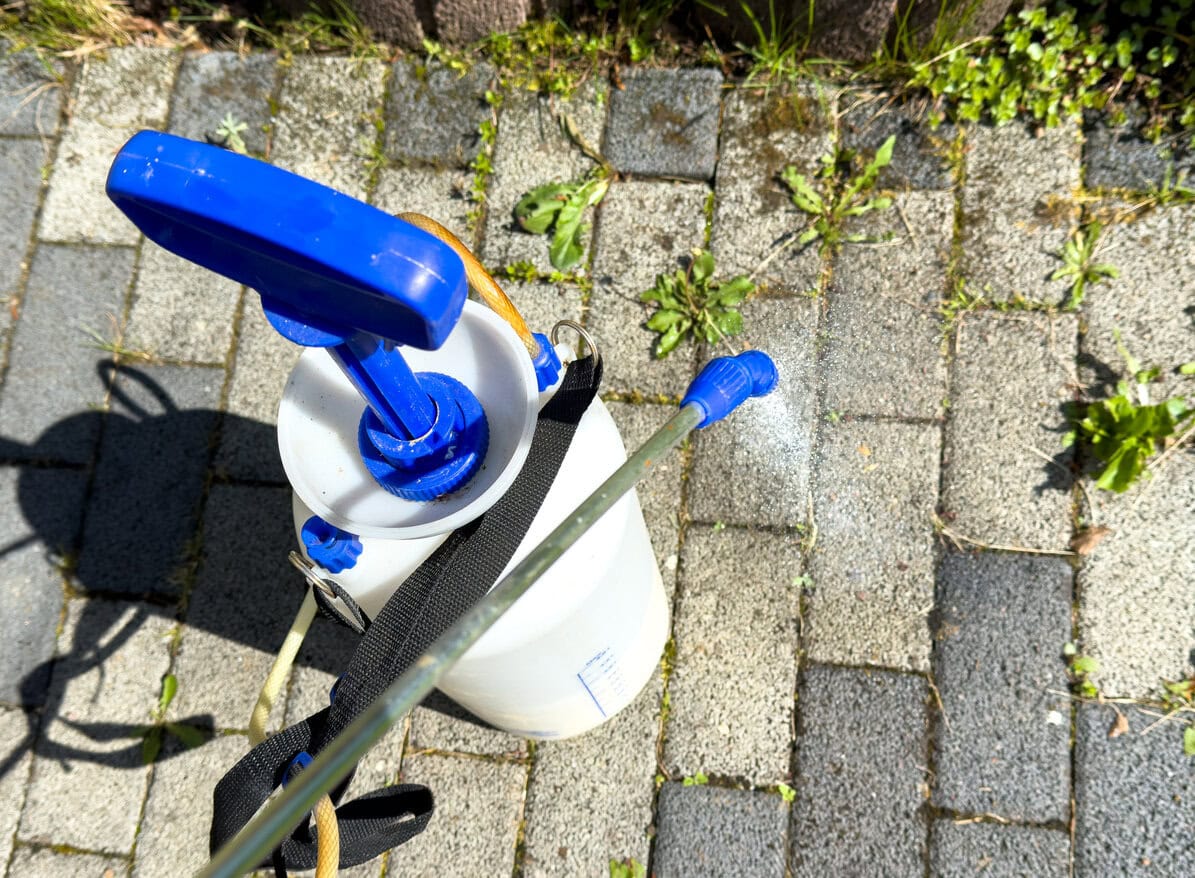
Now, you can try one of these methods to deal with weeds in your driveway or sidewalk, and see which works best for you. Let me know how it goes. Best of luck!