Ancient civilizations probably didn’t obsess over hosta crowns, and thankfully, we don’t have to either. What matters is knowing how winter conditions affect your plants and what simple February tasks help hostas emerge strong in spring.
I’ve learned through years of growing hostas in cold, wet winters that a few simple February checks make the difference between weak spring growth and full, healthy plants.
6 Essential Hosta Tasks to Do in February

These February hosta tasks apply to most U.S. gardens in Zones 3-7, where plants are dormant but winter damage and moisture issues can still be addressed.
Quick reminder: If your hostas are completely buried under snow, wait until the soil thaws and debris becomes accessible before doing anything.
1: Remove the Perennial Sludge
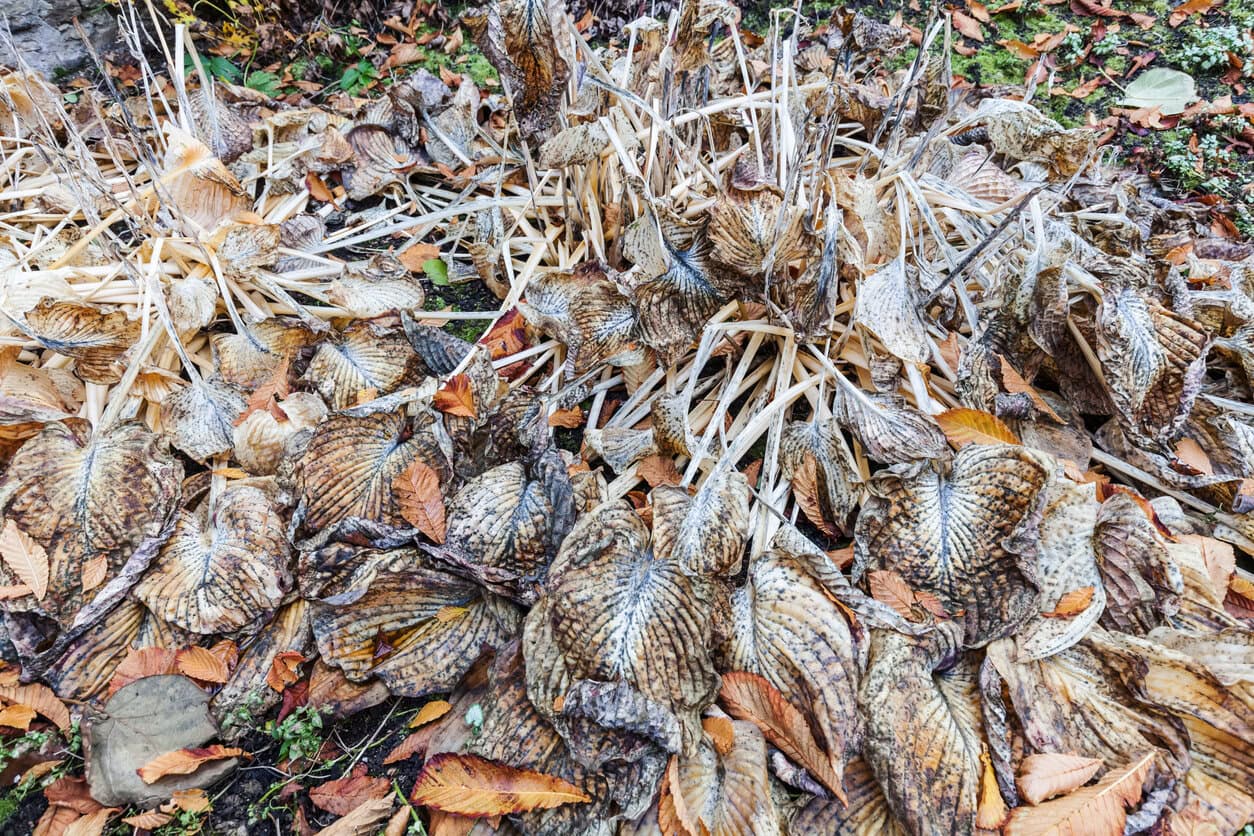
Peel back the soggy, grey leaf litter currently smothering your dormant perennials. This matted layer traps moisture against the soil and invites fungal pathogens to rot the crown.
Removing the debris also exposes hidden slug eggs before they hatch. Gently pull away the mush using gloved fingers to avoid snapping the delicate “eyes” hiding beneath the mud.
Quick tip: If the debris is frozen or stuck to the soil, I leave it alone and come back after a mild thaw, since forcing it off can snap emerging eyes.
2: Prune the Withered Stalks
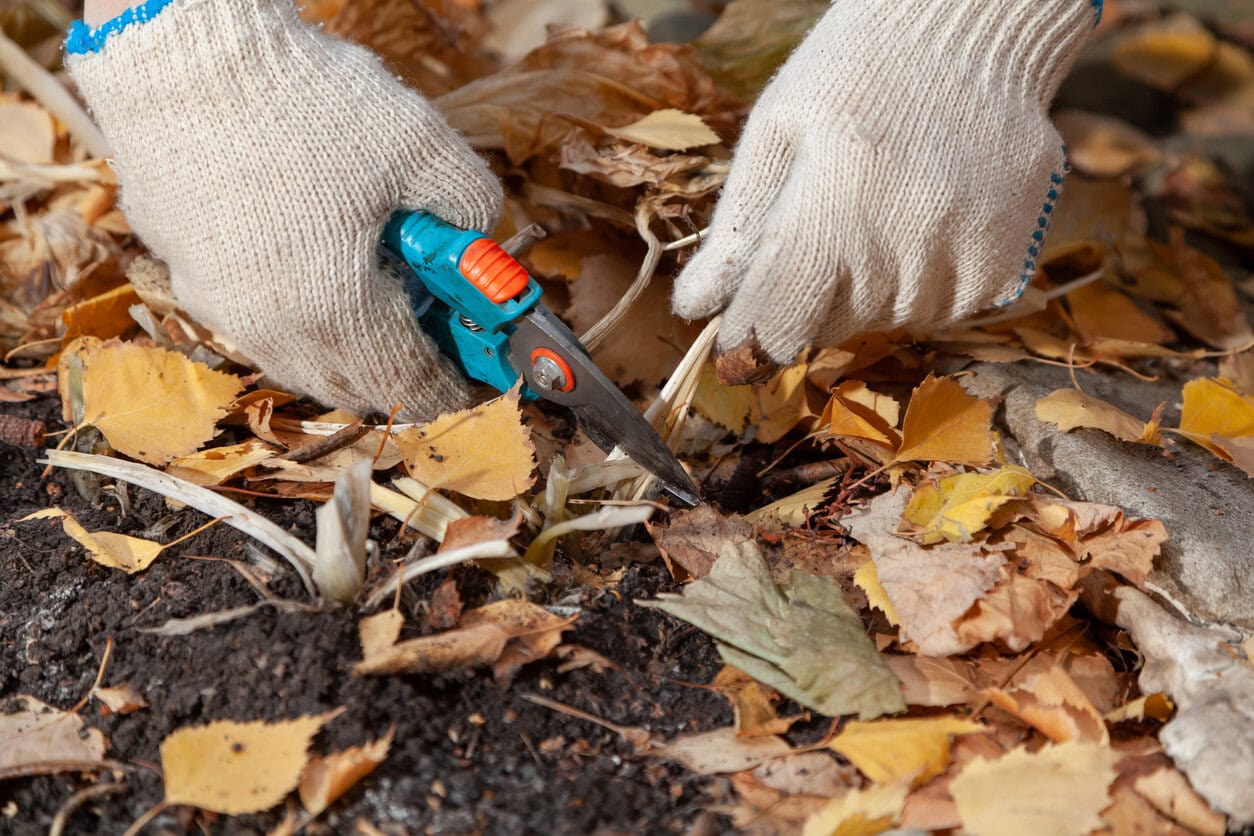
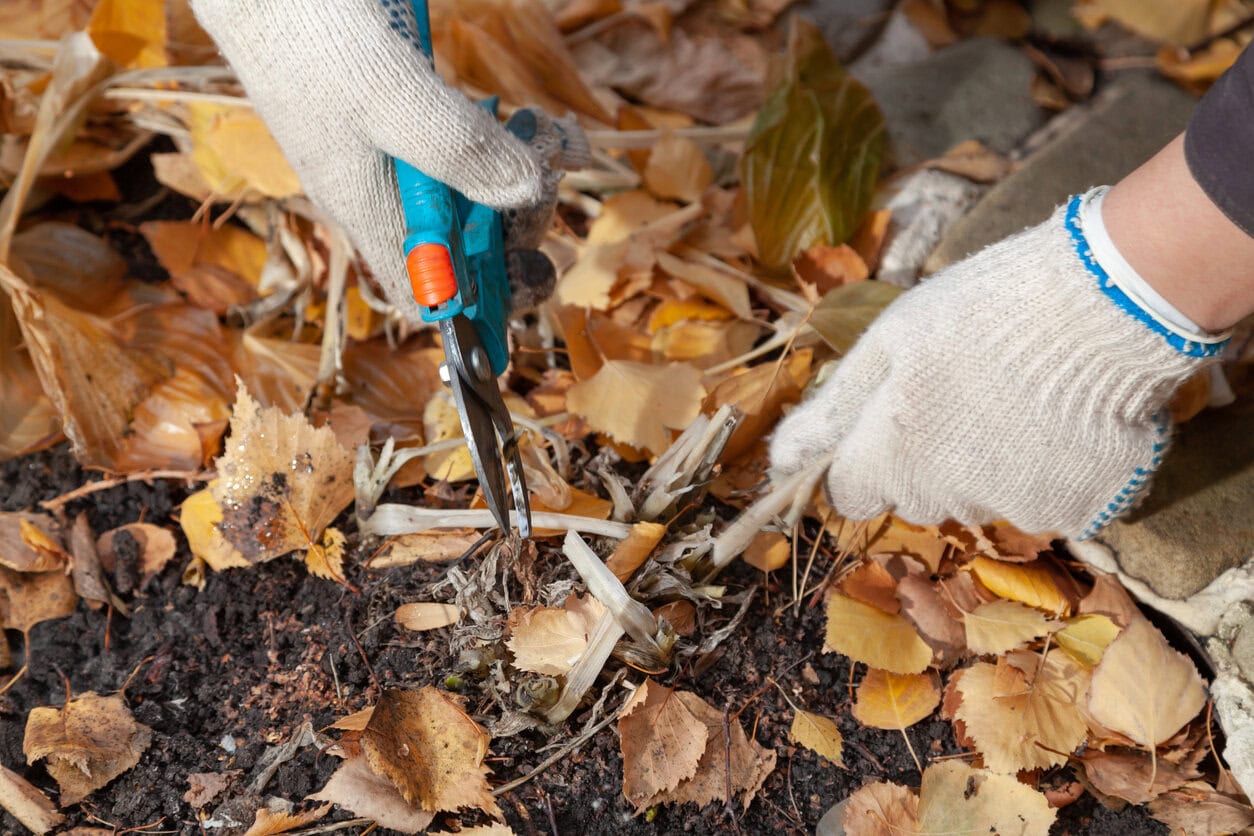
Leaving those straws standing increases the risk of rot. Every drizzle travels down that hollow tube, delivering ice and bacteria straight to the plant’s core.
Use sharp, clean bypass pruners for a clean cut. Removing this brittle waste in February clears the space for new growth and defends the crown from the wind.
Quick tip: I cut stalks as close to the soil as possible without digging into it, since leaving short stubs is where I’ve seen moisture collect and cause problems.
If you’re dealing with yellow or damaged leaves later in the season, I also put together a separate guide on how to trim back yellowing hosta leaves without stressing the plant.
3: Diagnose the Dormant Crown
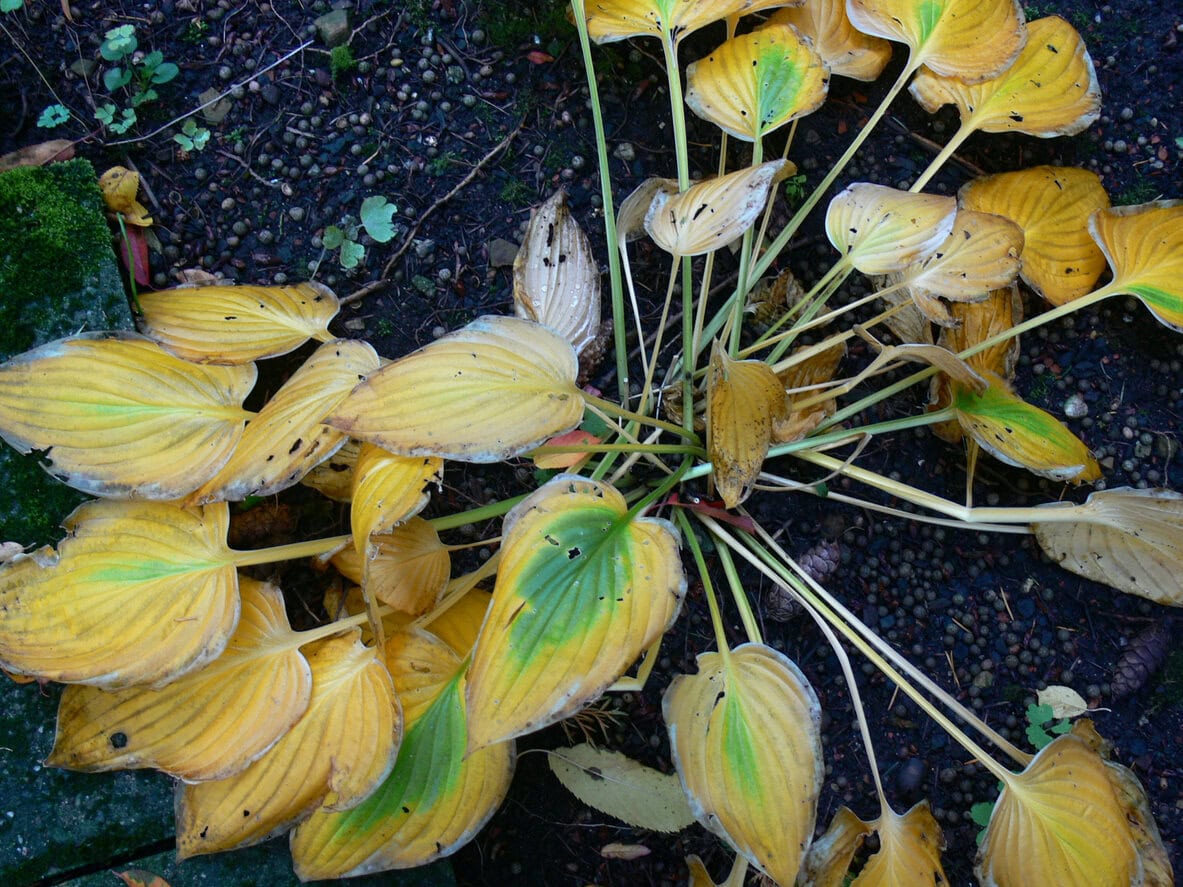
February is the moment to perform a manual diagnostic on the plant’s heart. Poke the center of the hosta. It should feel firm and resilient.
But if it’s squishy or soft like a waterlogged sponge, you have a situation. Use a clean knife to remove any mushy decay immediately. Stop once you reach firm, healthy material to preserve the remaining healthy root system.
Quick tip: When I’m unsure, I scrape a tiny bit of the crown surface with a knife. Firm and pale tissue is healthy, dark and soft means rot.
4: Stabilize the Root Zone
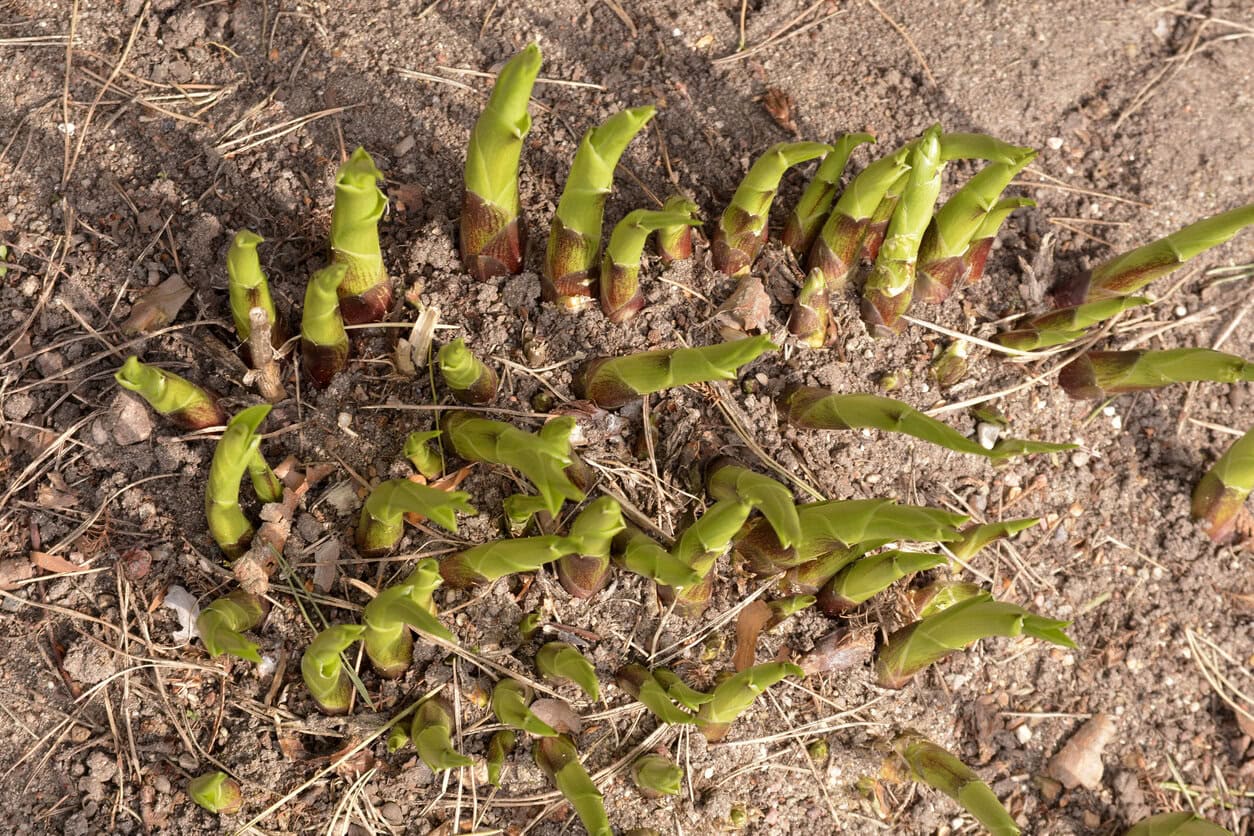
Erratic freeze-thaw cycles kick dormant plants out of the soil through frost heaving. Circle the base with a protective loose ring of compost or shredded leaves to anchor everything.
A thermal barrier stabilizes the environment and anchors exposed roots. Ensure you don’t place the material on top of the crown to avoid burying the delicate “eyes.”
5: Breach the Surface Crust
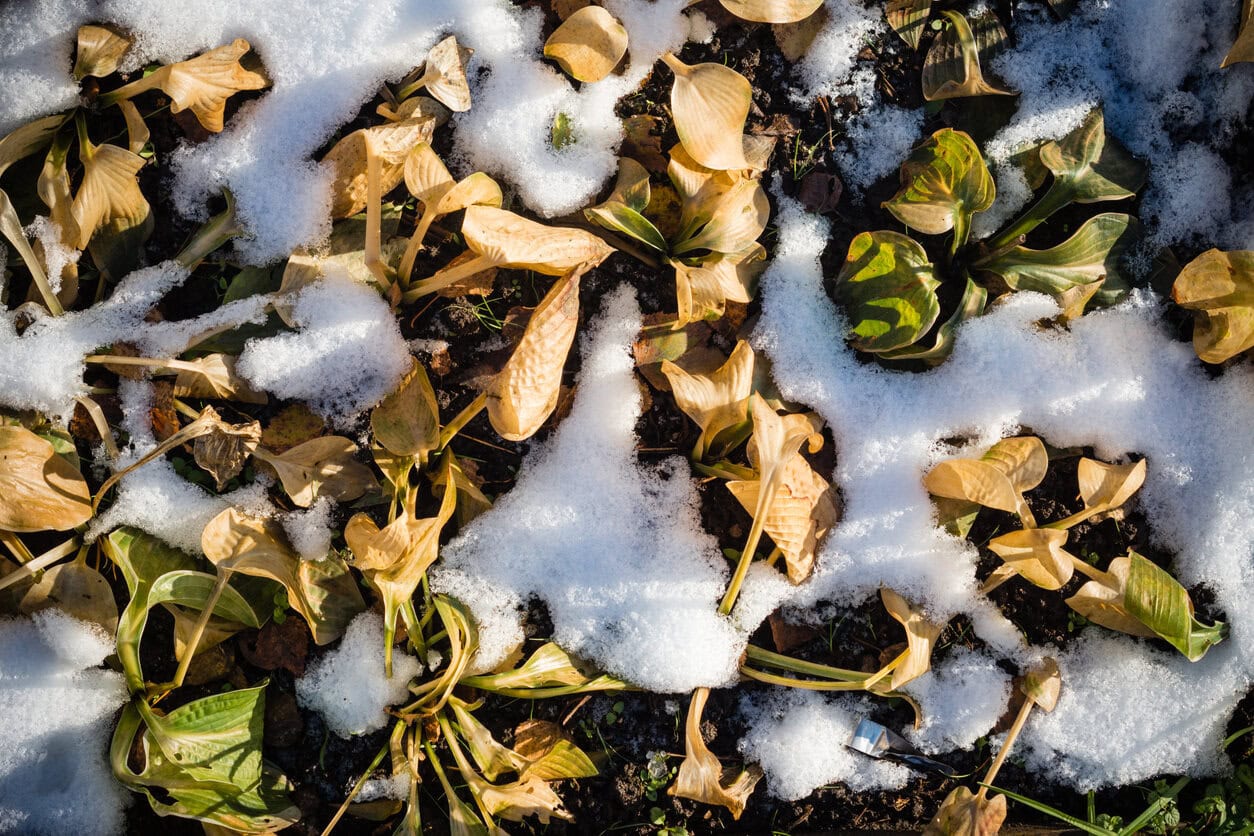
Winter rains can compact the soil surface, choking the life out of the belowground environment. On thawed, workable days, use a hand fork to gently loosen the top layer of soil around your hostas.
This simple disruption allows gas exchange, so roots don’t drown in underground puddles. Keep movements shallow to avoid damaging the rhizomes.
Quick tip: I only do this after the soil crumbles in my fingers. If it smears or feels sticky, I leave it alone to avoid compaction.
6: Intercept the Slugs
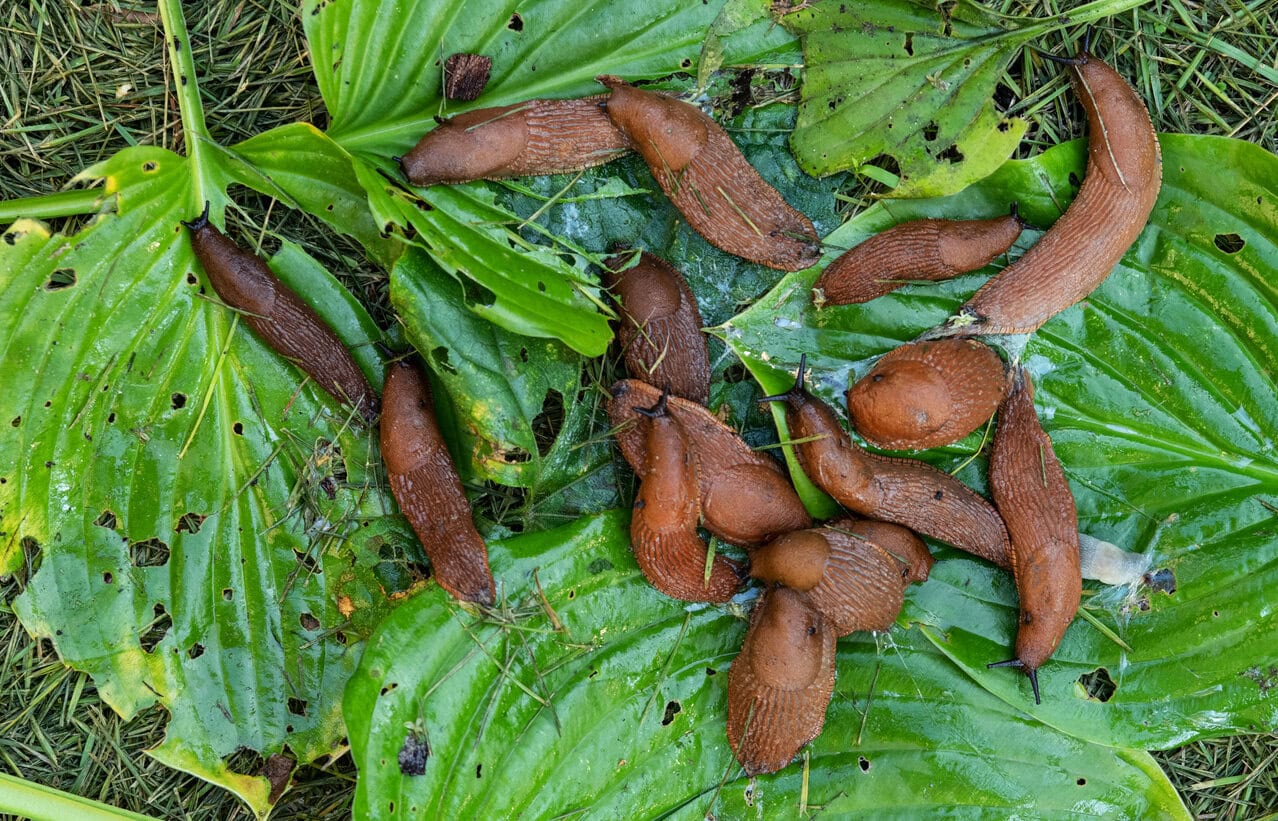
Slugs overwinter in the damp, sheltered areas around hostas, planning a spring offensive. Removing these winter hideouts and their hidden egg clutches in February prevents the eventual transformation of your best foliage into doilies.
Apply iron phosphate granules or set traps early to disrupt their life cycle before the first green shoots appear.
Quick tip: Check under pots, boards, and thick mulch first, that’s where I usually find the most slug eggs hiding in late winter.
Not every perennial benefits from winter pruning, though. If you’re unsure what should stay untouched, I’ve listed the perennials you should not cut back in February in a separate article.
No Longer a Hosta-ge to Ignorance

Hosta gardening in February is 5% intuition, 5% good tips, and 80% refusing to let a slug outsmart you in the mud.
Prep Your Tools
Owning a pair of rusted pruners doesn’t make you a rustic gardener but a menace crushing tissue and inviting infection.
Take a few minutes to shapern your tools and disinfect them with some rubbing alcohol before use. Clean tools help ensure clean cuts and reduce the chance of spreading pathogens from last season.
Pre-emptive Division
If the soil is thawed and workable, late winter can be a suitable time for a tactical split because the plant is still unconscious and won’t feel a thing.
If you’re looking to multiply your collection, use a sharp spade to separate sections from the outer edge of the dormant crown. If not, just ignore that advice. For standard maintenance, stick to the perimeter.
If you want a full, step-by-step walkthrough, one of our writers explained exactly how she divide hostas in fall and why that timing usually works best in this guide on dividing hostas for bigger, healthier plants.
The Hydration Paradox
Dormant does not mean dead. If your February has been unusually dry and windy, those exposed crowns can become dehydrated. Shove a finger two inches deep into the dirt, if it feels dry, supplemental watering may be needed.
During a brief thaw, if I need to water, I water slowly and stop as soon as the soil darkens, since overwatering during winter thaws causes more damage than dryness.
I wait until temperatures rise above freezing and stay there for a day or two so the moisture can soak in rather than refreeze. Always aim the water at the drip line, keeping it away from the crown so the eyes don’t sit in cold, pooled water.
Fertilizing isn’t usually part of February hosta care, but if you’re managing other perennials, I broke down which ones actually benefit from early feeding and which ones don’t in this February fertilizing guide.
Hosta Febrero, Baby
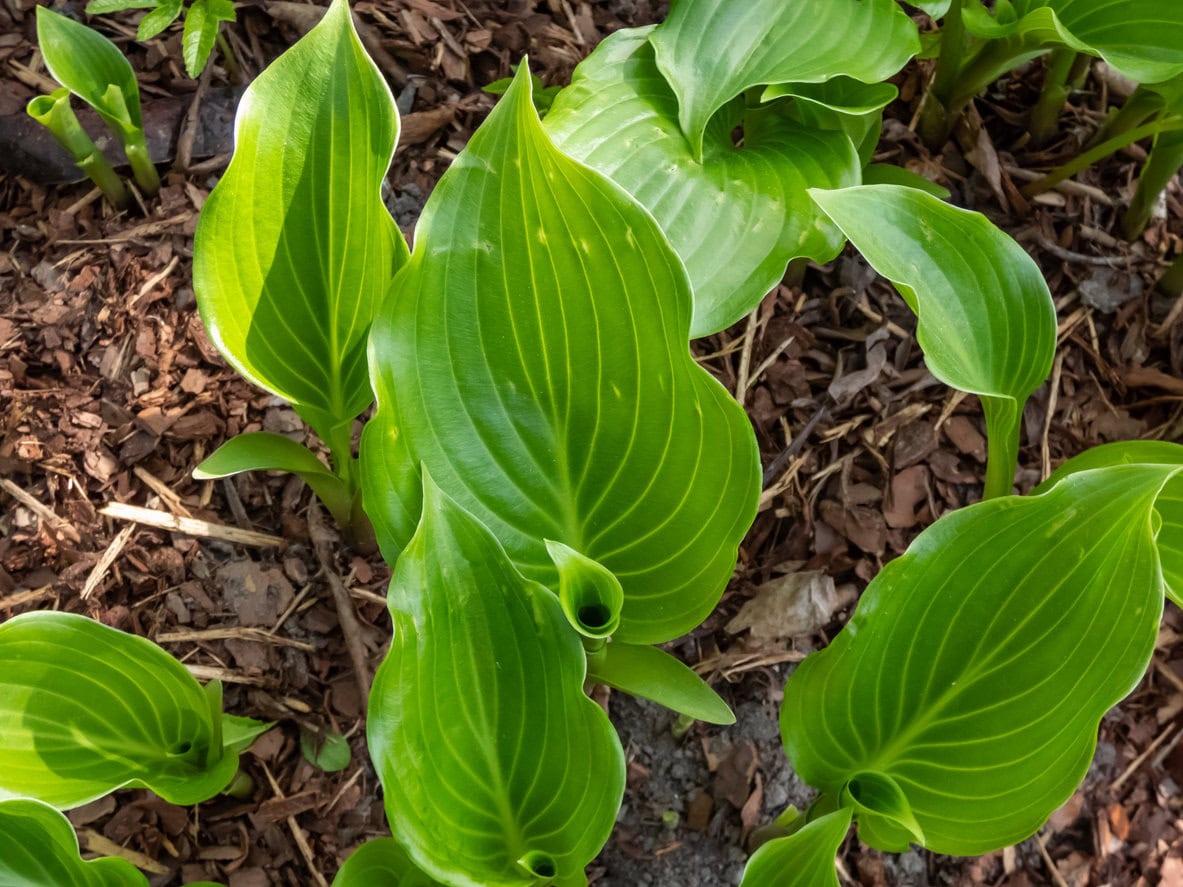
Excuses are the only things currently growing in your neighbor’s frozen garden. While they wait for a spring miracle, you already have an advantage. Use it. Use this guide. And remind the neighborhood that a green thumb is usually just a muddy one in disguise.
February care isn’t about doing more, it’s about doing the right things at the right time so your hostas are ready when growth begins.
If you’re looking for something to plant while hostas are still dormant, I also put together a list of early-spring blooming perennials that can go in the ground in February.