Is your Christmas cactus looking a bit pointless without any October buds? Don’t leaf it out in the cold just yet! Budding early isn’t its strong suit. Let’s unpack the real reasons your cactus hasn’t popped its party hats yet.
Reason 1: It Is Naturally a Later Bloomer
Expecting holiday flowers in early fall? Your plant’s internal clock simply operates on its own sweet time.
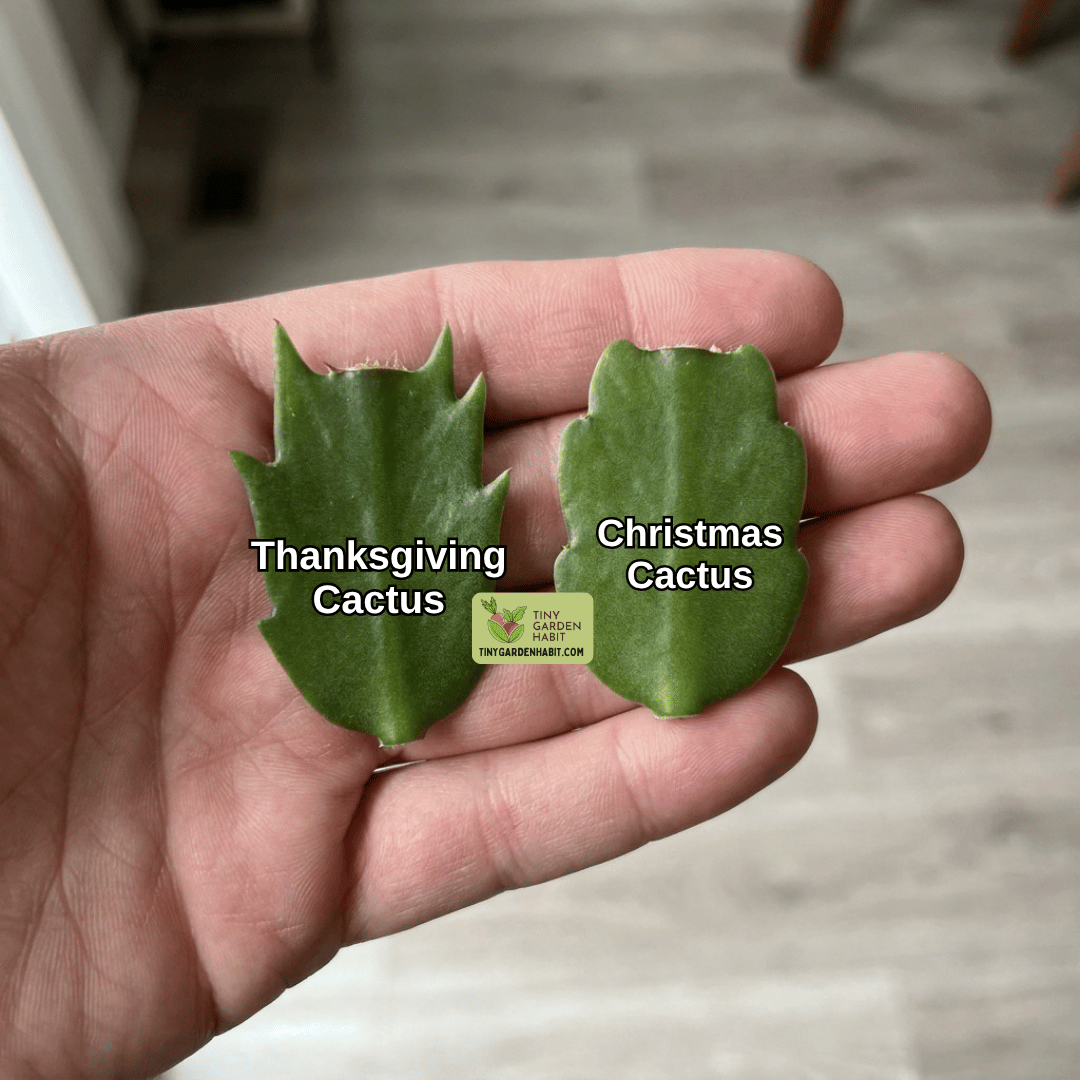
If your plant has those rounded segments and is still budless in early October, don’t panic! Real-deal Christmas cactus (Schlumbergera × buckleyi) tend to drag their feet until late November or December, routinely pushing blooms well into winter.
Grab a stem and check the segments. Thanksgiving types have sharper, tooth-like points along the edges, while true Christmas cactus have smoother, rounded scallops with no pronounced points.
Your fellow plant owners bragging about their October blossoms likely have a Thanksgiving cactus (AKA Schlumbergera truncata).
Reason 2: It Has Not Had Enough Time
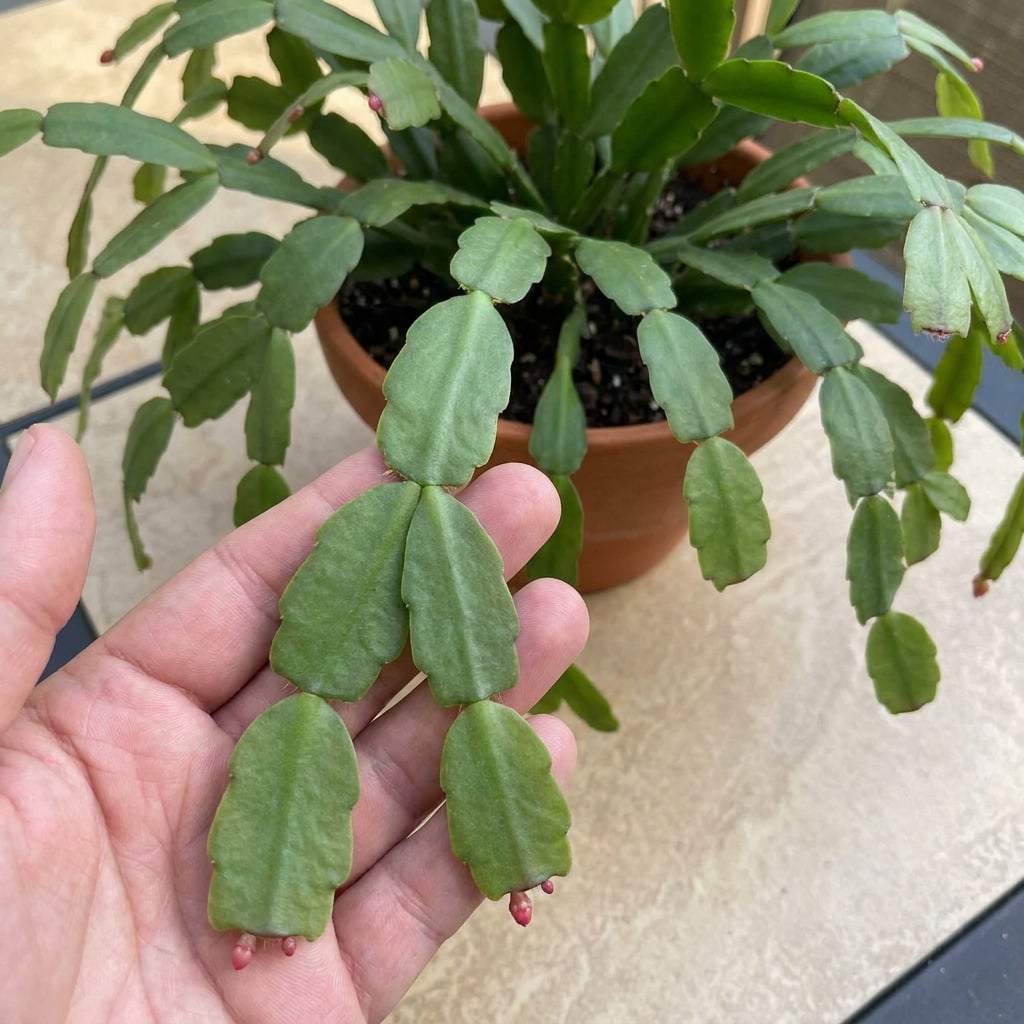
Expecting overnight magic after a chilly evening? Dream on. Flower initiation takes weeks of consistent fall signals, not a single weekend cold snap.
Before it starts pushing out tiny nubs, your cactus usually needs about five or six weeks of long, uninterrupted nights paired with cooler temperatures. Aim for nighttime temperatures around 55 to 65°F, and try to keep daytime temperatures below 70°F.
If it only started getting those cooler temperatures and longer nights in mid-September, expecting a full display in October is pure fantasy and not the good kind.
Quick note: Your cactus’s internal chemistry moves at a snail’s pace when shifting gears from pushing new stem segments to building buds. Give its bio machinery time to work.
If you want to get ahead of this next year, we also wrote a guide to the August Christmas cactus tasks that help prepare it for holiday blooms.
Reason 3: Artificial Light Interrupts Its Nights

Flipping a lamp on at 9 PM seems innocent, but messing with your plant’s internal schedule night after night is no joke. These plants need short days and long nights to trigger buds.
Aim for about 14 hours of uninterrupted darkness each night for about six weeks.
A TV glowing nearby, a hallway bulb left on late, or a streetlamp shining through the blinds can interfere if it happens regularly.
I find it easier to move the plant to a spare room with bright daytime light and no artificial light at night, or simply cover it with a cardboard box each evening and uncover it every morning.
Quick tip: One quick flash of light won’t send the whole process back to day one, but repeatedly breaking up those long nights can delay bud formation.
Reason 4: Nights Are Too Warm
We touched on the ideal 55°F to 65°F nighttime range earlier, but it’s worth hammering home because high indoor heat can seriously slow bud formation.
Watch out for hidden hot spots, too. Shoving your pot next to a baseboard heater, radiator, or floor vent can keep it warmer than you realize all evening.
If you can keep nighttime temperatures close to 55°F, your cactus may still set buds even if your dark-room routine gets a bit sloppy! At temperatures this cool, the plant relies less heavily on perfectly controlled long nights to trigger buds.
If you’d rather follow a schedule than keep guessing when to change its care, our Christmas cactus care calendar breaks down the routine month by month for on-time blooms.
Reason 5: Daytime Light Is Insufficient
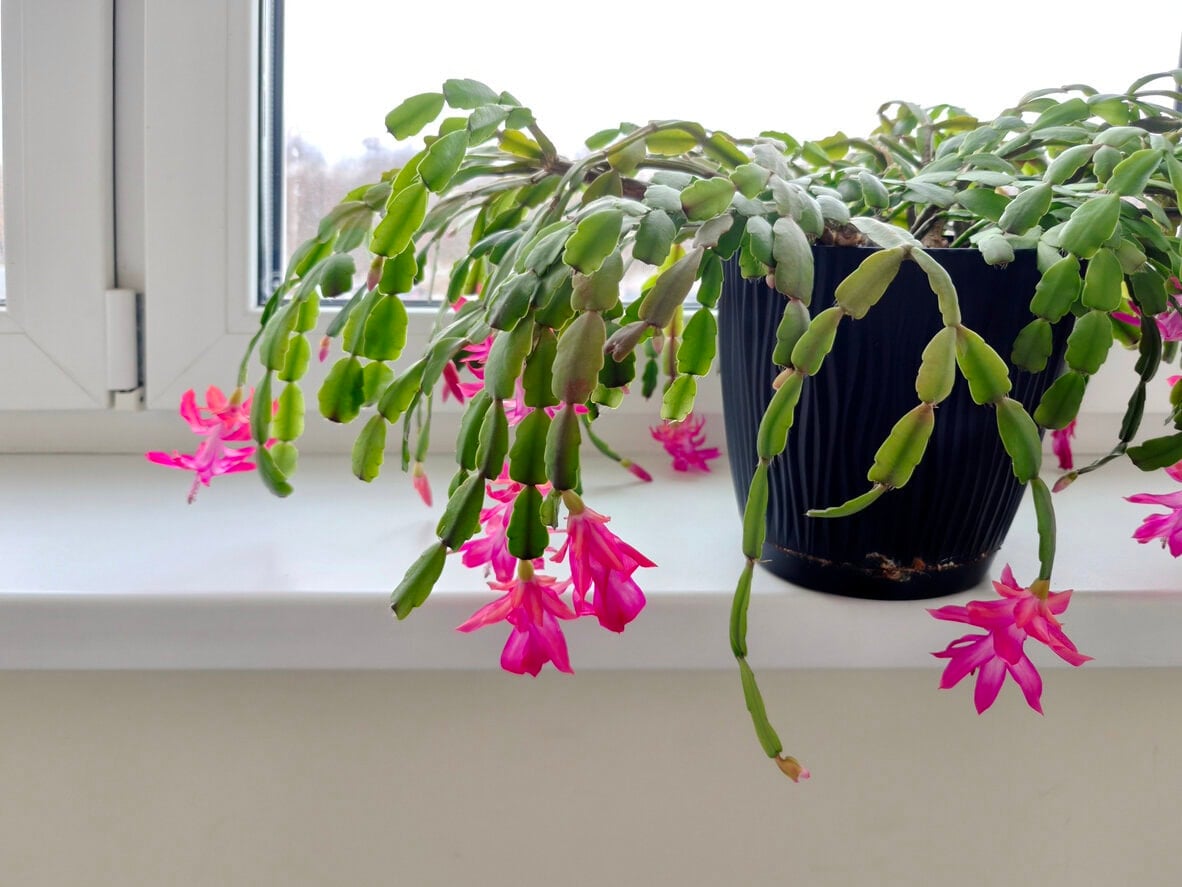
Long, uninterrupted nights help trigger the signal, but gloomy days don’t give your cactus much to work with. These tropical epiphytes still need bright, indirect sunlight during the day to stay healthy and support bud development.
From my experience, a bright east-facing window works especially well. Gentle morning sun is usually fine, but you can also place the plant near a brighter window with a sheer curtain filtering stronger rays.
Just don’t swing from those long, dark nights into hours of harsh midday sun. That intense light can scorch the stem segments, especially indoors behind glass.
If you’re still trying to find the right spot, we wrote a full guide on where to put a Christmas cactus for maximum blooms.
Reason 6: Wet Soil Is Damaging Roots
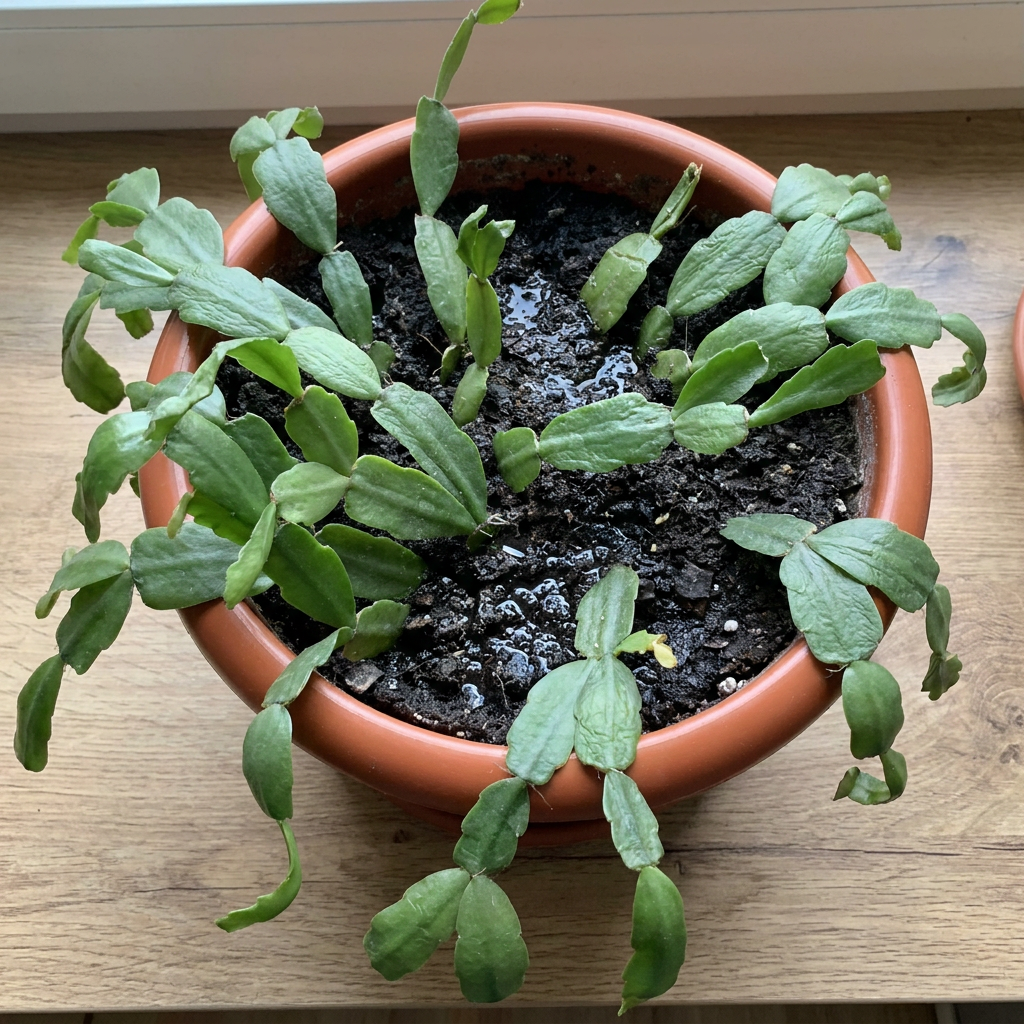
So your stems are looking limp, wrinkled, and miserable. Curb your first instinct to drown the cactus in water. Wrinkling can mean thirst, but it can also happen when soggy, damaged roots can no longer absorb water properly.
I always check the potting mix before reaching for the watering can. Here’s the dead-simple reality check:
Does it smell sour or feel swampy? If so, hold off on watering and check the drainage. Roots need oxygen as much as moisture, not a permanent bath.
If watering is where things usually go wrong for you, we explain exactly how to water a Christmas cactus and avoid root rot in this guide.
Reason 7: You’re Still Feeding It
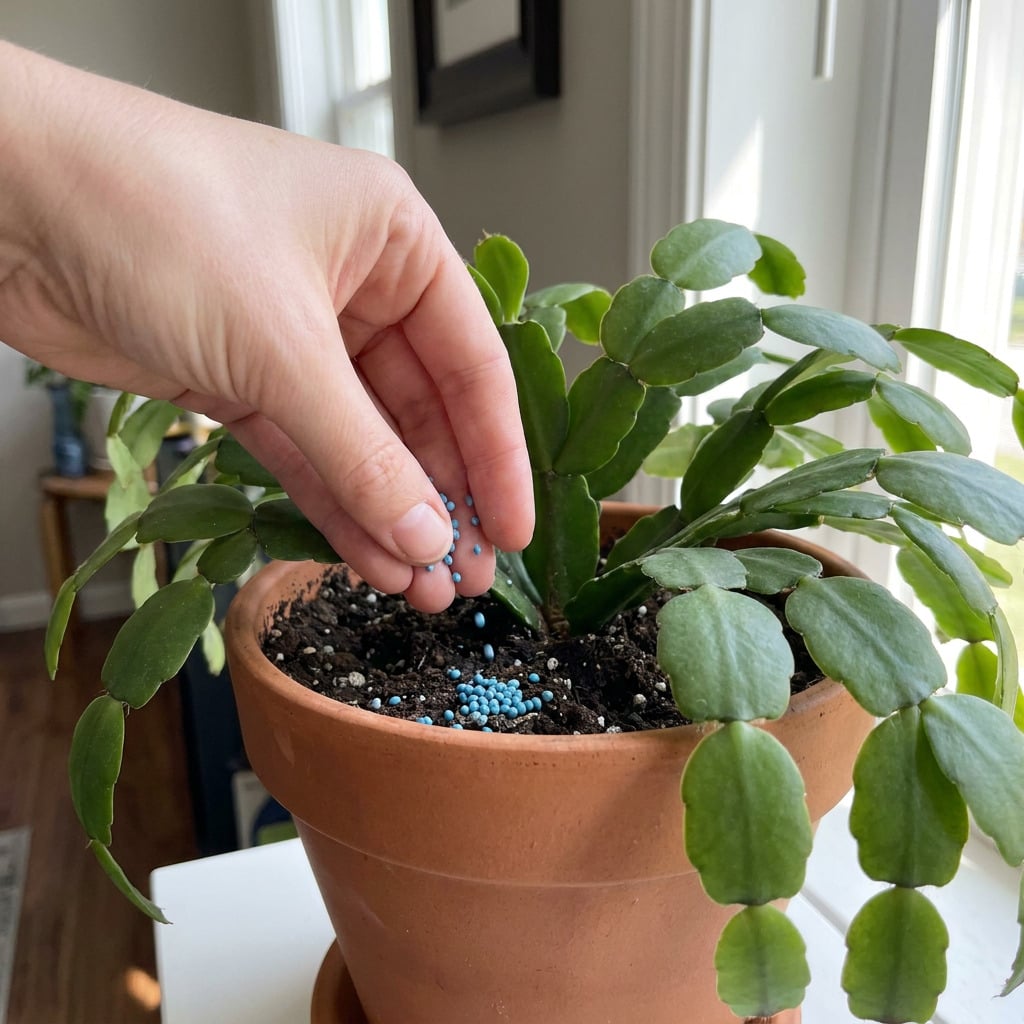
I know, I know. Plenty of garden flowers bloom better when you feed them right before or even during flowering. Christmas cactus are absolute divas, though, and they basically want to be skinny for their big show.
Too much fertilizer going into fall, especially anything high in nitrogen, can keep the plant focused on pushing fresh stem growth instead of settling into bud production.
I stop feeding mine by late summer and let the shorter days and cooler nights take over. If you’ve still been fertilizing through September or October, put the bottle away for now. You can start feeding again once flowering is finished and active growth picks back up.
Quick tip: Don’t try to “fix” a budless cactus with a last-minute dose of bloom fertilizer. More food won’t override warm nights or interrupted darkness.
If you’re unsure when to feed and when to stop, we put together a month-by-month Christmas cactus fertilizer guide that walks through the whole year.
The Barely Prickly Truth
No potion or fertilizer guarantees instant buds, so don’t stress if your cactus misses October.
Feeding won’t force flowers on command. Budding comes down mostly to getting the dance right between cool temperatures, long uninterrupted nights, and steady care.
If you want the full routine, we also wrote a guide on how to make your Christmas cactus bloom again and get it back on schedule.