I’ve written quite a lot of articles with the aim of addressing people’s fear of planting during certain months. Just like with August, it seems like new gardeners are also confused about the month of September.
Today’s article is all about September planting. We’re going to discuss what vegetables you can plant in September according to your specific zone and go over some container-growing advice you probably haven’t heard before.
Let’s dive right into it, shall we?
Can I Still Plant In September?
Absolutely!
As long as the soil is still somewhat warm, you can plant in September and enjoy safe and healthy vegetable growth going forward. Warm soil ensures fast germination with less frequent intervention from bugs and diseases.
Something quite unusual you might notice is that certain vegetables also taste better when grown in cool weather, especially leafy greens.
What To Plant In September (By Zone)
Zones 3-5: Cool Climate Champions
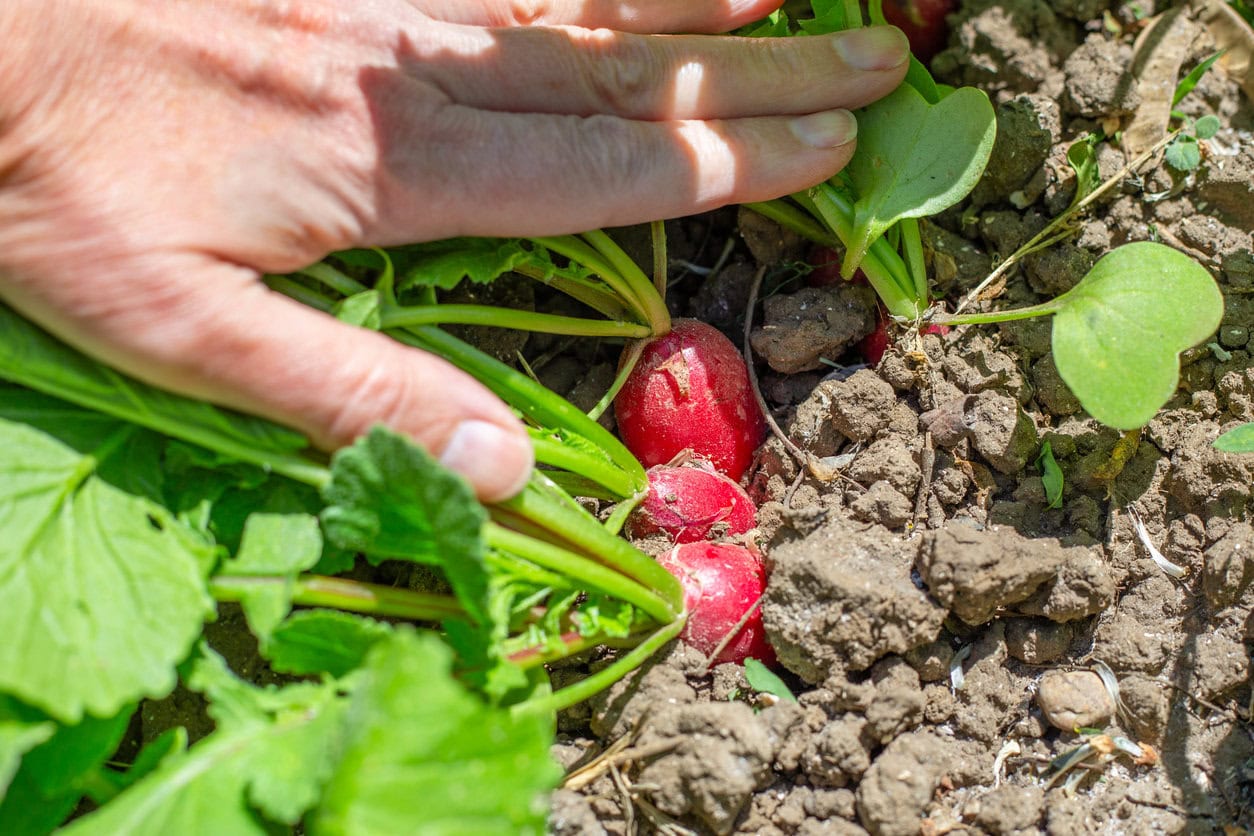
Radishes: Radishes are space-friendly and frost-tolerant, meaning you can easily plant them in September between rows and enjoy a fast and easy harvest.
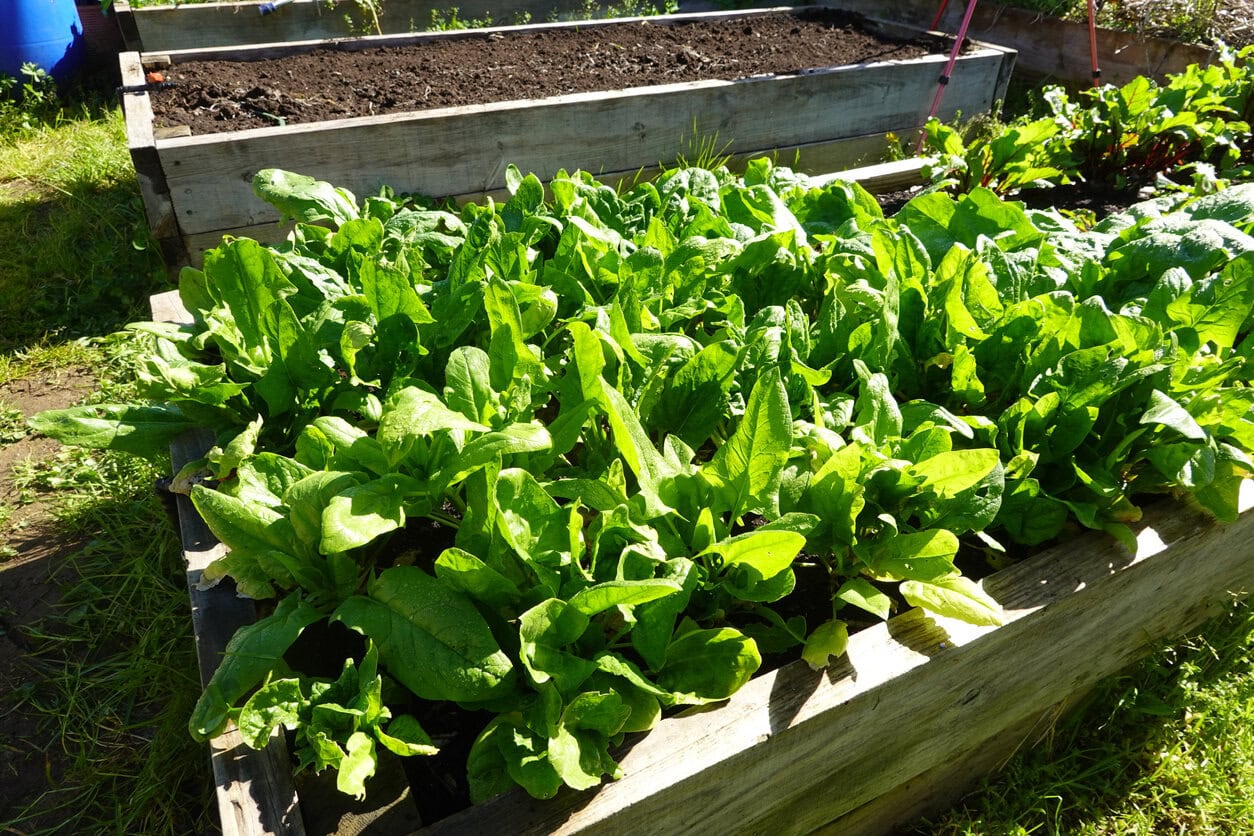
Spinach: Spinach is known for its frost-tolerant nature. Planting this leafy green in September is a good idea since it will likely improve flavor (become sweeter) throughout the cold season.
Mâche (Corn Salad): Corn salad is super duper underrated for the cold season. It grows close to the ground and turns sweeter as it’s exposed to snow.
Turnips (Small Varieties): If you’re okay with baby turnips, planting them in September is a good idea. They’ll be ready to harvest in less than 50 days! Large varieties won’t mature in time, so make sure you’re planting small varieties.
Claytonia: Claytonia aka miner’s lettuce, is a crispy cold-season green and must be planted in September so that it can grow optimally while needing minimal attention.
Zones 6-7: The Fall Sweet Spot
Lettuce (Loose-leaf Or Romaine): Whether it’s loose-leaf or Romaine lettuce, you can plant it every 10 days to achieve a continuous harvest.
Beets: Fast-growing beet varieties like ‘Detroit dark red’ not only add vibrant color to the garden but can also get you a relatively quick harvest.
Kale: Kale is another hardy and crispy leafy green that’s known for its ability to thrive in light frosts. As it’s exposed to the cold, it becomes sweeter and much less bitter. My favorites for fall growing are ‘Winterbor’ or ‘Red Russian’.
Arugula: Like most of you might already know, arugula is a personal favorite in fall salad dishes for my family. Thanks to its hardiness and quick growth, planting arugula in September is ideal.
Carrots (Small Types): Baby carrot varieties absolutely love growing in the cold season. While you can plant them in September, definitely do so with a little caution.
Zones 8-10: Your Garden’s Just Warming Up
Bush Beans: For slightly warmer zones, there might still be time to plant bush beans in September. Plant them before frost kicks in (which is often rare in these zones). But it’s viable if frost dates are still 6+ weeks away.
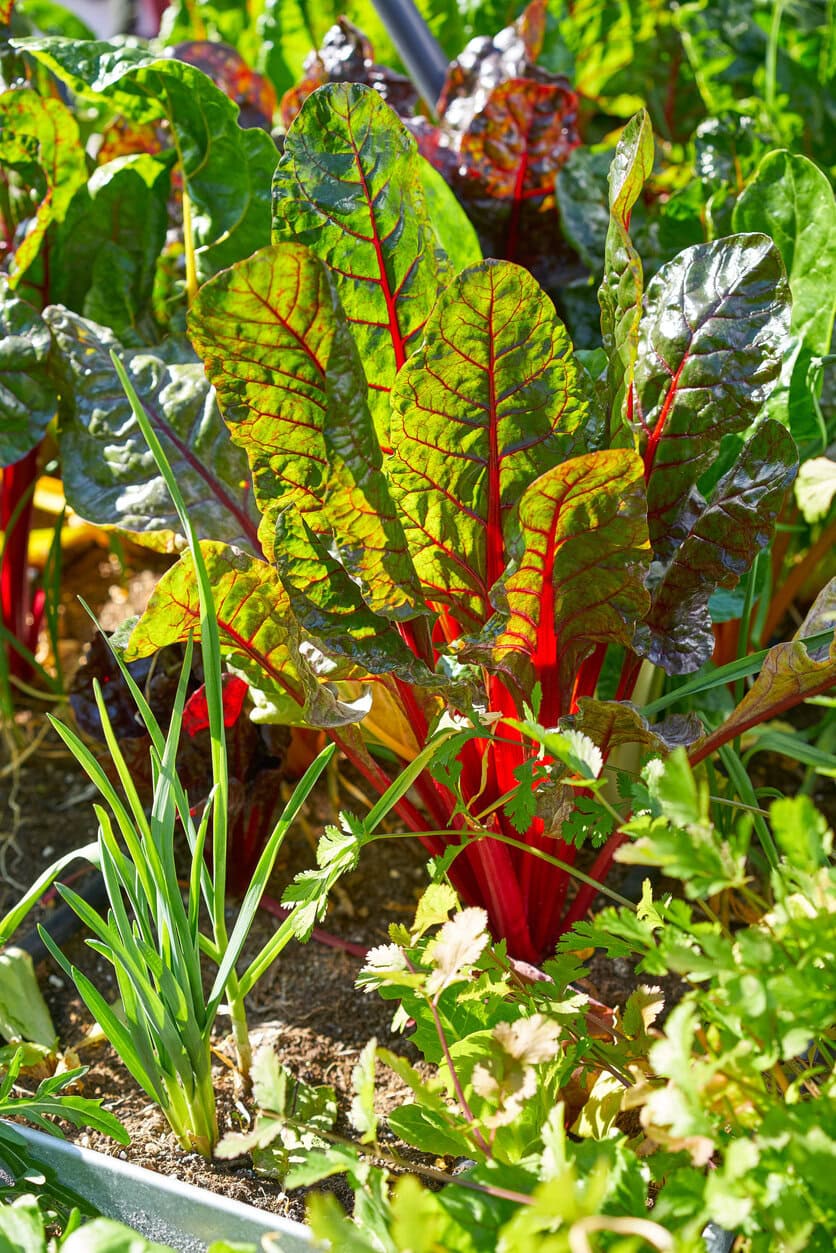
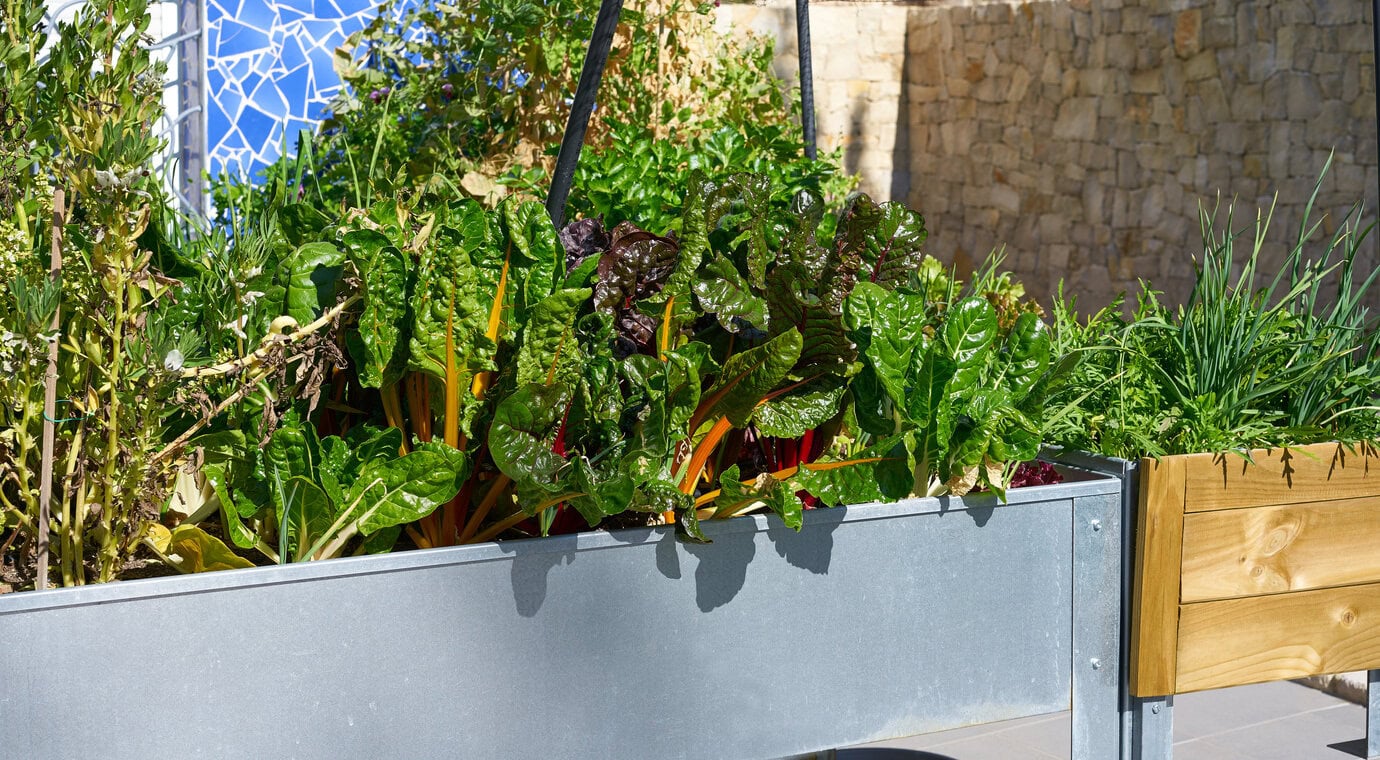
Swiss Chard: This snappy, colorful leafy green is cold-hardy and perfect for planting in September in tight spaces and containers.
Cilantro: The good thing about the fall season is that it keeps herbs and leafy greens like cilantro from bolting. You can plant cilantro in September and allow it to grow through the cold without experiencing any problems whatsoever.
Broccoli & Cabbage: Because the nights are cooler in September, there will be fewer cabbage worms harming your broccoli and cabbage. That said, you must also space out the vegetables properly (12–18 inches apart) and provide them with sufficient mulch around the base to limit cold damage.
Green Onions: Green onions offer compact growth and are perfect for container planting. You can plant them in September and harvest them throughout late fall.
Can I Grow Vegetables In Pots & Containers In September?
Yes, you can!
Just make sure to use some deep containers or ideally 5-gallon buckets to grow vegetables that may be on the larger/heavier side. Fast-growing varieties are ideal, but you do want to protect them from early frost using a cloth or some kind of frost cover.
Also, leafy greens and herbs are the easiest for September pots because they mature faster before heavy frosts!
Let’s Conclude
Since September is right around the corner, and many beginners have been asking me to compile a list of my favorite September vegetable options, I just had to get this article out.
Now, it’s time for you to pick your favorites according to your zone and garden preferences, and start planting them!
I'm Rita, passionate about flowers, plants and growing my own vegetables at home. I live in an apartment, but I still have my garden, I intend to use all my knowledge to help you also have a lively, happy and productive garden (even in an apartment).
Many people love conventional plants and flowers, but they pay little attention to shrubs. This is kind of sad, considering how productive and beautiful shrubs can be in the garden. Many times, shrubs are planted around the edges of the garden to grow tall and provide privacy, but invasive shrubs can totally ruin this dynamic. …
Hydrangeas are one of the plants I get the most questions about, and for good reason! They’re beautiful, but they can be picky. Fall is actually one of the best times to set them up for success, whether you’ve just planted new shrubs or you’re caring for ones you already have. Fall hydrangea care is…
Your pepper patch worked hard all summer, and by August, I shift from simply keeping plants growing to helping them finish the season strong. Now it’s time for supervision, revision, and provision! The common thread through all these August pepper care tasks? Having a vision. (Also a guide, but it doesn’t rhyme.) Do-It-Right-Now Damage Control…
So, whenever I talk about insects in the garden with anyone, they end up taking it negatively…like the insects shouldn’t be there. The truth is – that’s exactly where they belong. Though certain insects can be a real nuisance in the garden, there are some that you deliberately want to attract as they positively impact the…
Have you ever seen a patch of brown marigold leaves? If not, nothing to see here, browse along. But. What if your marigolds currently resemble a collection of autumn potpourri? ‘What did I do wrong this time?’ you ask, probably to an unresponsive trowel you affectionately call Sandy Loam (don’t pretend you don’t). Chances are,…
I’ve spent most of my gardening journey looking for plants and flowers that do not compromise on color or bloom time when faced with dry conditions. To absolutely no surprise, these gems are quite rare. With years of experience, months of research, and another few months of experimentation, I have finally curated a list of…
Hi Cathy! 😊 North Central Arkansas is mostly in Zone 7b, with some areas dipping into 7a depending on elevation. 😊 You’ve still got time to plant cool-season veggies like lettuce, spinach, radishes, and garlic this September!
Hi Anne! 😊 Northeast Pennsylvania is mostly in Zone 6a or 6b, depending on your exact location. That means you can still plant cool-season veggies like spinach, lettuce, radishes, and garlic in September!
Hi Mary! 😊 Seattle and SeaTac area is in Zone 8b, which means you can still plant cool-season veggies like spinach, lettuce, radishes, and garlic in September.
Hi! 😊 Most of Southern California falls into Zones 9 and 10, depending on how close you are to the coast or inland. My cousin in San Diego is Zone 10, but a friend further inland is Zone 9.
Hi Laura! 😊 Sacramento falls in Zone 9, so you can still get cool-season crops going now. Lettuce, spinach, radishes, and even broccoli will do well planted in September while it’s warm. My friend in Zone 9 says her fall garden always takes off once the nights cool a bit.
Hi I live in Madisonville Louisiana approximately 38 miles from New Orleans Louisiana. What zone do I live in. The days are still getting in the low 90’s and night are in mid 80’s
Hi Tammy 🙂 Madisonville is generally USDA Zone 9a, although some zones can fall into 9b. For this article, you should follow the Zones 8-10 section. With your days still in the 90s and nights in the 80s, though, I’d also go by your actual weather rather than the calendar. Some cool-season crops will do better once those temperatures start easing a little.
Hi Kim 🙂 North Mississippi is mostly USDA Zone 7b to 8a, depending on exactly where you are. You should check ZIP code on the USDA map and it will give you the exact one.
Hi Ramona 🙂 Around Prescott Valley, Arizona, you’re in USDA Zone 7b. For this article, I’d follow the Zones 6-7 section. Your exact spot can vary a little with elevation, so checking your ZIP code on the USDA map is always worth it.
Hi 🙂 Houston is mostly USDA Zone 9b, although your exact zone can vary a little by location. If you want to be certain, search your ZIP code + USDA Zone on Google.
Hi Dee 🙂 A raised garden can work beautifully! You can grow quite a bit in containers too, especially leafy greens and herbs, so apartment gardening definitely doesn’t have to hold you back.







What Zone is NORTH CENTRAL ARKANSAS ???
Hi Cathy! 😊 North Central Arkansas is mostly in Zone 7b, with some areas dipping into 7a depending on elevation. 😊 You’ve still got time to plant cool-season veggies like lettuce, spinach, radishes, and garlic this September!
What zone is Northeast Pennsylvania?
Hi Anne! 😊 Northeast Pennsylvania is mostly in Zone 6a or 6b, depending on your exact location. That means you can still plant cool-season veggies like spinach, lettuce, radishes, and garlic in September!
What zone is Seattle area? I’m here in SeaTac, WA.
Hi Mary! 😊 Seattle and SeaTac area is in Zone 8b, which means you can still plant cool-season veggies like spinach, lettuce, radishes, and garlic in September.
What zone is Hartford CT and Southern Massachusetts? Thank you
Hi Theresa! 😊 Hartford, CT and most of southern Massachusetts are in USDA Zone 6, with some coastal spots closer to Zone 7.
What Zone is SoCal? Thanks.
Hi! 😊 Most of Southern California falls into Zones 9 and 10, depending on how close you are to the coast or inland. My cousin in San Diego is Zone 10, but a friend further inland is Zone 9.
What about Sacramento California? It’s still pretty warm right now.
Hi Laura! 😊 Sacramento falls in Zone 9, so you can still get cool-season crops going now. Lettuce, spinach, radishes, and even broccoli will do well planted in September while it’s warm. My friend in Zone 9 says her fall garden always takes off once the nights cool a bit.
I live in southeast Tennessee. By the smokey Mountains.
Hi! 😊 Southeast Tennessee by the Smokies, beautiful area! You’re in Zone 6b/7a, so you’ve got great growing conditions. Happy gardening!
What zone is the suburbs of Chicago, IL in? Thanks! Very helpful article!
Hi Christine 🙂 The Chicago suburbs are generally USDA Zone 5b to 6a, depending on the exact suburb and ZIP code.
Hi I live in Madisonville Louisiana approximately 38 miles from New Orleans Louisiana. What zone do I live in. The days are still getting in the low 90’s and night are in mid 80’s
Hi Tammy 🙂 Madisonville is generally USDA Zone 9a, although some zones can fall into 9b. For this article, you should follow the Zones 8-10 section. With your days still in the 90s and nights in the 80s, though, I’d also go by your actual weather rather than the calendar. Some cool-season crops will do better once those temperatures start easing a little.
North mississippi in what zone?
Hi Kim 🙂 North Mississippi is mostly USDA Zone 7b to 8a, depending on exactly where you are. You should check ZIP code on the USDA map and it will give you the exact one.
What zone is ft worth Texas.
Hi Donna 🙂 Fort Worth is generally around USDA Zone 8b, although the exact zone can vary a little by ZIP code.
Hi. What zone is Central Arizona, ? Like around Prescott valley, Az? Thank you
Hi Ramona 🙂 Around Prescott Valley, Arizona, you’re in USDA Zone 7b. For this article, I’d follow the Zones 6-7 section. Your exact spot can vary a little with elevation, so checking your ZIP code on the USDA map is always worth it.
Hello Rita what zone is Houston Texas?
Hi 🙂 Houston is mostly USDA Zone 9b, although your exact zone can vary a little by location. If you want to be certain, search your ZIP code + USDA Zone on Google.
I live in an apartment so it will be l I raised garden for me.
Hi Dee 🙂 A raised garden can work beautifully! You can grow quite a bit in containers too, especially leafy greens and herbs, so apartment gardening definitely doesn’t have to hold you back.