
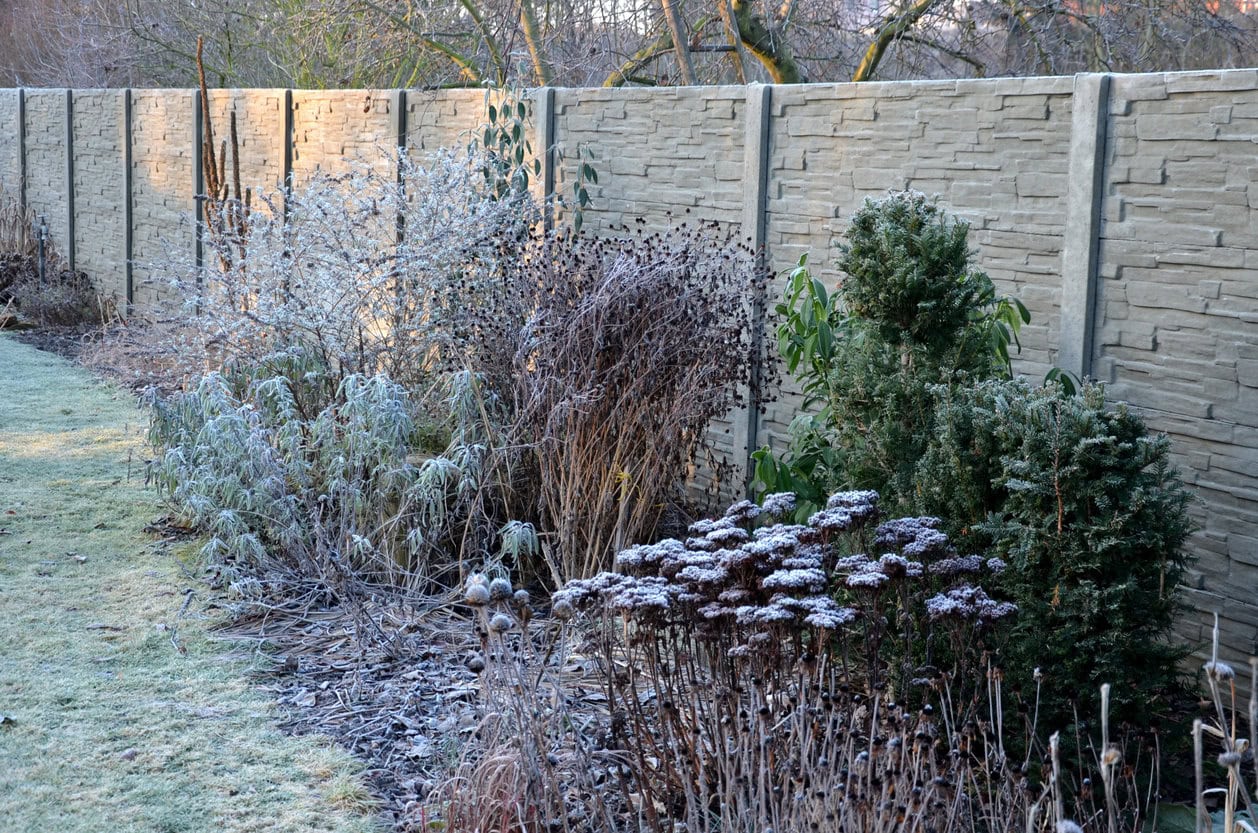
January turns mild-mannered homeowners into hedge-trimming zealots, yet tidiness is a trap that leaves your perennials shivering and exposed.
You finally have a hall pass to stay inside and drink coffee while the yard takes care of itself. Fulfill this New Year’s resolution some other time.
The Logic Behind Leafing Them Alone

Hollow stalks provide structural fortresses for the tiny pollinators currently snoozing in your flowerbeds. That aside, decaying foliage creates a thermal blanket, traps heat near the roots, and prevents deadly frost heaving.
Nature designed this cycle to recycle nutrients directly into the soil. So embrace the chaos. Your future spring garden depends on winter insulation like a conspiracy theorist on a tinfoil hat.
Since you’re holding off on pruning, you might as well put that January energy to work, check out the plants you should fertilize in January to boost growth when spring arrives.
10 Perennials That Want You to Back Away Slowly
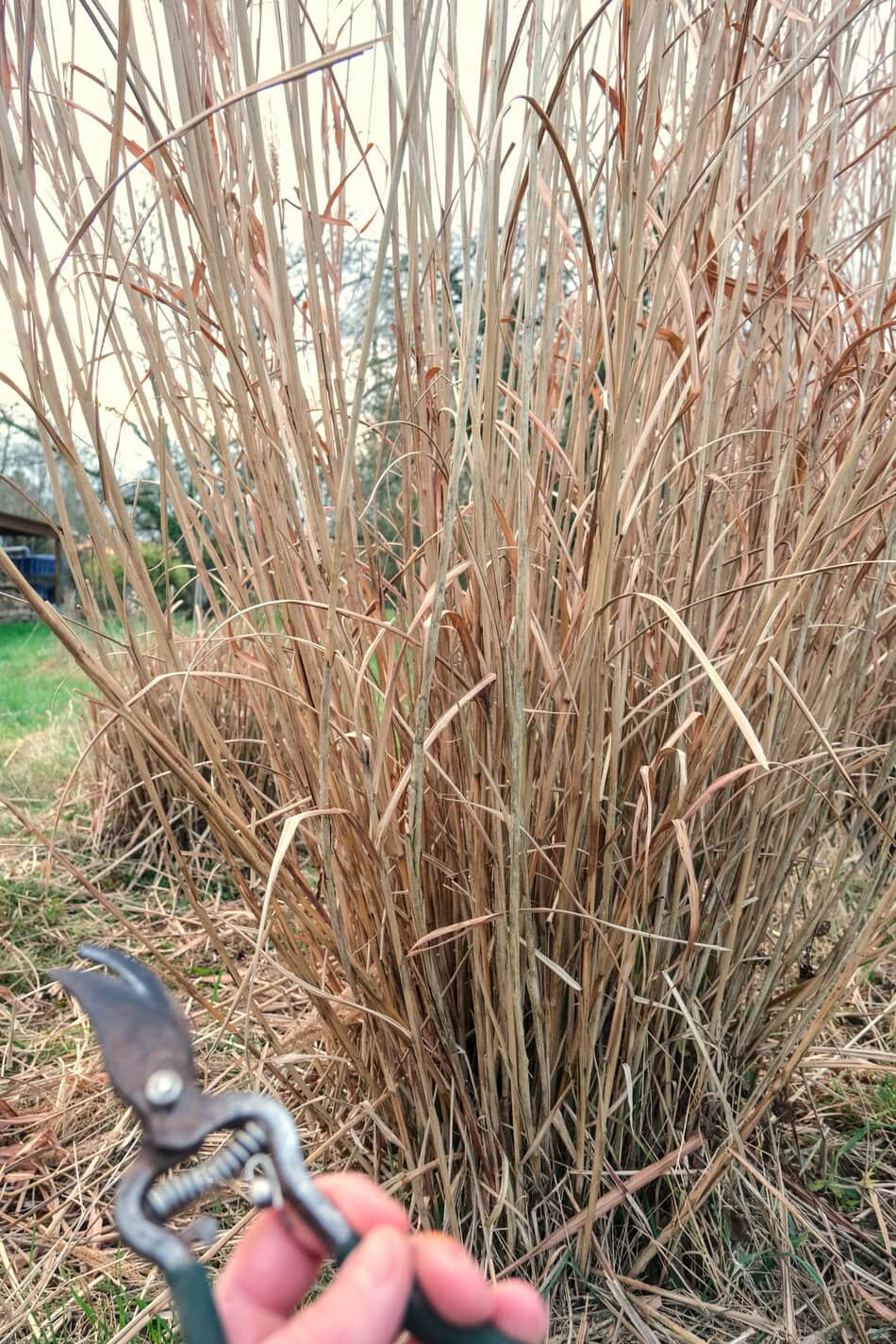
Below are ten perennials that are better left standing in January. I’ve pruned more than a few of these too early in the past, so consider this a friendly nudge to put the pruners down and let winter do its thing.
1: Ornamental Grasses

Empty landscapes offer nothing but a view of your own seasonal depression. Panicum and Miscanthus stalks provide the only kinetic energy left in a yard currently looking like a parking lot.
If you shave them into a wasteland, you’ll remove the structural windbreak your more fragile plants rely on for survival.
Quick tip: I know the urge to cut them back the first warm day in January is strong, but every time I did that, the clump looked weaker in spring. Waiting a few more weeks makes a noticeable difference.
2: Echinacea

Goldfinches view your property as a high-calorie deli during the next inevitable blizzard. Decapitating Purple Coneflower’s seed heads will evict the flying wildlife and level the pantry before the worst weather arrives.
Stiff stems provide a vertical grit that defies the snow while you watch from the warmth of your living room. Avoid the urge to play God with the local food chain just because you want a tidy patch of mud.
3: Rudbeckia

Sturdy skeletons offer a bit of rustic charm against a horizon that looks like a bleached sheet. These dead stems block the ice from bullying the roots during the erratic mood swings of a January thermometer.
Black-Eyed Susans tolerate winter neglect while the ground remains a frozen block. One afternoon of misguided ambition usually results in a plant funeral once the thaw begins. The garden prefers your laziness to your sense of order.
Quick tip: I once cleaned these up during a January thaw and thought I was being productive. By spring, several plants struggled to come back. Now I don’t touch them until growth actually starts.
4: Stonecrop

Dried flower heads hold the snow like tiny powdered donuts. At least for a few fleeting moments of beauty. Still, removing these stalks leaves the fleshy crown vulnerable to the brutal cycle of freezing and thawing.
Moisture remains the primary assassin of a healthy Sedum. Dead flower umbrellas will keep the center of the plant dry and rot-free while you wait for the sun to return. A dry crown is a living crown, so leave the protection alone.
5: Coral Bells
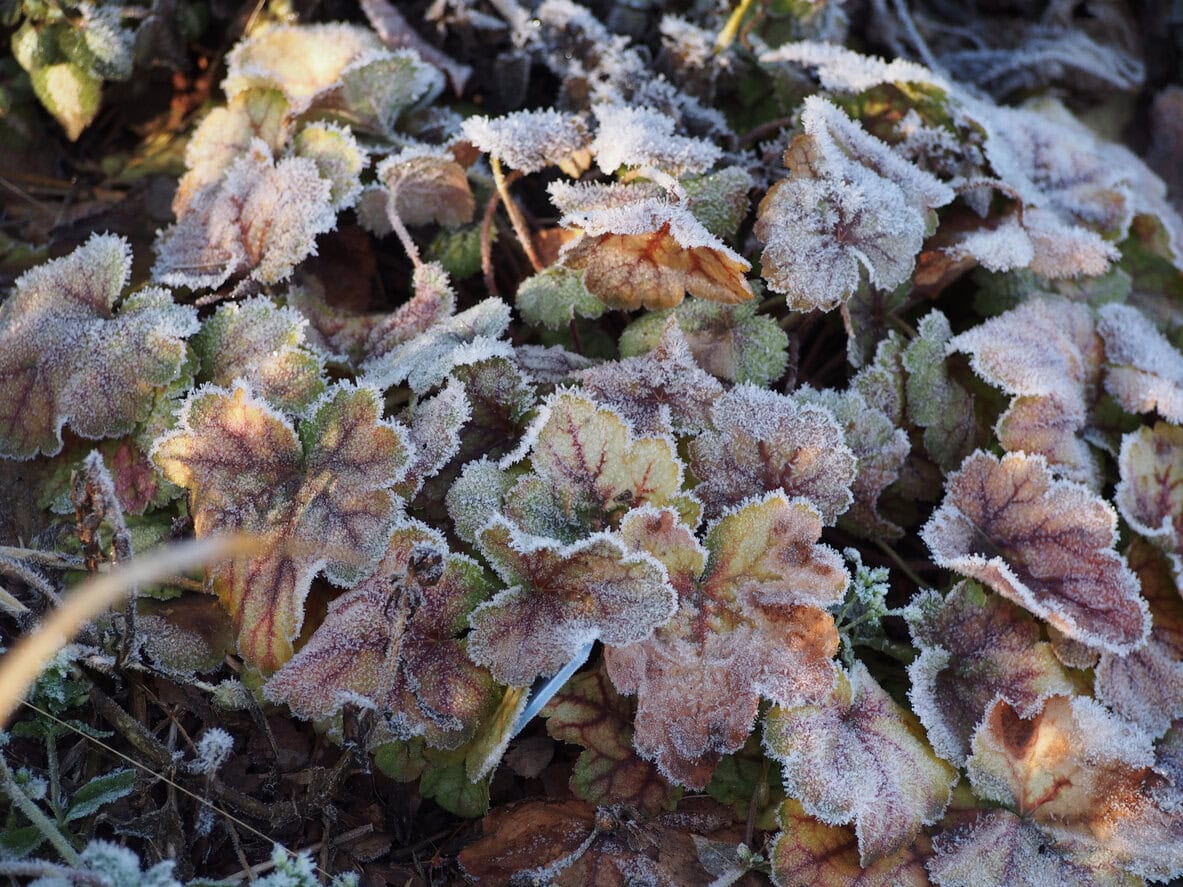
These semi-evergreen beauties despise a winter haircut almost as much as they hate the frost. Snipping the foliage early exposes the sensitive crown to frost heaving, which is just a fancy term for the earth spitting your plant out.
Heuchera loves to stage a slow-motion jailbreak when the temperature fluctuates. That raggedy pile of old leaves is the only anchor pinning the roots to the soil.
Quick tip: I’ve had coral bells push themselves halfway out of the soil by spring. Once I stopped cleaning them up in winter, that problem disappeared.
6: Hellebores

New Lenten Rose buds hide beneath the tattered canopy of last year’s growth like a secret you aren’t supposed to know yet. Yet, overzealous pruners usually snip off the very flowers they hope to see in March.
Your patience in January will help the blossoms survive the last gasp of winter without a scratch. Treat the old leaves like a protective crust until you can clearly distinguish the fresh flower stems from the brown waste.
If you do get the pruning itch later in the season, here’s 10 flowers that come back strong after a February cut-back, perfect for knowing what to tidy once winter’s almost over.
7: Russian Sage

Silver stems provide the only bit of skeletal structure in a yard that otherwise looks like a swamp. Trimming the wood now invites moisture and rot directly into the core of the plant’s nervous system.
Wait until the first green nubs peek out at the base before you even think about pruning Perovskia (now rebranded by botanists as Salvia yangii, because even plants have identity crises). The silver wood serves as insulation, not an eyesore.
8: Lavender

Cutting into the old dramatically increases your odds of a shrivelled and dead shrub by Easter. Keep the shaggy growth intact until the threat of a deep freeze vanishes for the year.
Lavender’s brittle armor is the only thing standing between a healthy plant and a soggy memory. Respect the wood, or plan an expensive date at the garden center.
9: Monarda

Seed heads serve as architectural marvels for the eye and a sanctuary for the beneficial insects hiding from the wind. Removing Bee Balm stalks crashes the winter housing market right when the ecosystem needs it most.
Let the skeletons stand so your garden remains a functional habitat. Sterility is the enemy of a thriving spring garden, and the bugs need a place to crash.
Quick tip: I used to cut bee balm back for a cleaner winter bed, and every spring felt quieter. Once I stopped tidying it up, beneficial insects showed up again without me doing anything else.
10: Ferns

Deciduous ferns, in particular, rely on old fronds protect the delicate fiddleheads from the icy grip of a late-season frost. Removing the brown lace now leaves the heart of the plant totally exposed to the elements.
Leave the dead foliage until the new green curls demand their own space in the sun. Your ferns might look like a heap of laundry for a month, but at least they will be living laundry.
If you’re itching to do something in the garden this January, here are 9 flowers you can sow in winter for a head start in spring, perfect for keeping busy while the perennials wait.
Lazy is the New Productive

Come on, it’s too early in the year to go clipper-happy and you know it. Your job involves protecting the plants, the wildlife, and your peace of mind from boring property investors. So what if you need to leave the yard messy? There are many out there who appreciate the grit.




Found this article the most helpful ever. Thank you.
Hi Sandra 🙂 Thank you so much! I’m really glad you found the article helpful.