Snake plants outlive vacuum cleaners and bad relationships, but even they draw the line at freezing outdoor temperatures. So unless you pay taxes in warmer USDA zones than 10a, your snake plant depends on you. Why don’t you carry it over the threshold and show it some love and respect?
Task 1: Off the Porch and Into the House
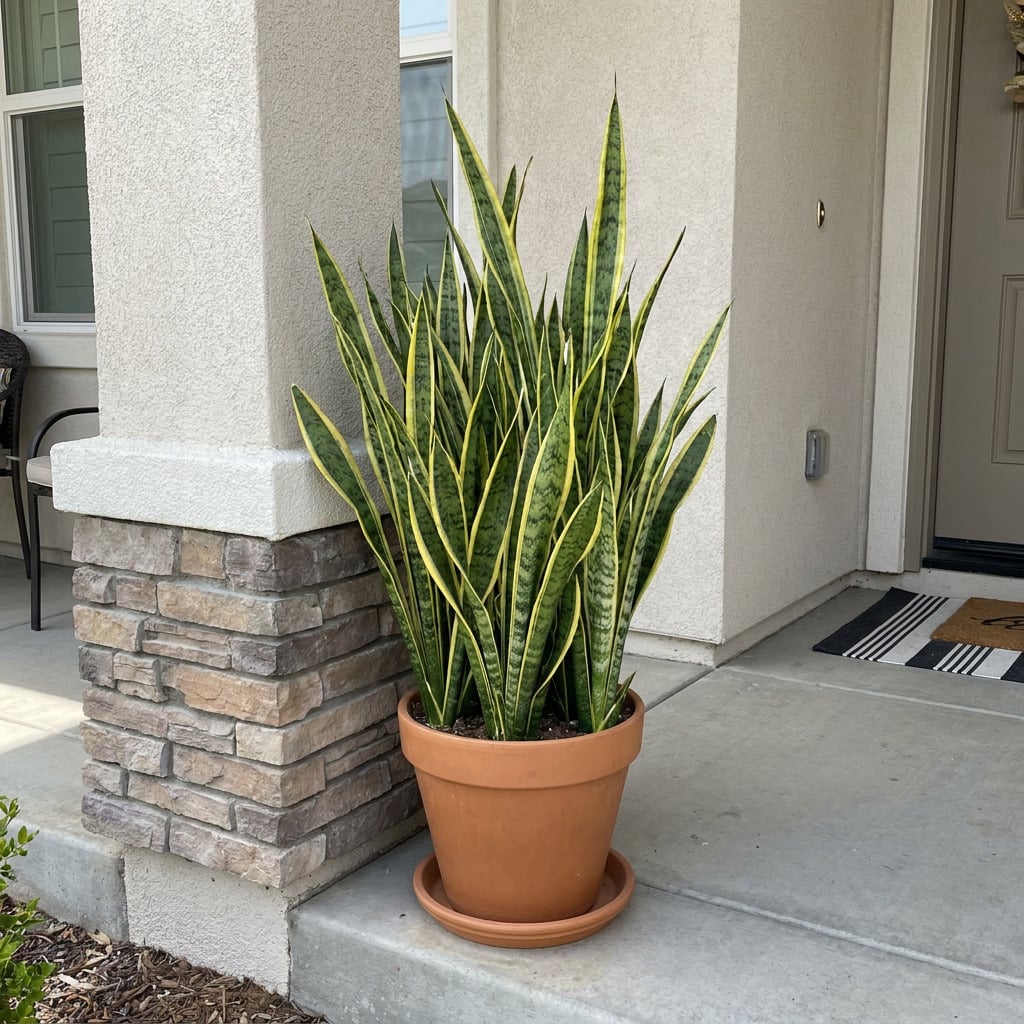
October arrives with cooler night temperatures, and the houseplant baking on your patio has enjoyed enough outdoor freedom. Outdoor fun ends once nighttime temperatures start approaching 50°F.
A single chilly night won’t necessarily ruin it, but prolonged cold exposure or a surprise frost can turn once-firm, upright foliage soft, water-soaked, and translucent. So, haul that heavy pot toward your living room.
Quick tip: Before bringing it inside, check the base and underneath the pot for hitchhiking pests, clear off any stray garden debris, and give it a clean slate.
And if you’ve got other plants enjoying their last days outdoors, we also wrote a guide on 9 plants you should bring indoors before frost hits.
Task 2: Chasing Brighter Fall Light

Snake plants are considered unkillable decorations for pitch-black hallway corners and windowless bathrooms. They tolerate dim conditions because their growth is stubbornly slow, not because they enjoy it. Even these tough survivors need some light to stay healthy.
Move your potted snake plant near a bright east- or south-facing window, where it can gorge on whatever daylight October has left. That extra daylight helps keep photosynthesis ticking along as the days grow shorter.
Quick tip: Keep it a little back from the glass, and don’t suddenly expose a shade-grown plant to hours of intense direct sunlight!
Task 3: Turn Off the Tap
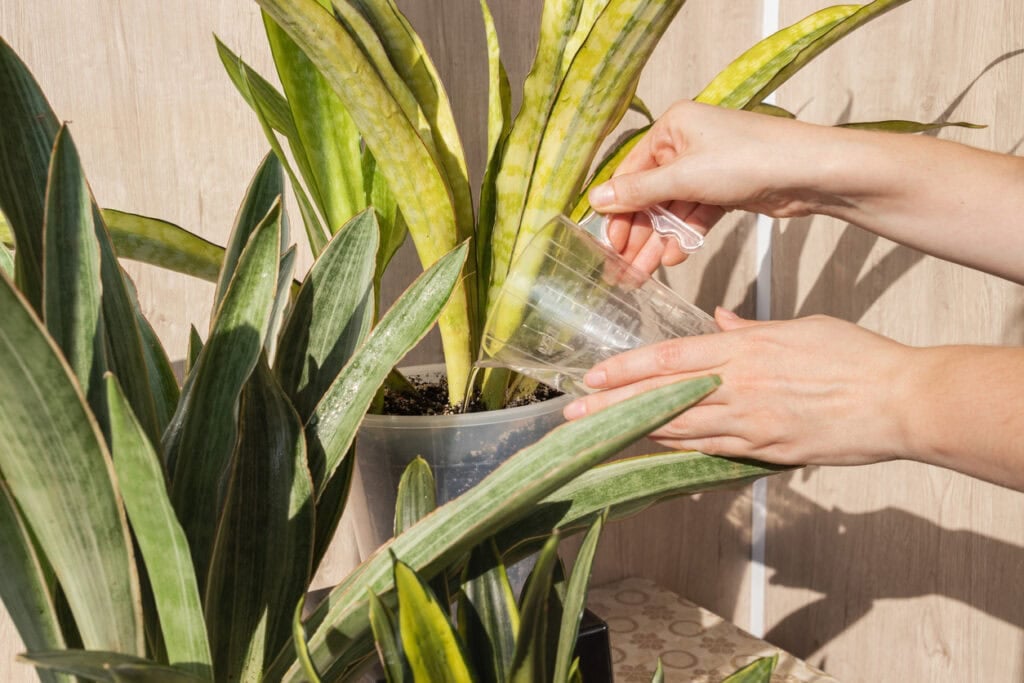
Don’t flood the plant’s soil out of habit! In summer, warmer temperatures and longer days help the potting mix dry out faster. Fall flips that equation.
Cooler air and shorter days slow the plant’s growth, so water can sit around in the pot much longer. Keep the roots soaked, and oxygen becomes scarce. Root rot moves in, and the root system turns to mush.
Don’t water again until the potting mix is completely dry. When in doubt, wait a few more days and check again. A thirsty snake plant may wrinkle slightly. An overwatered one can turn into public-toilet-smelling sludge.
Quick tip: I like to check moisture deeper in the pot with a wooden skewer, since the surface can feel dry while the soil around the roots is still damp.
And if you’re wondering how often your other houseplants need a drink during the colder months, we’ve put together a winter watering guide for common houseplants.
Task 4: Fasting from the Nutrient Sauce
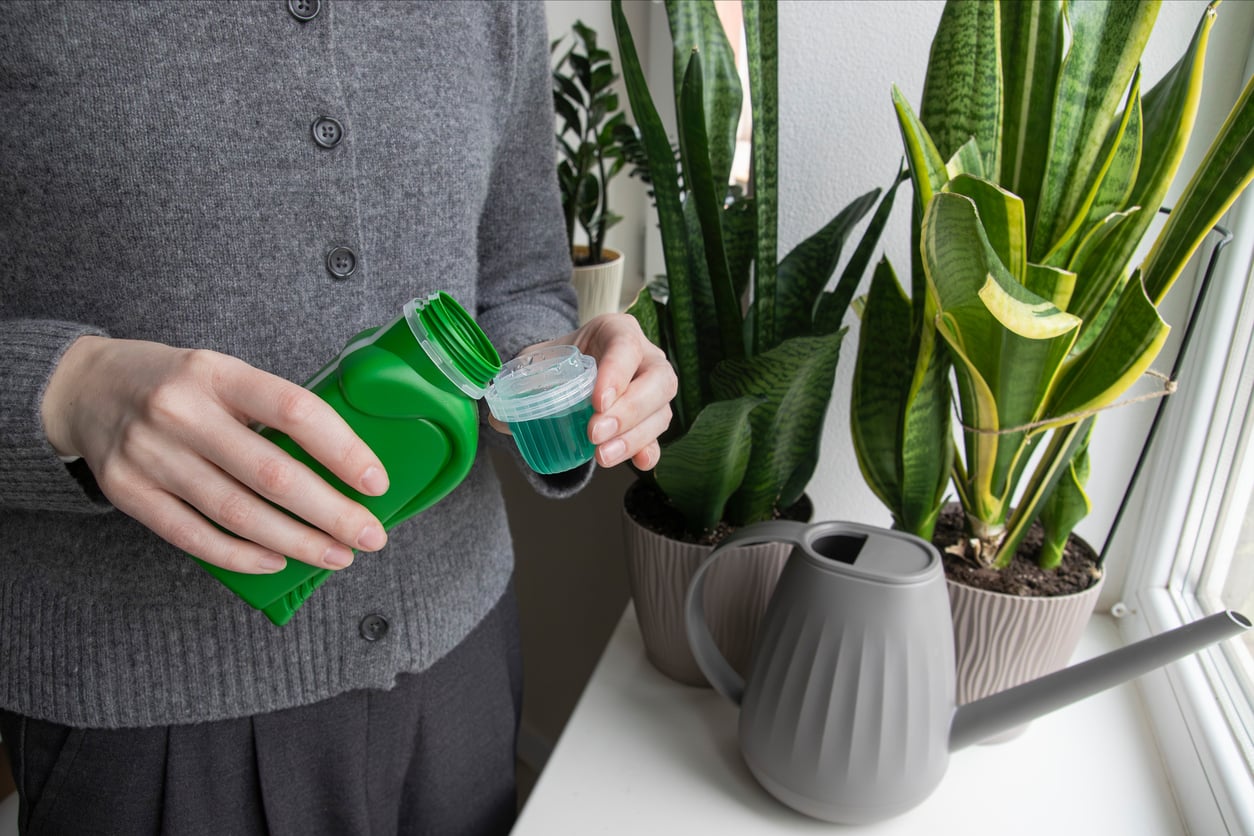
Pouring fertilizer into a potted snake plant during October is usually pointless. With shorter days and slower growth, the plant is powering down rather than asking for another meal.
The roots aren’t using as many nutrients, so unnecessary feeding can leave excess mineral salts behind. Over time, they may build crusty layers in the soil and damage the roots.
Wait until spring, when you notice fresh growth, before reaching for that bottled growth juice.
And when spring rolls around, we have a complete guide on how to fertilize snake plants without stressing the roots.
Task 5: The Muddy Truth of Drainage
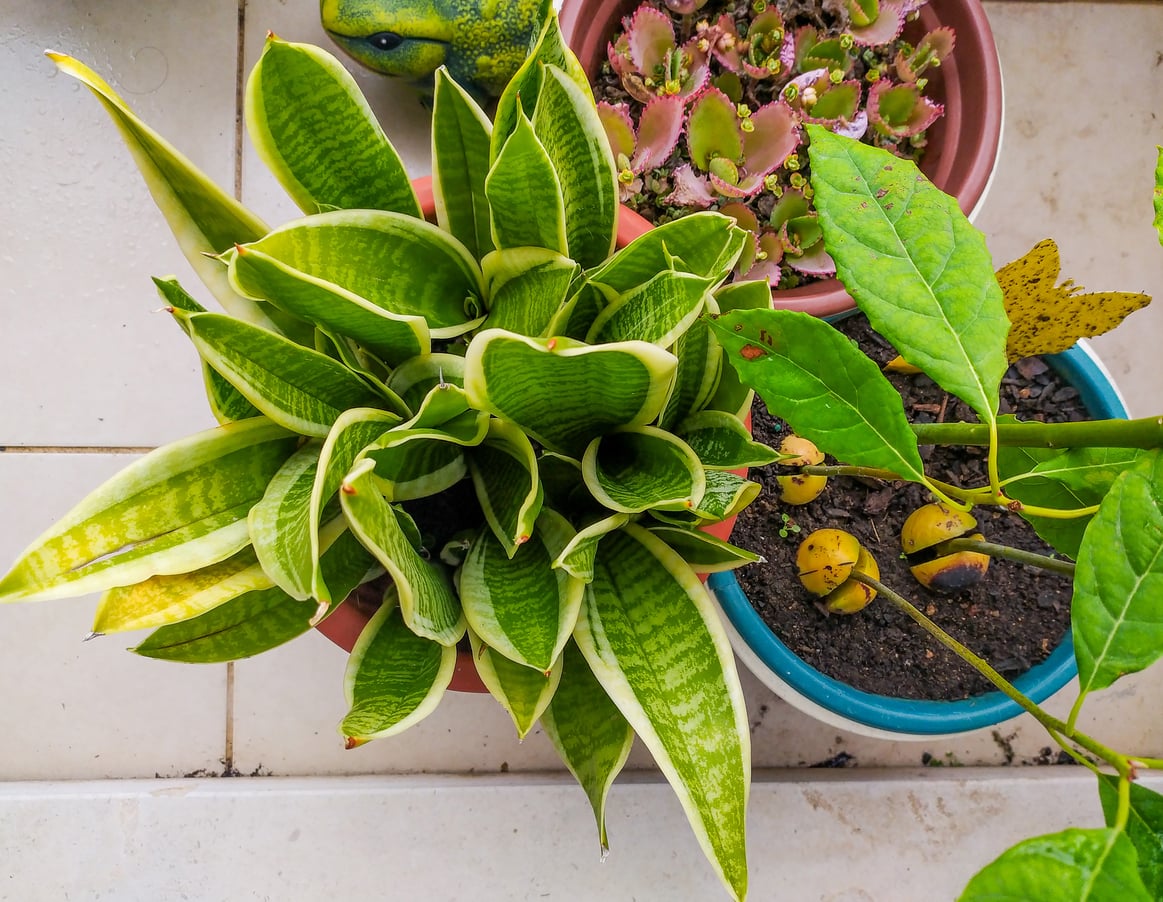
If you’ve ever dealt with a blocked drain, you must empathize with your snake plant. A plugged drainage hole can turn a cozy ceramic pot into an indoor swimming pool and, well, surprise, surprise… your plant can’t swim!
Water mustn’t linger in the saucer, or roots will throw in the towel. Check that the drainage holes are clear, gently remove any visible clogs, and empty the saucer after watering. Physics will handle the rest.
Task 6: Turning a New Leaf Against Pest Invasions
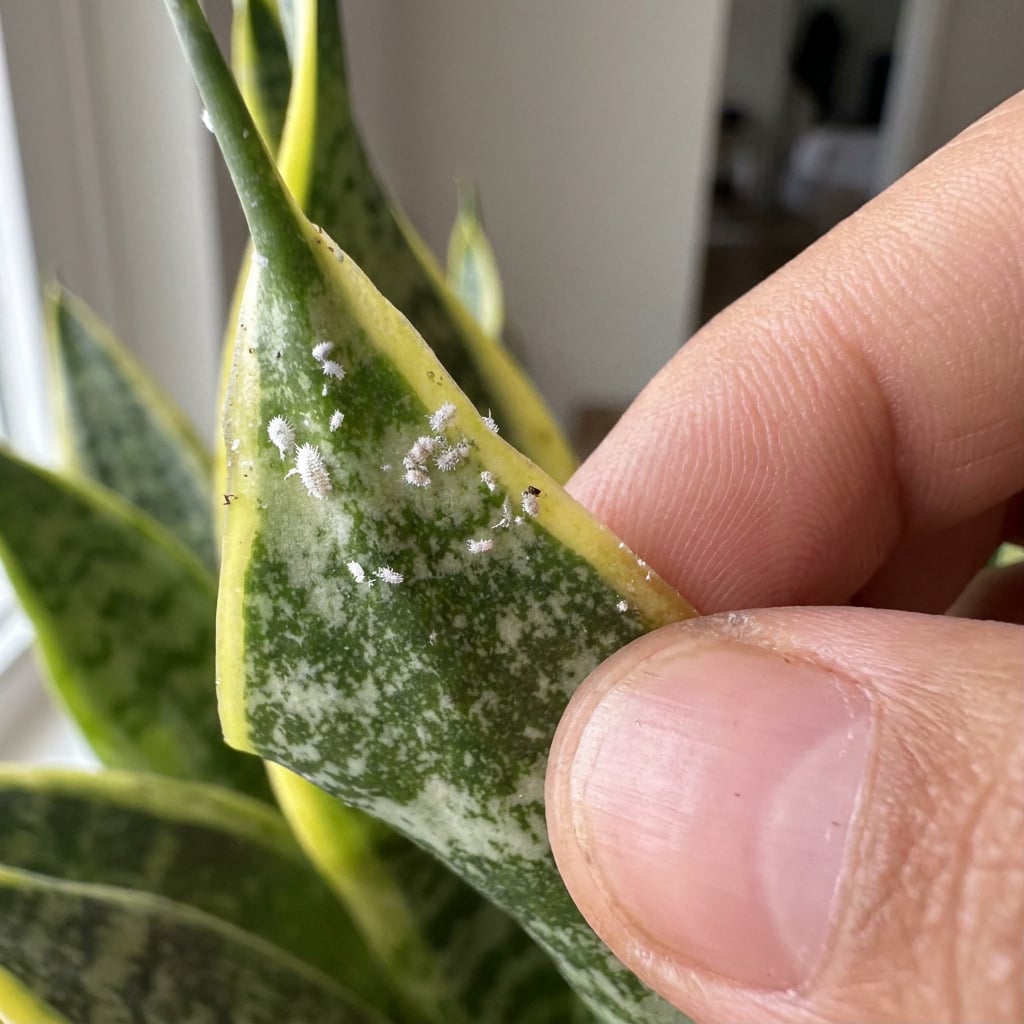
Think you’re the only one who appreciates a cozy October indoors? Mealybugs and spider mites disagree. Check for these little troublemakers.
Quick tip: Keep any infested plant away from your other houseplants and check it again regularly.
Task 7: Out of the Draft and Away from the Frost

Fall weather brings a nasty drop in temperature, which makes window placement a game of dodgeball. Keep your snake plant away from icy glass and heating vents alike.
Your mission is to find a bright spot with steady room temperatures, away from cold drafts and direct heat. Once you hunt down a boring yet stable location where the leaves won’t touch the windowpane, settle your snake plant there and let it coast through winter at its own slow pace.
If your snake plant is already showing signs of trouble with curling leaves, we also explain what causes snake plant leaves to curl and how to fix the problem.
A Snake Plant Sheds Its Name, Not Its Habits
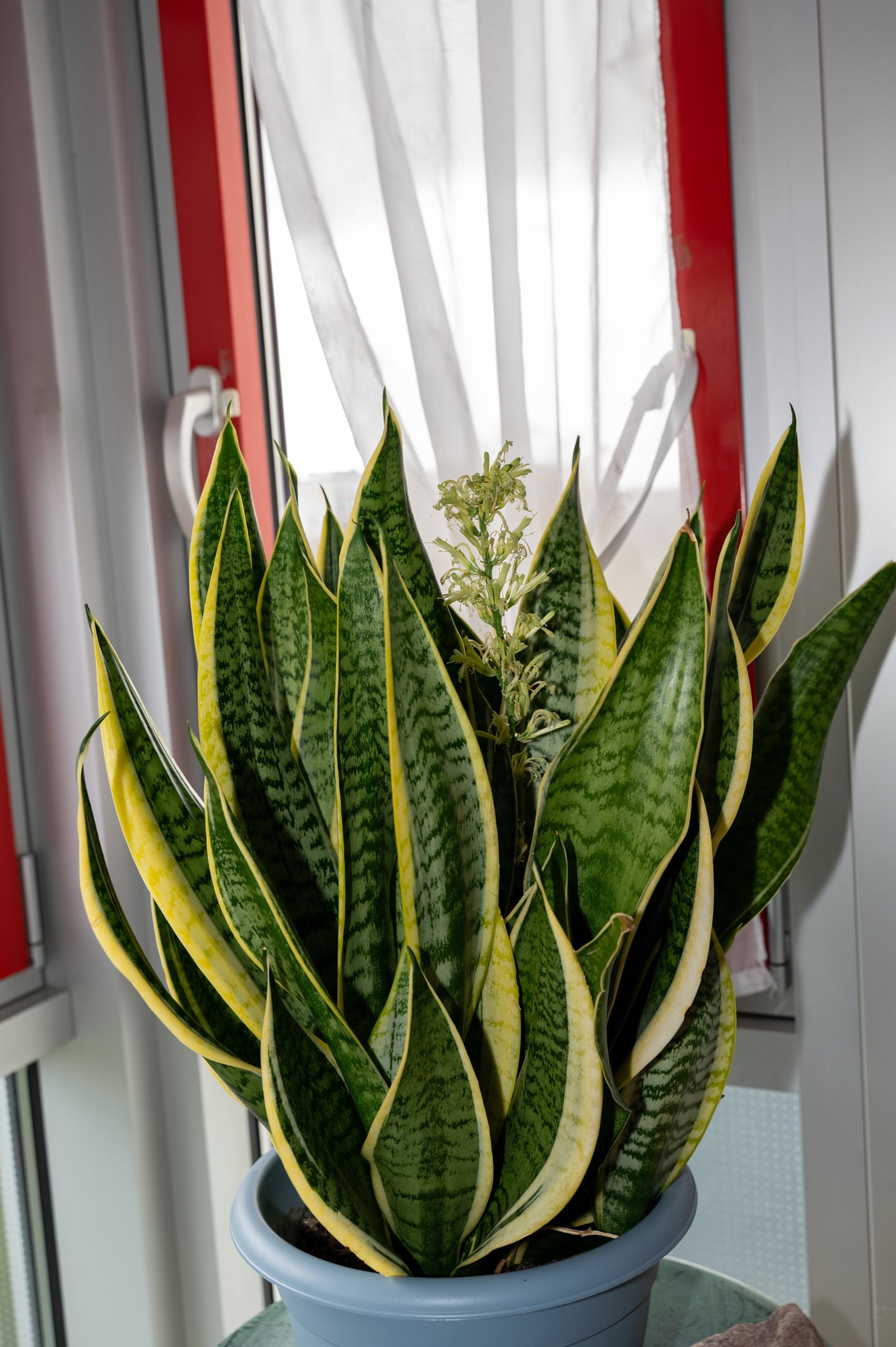
Hardworking academics officially dumped the Sansevieria label in favor of Dracaena trifasciata, but plenty of longtime growers still haven’t kicked the old name.
The word “Dracaena” brings leafy indoor trees to mind, not these spiky architectural leaves. Whatever name you prefer (or see on a tag), the October rules remain the same.
No Human Food for Snake Plants
Beware. There’s an endless supply of bizarre magic bullet houseplant hacks.
Leftover coffee, tea, or sugar-water concoctions won’t work fall miracles. They just trigger white mold, swarms of gnats, and rotting soil. Better stick to dead-simple care and be couch potatoes together ’til spring.