Wishful thinking won’t conjure gigantic peony blooms, but smart fall cleanup can certainly help. Since herbaceous peonies refuse to take orders from your calendar or your shears, rushing the job can cost you flowers next season.
Follow these simple October moves to protect the roots and set them up for a strong flush of blooms next spring.
Task 1: Leave Healthy Green Foliage
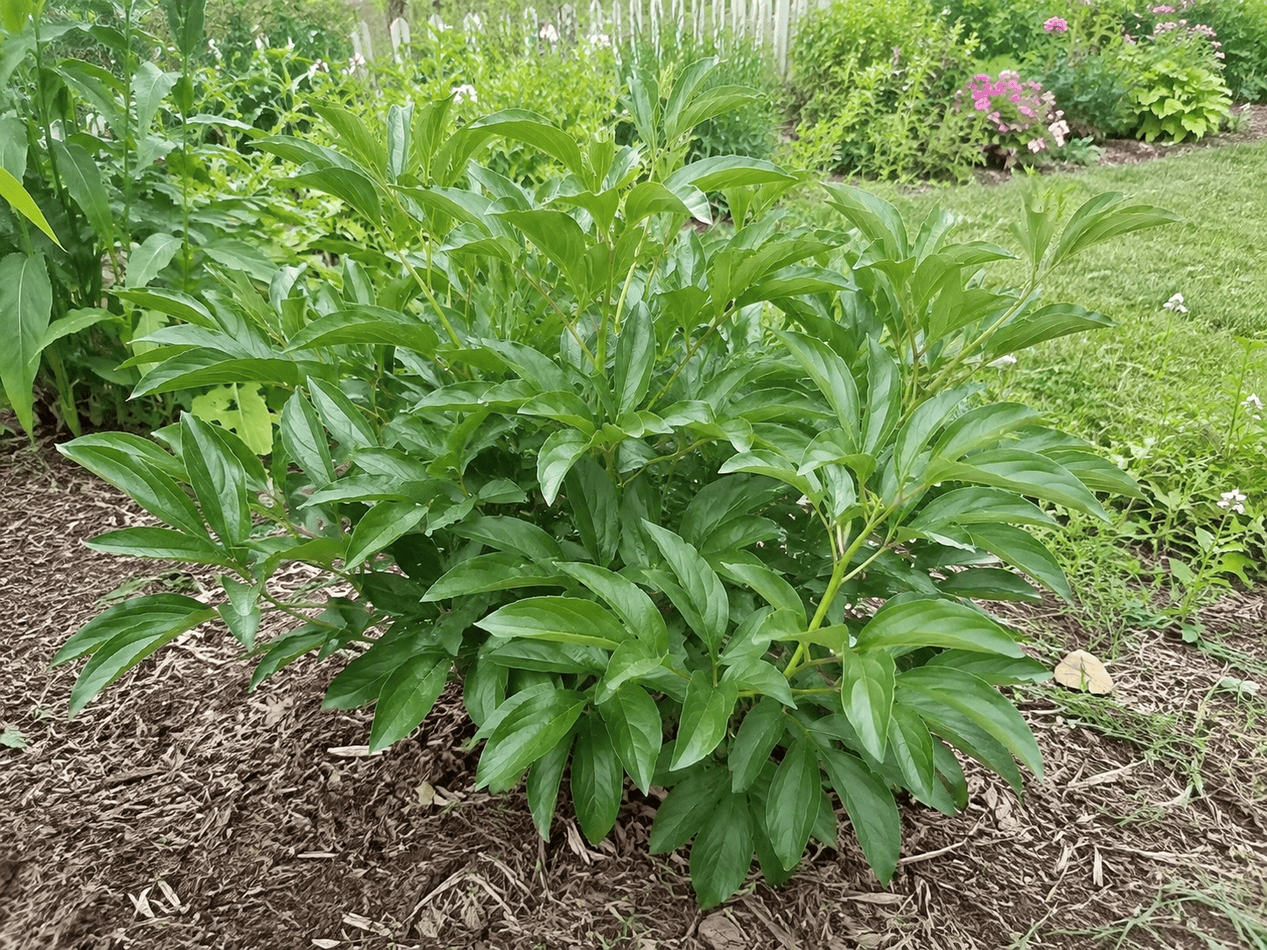
Hacking down green peony leaves in early fall is basically locking your plant out of its own kitchen.
Those leaves are still cooking up food and helping the roots store energy for next spring’s bloom show! Snip them too early, and you’re sending the crown into winter hibernating on an empty stomach.
Forget whatever date your calendar claims is “fall cleanup day.” I wait until a hard freeze turns the foliage limp and brown. Once those leaves have finished doing their job for the season, then you can clear the deck.
For year-round care, we also wrote a guide on the August peony tasks that help prepare plants for next year’s blooms.
Task 2: Cut Back Dead Herbaceous Stems

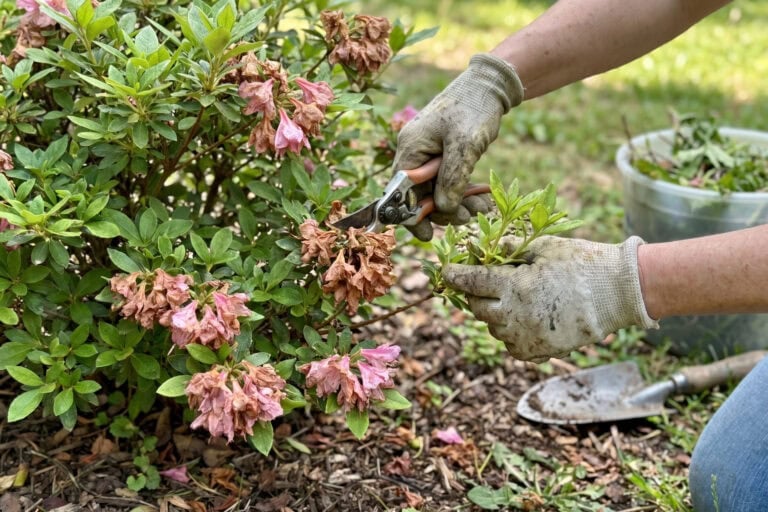
Once cold weather finally slays the canopy on herbaceous peonies, snip the dead stems down to about an inch or two above soil level.
Keep your blades clear of the crown. Those swollen buds, or eyes, near the soil surface are next year’s growth, and careless cutting around them can damage the shoots you’re waiting for in spring.
Quick tip: Double-check your plant’s ID before cutting. Tree peonies keep permanent woody stems, so treating them like herbaceous peonies can remove the growth that carries future flowers.
Task 3: Remove Diseased Debris
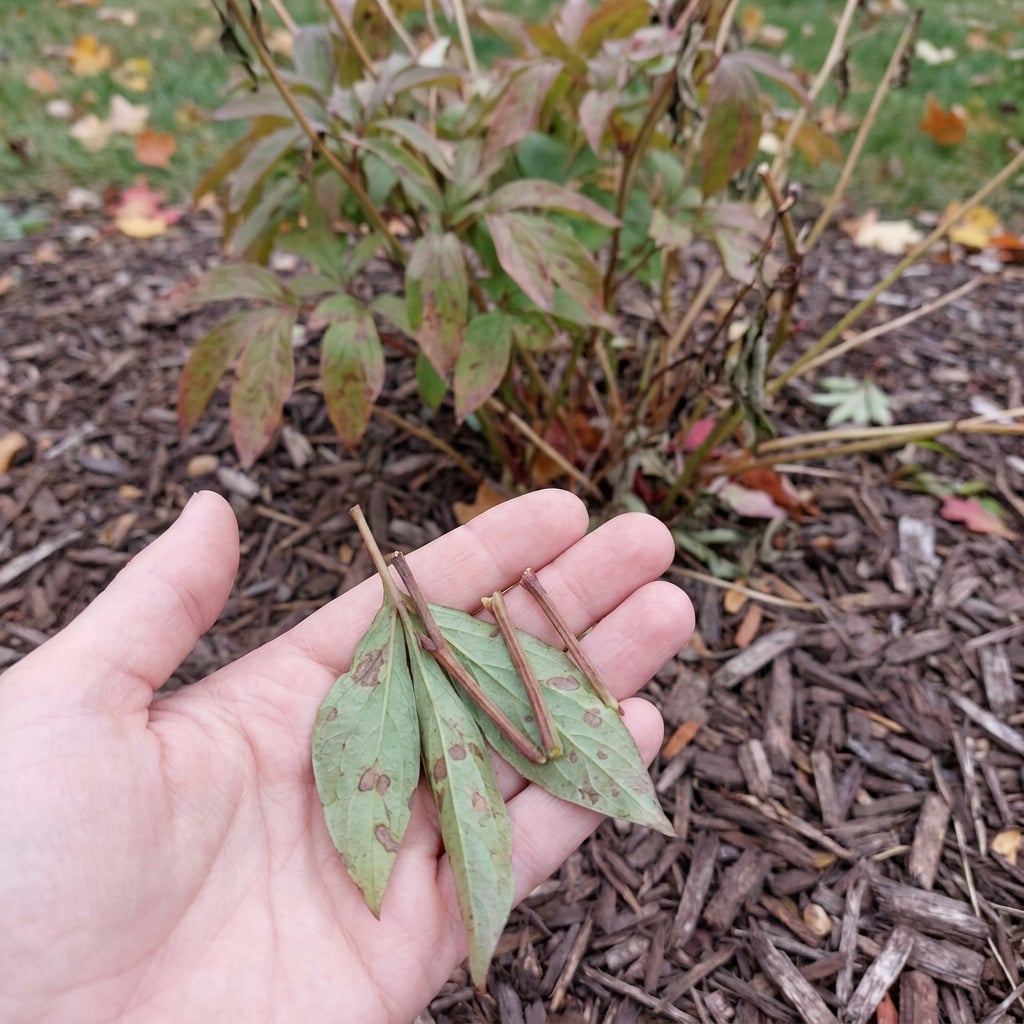
Fall cleanup isn’t merely about garden aesthetics. It’s an aggressive sanitization protocol, level Virgo.
Botrytis spores can survive on dead peony stems and leaves through winter, waiting to infect tender new growth in spring. I clear away old foliage and fallen debris from around the crown, especially anything spotted, moldy, or obviously diseased, and keep infected material out of my home compost.
Removing this debris now helps reduce the amount of disease hanging around to cause trouble again next spring.
Task 4: Check Planting Depth
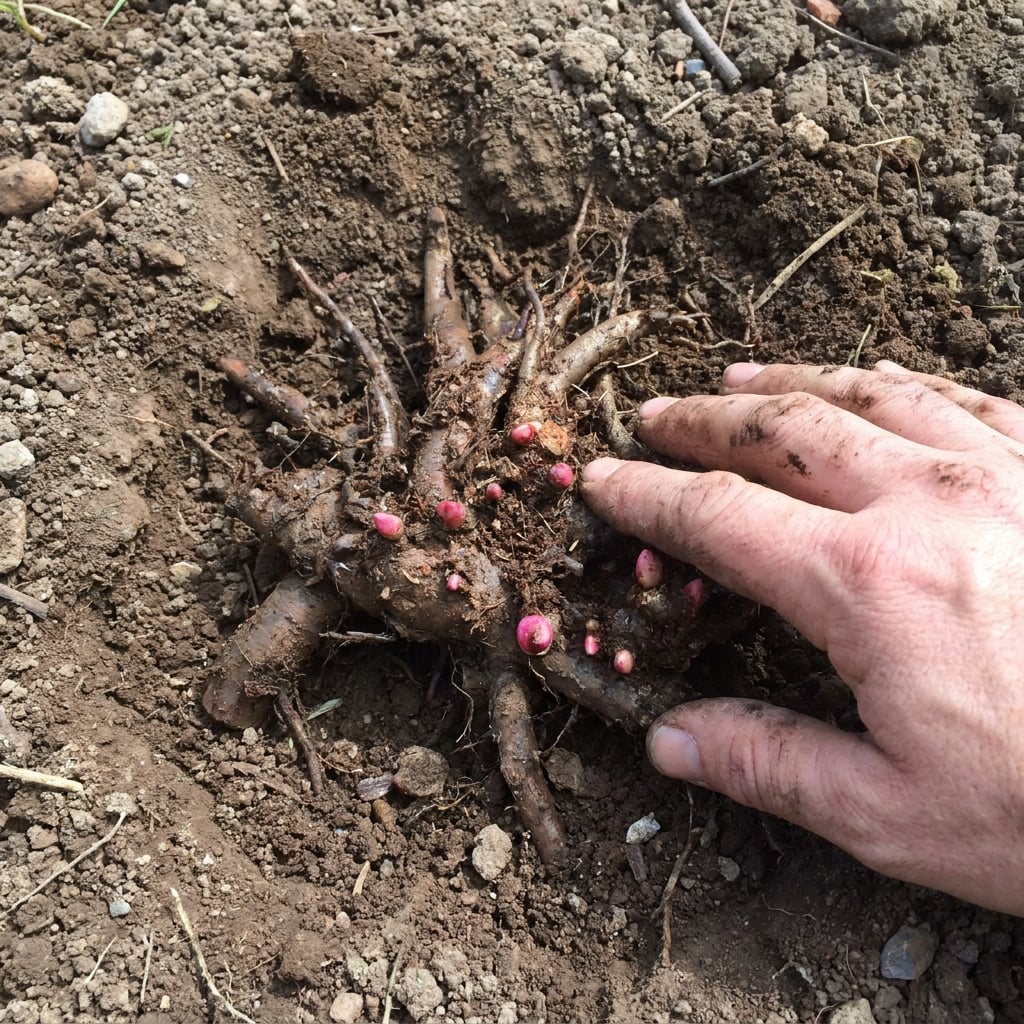
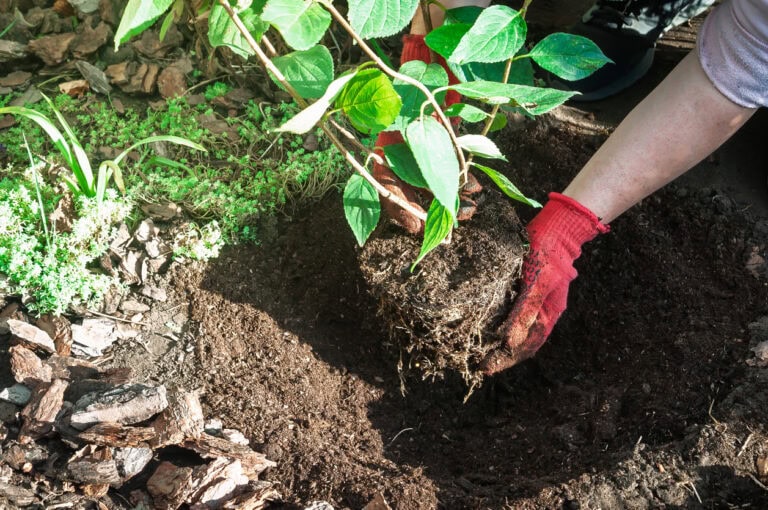
If your peony pumps out lush leaves but ghosts your bloom season, it may be grounded (literally!!!). Start by gently brushing back enough soil to locate the reddish growth buds, or eyes, and check how deep they’re sitting.
For herbaceous peonies, those eyes should usually be about one to two inches below the finished soil surface. If they’re buried much deeper, carefully dig around and beneath the dormant root system, lift the clump, and reset it at the proper depth without damaging the thick roots or crown.
Firm the soil gently around the roots and water it in well so the plant settles into place without sinking deeper over winter.
Task 5: Move or Divide Only if Necessary
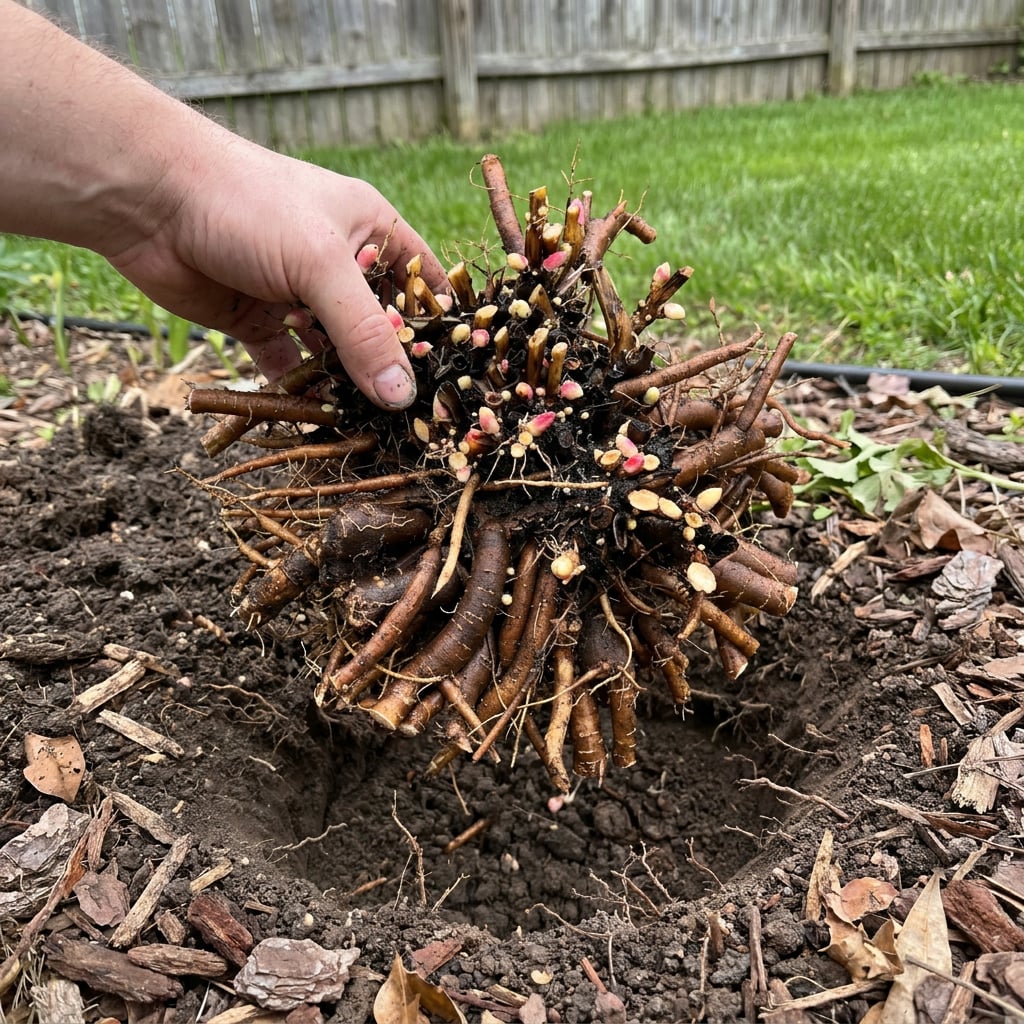
You don’t need to divide peonies just to branch out. These stubborn perennials are perfectly happy staying put for decades! Moving or dividing them can interrupt flowering for a season or two while the roots settle back in.
Unless a shade tree is stealing their sunlight, the clump has outgrown its space, or you actually want more plants, forget the spade. Leave established peonies alone whenever they’re healthy and blooming well. If you actually need to move or divide your peony:
Quick tip: Smaller divisions can survive, but they’ll usually take longer to build enough strength for a good flower show.
Task 6: Water New Plants and Plan Winter Mulch
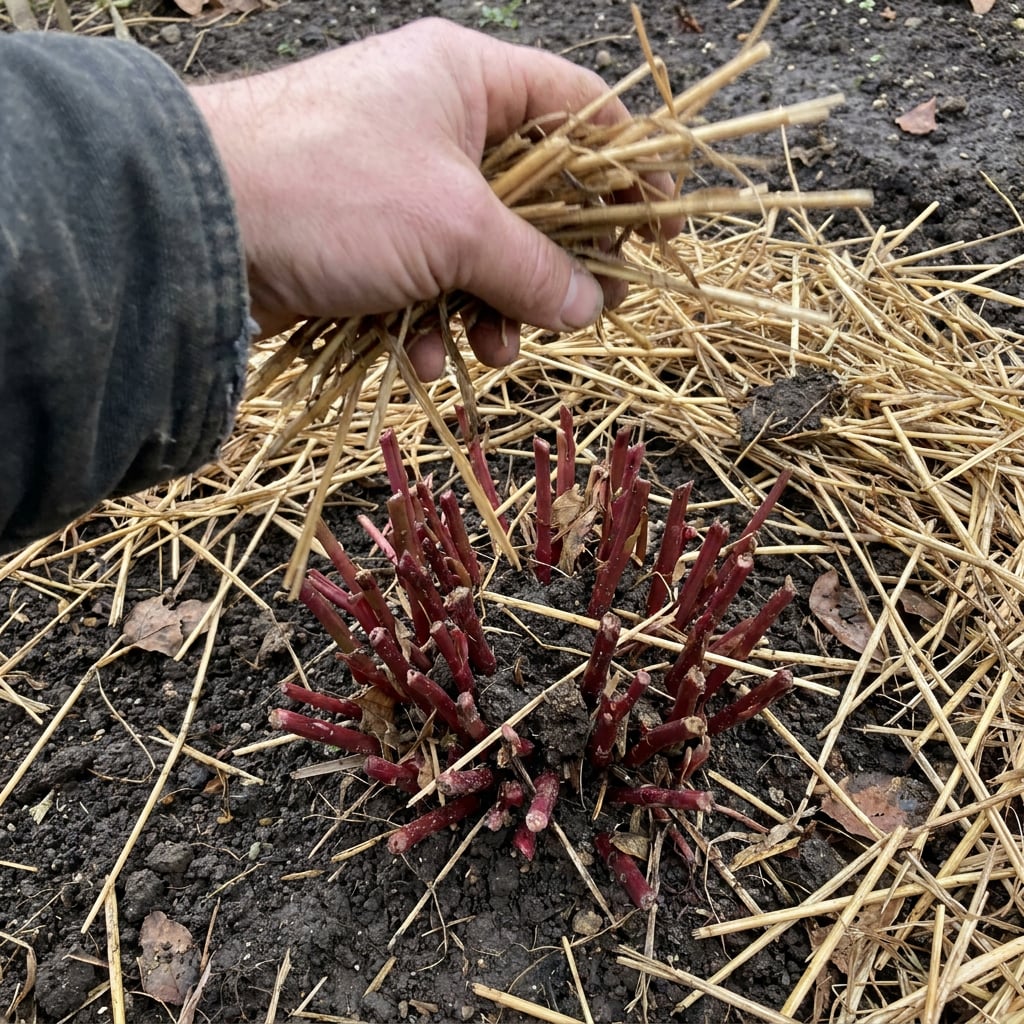
Give newly planted peonies a deep drink after planting. I water them thoroughly to settle the soil around the roots and eliminate large air pockets that can leave sections of the root system too dry.
Once the ground freezes in cold-winter areas, tuck new crowns under about four to six inches of clean straw or pine needles.
You’re not trying to keep them warm. The mulch helps limit repeated freezing and thawing that can heave newly planted roots toward the surface. Just pull it back early next spring as new shoots begin to emerge.
Quick tip: Established peonies usually don’t need this extra winter mulch. It’s mainly useful for protecting new fall plantings in colder climates.
To keep that care going through winter, check our guide on the January peony tasks that help set plants up for spring.
Task 7: Mark Your Territory
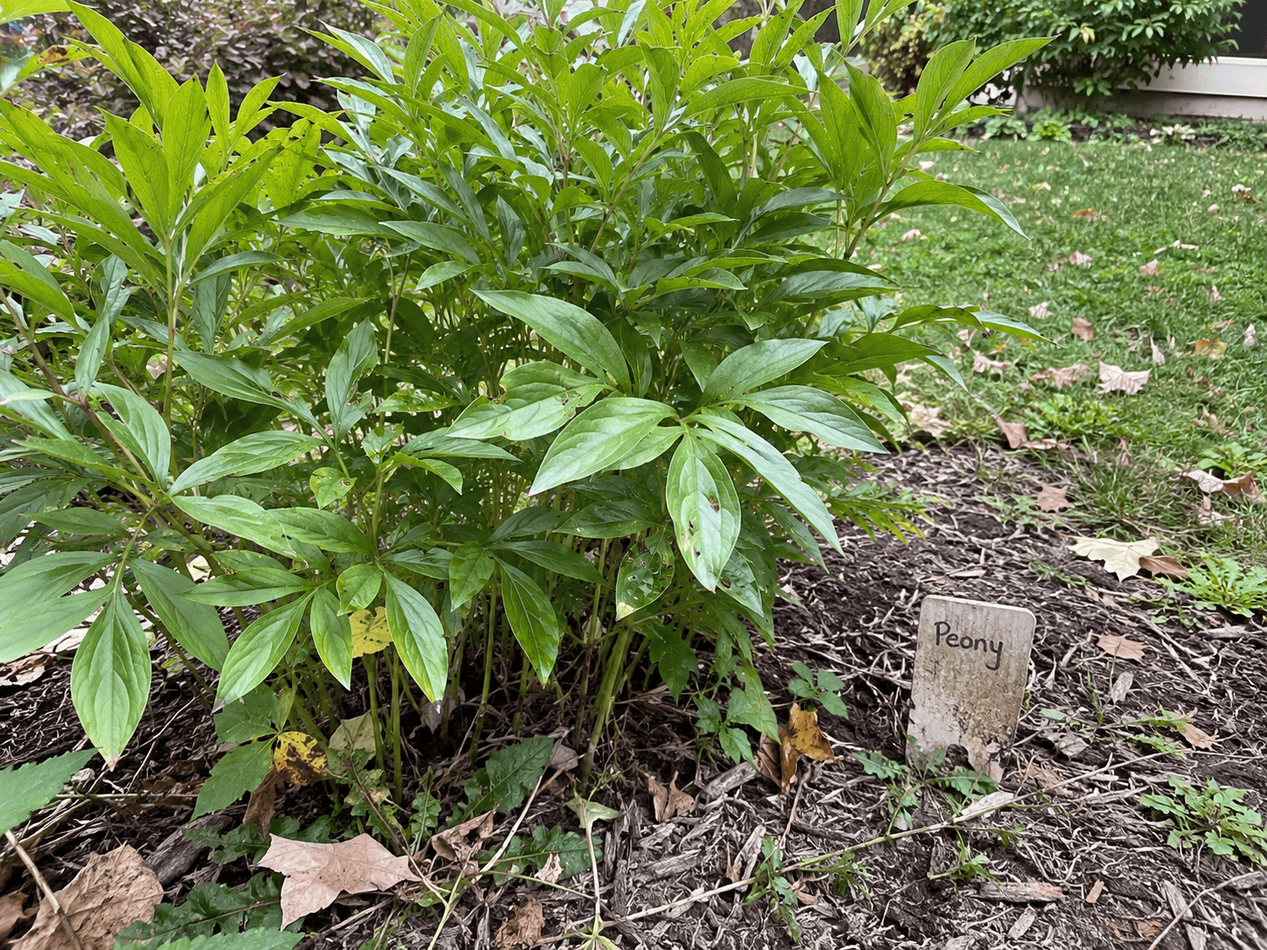
Before winter turns everything into a featureless mud pit, place a sturdy marker beside your dormant peonies.
Herbaceous peonies disappear completely underground over winter, so marking the spot now can save you from driving a spade straight through an invisible crown or root system next spring.
Don’t Lose Your Cool in Warm Zones

Peony care shifts a little depending on how cold your winters get:
Not sure where you fall? Check your USDA hardiness zone for a general guide.
Quick tip: Zone 9 can be marginal for many traditional peonies, so choose early-blooming or lower-chill varieties with a good track record in your area.
A Peony Saved Is a Peony Earned
Work with the season instead of fighting it. Give your peonies the right conditions now and resist the urge to fuss with them more than necessary. The winter ahead will do its part. Come spring, you’ll be blooming with pride over a job well done.
And once winter is over, we explain the spring peony care jobs that keep plants healthy and blooming well.