Fall is here, which means we’re all ready for the annual ritual of saving our favorite aromatic herbs. Don’t let a sudden freeze leave your garden in a pickle. It’s about thyme to sort this out.
Before we jump into the list, one rule on herb oils: refrigerate them immediately and use within four days, or freeze them for longer storage.
Fresh herbs sitting in oil at room temperature can create ideal conditions for botulism, with no bad smell or visible warning. Found a questionable jar on your counter? Don’t taste it. Trash it!
1: Basil (USDA Zones 3-10)
First up on the rescue list is basil. Just like me, it has zero cold tolerance, so harvest heavily before chilly nights or the first frost damage those tender leaves.
Cut stems just above a pair of leaves to harvest plenty of foliage in one go. Don’t bother drying it if you want that fresh basil flavor. While it is technically an option, you’ll lose much of that sweet aroma.
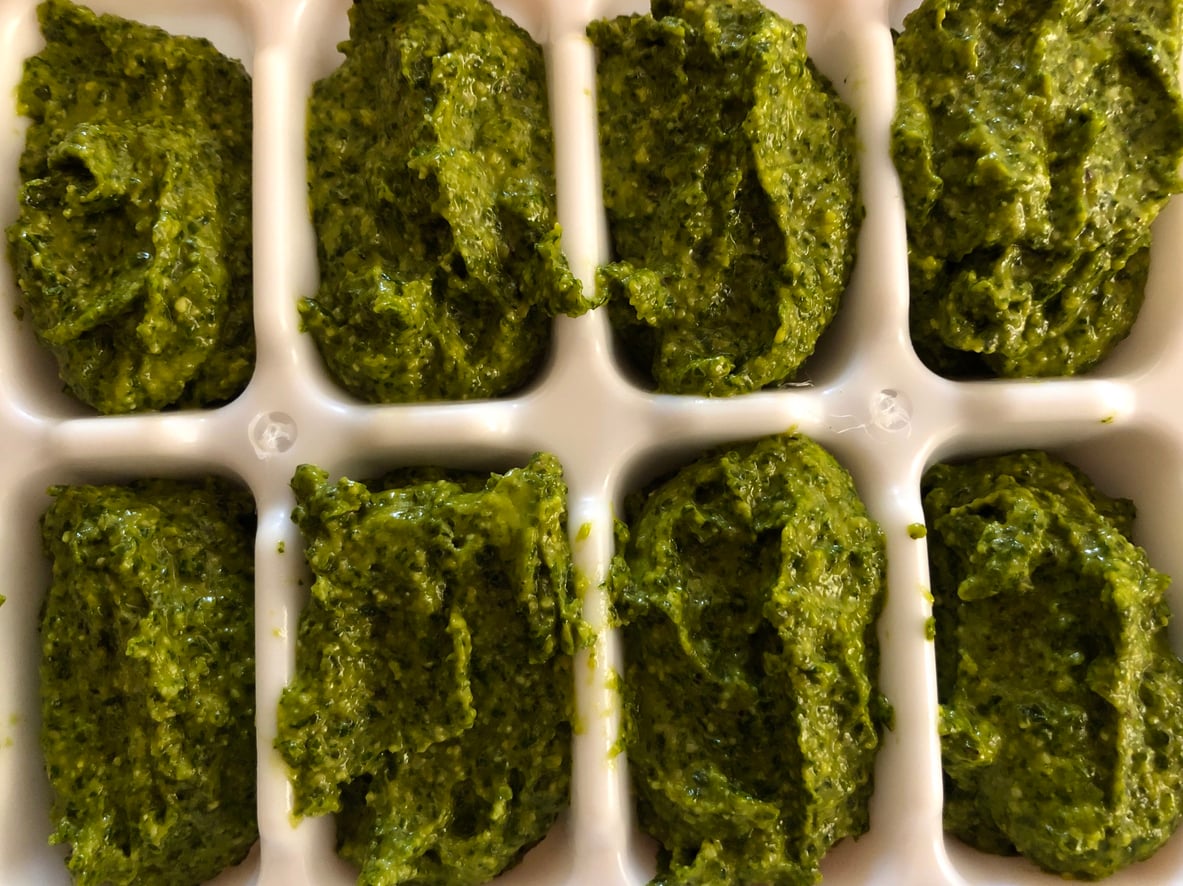
How to preserve it: Run the leaves through a food processor with a drizzle of olive oil. Freeze the puree immediately in ice cube trays, pop the frozen cubes into a freezer bag, and you’re set.
If you’re wondering exactly where to make those cuts, we also wrote a guide on how to harvest basil so it keeps growing back.
2: Rosemary (USDA Zones 3-7)
Here’s where things get interesting depending on where you live. If you’re gardening in a colder zone (like USDA zone 7 or below), rosemary’s just a guest.
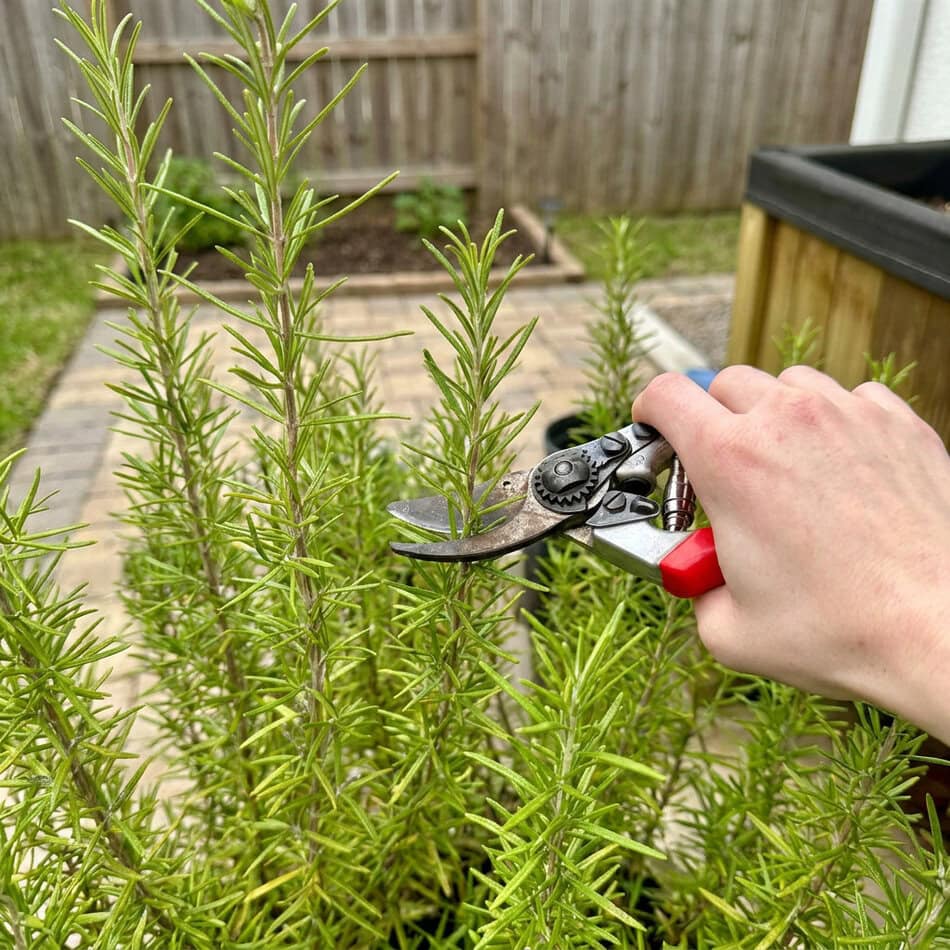
How to handle it? Harvest plenty of leafy sprigs before hard freezes arrive, but don’t cut the shrub back too heavily this late in the season. If your rosemary is growing in a pot, move it to a cool, bright spot indoors.
How to preserve it: Tie a few sprigs together with string and hang them upside down in a dry, well-ventilated room for a couple of weeks, until the needles are brittle. Air-drying rosemary is stupidly easy thanks to its low-moisture leaves.
If you’re hoping to keep yours alive through winter, we also put together a guide on five November rosemary jobs you shouldn’t overlook.
3: Parsley (USDA Zones 3-7)
Your stew will be way better if you skip dried parsley with the flavor intensity of a kitchen towel…
Parsley is the garden workhorse that gets no respect until winter soups need real flavor. Unlike basil, it can survive a light frost, so there’s no need to sprint out to the garden at the first chill.
But once repeated hard freezes threaten to turn those stems into sad green icicles, it’s time for a final harvest. Cut the stems near the base, or harvest the whole clump if you’re done for the season.
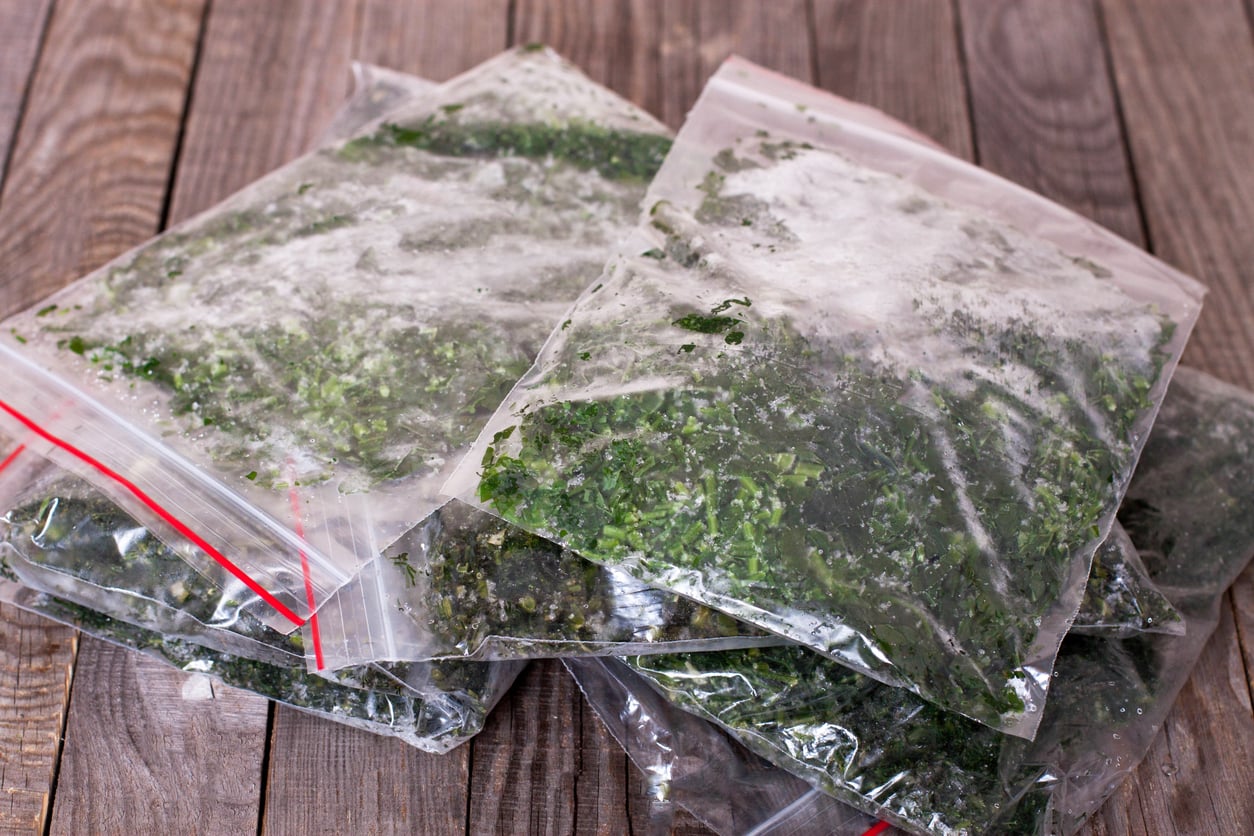
How to preserve it: Rinse the fresh sprigs, pat them dry, and chop the leaves. Press them flat inside a freezer-safe zip-top bag and freeze. Just break off what you need for cooking.
Want to keep your parsley producing instead? We also explain how to prune parsley the right way without damaging the fresh growth.
4: Chives (USDA Zones 3-7)
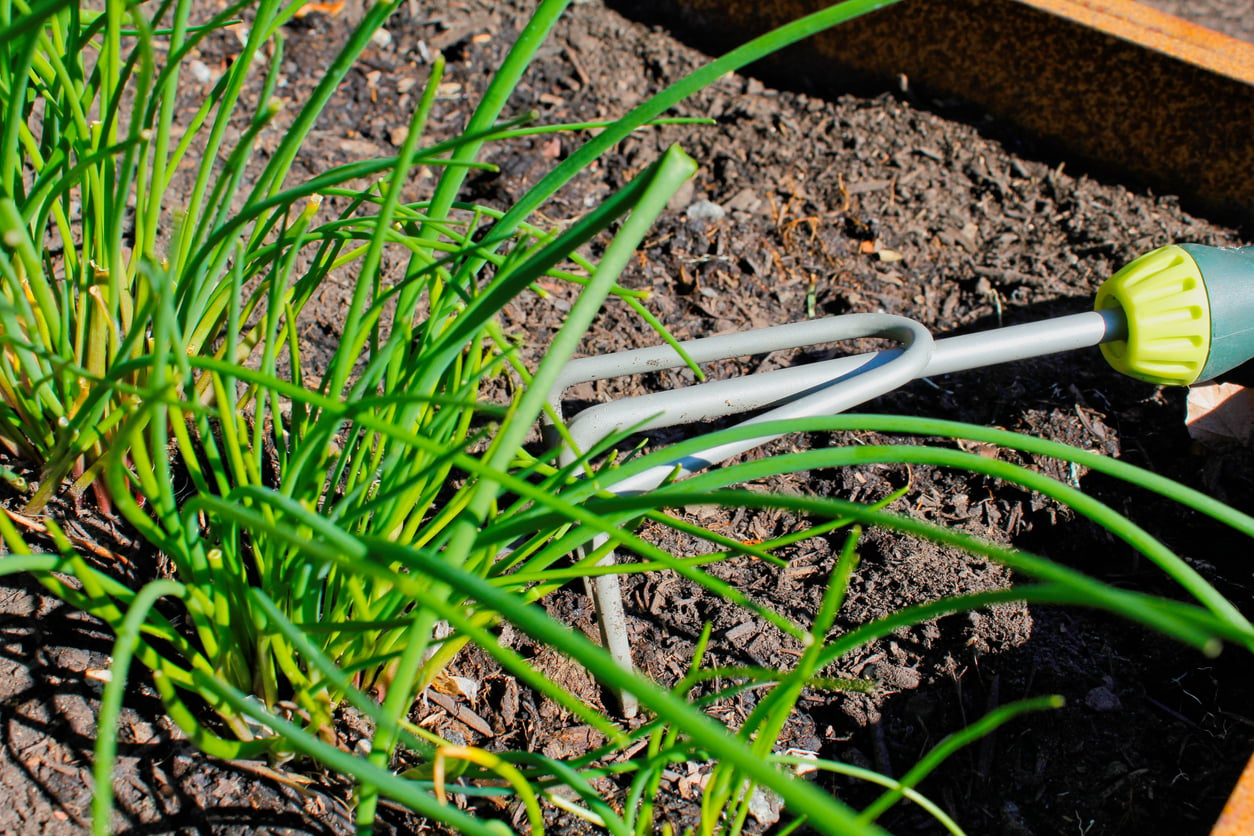
Chives don’t need you to survive winter, but you need chives to survive a cold winter night of baked potatoes and sour cream.
Before repeated hard freezes turn those hollow green spears limp and brown, snip the healthy leaves about an inch above the soil. Don’t worry about the plant itself. Those hardy roots will be back in spring.
Like basil and parsley, chives lose much of their flavor when dried. They shrink into tiny green threads with barely any onion kick left.
How to preserve it: Snip the clean, dry leaves into small rings and scatter them in a single layer on a baking sheet. Once frozen, transfer them to a freezer-safe bag or airtight container. They’ll lose their crunch when thawed, but keep much of that fresh onion flavor.
5: Mint (USDA Zones 3-7)
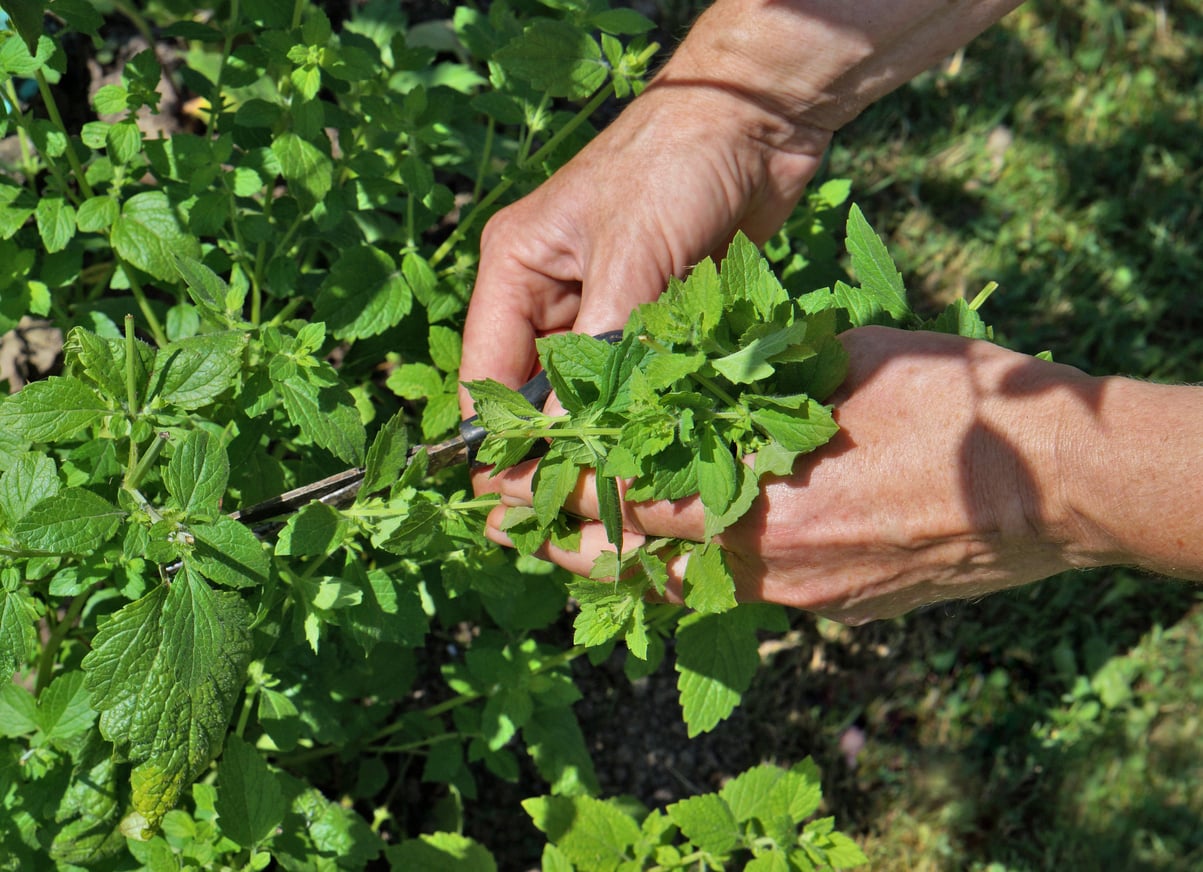
Mint is an aggressive weed with excellent marketing. It’ll survive almost anything you throw at it, including an axe. So snip the healthy stems before repeated hard freezes ruin the leaves, while you still have the upper hand.
Air-drying mint is fine if you’re a tea person. Just tie a few stems together and hang them upside down in a dry, well-ventilated spot until the leaves crumble.
How to preserve it: Stuff three to five clean leaves into each compartment of an ice cube tray, fill with water, and push the leaves under the surface before freezing. Perfect for dropping straight into a glass whenever winter calls for… punchier drinks.
Not ready to give up fresh mint? We also wrote a guide on growing mint and other herbs in water all year long, even without a garden.
6: Oregano (USDA Zones 3-6)

Poor basil… even oregano keeps pushing out leaves well into the depths of fall. Gather a few healthy sprigs before repeated hard freezes damage the foliage.
Unlike most herbs, oregano is actually worth drying. Its flavor gets even punchier once dried! You’ll be fully armed for winter pizza nights.
How to preserve it: Strip the leaves from clean, dry stems and scatter them in a single layer onto a tray. Leave them in a warm, dry, well-ventilated spot away from direct sunlight. Once they crumble between your fingers, store them in an airtight jar.
7: Thyme (USDA Zones 3-6)

Thyme looks delicate. And yet. Those tiny leaves handle early fall frosts with a cold indifference that basil could only dream of.
Snip a few healthy, leafy stems before prolonged freezing weather settles in, but leave those older woody stems alone.
Preserving thyme takes zero willpower. Since the foliage carries less moisture than my grandma’s face, drying is a breeze. Just hang a small bundle in a dry, airy spot until the leaves crumble, then strip them into a spice jar.
How to preserve it: Prefer freezing? Strip the leaves from clean, dry sprigs, pop them into a freezer-safe bag, and use them straight from frozen.
8: Common Sage (USDA Zones 3-6)
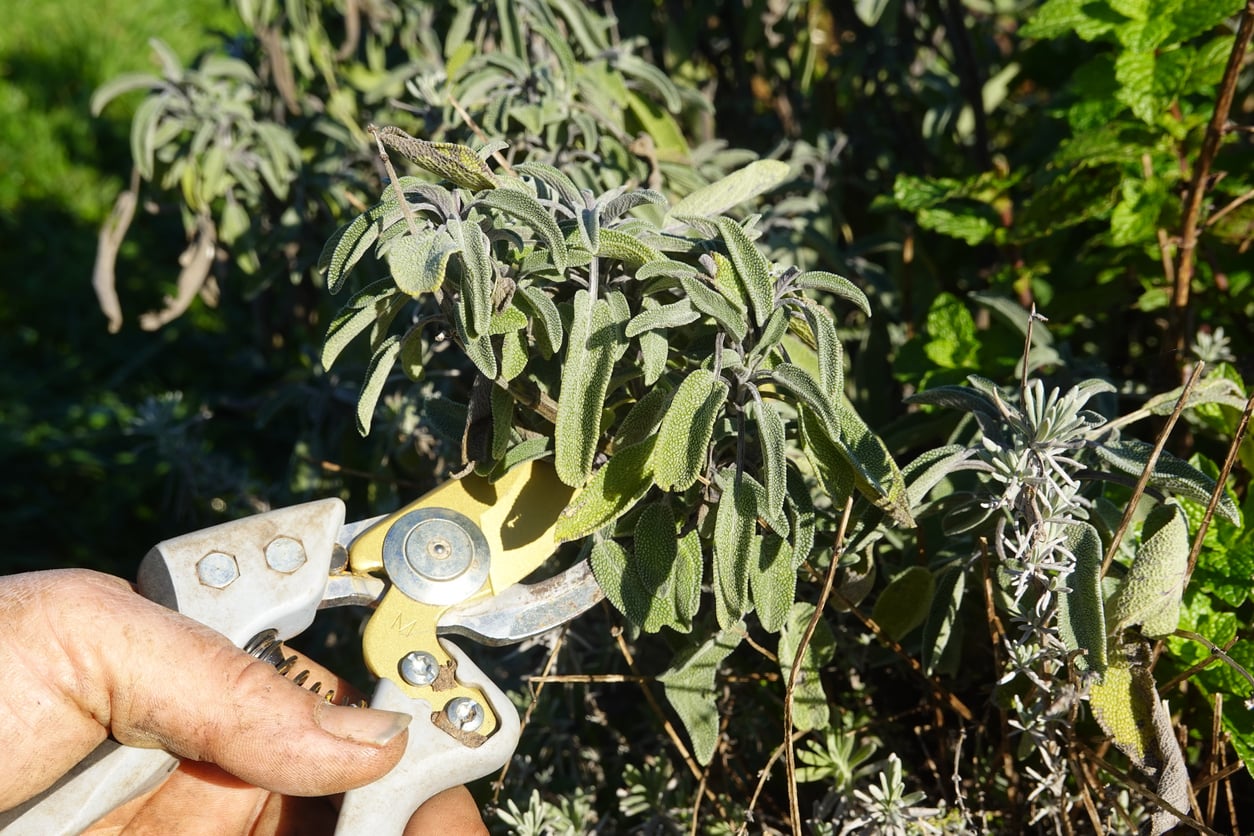
While softer garden plants turn to brown sludge, sage stands its ground late into the season.
Grab a few leafy tips before prolonged freezing weather arrives, but don’t scalp the shrub down to bare wood. Even sage isn’t immune to harsh winter damage.
Sage is worth drying, too. Hang a few stems in a dry, airy spot until the leaves crumble, then jar them up. That piney kick holds up surprisingly well!
How to preserve it: Here’s a secret weapon for winter cooking: tuck clean, dry sage leaves into ice cube trays, cover with olive oil, and freeze immediately. Pop the frozen portions into a freezer-safe bag for instant flavor in roasts and stuffing.
Plan Your Winter Menu
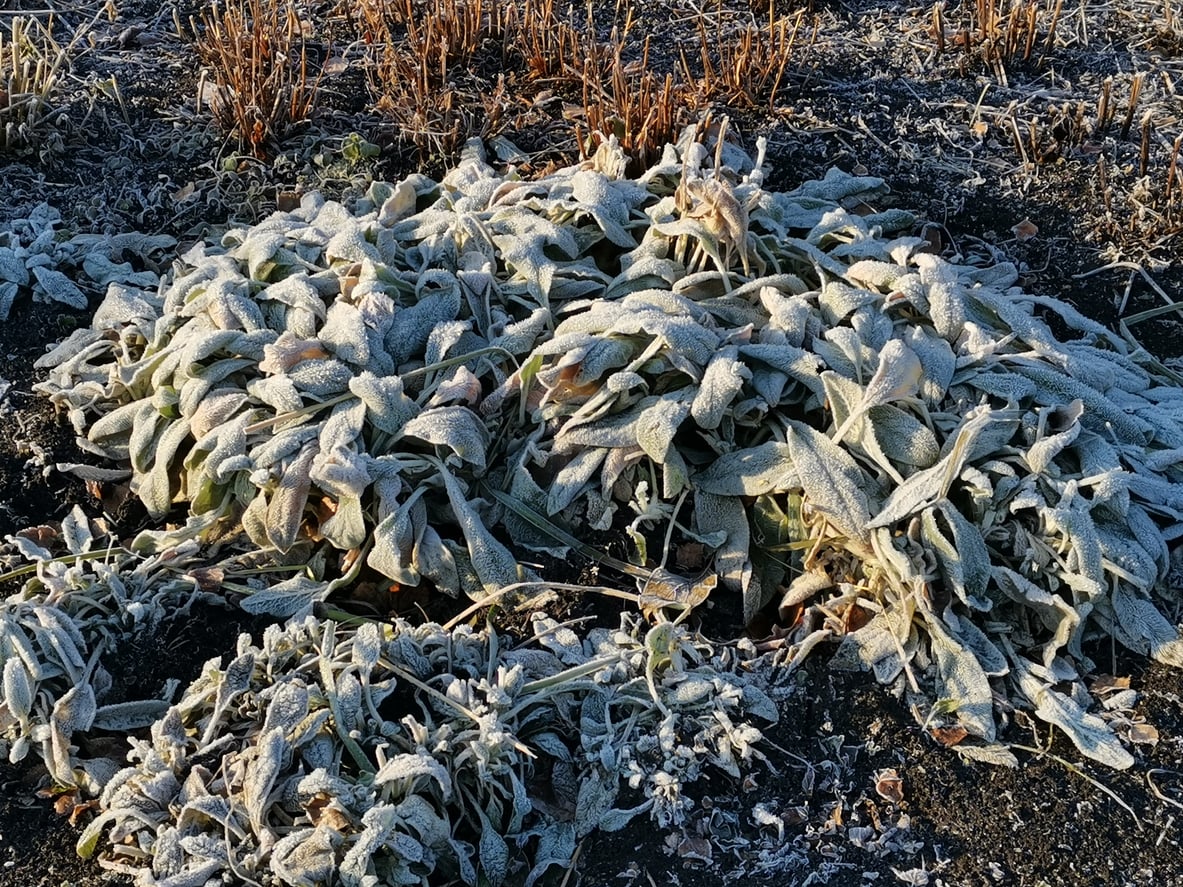
What happens after all the harvesting and preserving?
And if you’d rather keep harvesting fresh herbs indoors, we also put together a zone-by-zone guide to nine herbs you can grow all winter long.
One last thing: if you’re gardening in warmer USDA Zones 8-10, there’s no need to rush out and harvest everything on this list.
Many of these herbs can keep growing through winter, letting you snip fresh leaves whenever you need them. Basil is the exception if frost is in the forecast. The USDA Zones listed above are general fall-harvest guidelines, not the plants’ hardiness ranges. Your local weather gets the final say.
And now that I’m rereading this, I’ve realized I accidentally turned the whole article into a basil roasting session… Sorry, basil. You never stood a chance.