Your calla lilies have made it through summer. Lovely. But now frost is on the way, and you have a decision to make. Dig them up or leave them alone?
Before grabbing a shovel, find out which type you’re growing and how much cold it can handle. Some callas can tough it out in the ground. Others would rather not.
Which Calla Are You Growing?
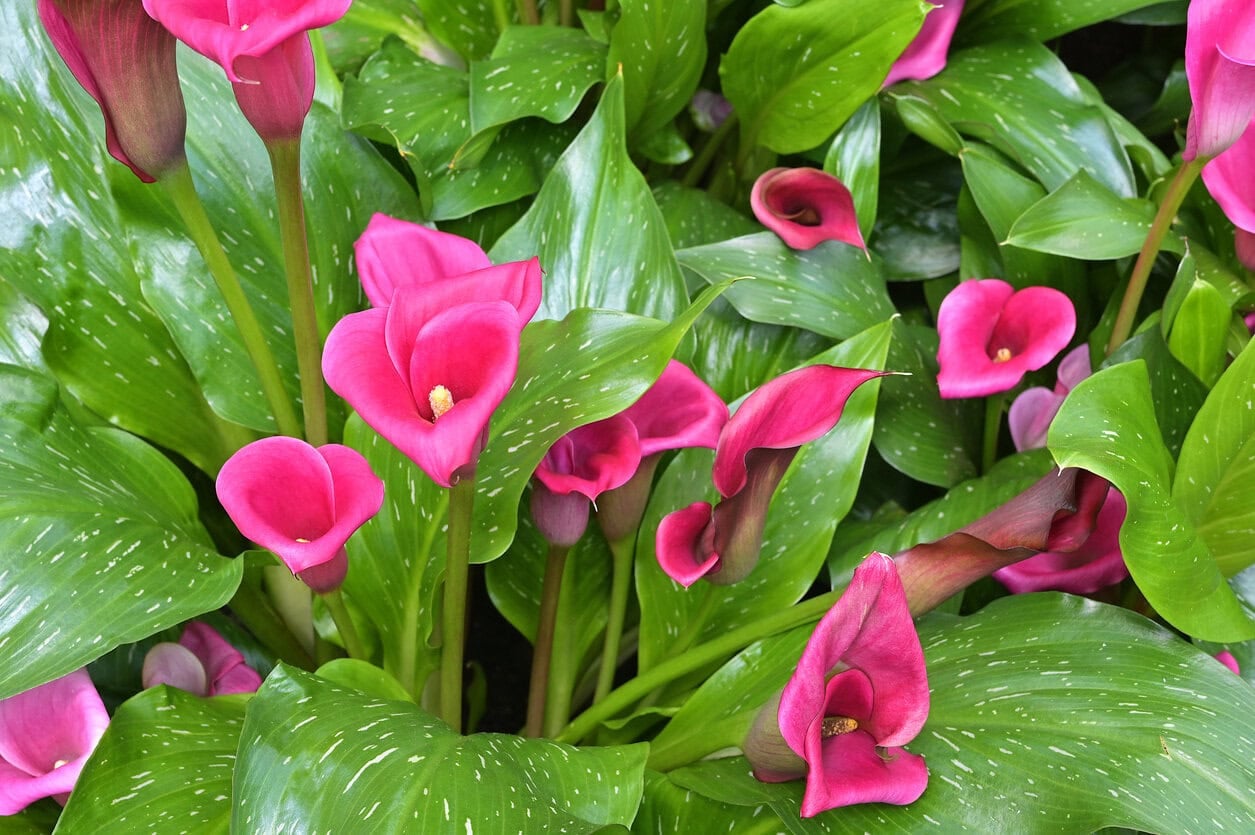
Have you kept the little label that came with your calla? Go and find it. It might save you some unnecessary digging.
Calla lilies belong to the genus Zantedeschia, not true lilies (Lilium). The name on that label matters, as some are better equipped for cold weather than others.
No label? No guessing! Flower calla-r won’t help you because a white flower isn’t a hardiness certificate, and a pink one doesn’t mean it’ll RIP. You’ll need the plant’s identity, its hardiness information, and a little knowledge of your local winters.
To Shovel or Not to Shovel?
This isn’t a one-shovel-fits-all situation. Before you decide what to do, take a look at the kind of winter your garden usually serves up.
Cold Winters (USDA Zones 6 and Below)
In colder climates, most callas need to be lifted before winter really settles in. But there are a few things to consider first.
Borderline Gardens (USDA Zone 7)
Growing callas in Zone 7? This is where things get a little tricky. Some can survive winter with a little help, but others are better off indoors.
If you’re figuring out what else needs winter protection, we also have a guide on which plants to mulch before winter and which ones you shouldn’t.
Mild Winters (USDA Zones 8-10)
Milder winters give you a little more freedom, but don’t assume every calla can stay in the ground. Here’s what to consider:
Dealing with soggy soil? Take a look at the ground after heavy rain. Tender hybrids need good drainage, especially during winter dormancy, or their rhizomes may rot.
Do You Even (Know How to) Lift?
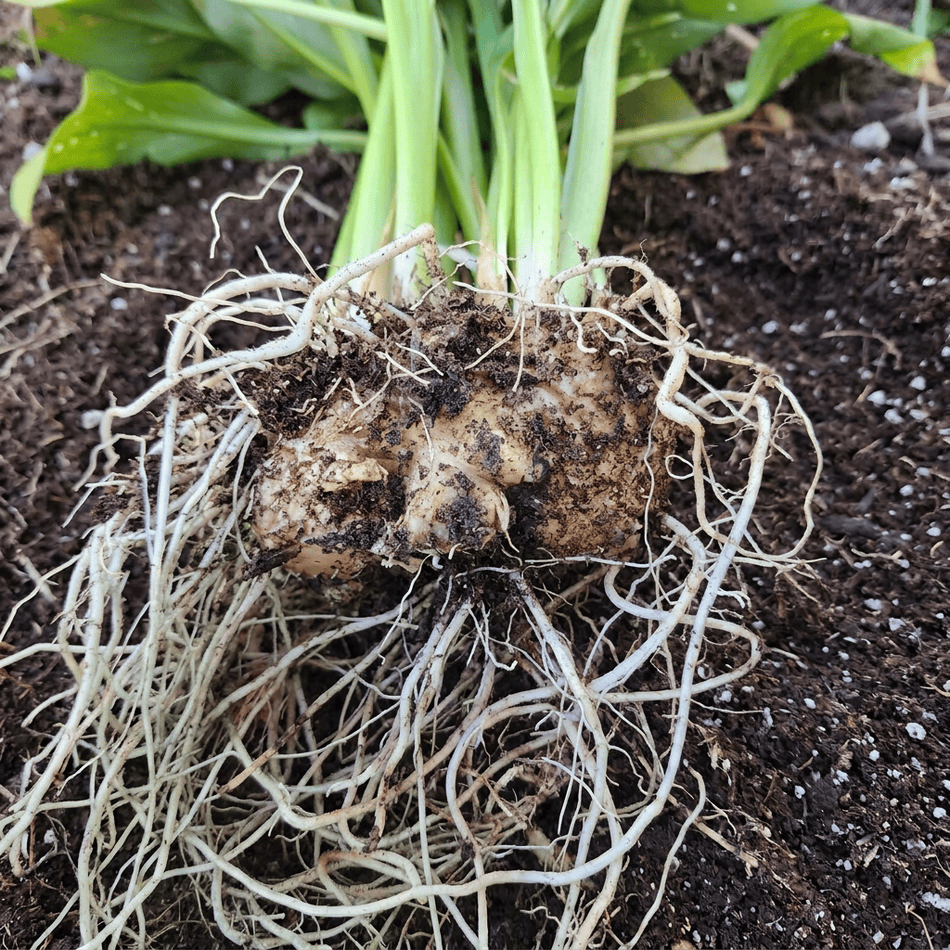
Pulling on the stems doesn’t count. Grab a garden fork or spade and start digging about 6 to 8 inches away from the plant.
Work your way around the plant, loosening the soil rather than digging straight down beside the stems. If your tool meets resistance, don’t force it. Move a little farther out and try again. The last thing you want is to slice through a healthy rhizome!
Once the soil is loose, slide your tool underneath and gently lift the entire clump. Support it from below rather than tugging on the foliage, and carefully shake off some of the loose soil.
That’s the digging done. Now you’ll need to prepare those rhizomes for their winter vacation.
Got dahlias to lift, too? We also explain how to overwinter dahlias, from digging up their tubers to storing and replanting them in spring.
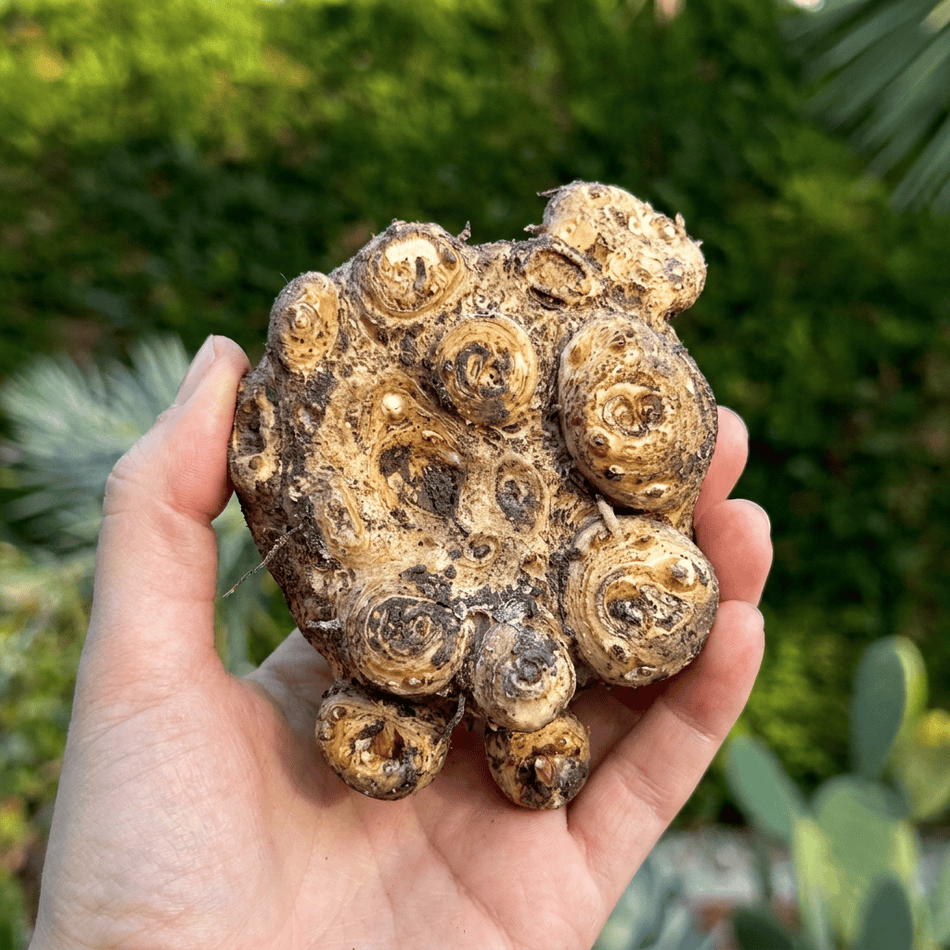
Prepare Your Calla Rhizomes for Storage
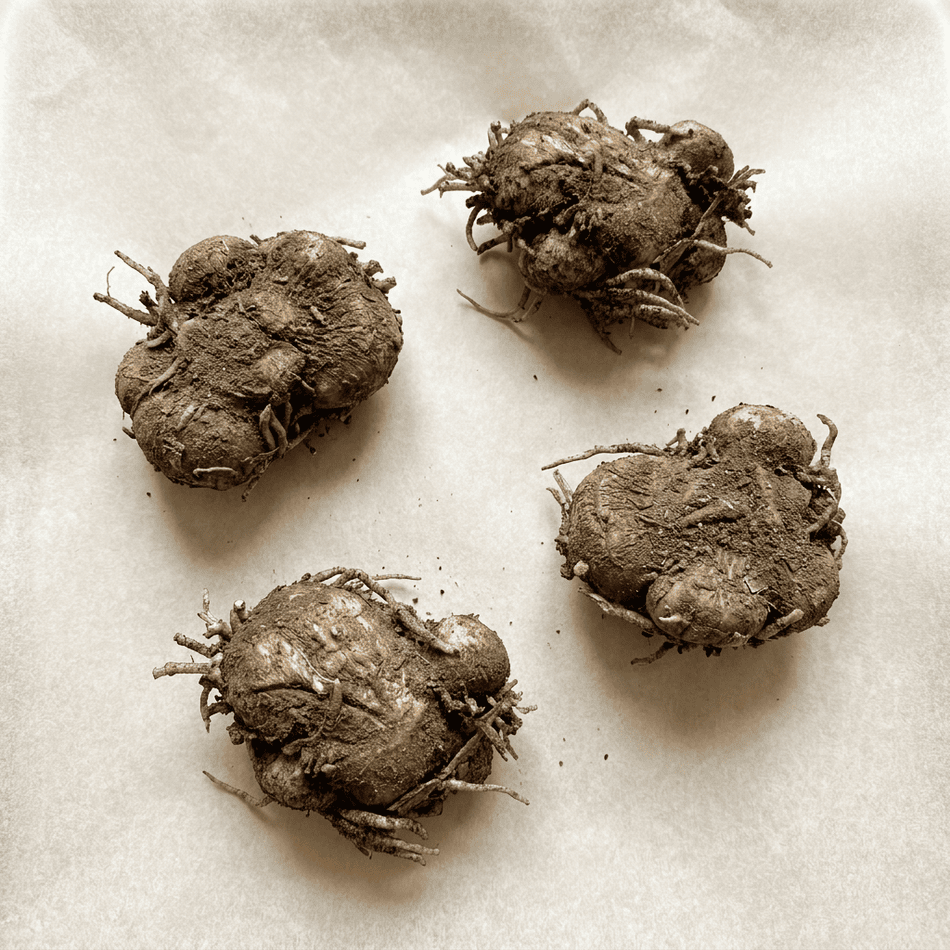
Now that your rhizomes think they’re safe, there’s a little more work to do before they can settle in for winter.
Spot any soft, mushy, or rotten rhizomes? Discard those before they go into storage. You don’t want one bad rhizome spoiling the rest!
Store Your Calla Rhizomes and Check on Them
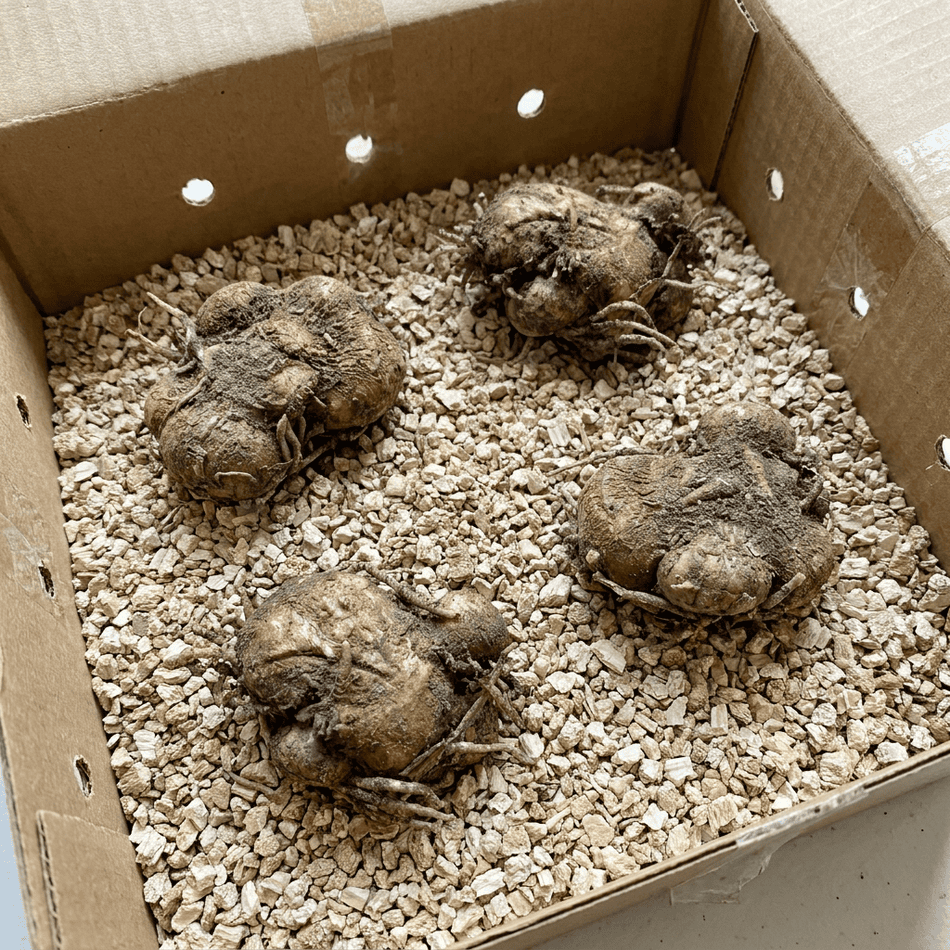
Time to put the dry rhizomes away!
Find a ventilated box or crate and add a layer of dry vermiculite. Set the rhizomes on top, leaving some space between them, then cover with more vermiculite. You want them separated and protected, not piled on top of one another.
Choose a cool, dry, frost-free spot where the temperature stays around 50-60ºF. A basement can work, provided it doesn’t get too warm or damp. And one thing you really shouldn’t do: seal your rhizomes in an airtight plastic bag.
Check once a month for soft spots, rot, or excessive shriveling. If they’re drying out too much, lightly moisten the surrounding vermiculite without soaking it. Spot a rotten rhizome? Remove it before the problem spreads. Because it will.
What About Potted Callas?
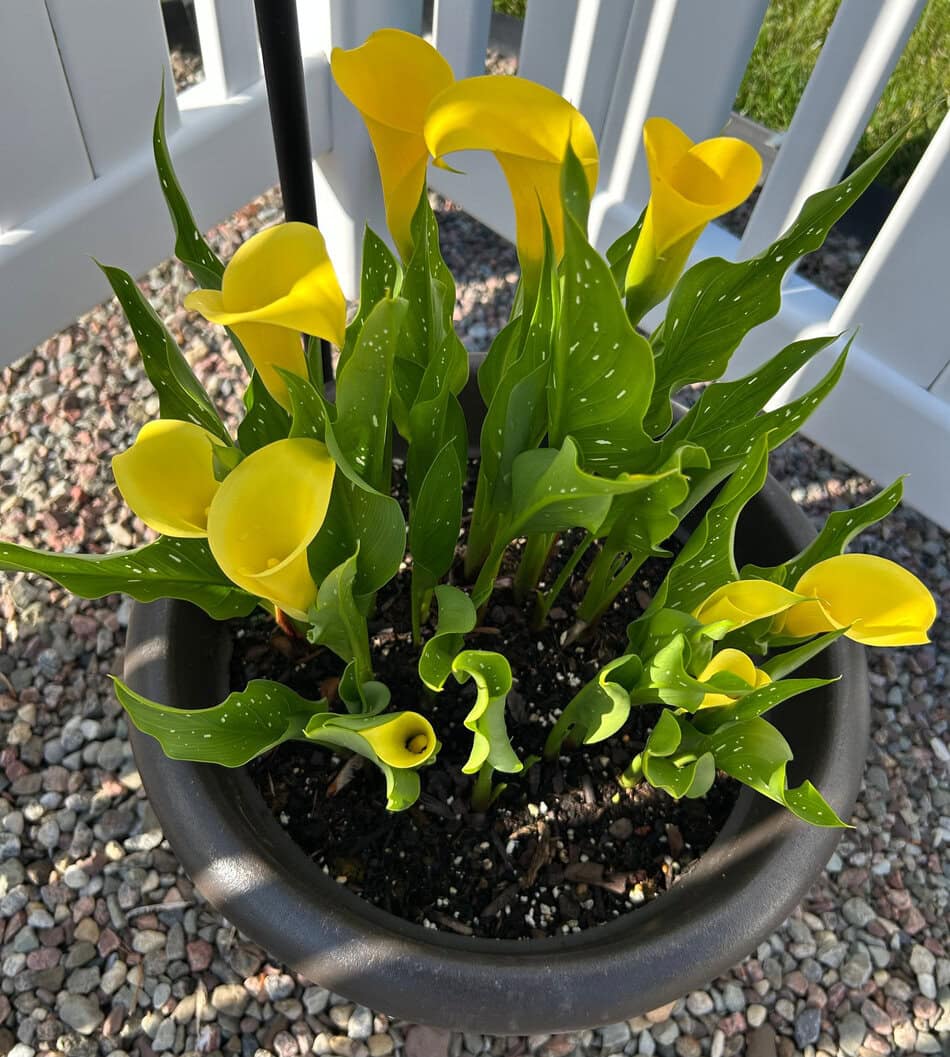
Growing callas in containers? The roots and rhizomes need protection, too, not just the leaves. So don’t leave the pots outside until their root (!) balls freeze.
Bring tender callas indoors before frost arrives. A garage? A shed? All good, provided temperatures stay around 50-60°F.
Once the foliage dies back, let them rest with little or no water until spring.
Want a head start on next summer’s flowers? Start your stored rhizomes indoors about six to eight weeks before your area’s last expected frost. Keep them somewhere warm and bright, then gradually move the plants outside once the danger of frost has passed.
Have other pots to rescue from the cold? We’ve also put together a guide on which plants you should bring indoors before frost hits.
Calla It a Plan
Got more than one batch of callas? Tag each one. Write down the cultivar (if you know it), its hardiness rating, where you’ve stored it, and the date you lifted it. Add a monthly check-up reminder to your phone calendar, too. Your callas may go dormant. Your organizational skills don’t have to.
And if you’re sorting through other bulbs in your garden, we’ve also written a guide on which bulbs to dig up before winter and which ones can stay in the ground.