
After working as a gardener for more than 8 years and having talked to hundreds of fellow gardeners on the internet, I’m convinced that every one of us has a love for tall plants. I mean…the taller, the better, no?
In today’s article, let’s revisit our deepest love for tall plants by going over a list of tall-growing perennials that make your garden stand out.
Tall Perennials For A Unique Garden

I’ve always had a soft spot for tall plants. They make the garden feel alive, swaying in the breeze, catching the light, and adding that wild, full look I love. Even a couple of tall perennials can completely change the feel of a space.
I also love mixing in a few climbing flowers, they add instant height and color in places where perennials can’t reach. Some of my favorites are in my list of climbing flowers that add instant color to any garden
1: Asters (Zones 4-8)

Asters produce vibrant star-shaped flowers and grow up to 5 feet tall in the right conditions. They prefer growing in full sun and need to be divided every 2-3 years to maintain health and vigor.
Quick tip: I like to cut mine back in early summer, it keeps them bushy and covered in blooms later on.
2: Joe-Pye Weed (Zones 4-9)
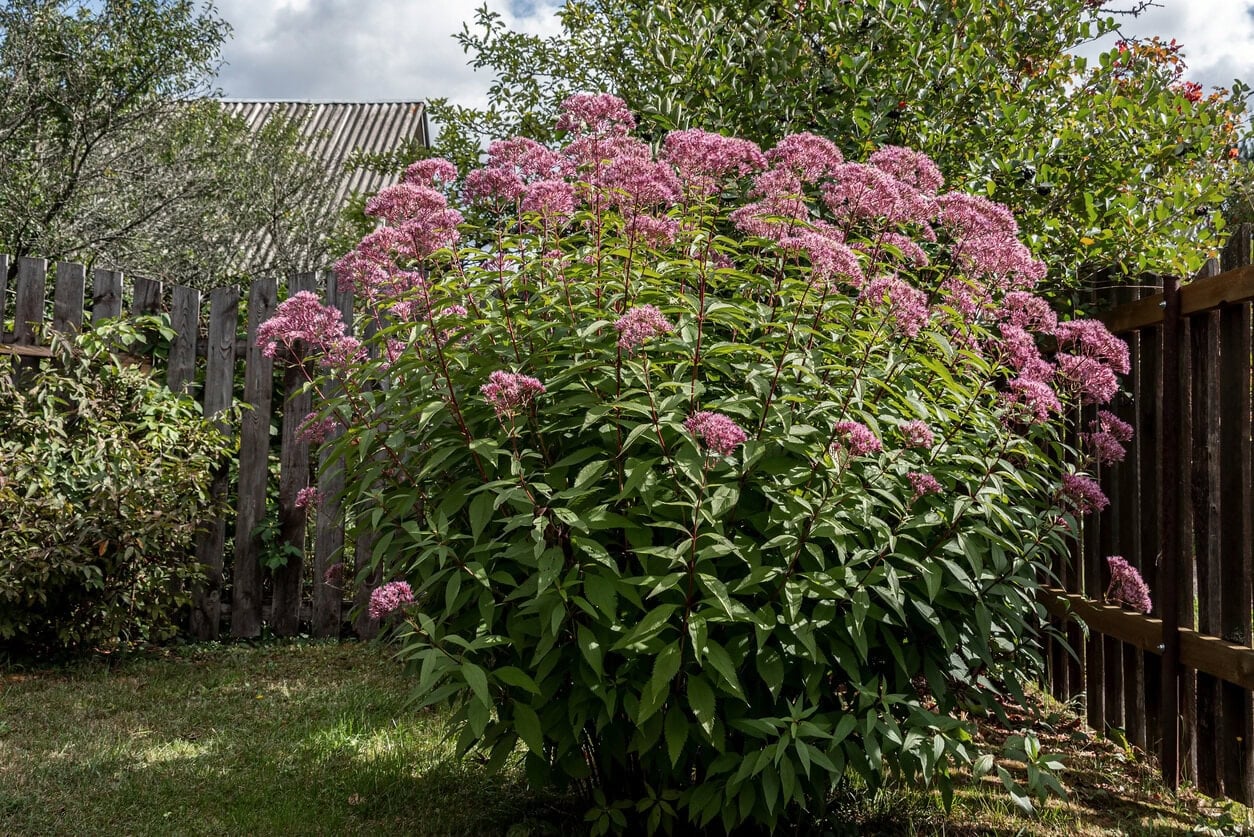
Joe-pye weeds are known for their tall, dominant growth that stands out and attracts butterflies even from afar. These perennials can reach up to 7 feet in height but need rich, moist soil to get there.
Quick tip: I always plant mine near the downspout, it loves the extra moisture.
3: Ironweed (Zones 5-9)

Ironweed is a very special perennial that’s popular for its bold and majestic purple flowers. It can reach heights between 4-8 feet at maturity and needs consistent moisture for ideal growth.
Because ironweed has a tendency to become untidy and make a mess in the garden, it may be a good idea to trim it immediately after flowering.
4: Compass Plant (Zones 5-8)

As strange as that name might sound, the compass plant actually produces stunning sunflower-like, large flowers. In the right conditions, this perennial will easily reach a height of up to 12 feet or more, possibly providing shade to your entire garden!
5: Sunflower (Zones 4-9)

In the tall-growing perennial category, I feel like sunflowers are often overlooked, and part of the reason might be that they’re so popular as annuals. But don’t let this classic plant fly under the radar!
Perennial varieties like Helianthus maximiliani or Helianthus decapetalus can grow between 7 to 10 feet tall and come back year after year, all while needing far less maintenance than most other tall perennials.
Quick tip: I like to tuck a few along the back fence, they make the whole garden glow in late summer.
6: Coneflowers (Zones 3-9)

I bet you didn’t expect coneflowers to be on this list, but they sure do grow tall and definitely deserve a spot. Most coneflower varieties grow up to 5 feet tall when cared for properly and deadheaded to freshen up old growth.
Quick tip: I leave the seed heads standing through winter, the goldfinches love them.
Coneflowers are one of those plants that reward you for a bit of care, a light trim here, some deadheading there. I wrote more about the essential care tips that keep coneflowers healthy and full of blooms.
7: American Beautyberry (Zones 6-10)

This perennial not only produces striking deep green foliage but also vibrant purple berries that add an absolutely stunning look to the garden in fall. It typically grows 3 to 6 feet tall. Trim this one late in winter and provide it with consistent moisture, especially during early growth.
8: Lilies (Zones 5-9)

Although lilies aren’t particularly known for their tall growth, there are a few varieties of this perennial that can grow taller than others! Some tall species like Lilium auratum or tropical white ginger lilies (Hedychium coronarium) can reach up to 6 feet in height.
9: Hibiscus (Zones 4-9)

This popular perennial is special for its deep, bold flowers and colors that attract pollinators. Hardy hibiscus varieties can grow anywhere between 5 to 7 feet tall in full sun with consistently moist soil.
Quick tip: I always give mine a good dose of compost in spring, it rewards me with blooms bigger than my hand.
I’ve found that a little attention at the right time makes all the difference, things like pruning, feeding, and keeping the soil just damp enough. If you need a few ideas, I’ve shared my simple routine for keeping hibiscus blooming all season
10: Bush Clover (Zones 7-9)

Bush clovers offer stunning arched branches and deep purplish-blue flowers late in summer. Plant them in well-drained soil and trim them to the ground around the arrival of early spring to enjoy a good 6 to 7 feet of growth next year.
11: Goat’s Beard (Zones 3-7)
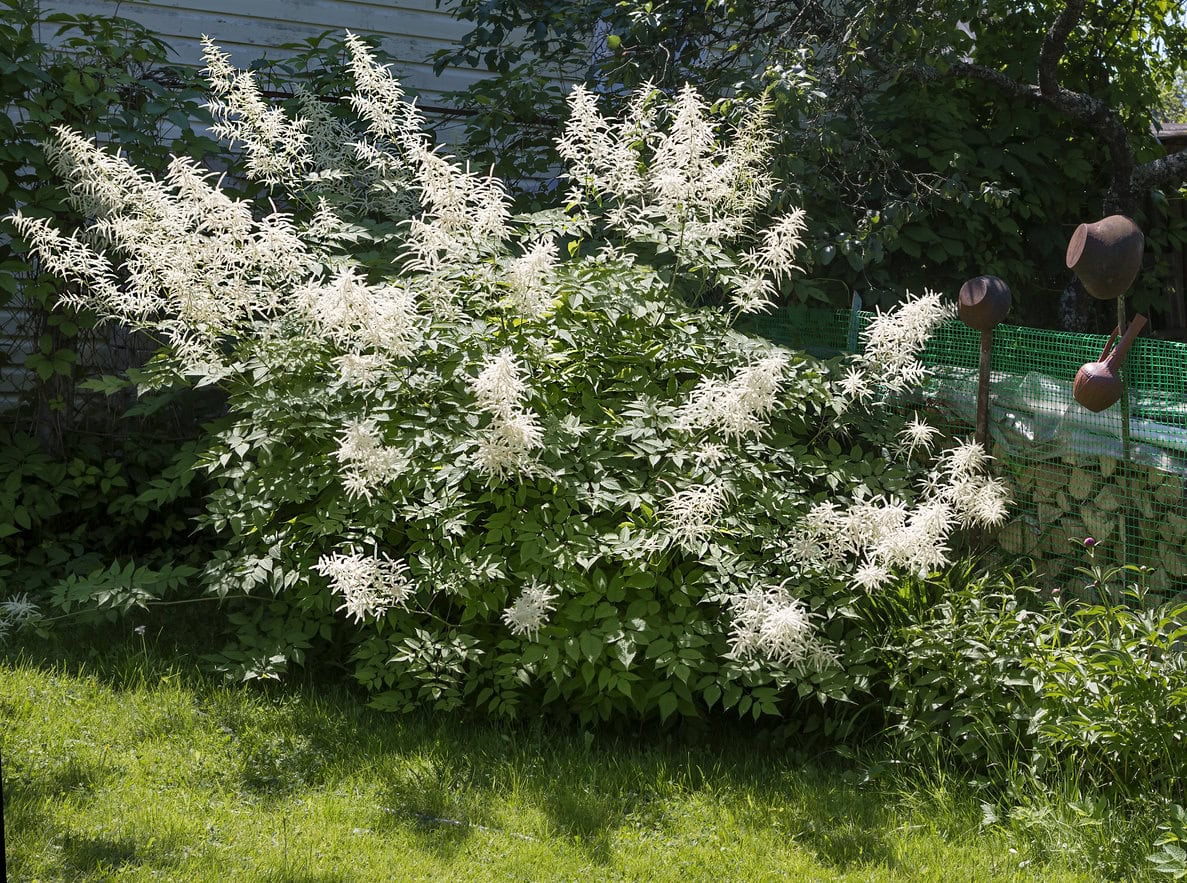
This tall-growing perennial produces stringy, pearly-white flowers that resemble a goat’s beard, hence the name. They thrive in partial to full shade and can grow between 5 to 7 feet tall if cared for properly.
Quick tip: I love planting it near hostas, the contrast looks so elegant in early summer.
Do Tall Perennials Need Staking?
Not all, but some do. Certain tall perennials like Joe-Pye weed or ironweed can become heavier as they bloom, so it may be a good idea to provide them with some support using bamboo sticks, peony rings, or medium-sized trellises along the way.
Tall plants also need a bit of extra care when it comes to water and wind. I try to keep the soil evenly moist through summer because tall growers dry out faster than most. If your garden gets windy, planting them near a fence or hedge helps keep the stems from snapping.
And before they really start shooting up in spring, I like to spread a layer of compost around the base, it keeps them fed and strong through the season.
Can I Grow Tall Perennials In Small Gardens?

You definitely can! Because most of these perennials grow tall vertically, it means you can plant multiple and still have enough free space in your garden for other things.
In small gardens, I like to see one or two tall “statement” plants near the back fence, they draw the eye up and make the whole space feel layered and full. Then, if you want, you can pair them with mid-sized or low-growing plants around the front for a structured and thoughtful look.
In smaller spaces, I like pairing tall plants with low-growing, airy textures to soften the edges. You’ll find a few of my go-to choices in my list of low-growing ornamental grasses for garden borders.
When Should You Cut Back Tall Perennials?
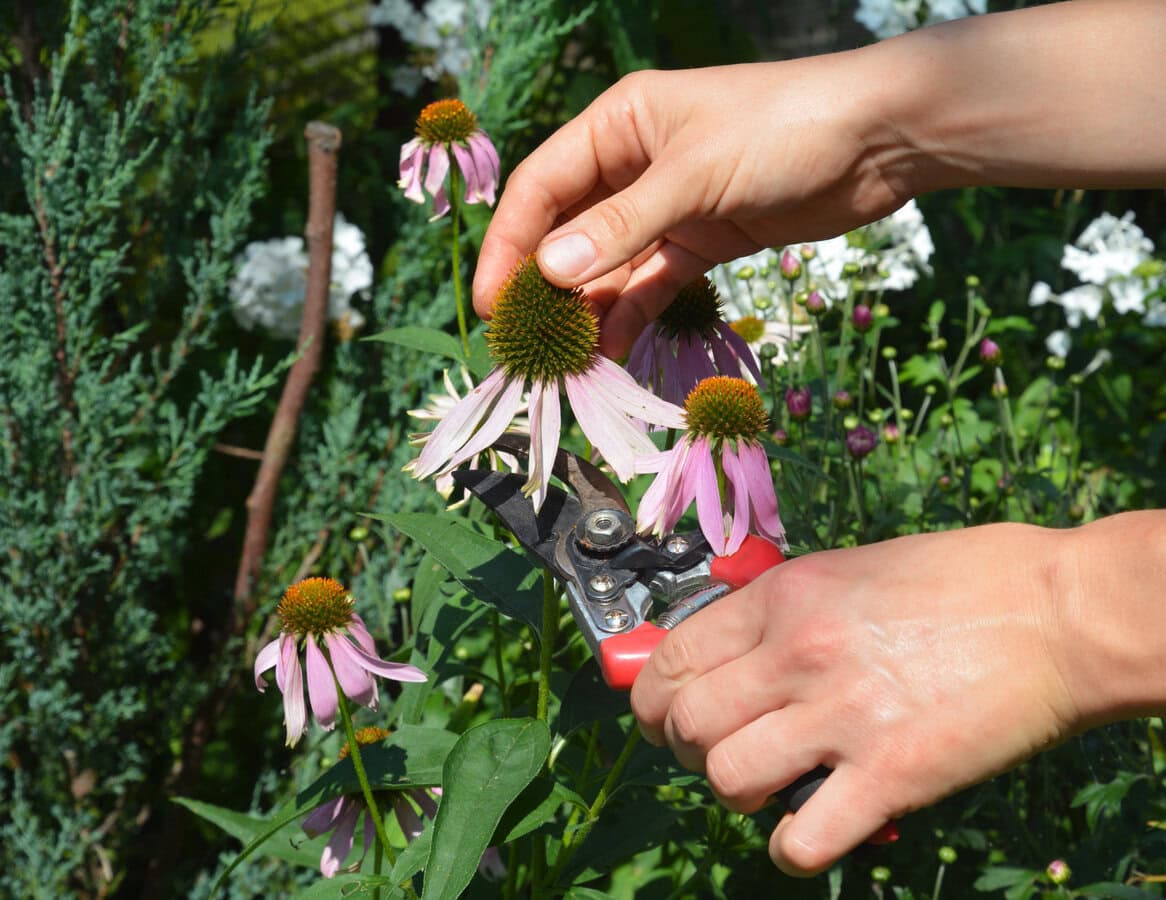
Most tall perennials should be trimmed only in late fall or early spring, depending on your climate.
I usually leave mine standing through winter, the seedheads catch the frost beautifully, and the birds love picking at them.
If you prefer a tidier garden, you can cut them back in late fall once the stems start drying out. Just make sure to leave a few seedheads from plants like coneflowers or rudbeckias. They’re a natural bird feeder and add a touch of texture to the winter garden!
I’ve learned the hard way that skipping a few simple steps can keep plants from coming back stronger. I shared more about the most common mistakes that keep perennials from returning their best each year
Let’s Conclude

If you’re someone like me who loves everything tall and enormous in the garden, consider looking into tall-growing perennials, especially the classics that you may already know and love. It’s a great way to add some serious oomph to your garden and make it stand out.
And if you love adding scent without overwhelming the space, take a look at my favorite fragrant flowers for small spaces, they pair beautifully with taller perennials.


