
Throughout the course of my writing journey on the internet, I’ve given quite the love and attention to traditional plants. Ornamental grasses, however, have always been neglected.
Is that fair? Not at all! I’ve played around with tons of ornamental grass varieties in my mom’s backyard garden, and they’ve been a staple since day one.
Today, let’s give ornamental grasses the love they deserve and discuss some solid, low-growing ornamental grasses that would be ideal for garden borders.
Why Use Low-Growing Grasses In Borders?
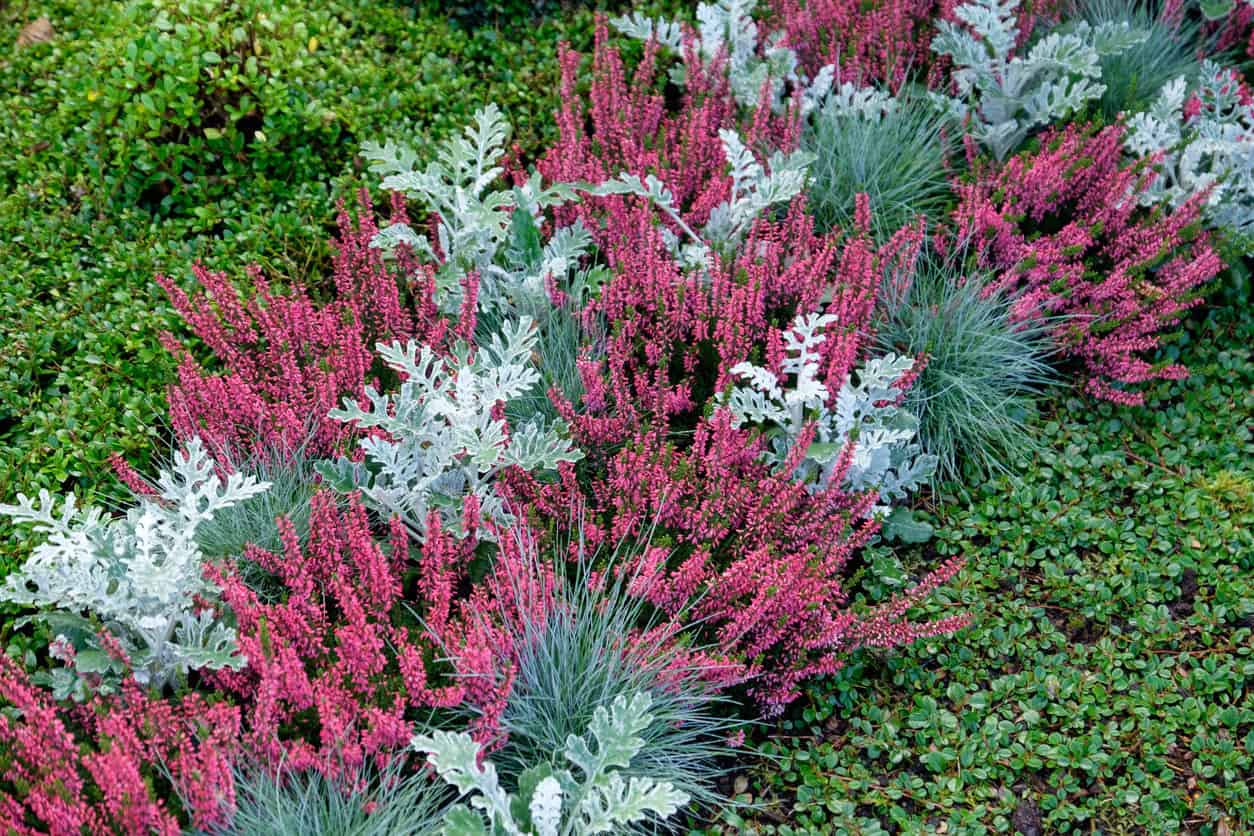
Unlike flowers that come and go, many ornamental grasses offer winter interest, sway in the breeze, and can even complement bloom-heavy garden borders.
Ornamental grasses do not require deadheading, have minimal pest problems, and many tolerate poor soils and drought once established (though some varieties prefer consistently moist conditions).
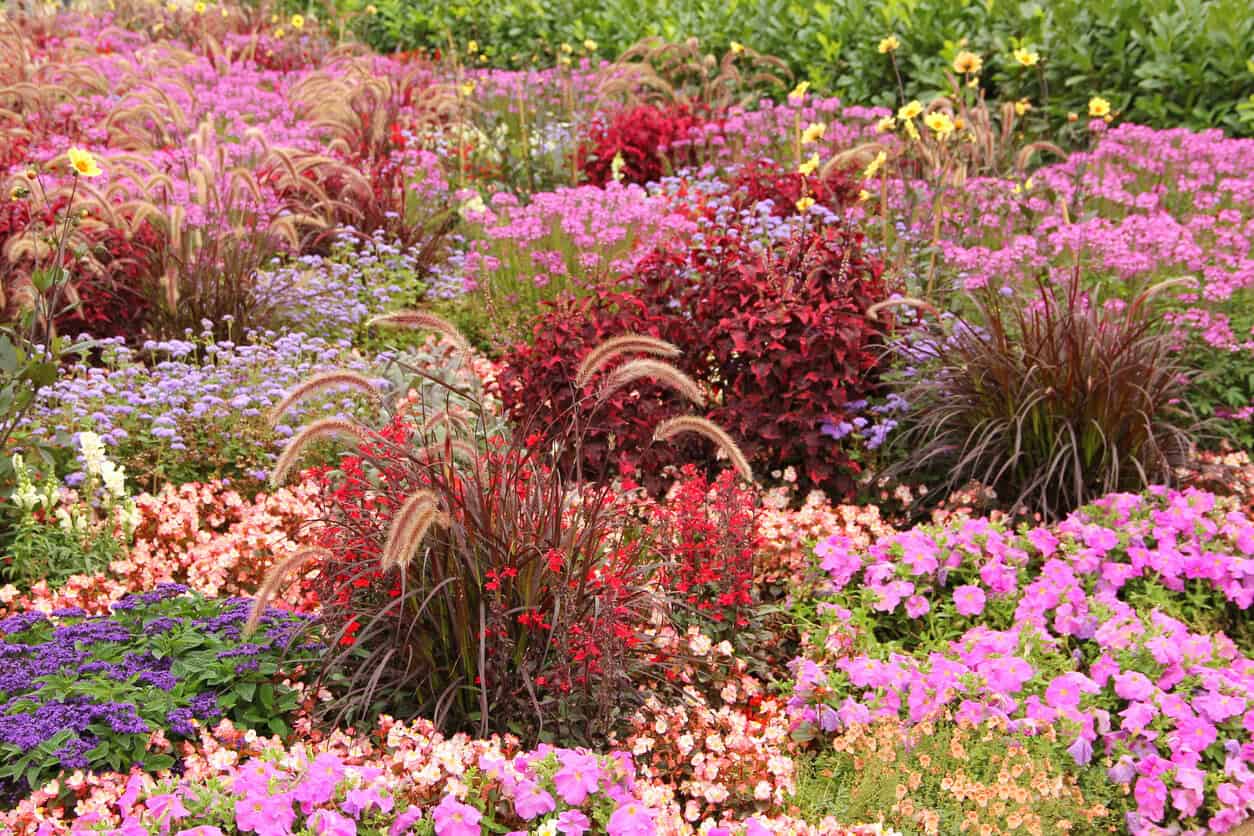
Grasses blend with shrubs, perennials, and annuals in the garden, creating contrast and cohesion that’s appealing to lay eyes on.
Low-Growing Ornamental Grasses For Garden Borders
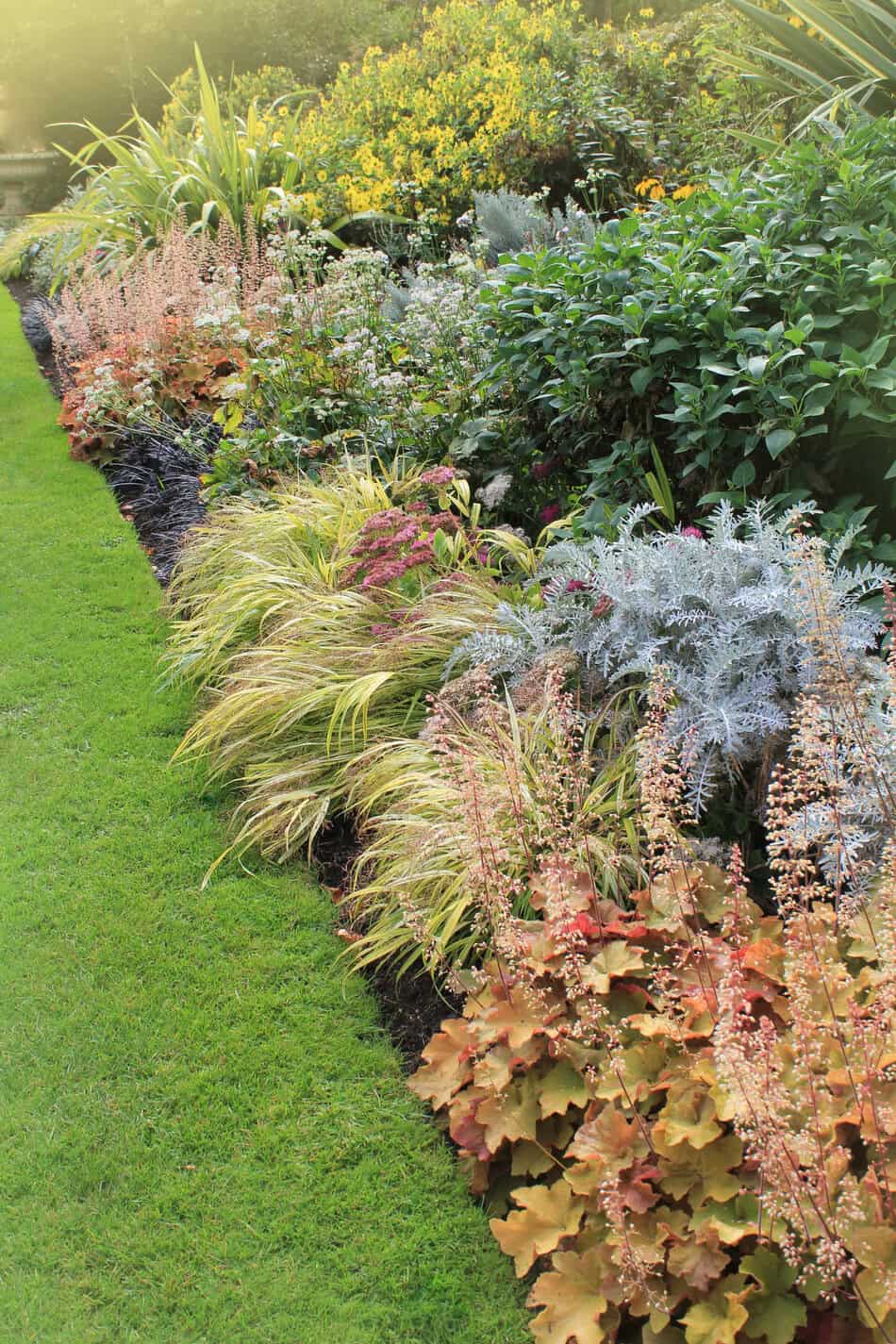
1: Blue Fescue (Festuca Glauca) (USDA Zones 4-8)

Blue fescue is a type of ornamental grass that offers compact mounds of steel-blue blades, often 10-12″ tall. It’s evergreen in mild climates and thrives in full sun.
2: Japanese Forest Grass (Hakonechloa Macra) (USDA Zones 5-9)

Japanese forest grass has graceful, arching chartreuse leaves that typically grow 12-18″ tall. This grass grows best in part shade with moist soil.
3: Dwarf Fountain Grass (Pennisetum Alopecuroides ‘Hameln’) (USDA Zones 5-9)
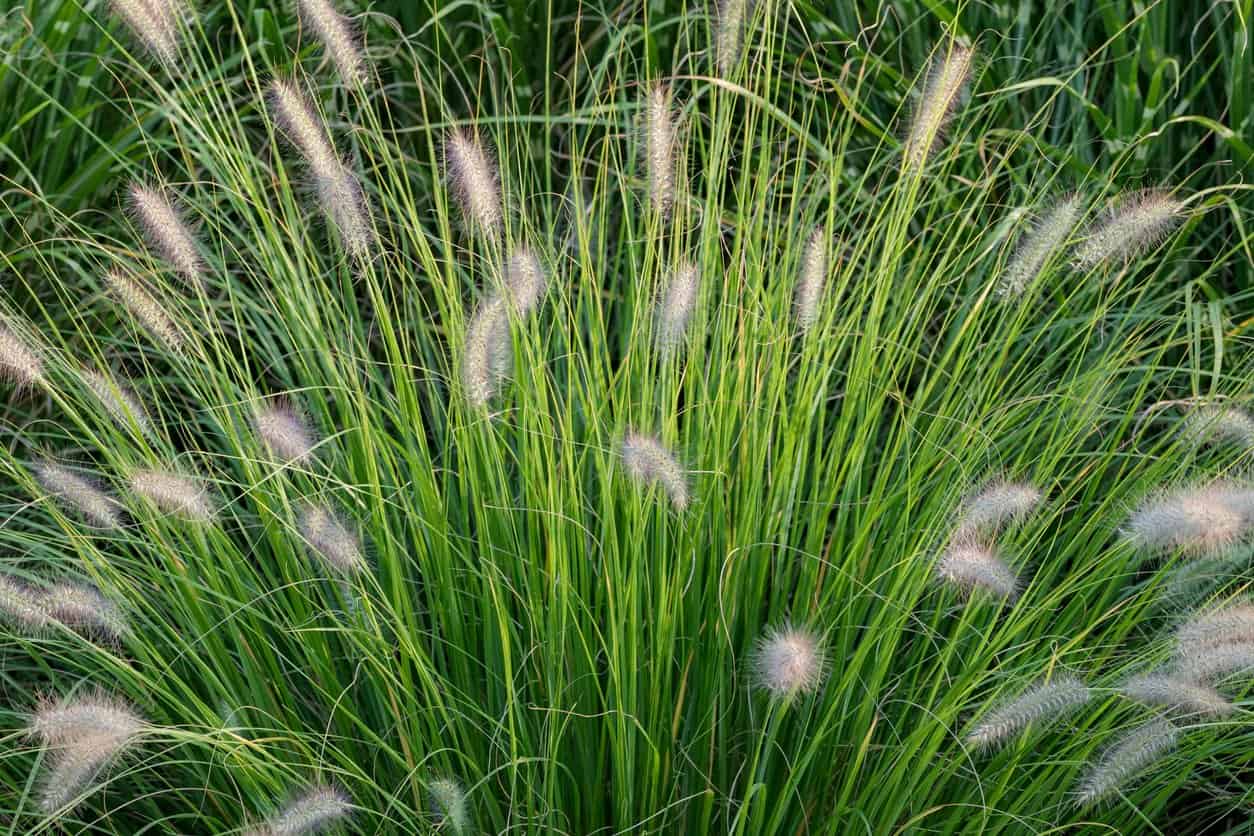
Dwarf fountain grass offers soft bottlebrush plumes, which are around 18-24″ tall and bloom in late summer. This ornamental grass is drought-tolerant and prefers full sun for optimal growth.
4: Carex ‘Evergold’ (Sedge) (USDA Zones 5-9)
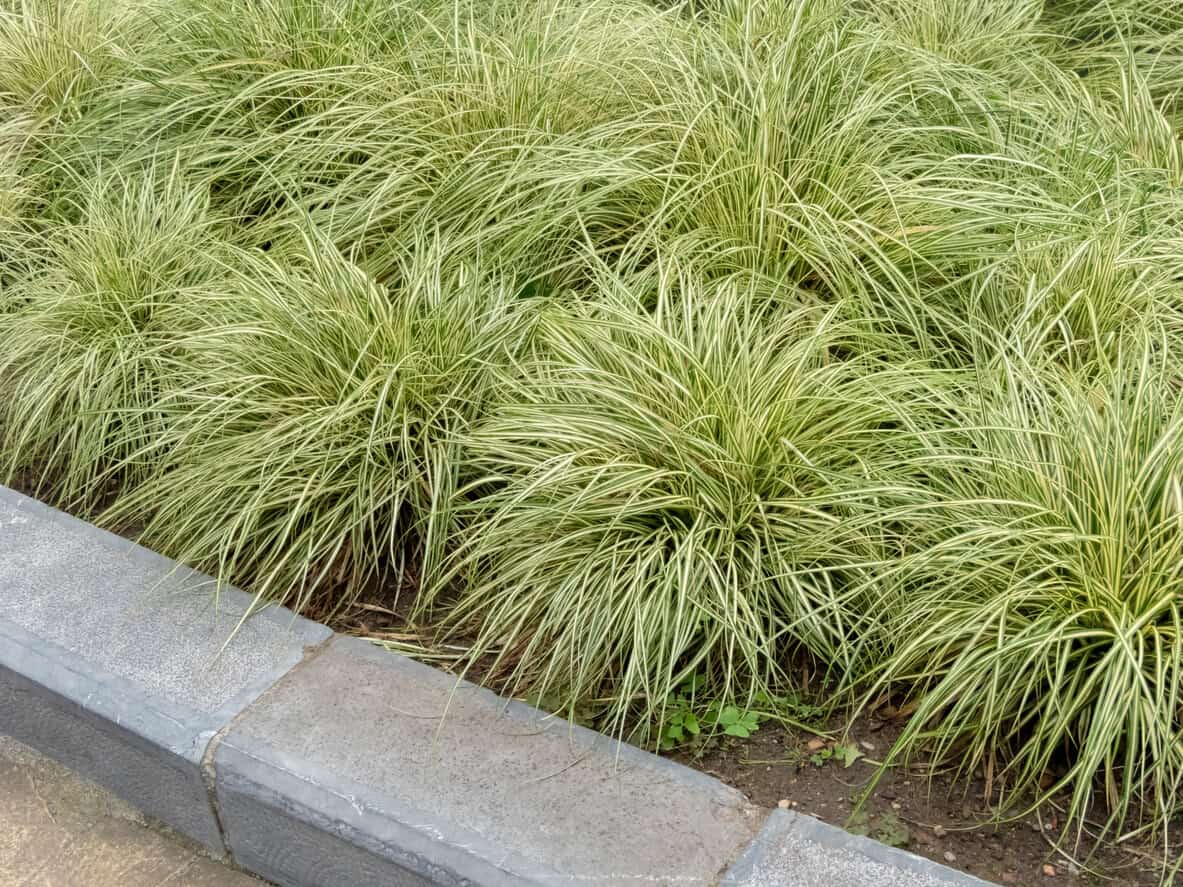
Although technically a sedge rather than a true ornamental grass, Carex ‘Evergold’ behaves much like one in the garden, forming striped yellow-green mounds around 10-12 inches tall.
It’s evergreen in Zones 6-9 and grows best in part shade with consistently moist soil.
5: Purple Moor Grass (Molinia Caerulea ‘Moorflamme’) (USDA Zones 4-8)

Purple moor grass has graceful upright foliage with purple-tinged flower stalks that rise above the clump, typically reaching about 20-24 inches tall in foliage with taller airy blooms later in the season. It prefers moist soil but can tolerate occasional dry conditions once established.
6: Little Bluestem (Schizachyrium Scoparium ‘Prairie Blues’) (USDA Zones 3-9)
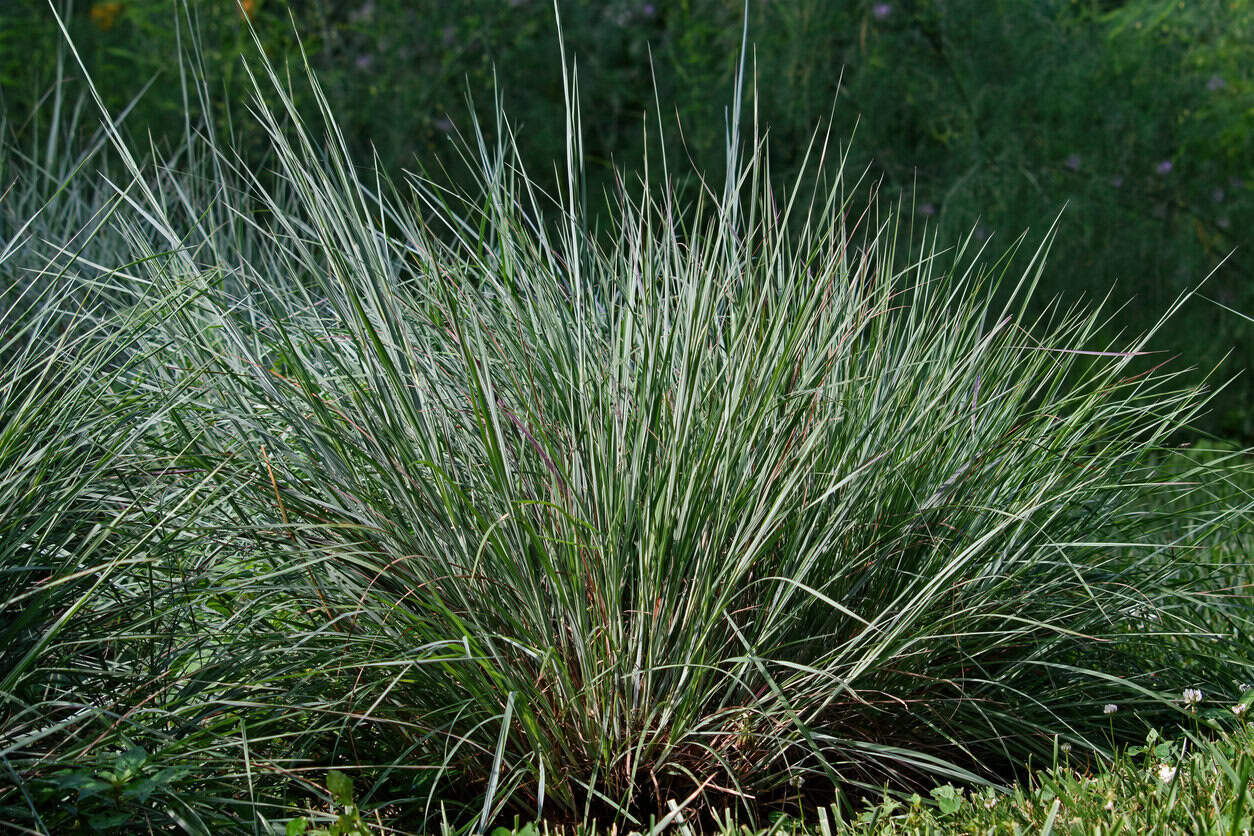
Little bluestem produces blue-green foliage that turns copper-orange in fall. While compact compared to many prairie grasses, it still reaches about 24-36 inches tall, I liked to add it to the middle or back of a border rather than the very front.
7: Elijah Blue Fescue (USDA Zones 4-8)
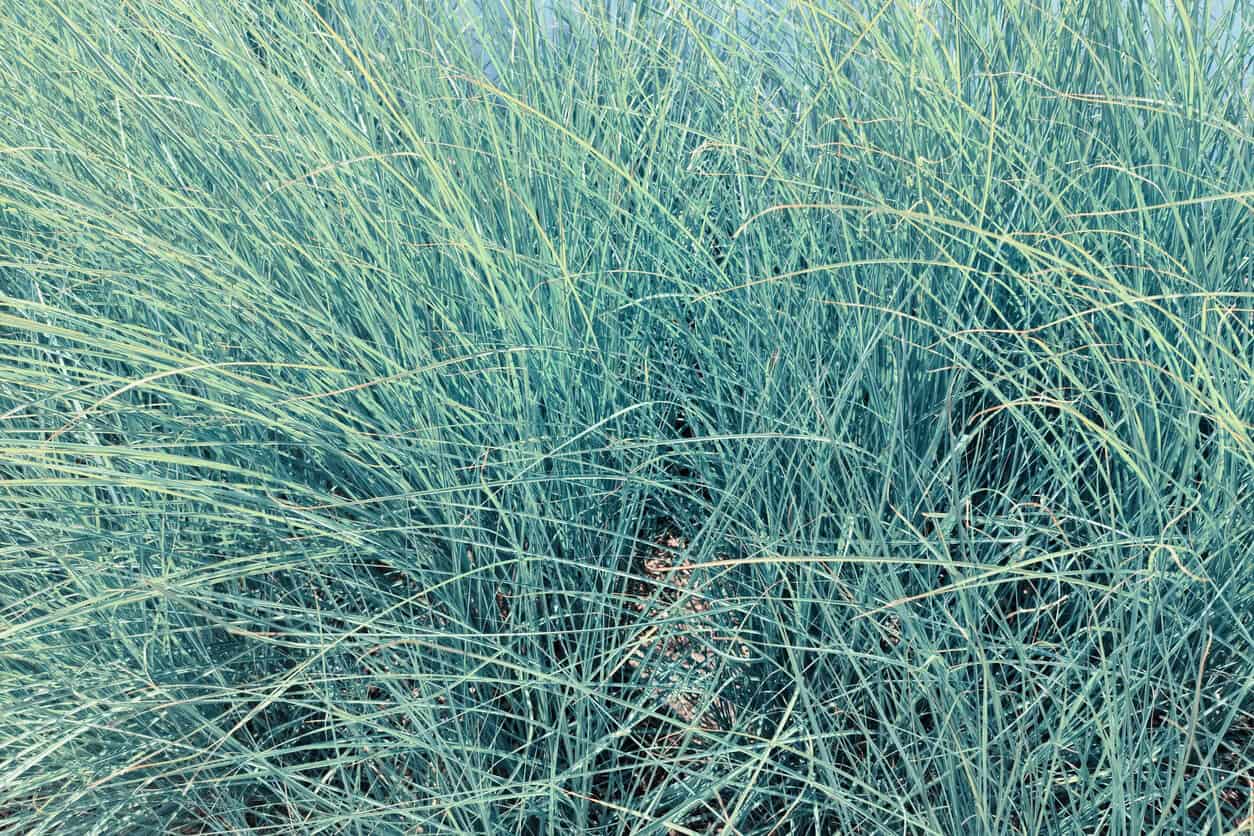
Elijah blue fescue is an ornamental grass variety that I’ve personally experimented with in my small backyard garden. It’s ultra-compact (8–10”) and great for edging walkways. It thrives in full sun conditions and offers a beautiful lilac-blue color that’s hard to walk past and not admire.
8: Japanese Sedge (Carex Morrowii ‘Ice Dance’) (USDA Zones 5-9)
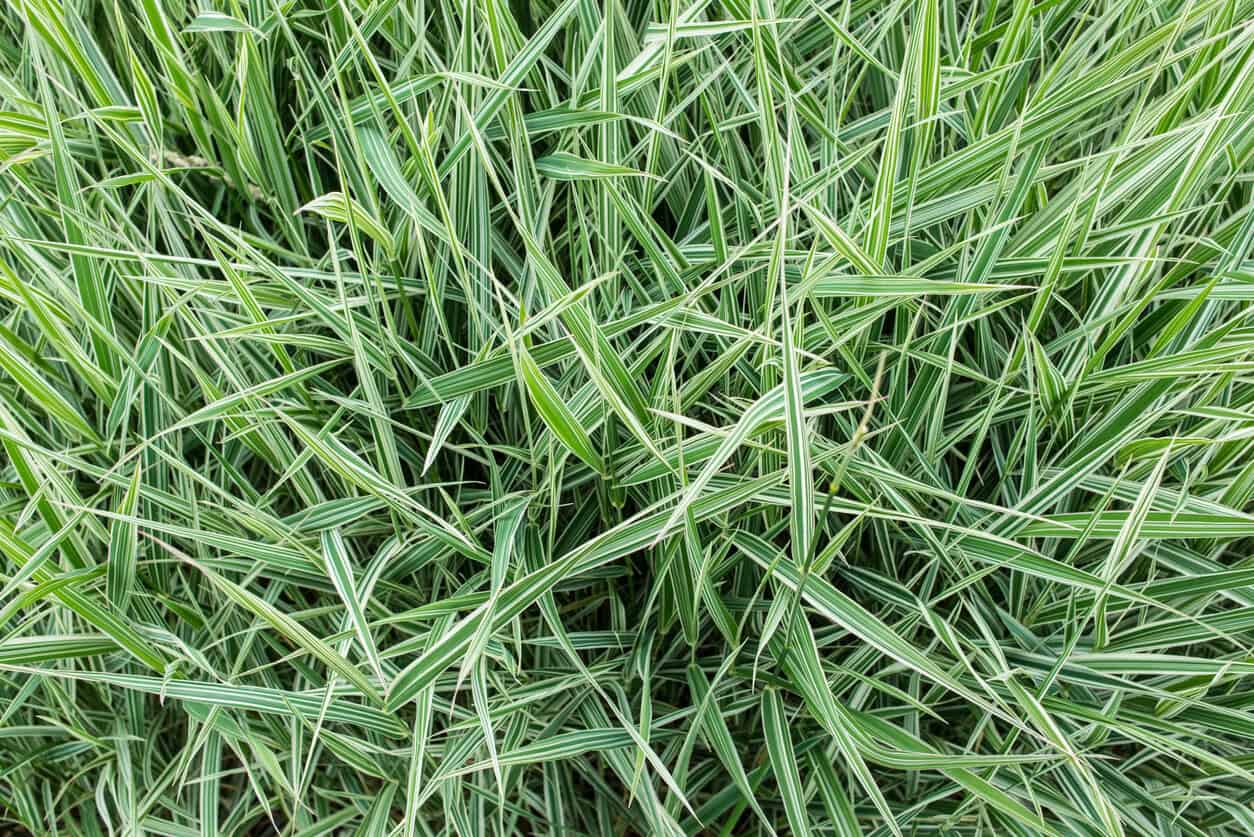
Japanese sedge is another grass-like plant that is technically a sedge rather than a true grass. It forms tidy variegated mounds about 10-12 inches tall and is evergreen in mild climates, thriving in part shade to full shade.
9: Tufted Hair Grass (Deschampsia Cespitosa) (USDA Zones 4-9)
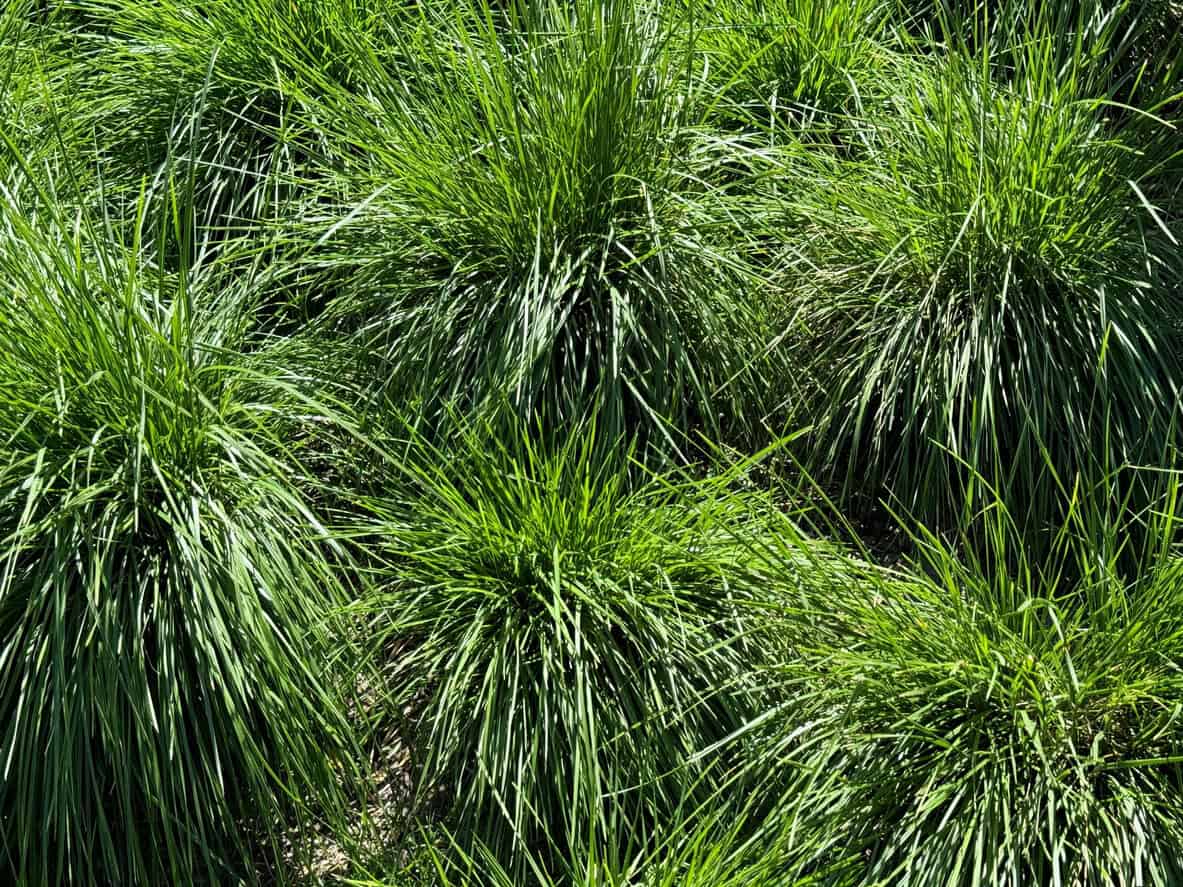
Tufted hair grass has soft, airy seed heads and can grow 18-24” tall in the garden. The grass handles moist and cooler spots very well.
10: Blue Grama Grass (Bouteloua Gracilis) (USDA Zones 3-10)
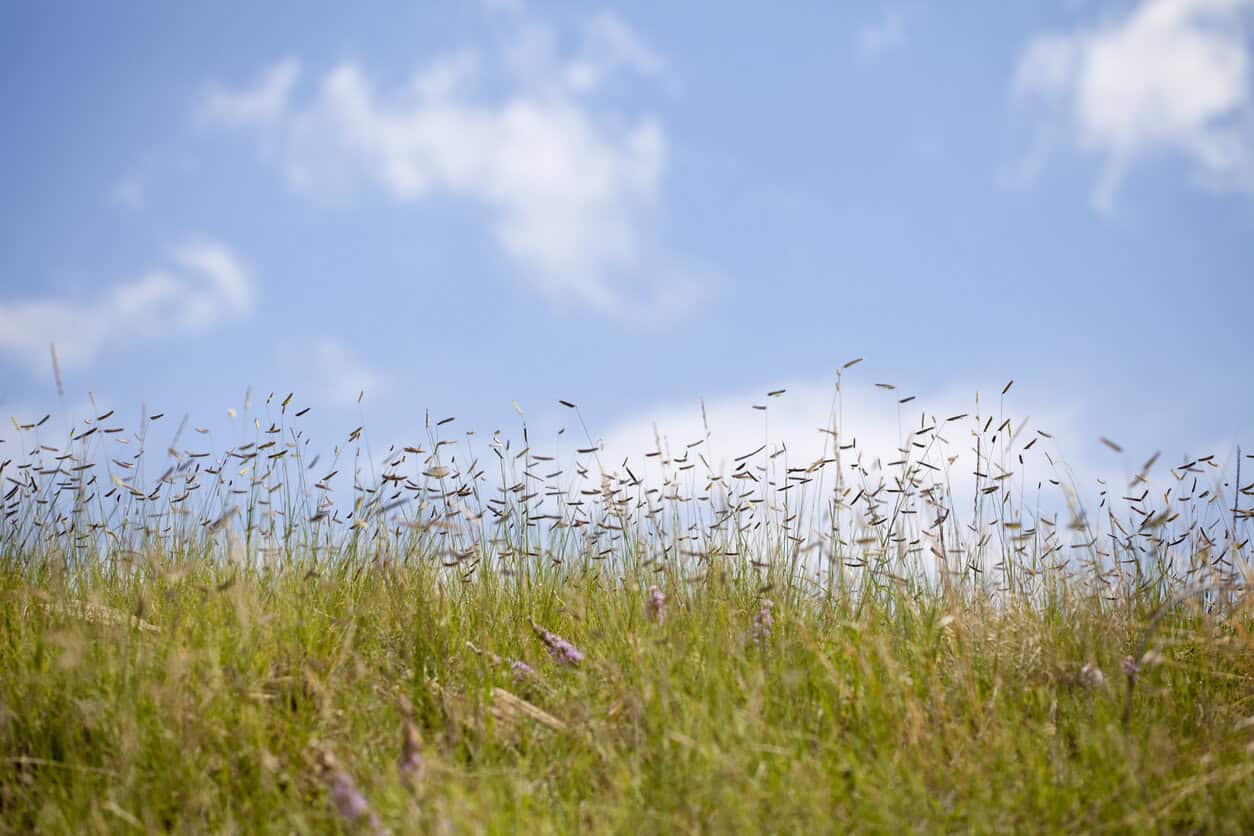
Blue grama grass is a low-growing native with quirky horizontal seed heads. It’s drought-tolerant and perfect for small gardens thanks to its compact (12–18”) growth.
11: Dwarf Mondo Grass (Ophiopogon Japonicus) (USDA Zones 6-10)

Dwarf mondo grass is also another grass-like perennial rather than a true ornamental grass, but it’s widely used the same way in borders and pathways. It forms dense dark-green groundcover just 6-10 inches tall and grows well in shade, under trees, or between stepping stones.
Some Tips to Use Grasses In Border Design
Let’s Conclude
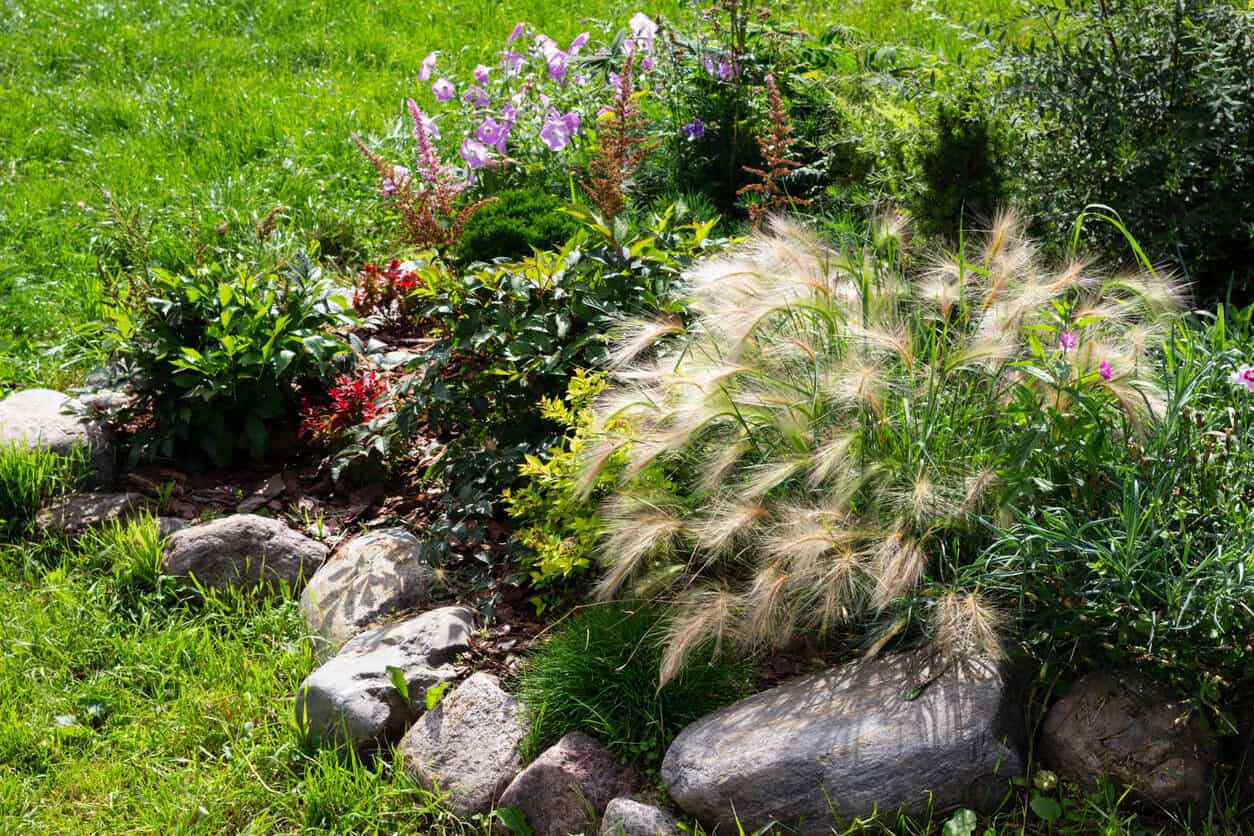
The conclusion for this article is pretty simple: Ornamental grasses deserve love and appreciation too.
Too many times, I’ve overlooked ornamental grasses because not many gardeners are recommending them for garden beautification.
It’s always some “magical” flowering perennial that’s supposed to add depth and visual appeal to your garden, but never grass that actually grows tall, has some body, and can grab attention from afar.
From today onwards, I’ll try my best to write more about ornamental grasses and even share my experience with them if any of you would like to read that.


When talking about grasses , can they be divided like hostas for added to other areas of the garden wh n the get too big for the spot they’re in?
Hi Lynn! 😊 Absolutely! Many ornamental grasses can be divided just like hostas once they mature and start outgrowing their space. A good time to divide them is in early spring or fall, depending on your climate. Just dig up the clump, split it into sections (making sure each has healthy roots), and replant where needed. It’s a great way to fill out other areas of the garden!
My Elijah Blue Fescue look like an old man’s beard. Dry and no color. Can they be rescued?
Hi Joanne! It’s actually common! 😊 Elijah Blue can get that dry, scruffy look after winter or in poor soil. Try giving them a good trim in early spring, cut back all the dry blades to just a couple inches above the base. If the center is dead or thinning, you might need to divide and replant the healthy parts. With sun and well-drained soil, they usually bounce back! 😊