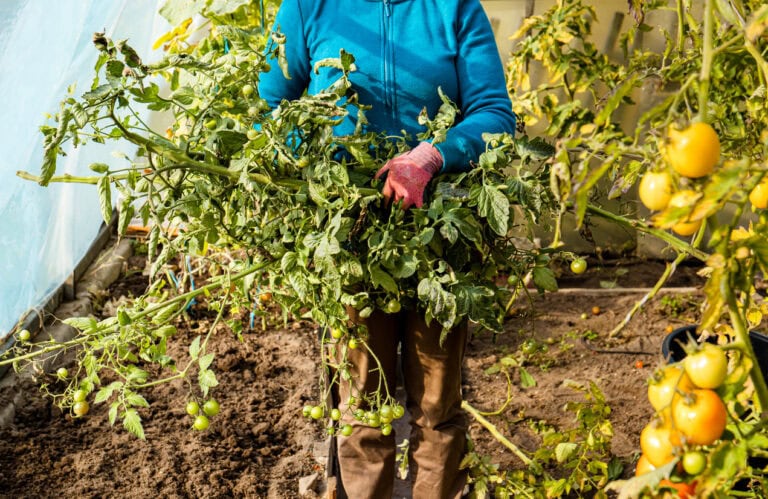
Normal flowers are fine if you enjoy staring at your feet, but I prefer plants that can look me in the eye. It’s time to think big! Or at least think tall.
The Long and the Short of It
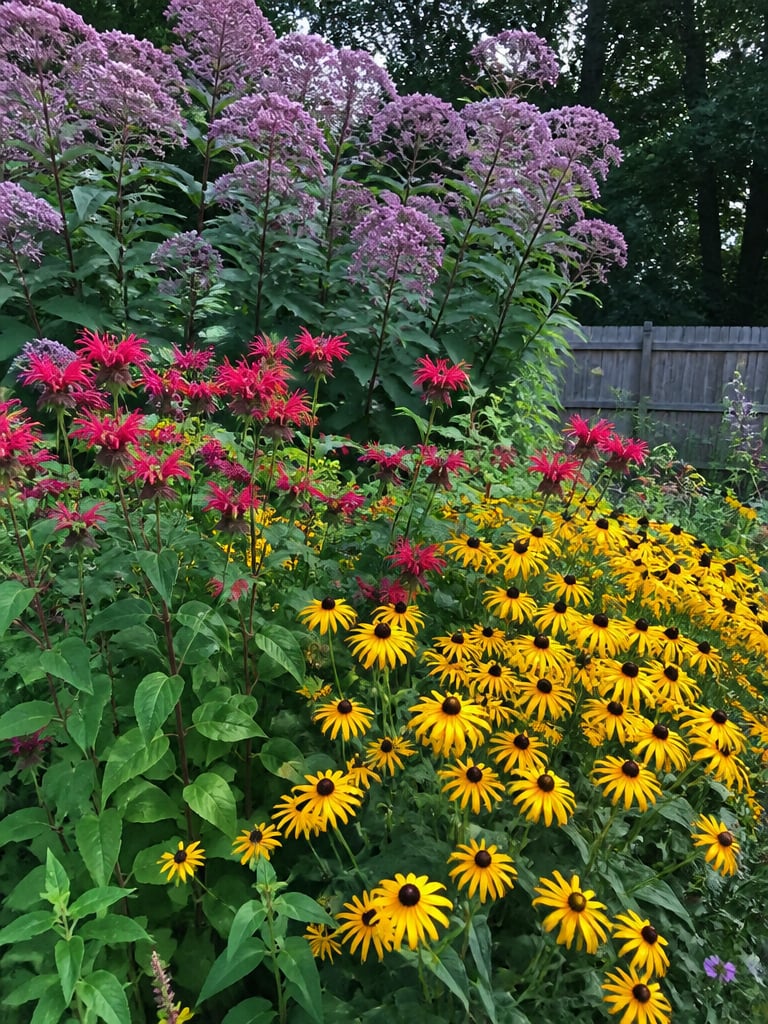
Nobody likes being looked down on, least of all by a plant. But these tall back-of-the-border flowers prove you can bring height, drama, and a little privacy without planting something that takes over the whole garden.
And if you are still figuring out the whole border-casting process, we also wrote a guide on choosing plants for garden borders with color, shape, and year-round interest.
1. Culver’s Root (USDA Zones 3-8)

How tall it gets: 4 to 6 feet, with candelabra-like spires that usually hold themselves up without staking.
If you want to sound smart, call it Veronicastrum virginicum, but if you are smart, plant Culver’s root in full sun and moist but well-drained soil.
Give it steady moisture and room to rise. It handles damp spots better than many fussy border plants, but it does not want to sit in stagnant muck forever!
2. Swamp Milkweed (USDA Zones 3-9)
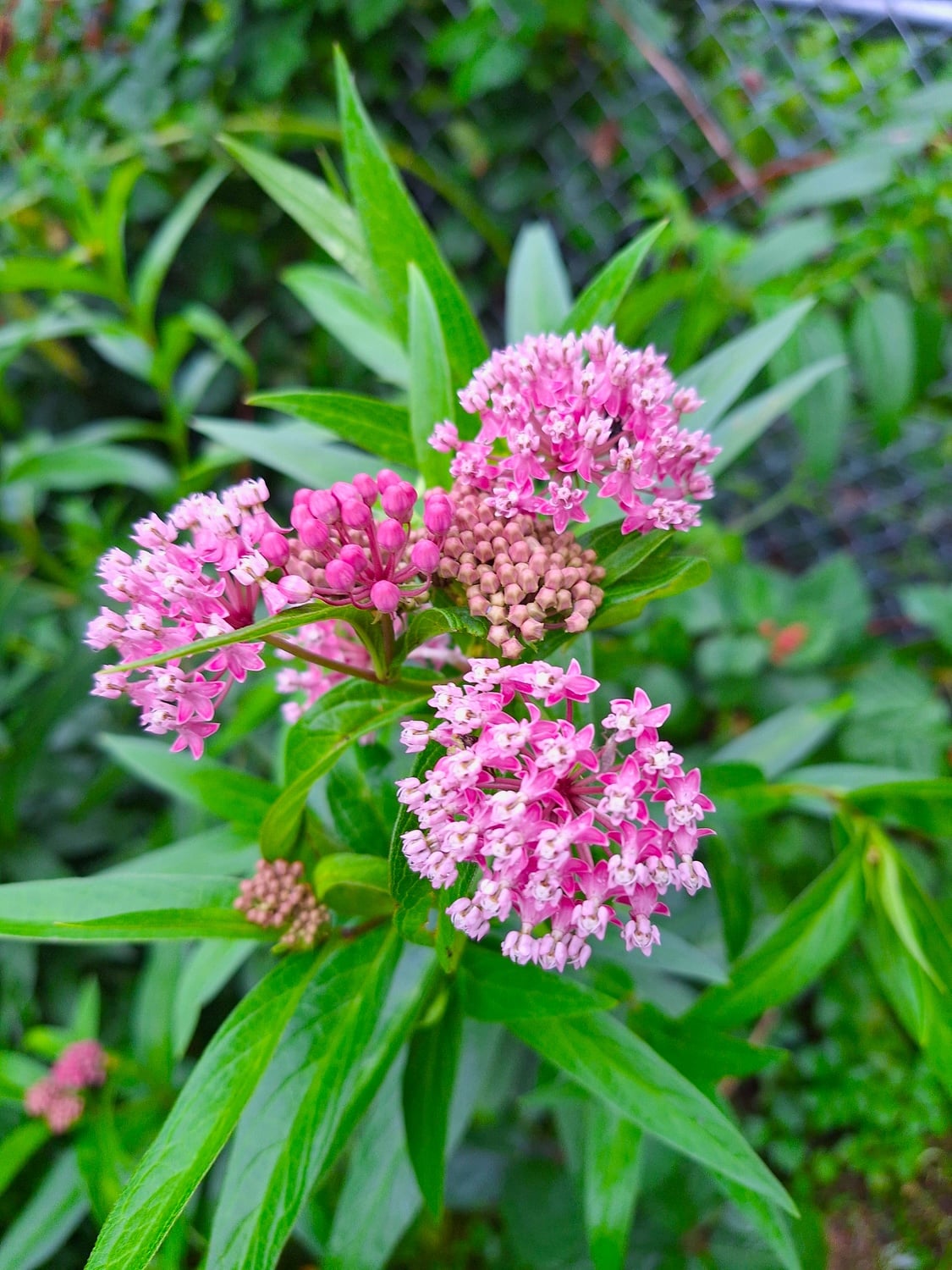
How tall it gets: 3 to 5 feet, with rosy-pink flower clusters that make monarchs and other pollinators act like you opened a five-star nectar bar.
Who wants to be the neighborhood’s premier butterfly landlord? Give Asclepias incarnata full sun and moist soil, and prepare to gloat.
It’s an essential nursery for Monarchs without the property-snatching habits of its milkweed cousins. It also smells remarkably like vanilla, proving that looking good, and smelling nice is perfectly legal.
3. Joe Pye Weed (USDA Zones 4-8)
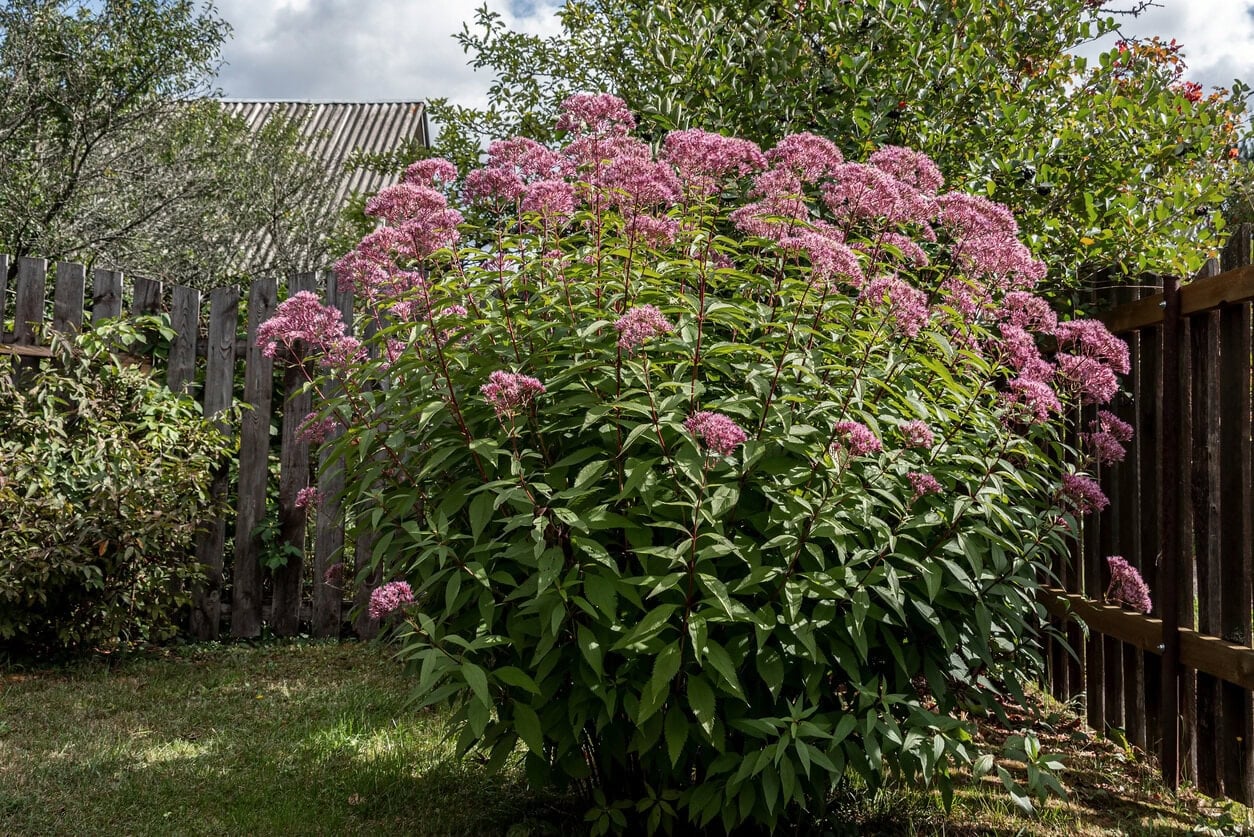
How tall it gets: 5 to 7 feet, with huge dusty-rose flower clusters that look like someone invited the butterflies to dinner and forgot to set a limit.
If you feel the need to justify planting something taller than your garden furniture, say Eutrochium fistulosum and watch the neighbors slowly back away.
It demands full sun to part shade and consistently moist, rich soil. This one has the hollow stem that gives hollow Joe Pye weed its name, and in the right spot, it stays vertical without stakes or magic.
4. Cardinal Flower (USDA Zones 3-9)
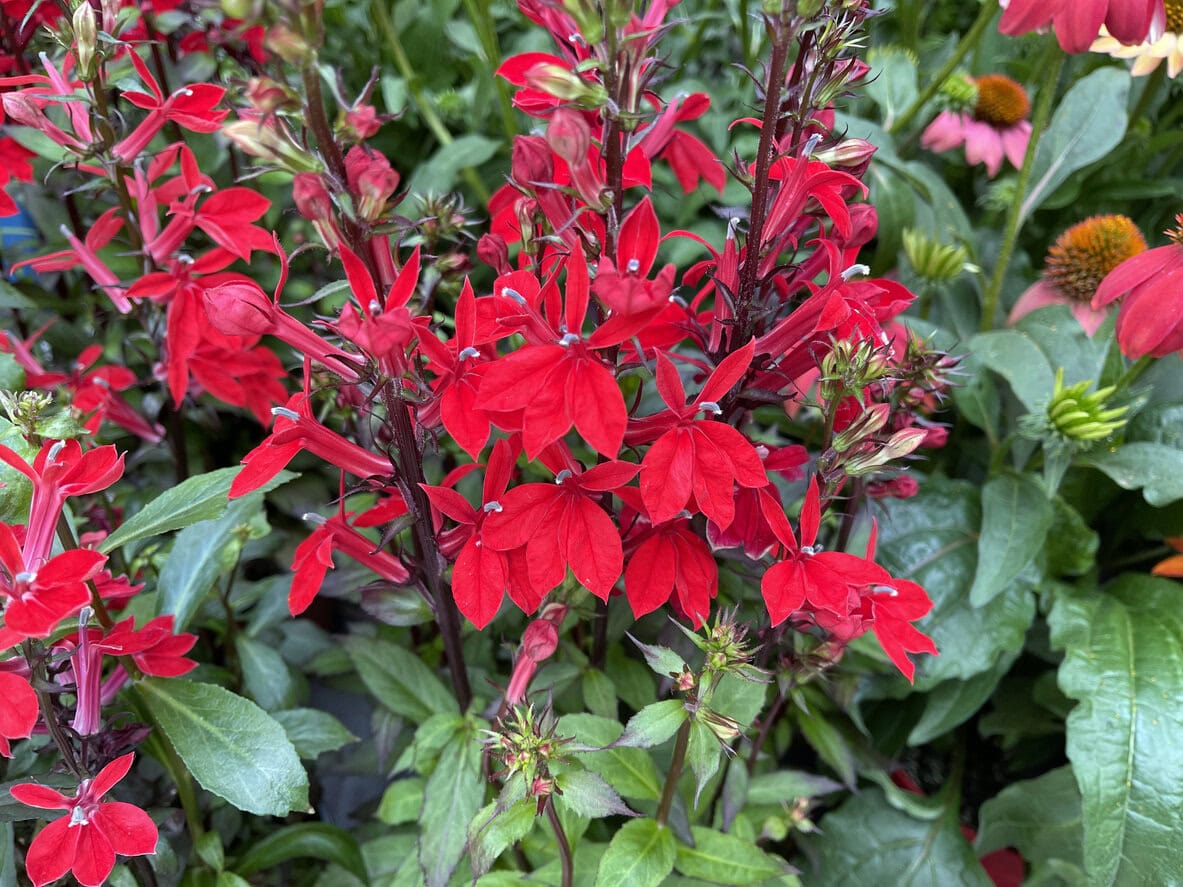
How tall it gets: 3 to 4 feet, with electric red flower spikes that make hummingbirds forget they have other errands.
Do you enjoy watching hummingbirds and other pollinators lose their tiny minds over a sip of nectar? Plant Lobelia cardinalis.
Tuck it into a moist spot with full sun to part shade, especially somewhere with a little afternoon relief in hot climates. . It prefers to stay in a tight clump and asks only that the soil never fully dries out.
5. Blue False Indigo (USDA Zones 3-10)

How tall it gets: 3 to 4 feet, with indigo-blue, lupine-like flower spikes in late spring.
Baptisia australis spends late spring looking fancy and the rest of the year mocking the very idea of a drought. Give it full sun and average, well-drained soil, and it will give you those blue-blooded blooms without asking for much in return.
And once those deep taproots settle in, it becomes a permanent fixture, so do not plant it somewhere you’ll regret later. It won’t run all over the border, but it will eventually mature into a big, shrub-like mound.
If you like that kind of low-drama border plant, we also have a guide on easy-care plants for garden borders that can handle a little neglect without turning the bed into a crime scene.
6. Giant Hyssop (USDA Zones 5-9)
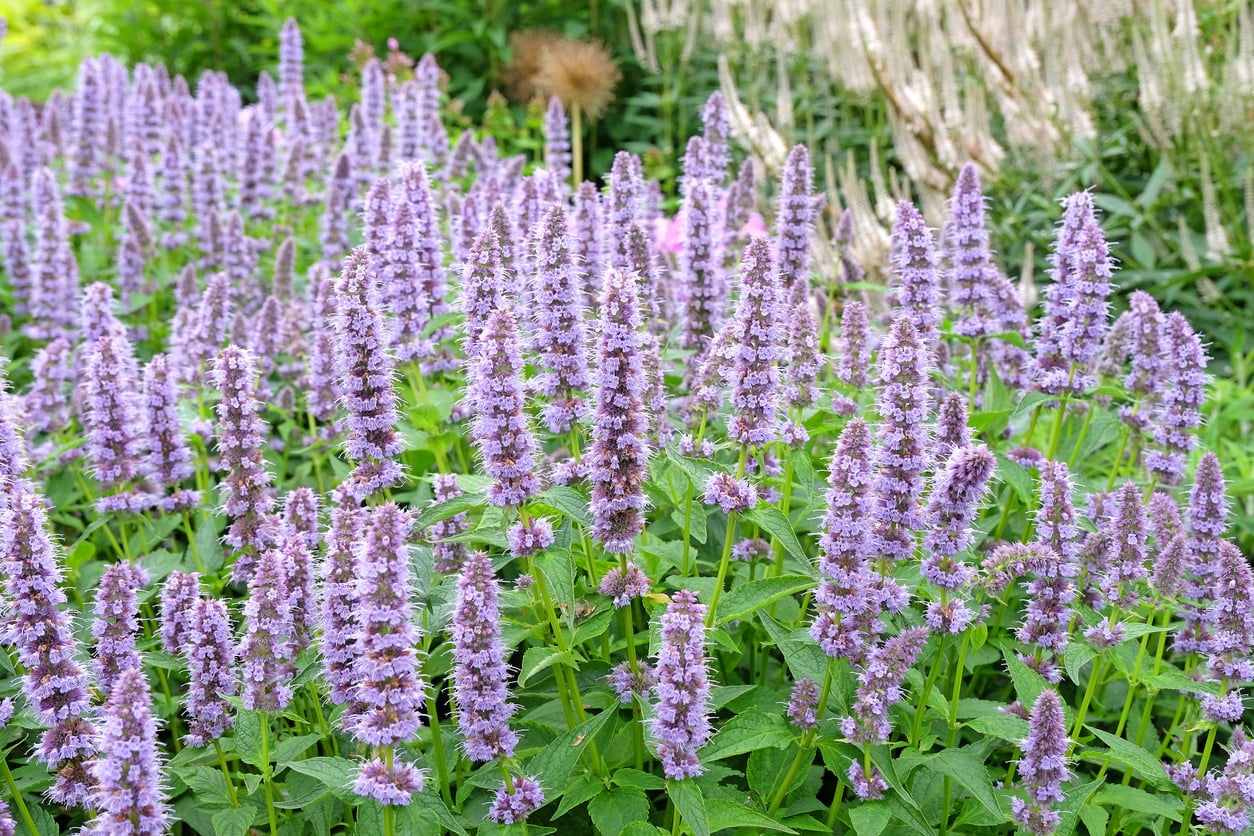
How tall it gets: 2 to 3 feet, with lavender-blue flower wands that keep bees busy for weeks.
Agastache ‘Blue Fortune’ is for anyone who wants the look of a lupine without the inevitable heartbreak. Place it in full sun and fast-draining soil, and it will pump out those licorice-scented blooms like it has something to prove.
It’s a mint relative with actual self-control. It won’t tunnel under your fence or colonize your gravel path, but it will attract every bee, butterflies, and hummingbirds within a five-mile radius for a summer-long nectar rave.
7. Swamp Sunflower (USDA Zones 5-9)
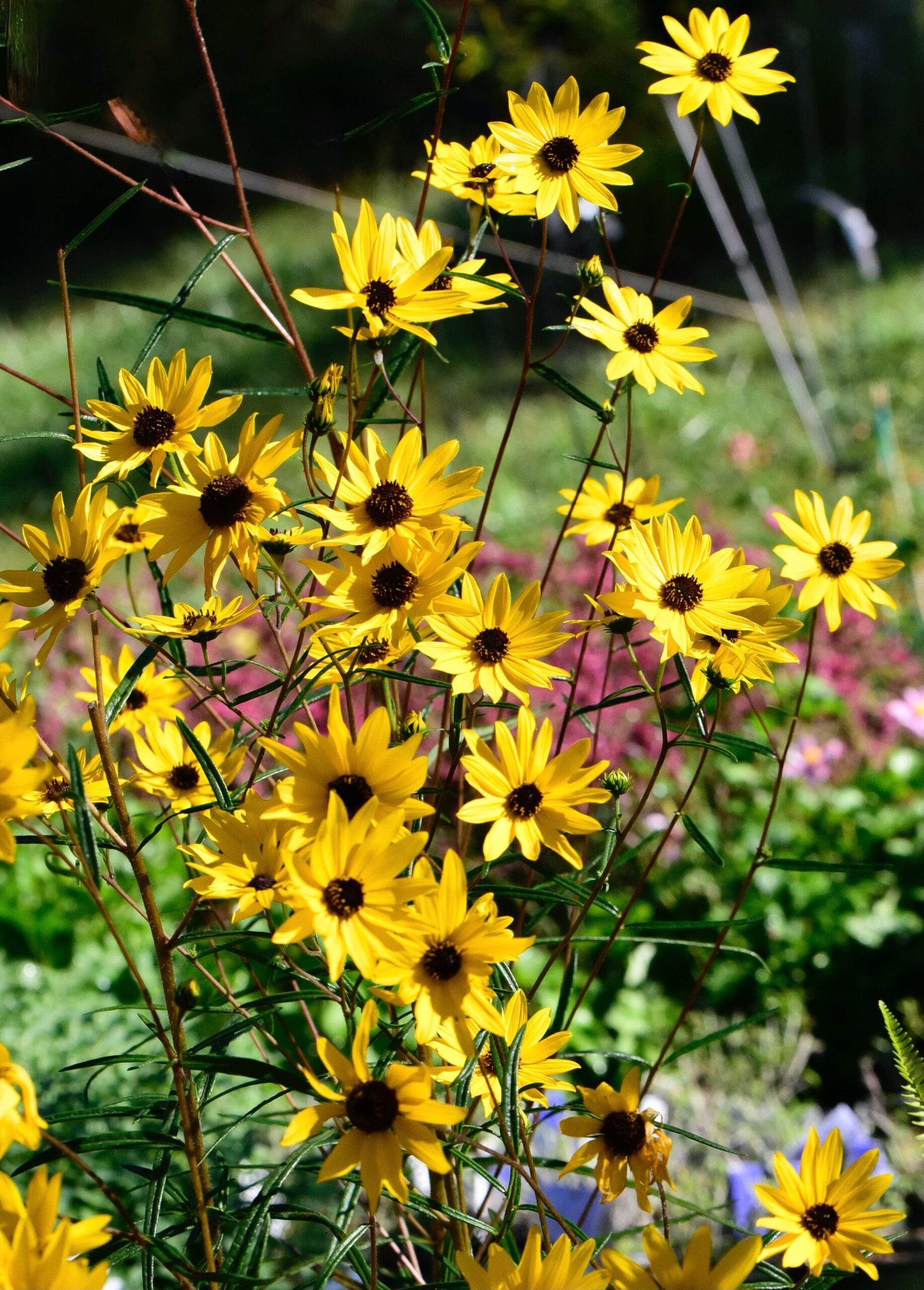
How tall it gets: 5 to 8 feet, with bright yellow, daisy-like flowers that show up just when the garden starts looking tired.
If your neighbor’s chatty habits are the problem, Helianthus angustifolius is the tall yellow hint they may or may not take personally.
Give it full sun and moist to occasionally wet soil. It stays surprisingly sturdy for its height, though I still give it room, good airflow, and a June cutback if I want it bushier instead of skyscraper-dramatic.
Narrow-leaf Sunflower is a structural masterpiece for the back of the border, providing a massive burst of golden energy just as the days start getting short and gray.
8. Great Blue Lobelia (USDA Zones 4-9)
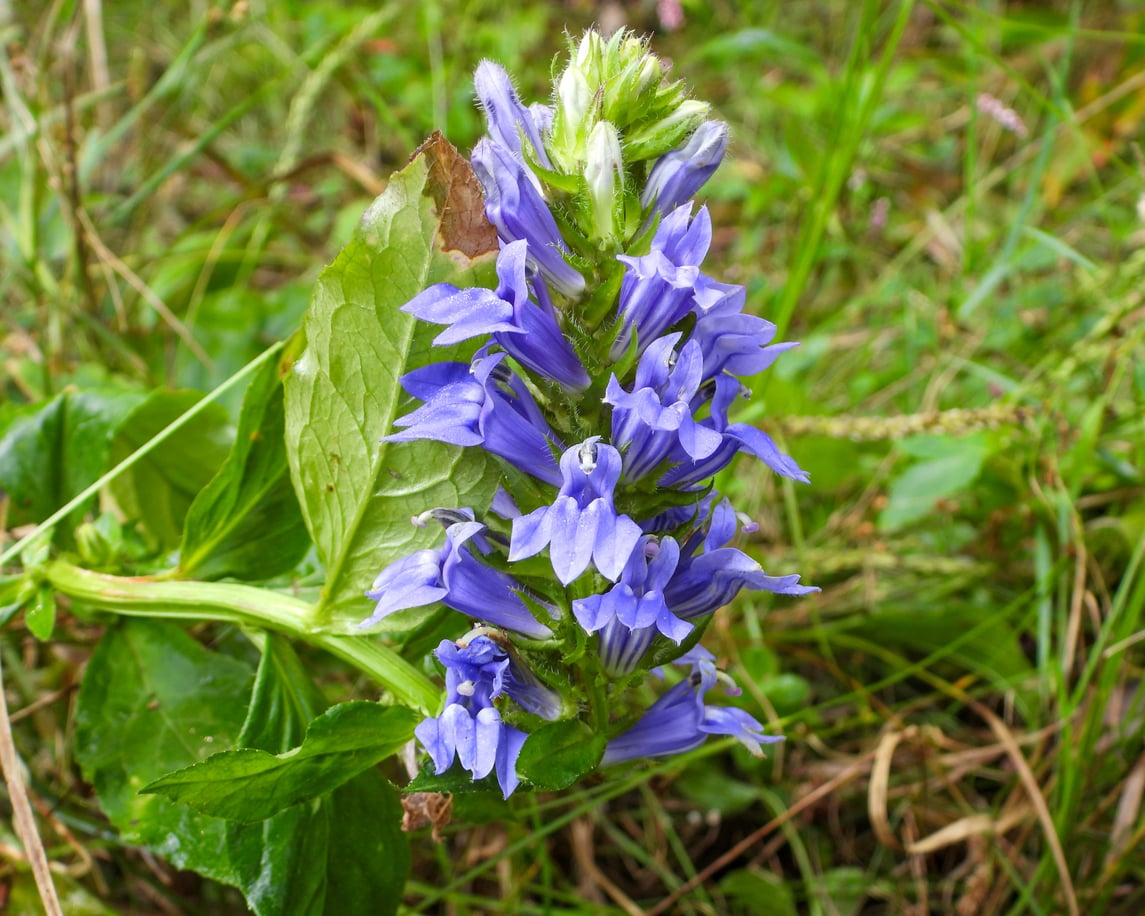
How tall it gets: 2 to 3 feet, with true blue flower spikes that brighten up damp spots without needing a trellis or a pep talk.
Stop trying to drain that wet, partly shaded corner and give Lobelia siphilitica a job there instead. Old-school healers were wrong about its medicinal powers, but they were right about its stamina.
Old-school healers were wrong about its medicinal powers, but they were right about its stamina. As long as the soil stays consistently moist, it will pump out blue spires through the mid-summer heat.
9. Smooth Blue Aster (USDA Zones 4-8)
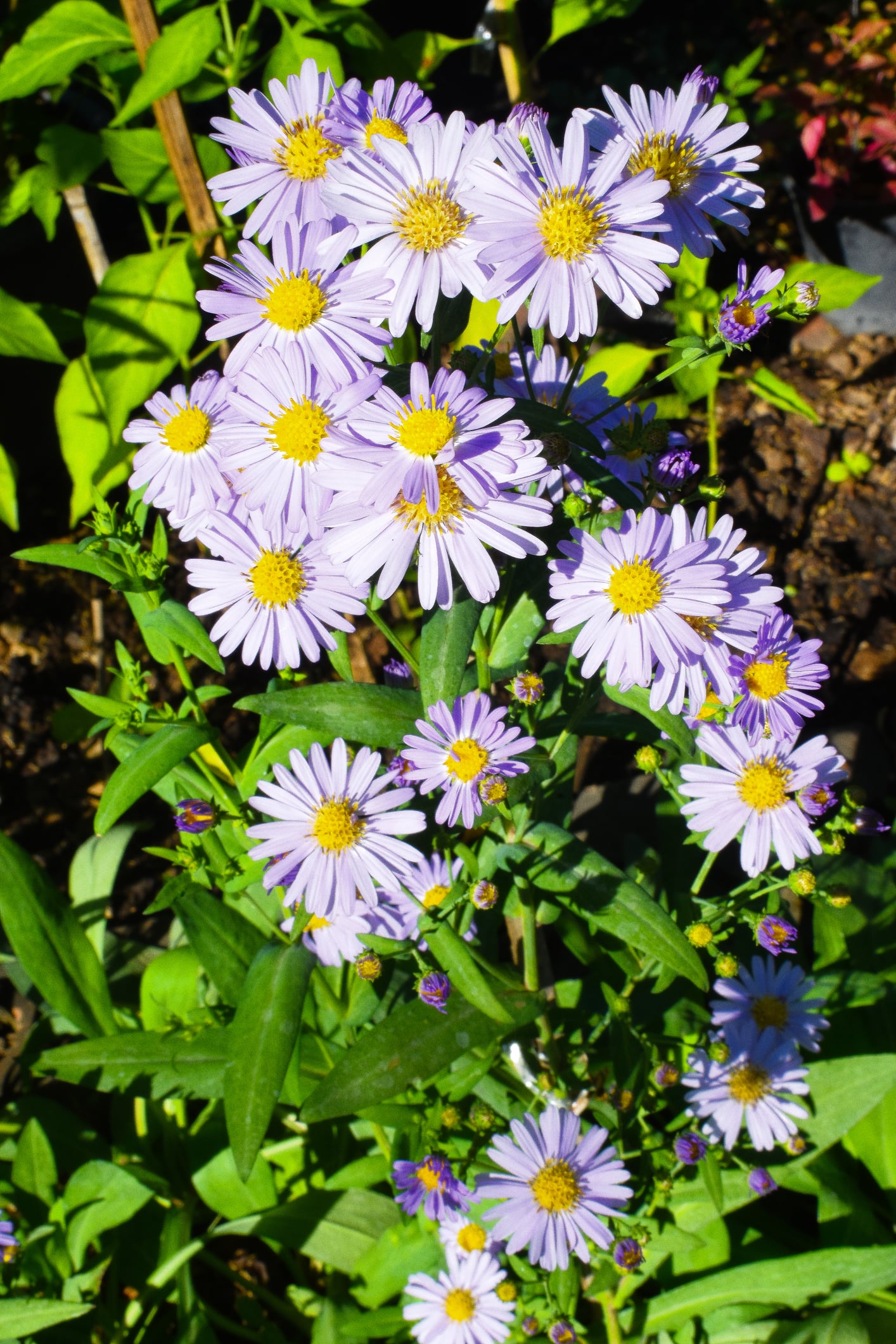
How tall it gets: 2 to 4 feet, with violet-blue, daisy-like flowers that keep pollinators busy late in the season.
While every other plant is preparing to hibernate, Symphyotrichum laeve is just finishing its first espresso. It has smooth, slightly waxy leaves that feel oddly fancy for a plant this unfussy.
Give it full sun and reasonably well-drained soil, and do not cram it somewhere with stale air unless you enjoy gambling with mildew.
By late summer into fall, it will explode into a violet-blue haze of stars that gives the local bees one last decent buffet before winter.
And if your main goal is a border that does not look like it lost a fight by August, we wrote an article about low-mess flowers that keep borders looking neat.
10. Sneezeweed (USDA Zones 3-8)
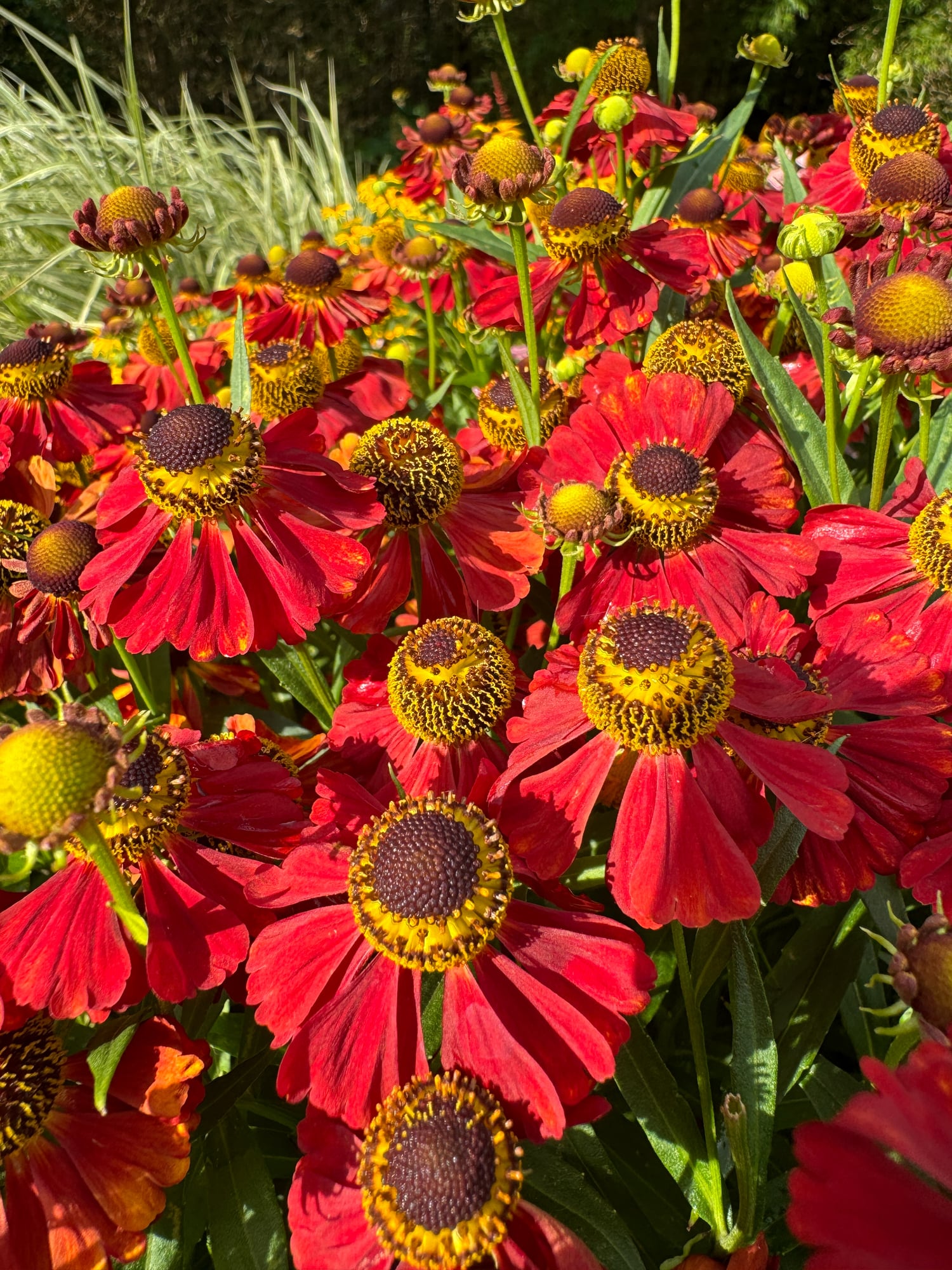
How tall it gets: 3 to 5 feet, with warm yellow, orange, or reddish daisy-like flowers that look much better than the name suggests.
Helenium autumnale is a victim of terrible branding. The name comes from an old snuff-making habit, not your hay fever, so nobody needs to panic in the allergy aisle.
It requires full sun and consistently moist soil, especially if you want it to reach its tallest, showiest self. Its stems have those strange leafy ridges that help give the plant a sturdier look than you might expect, and it is happiest in the kind of damp spot where your lawnmower starts questioning your life choices.
11. Blazing Star (USDA Zones 3-9)
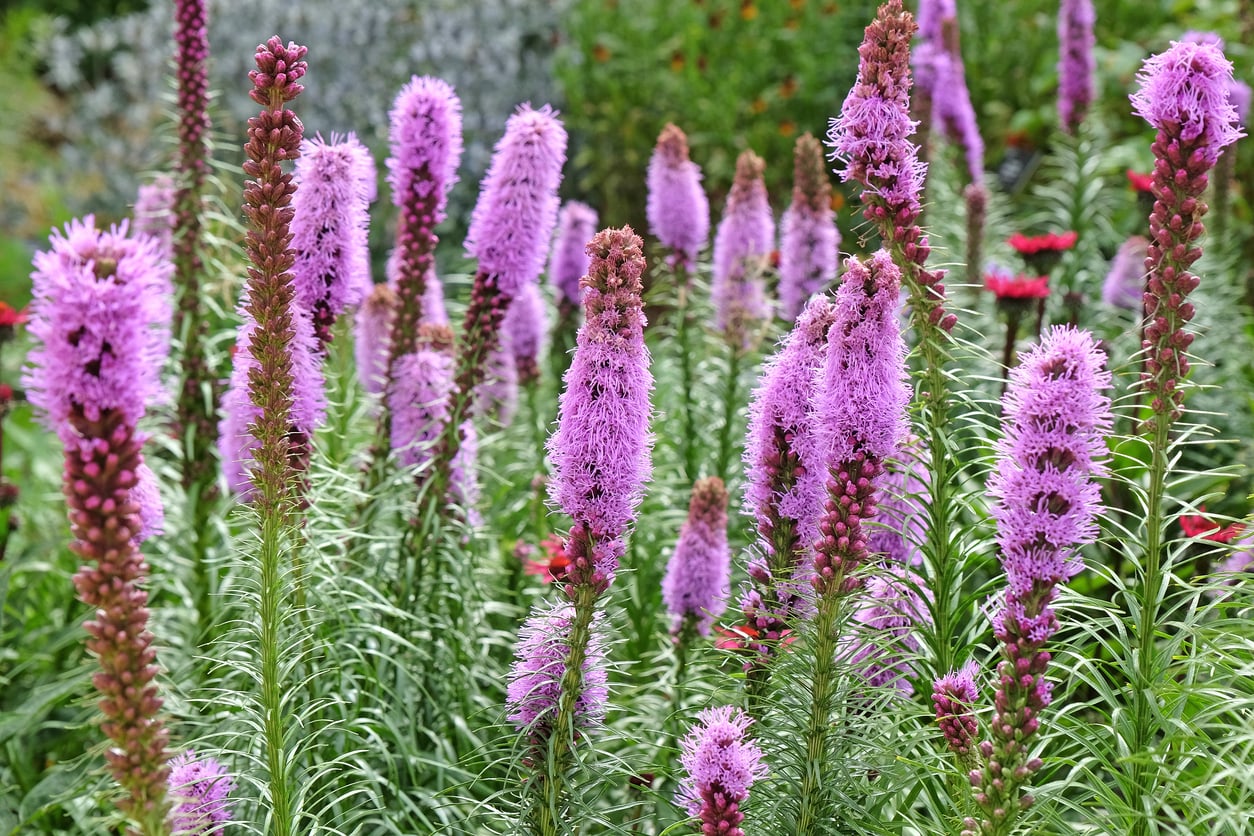
How tall it gets: 2 to 4 feet, with purple flower spikes that look more like Muppet fur than flower petals.
Liatris spicata does not do subtle. Give it full sun and average to moist, well-drained soil, and it will spend most of the season pretending to be a polite grassy clump before suddenly launching purple fireworks.
Even then, it takes up very little floor space, which is exactly why I like it at the back of a border or tucked between bulkier plants. Big visual impact, tiny real estate demands.
Pet note: Some of these beautiful pollinator plants are not pet-friendly. If you have pets that chew garden plants, I’d skip milkweed, lobelia/cardinal flower, blue false indigo, and sneezeweed.
High Standards, Higher Stems
Want to tune out the neighborly chatter and maximize the buzz? Stop (crouching) to smell the (short) flowers and get some plants that are head and shoulders above the rest.
If your garden still has room for more vertical drama, we also wrote a guide on tall perennials that make a garden stand out.