One of my friends, a professional engineer but amateur gardener, once said: clematis are high-output machines with terrible cooling systems. She started talking about root-zone thermoregulation and nutrient density; all I heard was blah blah blah…
What I do know from growing them is this: keep their roots cool, water them deeply, feed them like they’re starving, and don’t be afraid of the shears.
Tip 1: Pruning for Beginners

I see gardeners treat pruning like they’re defusing a bomb, but with clematis, you just need two clues: when it blooms and where the buds are. So, what if you inherited a mystery vine? Simple. Watch it for one season.
Still in doubt? Wait until the flowers fade, then prune lightly. You usually won’t kill a clematis by pruning it wrong, but you can absolutely rob yourself of flowers for a season!
Group 1
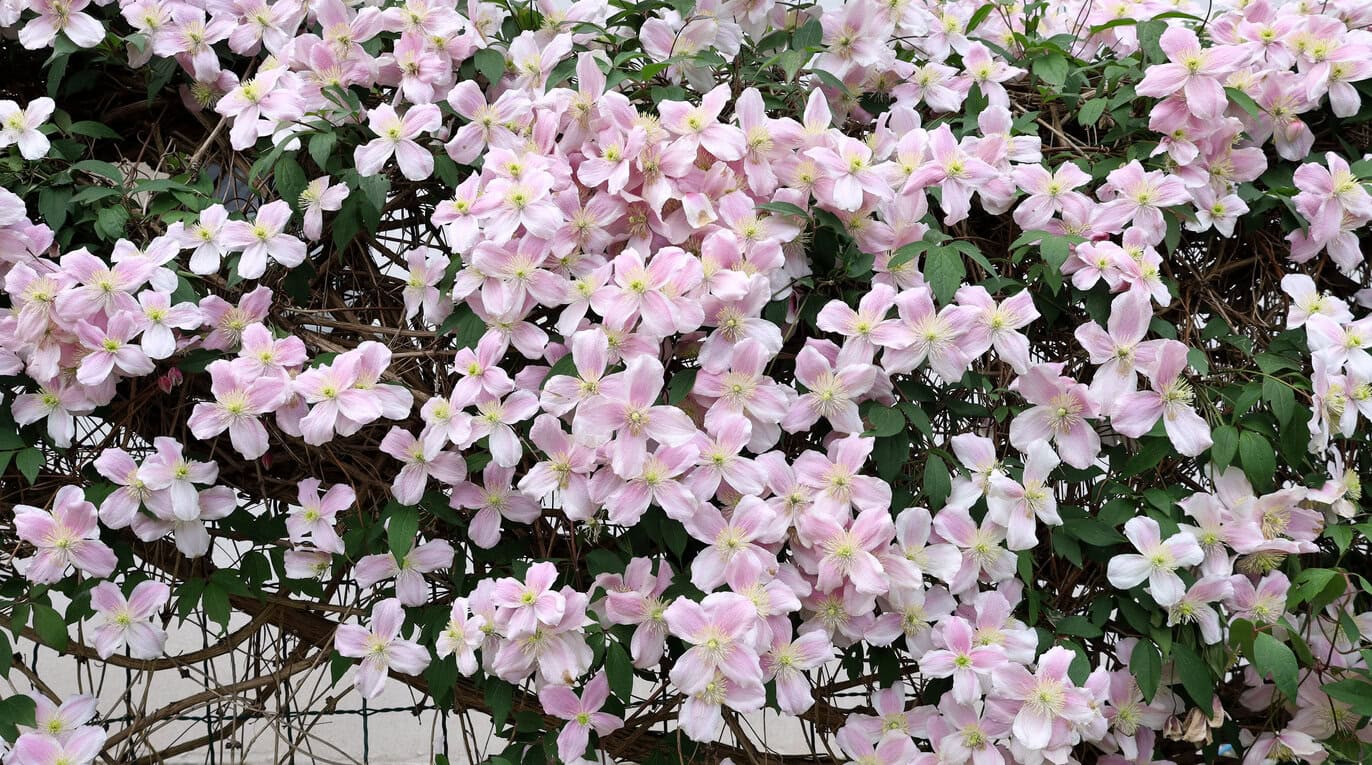
Group 1 clematis flowers in early spring, usually around April or May. Types like C. montana and C. alpina bloom on old wood, which means they spent all last summer and fall building the buds for this spring.
If you take your shears to these in March, you’re snipping off every flower you were waiting to see. So even if the vine is starting to swallow your house, wait until the last flowers fade in late spring!
When the shears come out: After the last flowers fade in late spring. Then cut back any wild, dead, or wayward stems and shape the vine back to the space you actually want it to live in.
Group 2
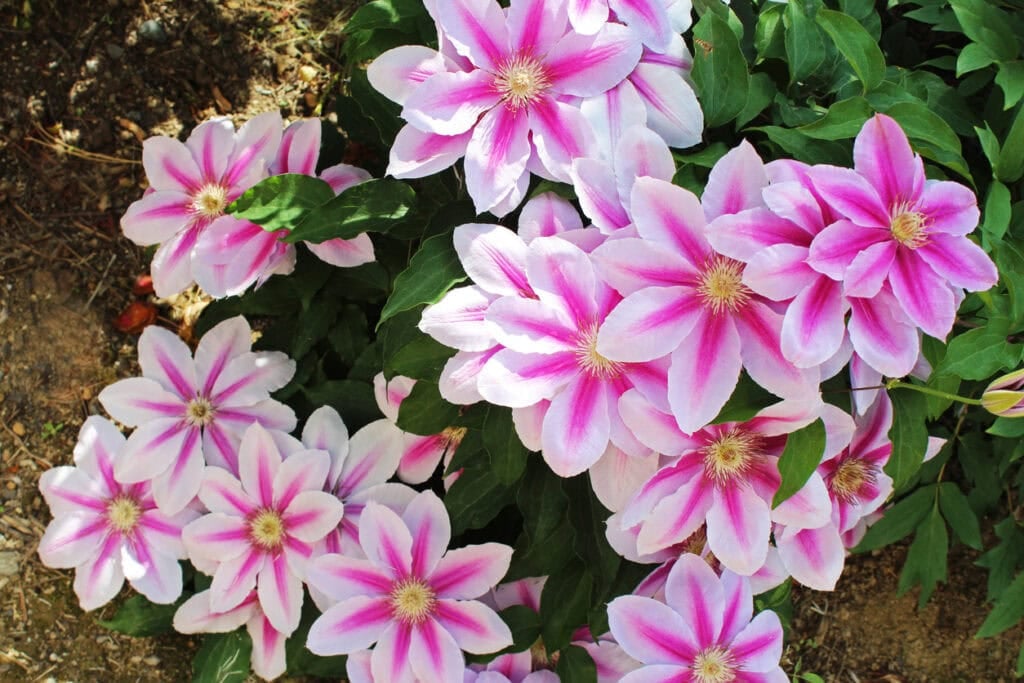
Group 2 is where the fancy hybrids live, and yes, they’re everybody’s obsession for a reason. Many of them bloom twice: once on old growth in late spring or early summer, then again on new growth later in the season.
If you go too hard, you lose the big spring show. If you go too light, the plant gets leggy and tangled.
When the shears come out: Wait until you see some green life in spring, then look for the dry straw-like stems that clearly didn’t make it. Snip those back to a pair of healthy buds, and lightly shape anything that’s weak, messy, or growing where it shouldn’t.
Group 3

Group 3 clematis flowers from midsummer into fall on new wood, which means this is the group where you can finally stop being delicate.
So if you have types like C. viticella or sweet autumn clematis, late winter or early spring is your permission slip for controlled carnage.
When the shears come out: In late February or March, before the new growth really takes off. Find the lowest pair of strong, healthy buds, usually about 12 to 18 inches off the ground, and remove everything above them.
Tip 2: Bury and Let Live
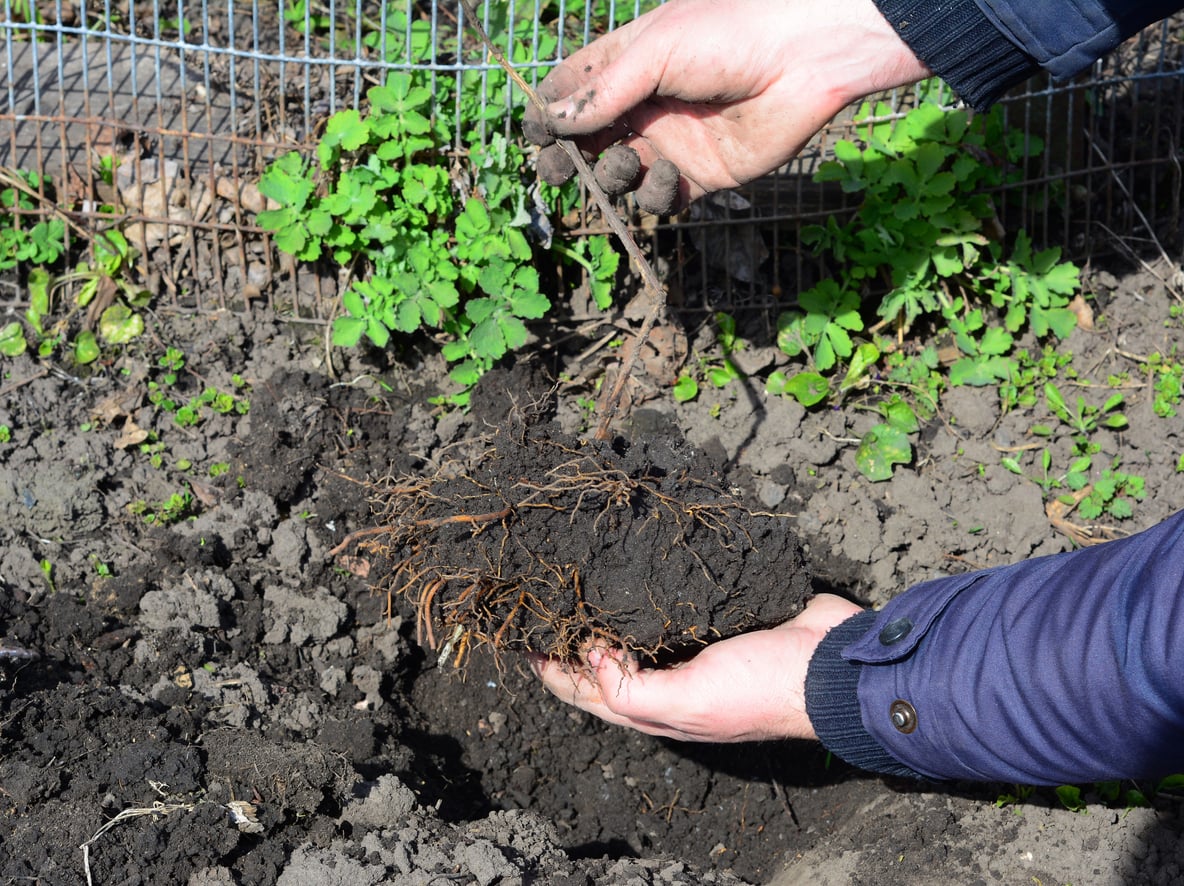
Most people plant clematis like marigolds. That’s a HUGE NO! With clematis, the crown needs to be tucked underground instead of sitting right on top.
Why? Because clematis wilt is a creep that can make the top of the plant collapse overnight. If the crown is buried, the plant has a backup plan. The top dies, you curse, and if the roots are still healthy, fresh stems can still push back up from the soil.
When it goes in the ground: Plant the crown a few inches deeper than it sat in the pot, usually around 2 to 4 inches below the soil line.
Tip 3: Hydration or Suffocation
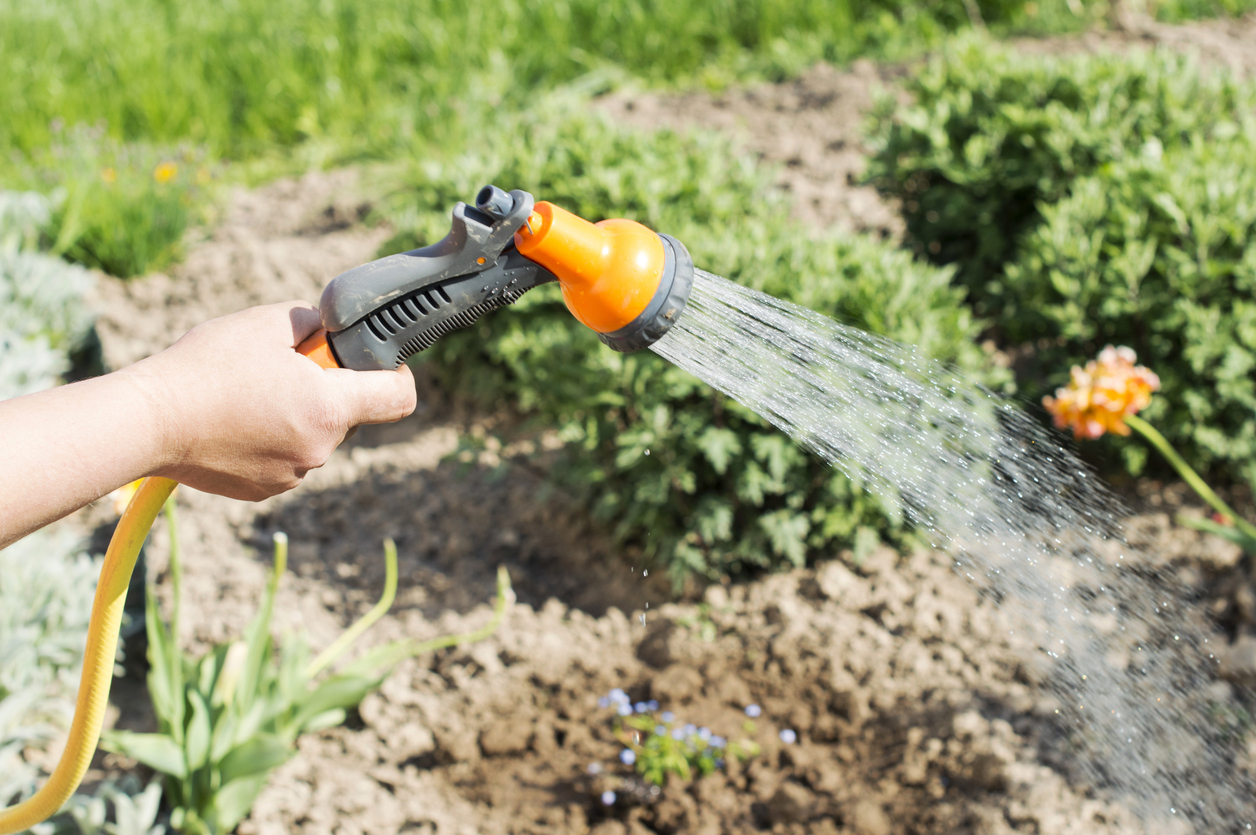
Clematis are dramatic drinkers, but thirsty doesn’t mean swampy.
They want evenly moist, well-drained soil. Not bone-dry dust, and not a bog at their ankles. Deep watering helps build stronger roots, which is exactly what they need when July starts acting personal.
When the hose comes out: Give them a slow, deep soak about once a week during dry weather, and more often in containers or brutal heat.
Tip 4: Heavy Feeders Only
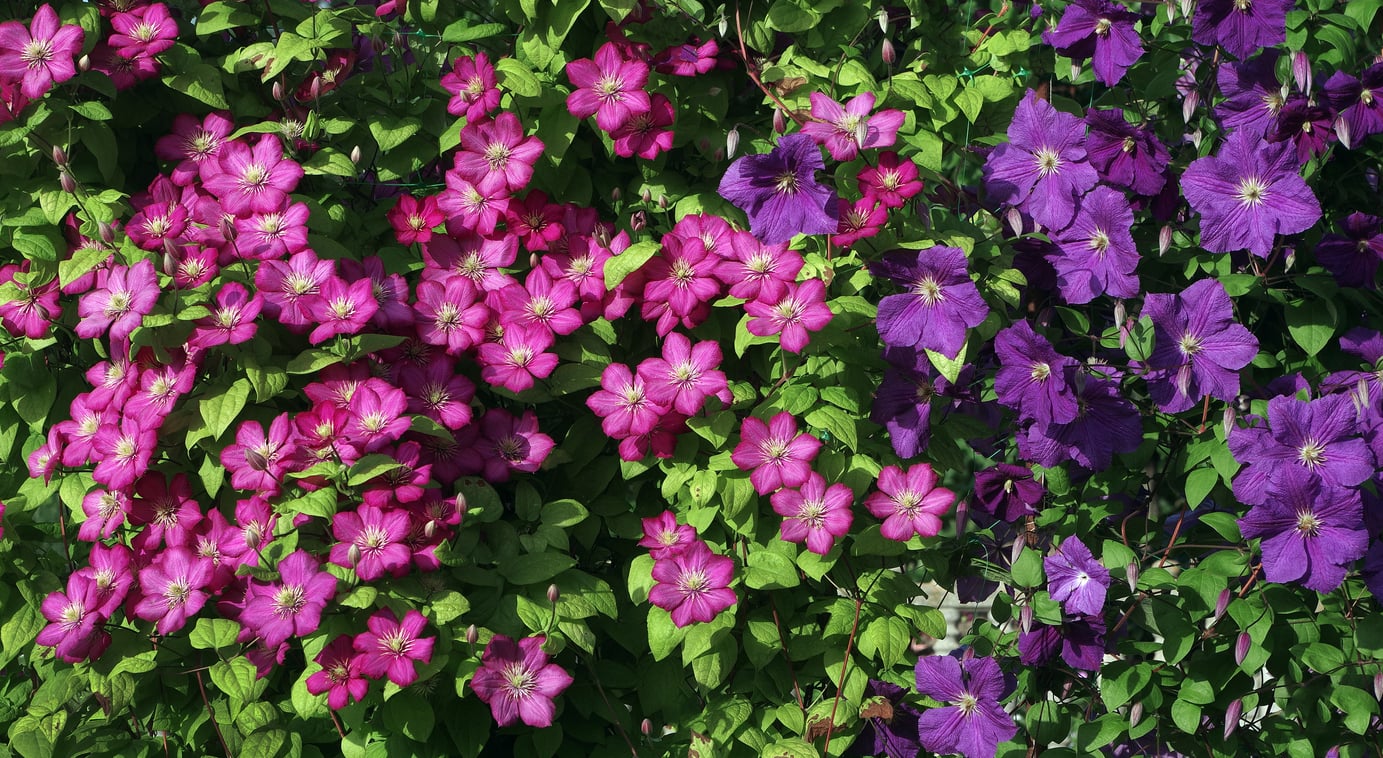
Clematis are not plants you toss in the ground and expect to live on vibes.
In early spring, I like to give mine a 2 to 3 inch layer of compost or well-rotted manure. It helps hold moisture, feeds the soil life, and keeps weeds from moving in like they pay rent. Just don’t let that manure touch the base.
When the vines start taking off, I switch to a tomato feed about once a month. Liquid? Mix it like the bottle says. Granular? Work it lightly into the soil and water it in.
When the feeding stops: Once buds are forming and the plant is getting ready to flower, ease off the heavy feeding. You’ve done your job. Now let the plant show off.
Tip 5: Ice the Feet
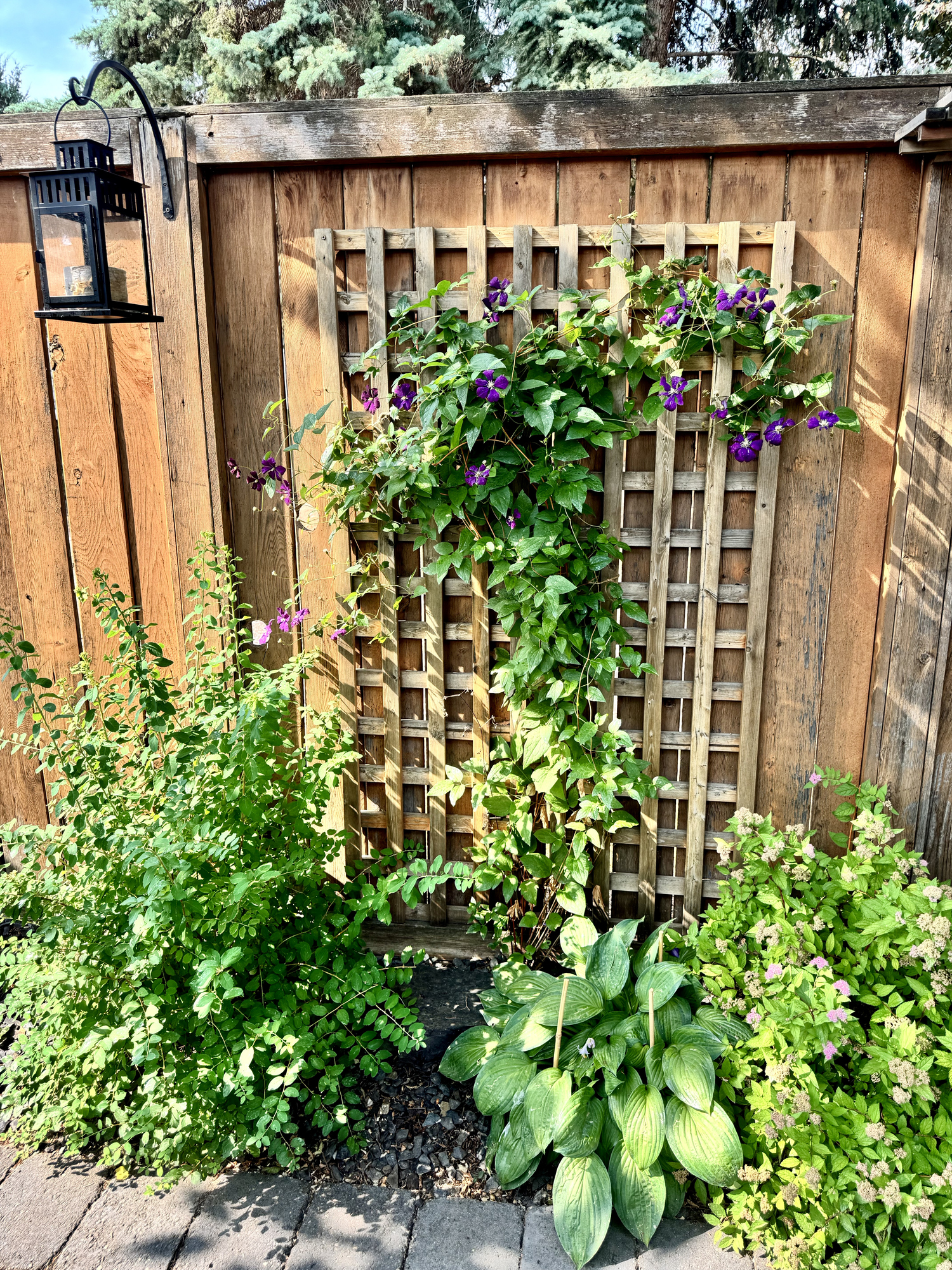
Clematis like their heads in the sun and their feet cool. If the soil at the base starts baking, the whole vine gets dramatic.
Wood chips are fine, but if you have leaf mold, compost, or a pile of half-rotted leaves, use it. A 2 to 4 inch layer helps hold moisture, cools the root zone, and slowly feeds the soil as it breaks down.
If you hate the look of bare stems at the bottom, plant something low and shallow-rooted in front of them. A hosta can work in part shade, but don’t let any companion plant bully the clematis roots.
When the mulch goes down: Spread it around the base in spring, but keep it an inch or two away from the crown. Cool roots are good. A soggy, buried stem collar is not the goal.
Tip 6: Direct the Traffic
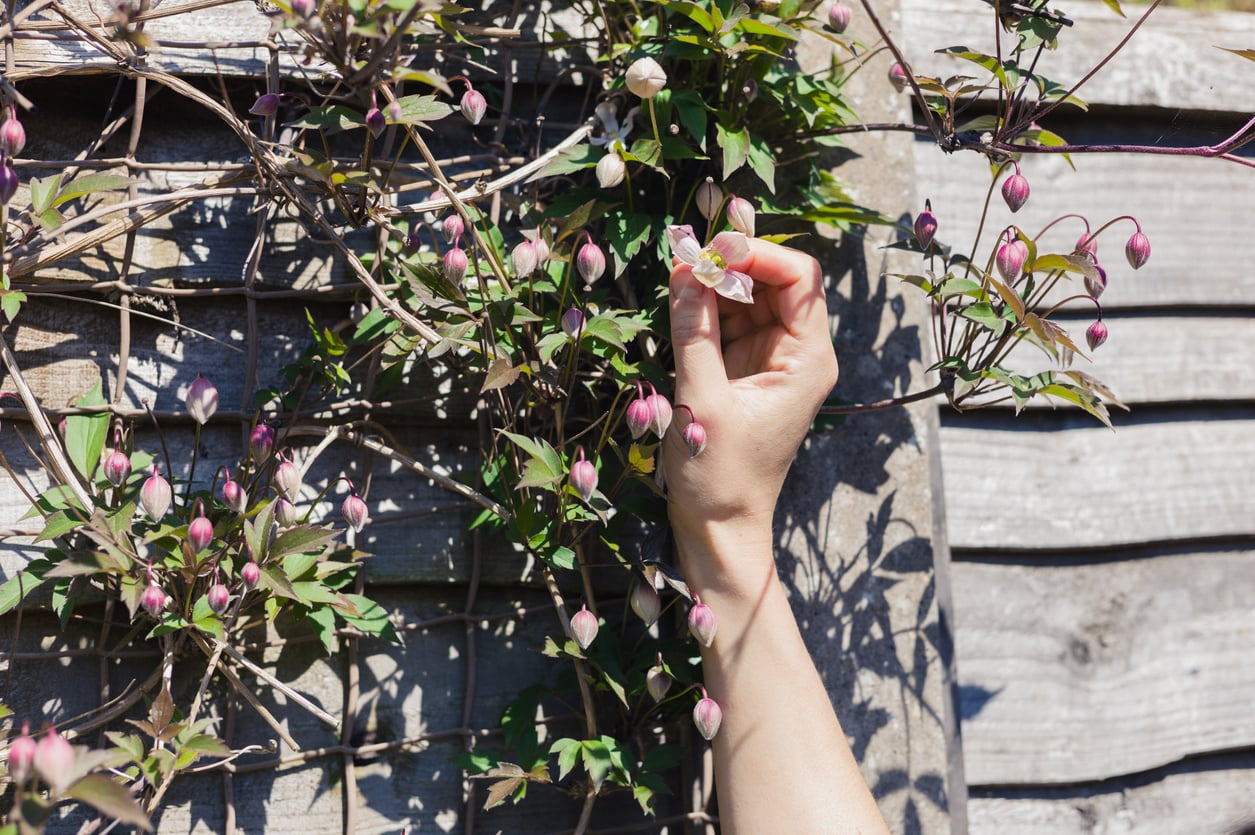
Vines are dumb. They’ll twine and tangle around themselves into a chaotic knot if you let them.
Grab some soft twine or clips and show them the way early in the season, while the stems are still flexible. Spread the stems out instead of letting them climb in one skinny clump.
Training some stems sideways helps wake up more side shoots, and more side shoots usually means more places for flowers to show up later.
When the tying starts: Start guiding new growth in spring, before the vine turns into a green bird’s nest. Tie loosely, check it as it grows, and don’t strangle the stems just because the plant refuses to behave.
Tip 7: Holding on for Dear Life

Chunky wooden trellises look great in a catalog, but clematis doesn’t climb like a rose. It grabs with tiny leaf stems, and those little stems can’t wrap around anything too thick.
If the support is fatter than a pencil, the vine may slide down the pole instead of climbing it.
Use thin wire, garden twine, fishing line, or netting over your fancy fence. It gives those tiny fingers something to choke. A vine that feels secure is a vine that puts its energy into flowers.
When the support goes up: Set it in place early, before the vine starts flopping around looking betrayed. The better it can hold on, the easier it is to train, spread, and cover itself in flowers.
Aging Like Fine Vine
As you can see, you don’t even need a green thumb. If the coolant is flowing and the fuel is heavy, this mean machine called clematis redlines.