While there are tons of different plant types and varieties out there in the world, I find shade-tolerant plants to be the most unique, with perennials being my favorite since I don’t have to go out of my way to replant them every year.
As you’ve probably already guessed, in today’s article, we’ll be taking a look at shade-tolerant perennials and how you can play around with them to brighten up low-light spots around your house or garden. Let’s get into it!
List Of Perennials Ideal For Shaded Spots
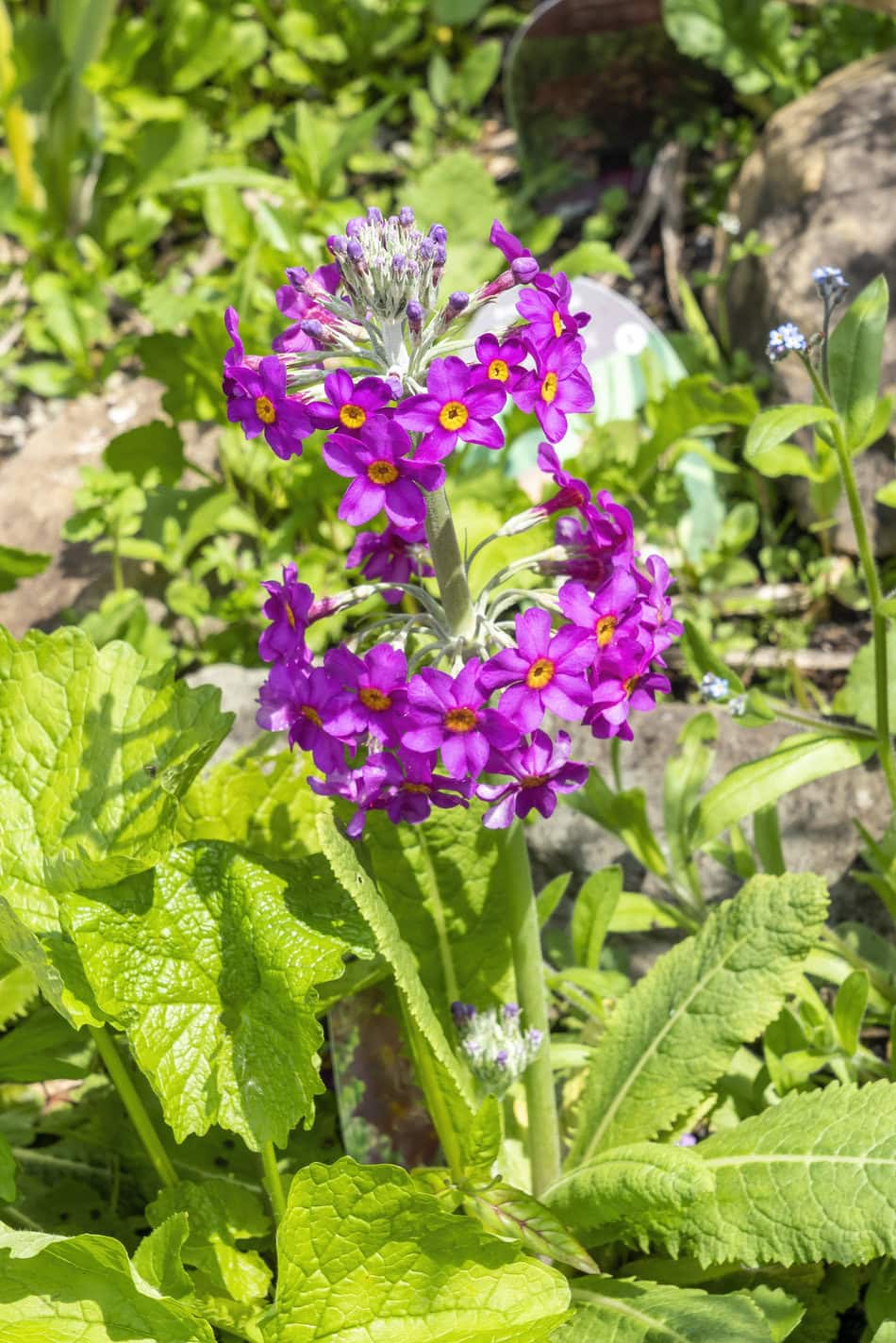
1: Japanese Primrose (Zones 4-8)
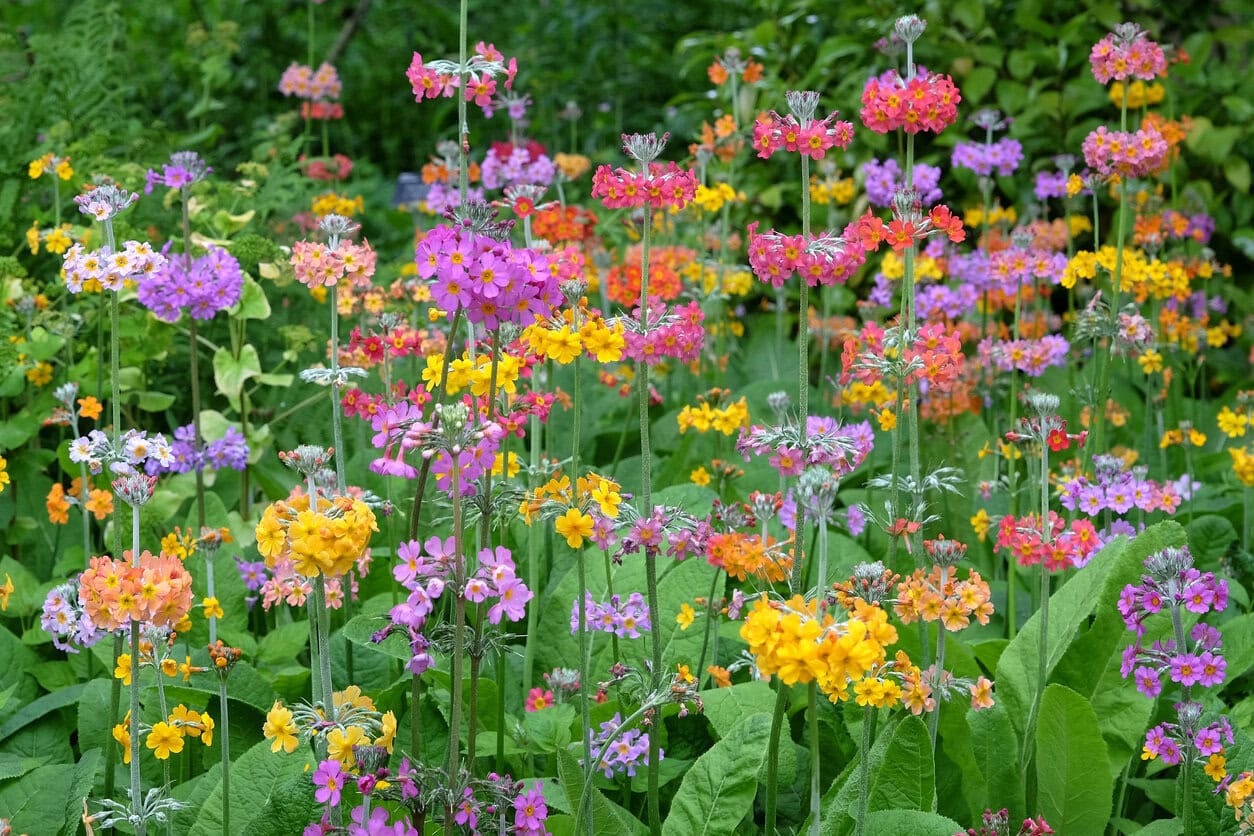
Japanese primroses produce these magnificent flower clusters around the edges of thick green stems. They prefer partial to full shade and should only be planted in moist and fertile soil.
And if your garden tends to stay on the wet side, here’s a helpful list of the best plants to grow in soggy soil, perfect companions for moisture-loving primroses.
2: Lily Of The Valley (Zones 3-7)
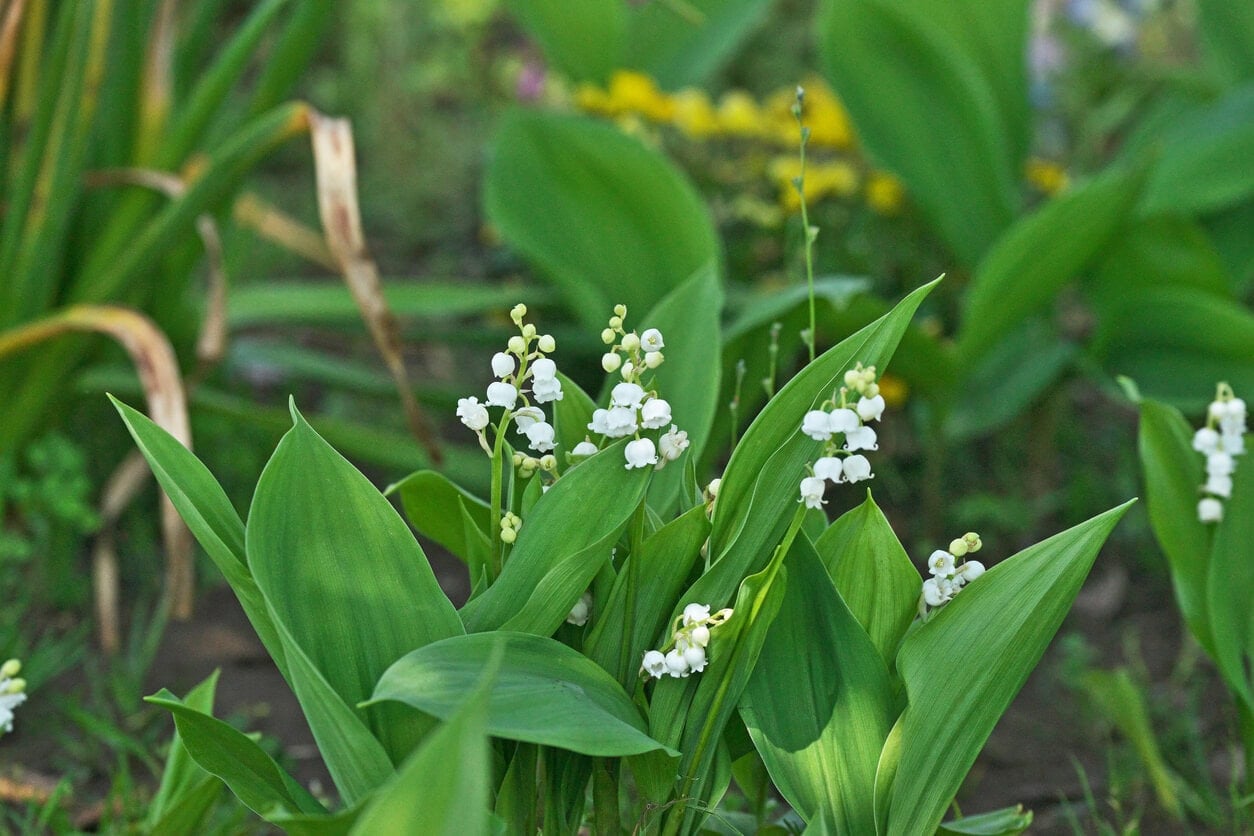
This popular perennial offers clusters of tiny bell-shaped flowers that add a beautiful but familiar fragrance to the air. Lily of the valley is best grown in cool, shaded spots, and its soil should be watered and mulched frequently to ensure adequate moisture.
Quick warning: It spreads fast through rhizomes, so I like to keep it contained or give it its own patch.
Lily of the valley can be a bit of a wanderer, and it’s not alone, here’s a full list of common garden flowers that are incredibly invasive so you know which ones need a little extra space.
3: Sweet Woodruff (Zones 4-7)
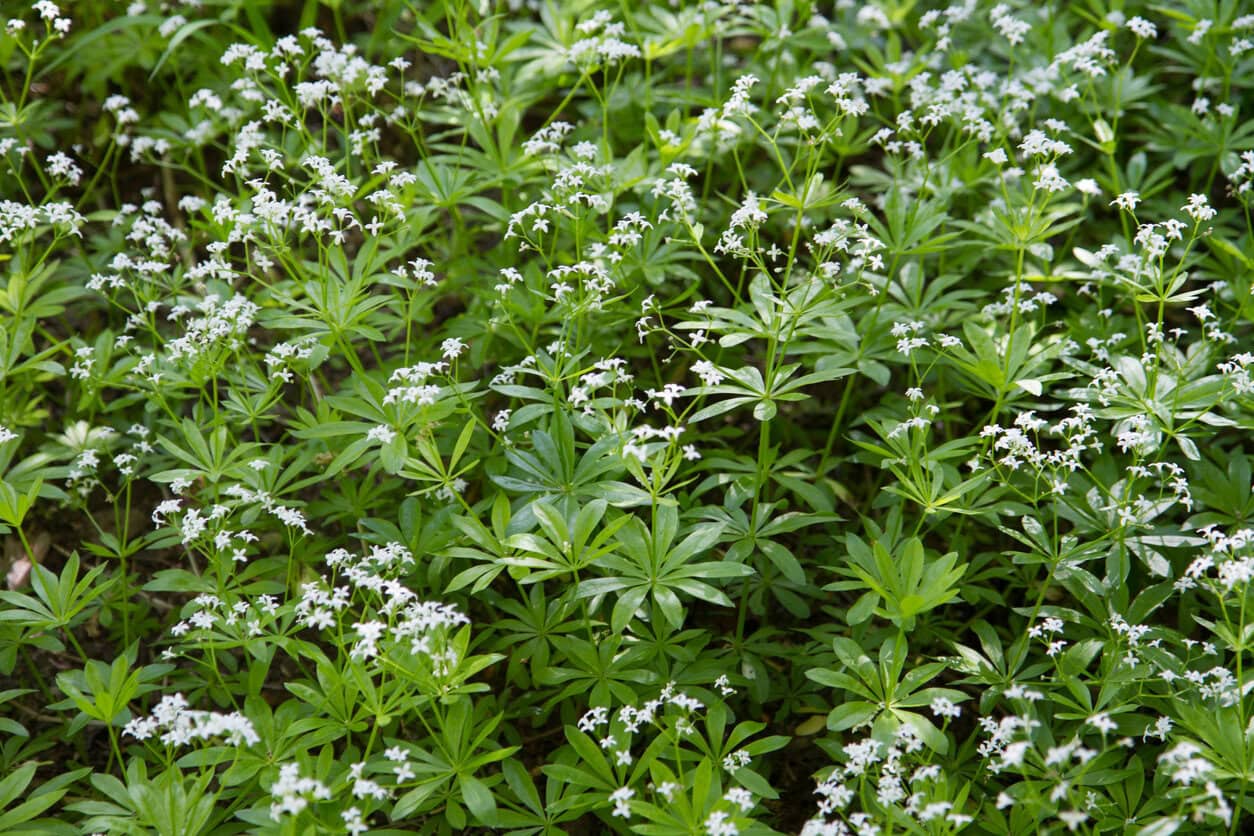
Sweet woodruff is generally known for its striking foliage shape and unique sweet floral smell that’s hard to mistake for anything else. This quick-spreading perennial is best grown in partial to full shade and is mainly seen as groundcover.
4: Toad Lily (Zones 4-8)
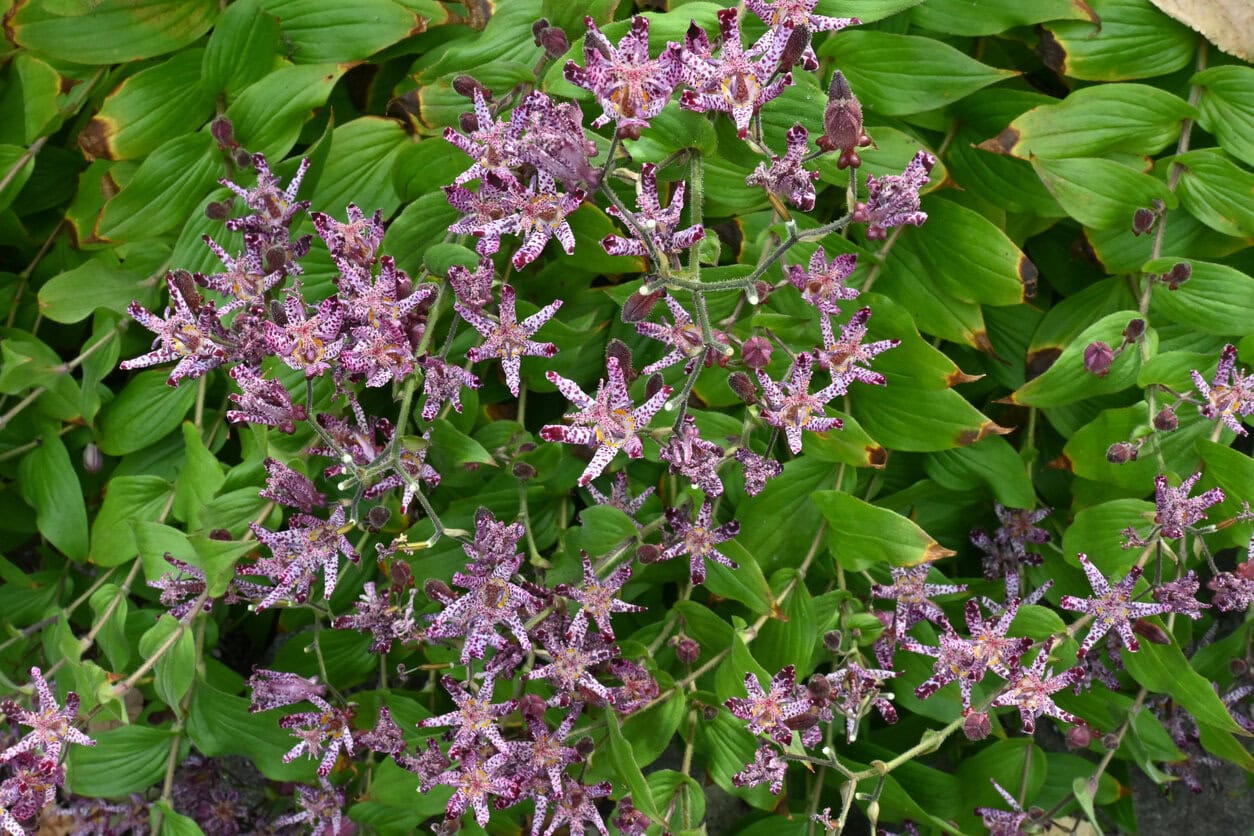
Blooms very unique flowers that somewhat resemble orchids but have much more distinct spots and colors. Toad lilies prefer partial to full shade for growth, and adding compost to their soil is the best way to make them grow faster and better.
5: Hosta (Zones 3-9)

Hostas are one of the most reliable plants for shady gardens. Their large, lush leaves come in many colors and patterns, easily brightening darker corners. They prefer partial to full shade and consistently moist, rich soil.
Quick warning: Slugs love them as much as I do, so I scatter crushed eggshells or diatomaceous earth around the base.
On the other hand, if you’ve got a sunny patio or porch that’s begging for color, you’ll love these outdoor plants for full sun pots, they’re perfect for balancing out your shade garden.
6: Brunnera (Zones 3-8)

Brunnera, often called false forget-me-not, produces clusters of tiny blue flowers above heart-shaped leaves that stay attractive all season. It grows best in partial to full shade and moist, well-draining soil.
7: Heuchera (Zones 4-9)
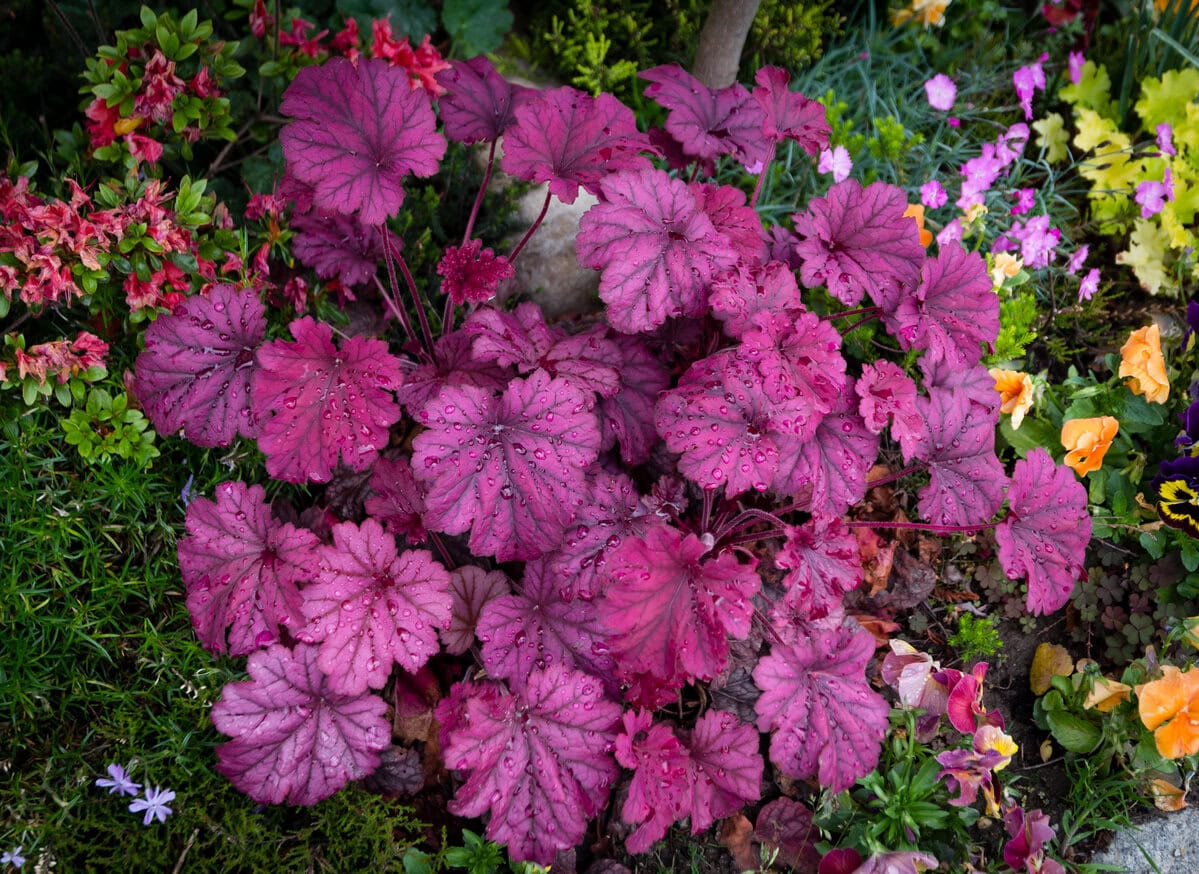
Heucheras, or coral bells, are known for their colorful foliage that ranges from lime green to deep burgundy. They do best in partial to full shade and moderately moist soil, adding texture and color to shaded beds.
Quick tip: I divide mine every few years, it keeps the center from dying out and gives me more plants for free.
8: Saxifraga (Zones 5-8)
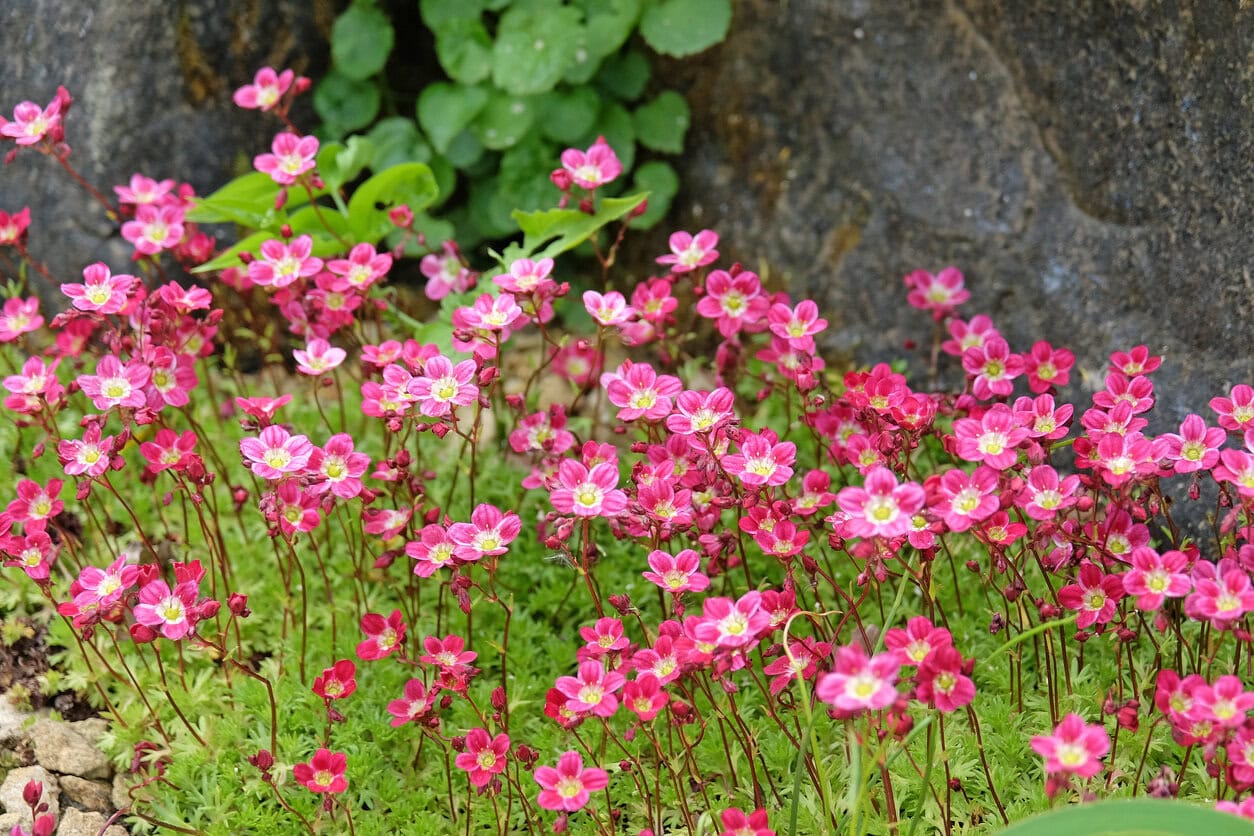
Saxifraga blooms share a strong resemblance with many other popular perennial varieties; their star shape and delicate petals make them stand out, but also give them this nostalgic vibe. Plant these in partial shaded spots and avoid overwatering.
Quick warning: They hate soggy soil, so I always plant mine where rainwater drains quickly.
9: Hellebore (Zones 4-9)

Also known as Lenten rose, hellebores bloom early in spring, often before winter has fully ended. They thrive in partial to full shade and humus-rich soil, rewarding you with elegant, long-lasting flowers in soft, muted tones.
10: Bleeding Hearts (Zones 5-9)

This popular perennial variety is known for its arching stems and mesmerizing heart-shaped flowers that can charm even the coldest souls. Bleeding hearts are cold and shade-loving, but they also require constant moisture for healthy sustenance.
Quick warning: Don’t panic when they vanish in summer, they’re just going dormant until next spring.
11: Goat’s Beard (Zones 3-7)

As strange as that name might sound, it’s actually incredibly fitting to the perennial. It produces feathery plumes white flowers that resemble a goat’s beard, specifically a mountain goat’s beard. This perennial can thrive in partial to full shade if given sufficient moisture and shade.
If you’re looking for more inspiration before choosing, check out reliable perennials that thrive in shade and look stunning, it’s full of tried-and-true plants that never disappoint.
Can Perennials Really Bloom In Full Shade?

While most perennials prefer some amount of sun exposure for optimal blooming, it’s not like they can’t bloom in partial to full shade. Shade-tolerant varieties are much more shade-tolerant than many people think or give them credit for.
Bleeding hearts and hellebores are some classic perennial varieties that are known to bloom beautifully in full shade.
Brunneras and toad lilies are also excellent choices, they might not produce masses of flowers, but they’ll keep a steady show of color even in the darkest corners.
To make sure your shade perennials keep coming back stronger every year, here are a few common mistakes to avoidthat can hold them back.
Do Shade Perennials Need Special Soil?
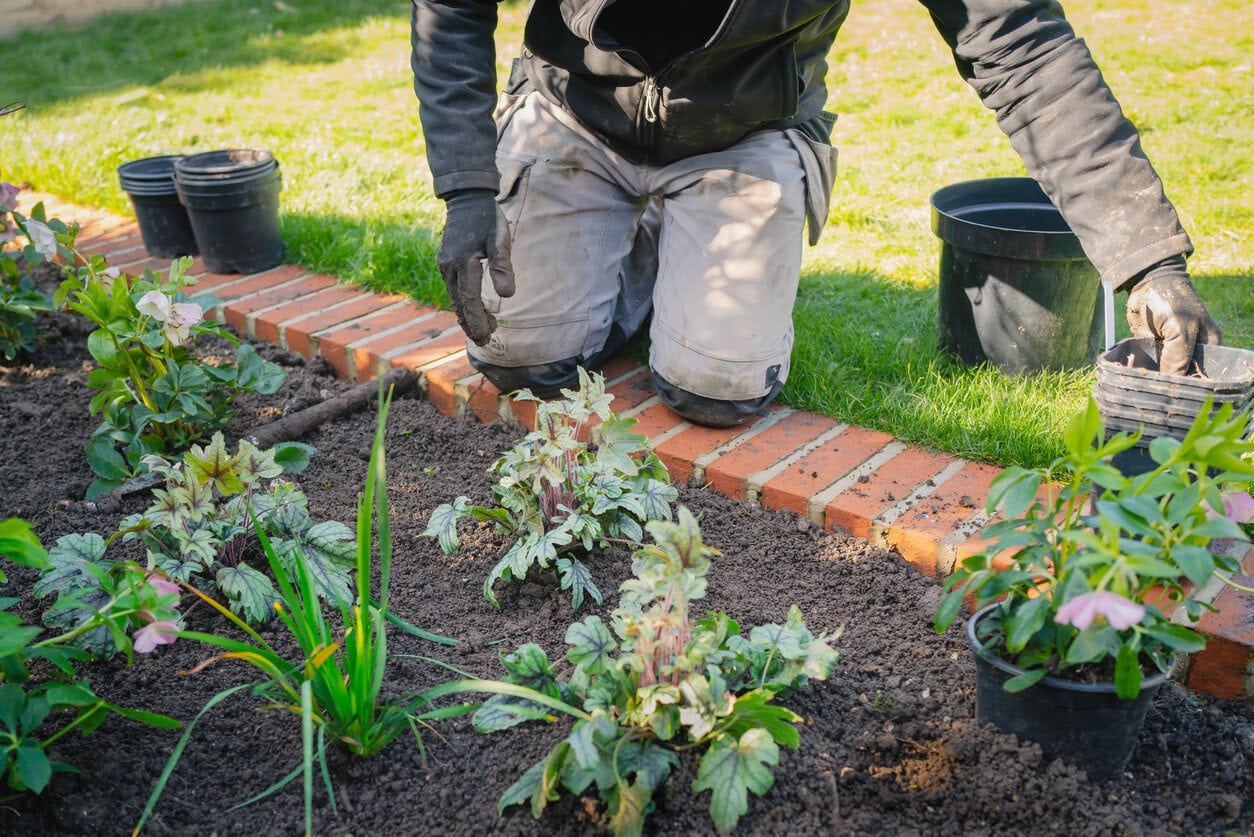
They don’t really need special soil; just sufficiently moist and rich soil is good enough in most cases. You can make your soil richer by mixing in some organic matter or compost into it.
The key is consistency, shade perennials thrive best when the soil stays evenly moist but never soggy.
Make sure it’s well-draining and won’t pool a lot of water, which could potentially lead to root rot and other problems. If your garden tends to dry out quickly, a layer of mulch can make all the difference while keeping roots cool and healthy.
Can Shade-Loving Perennials Handle Dry Shade Under Trees?
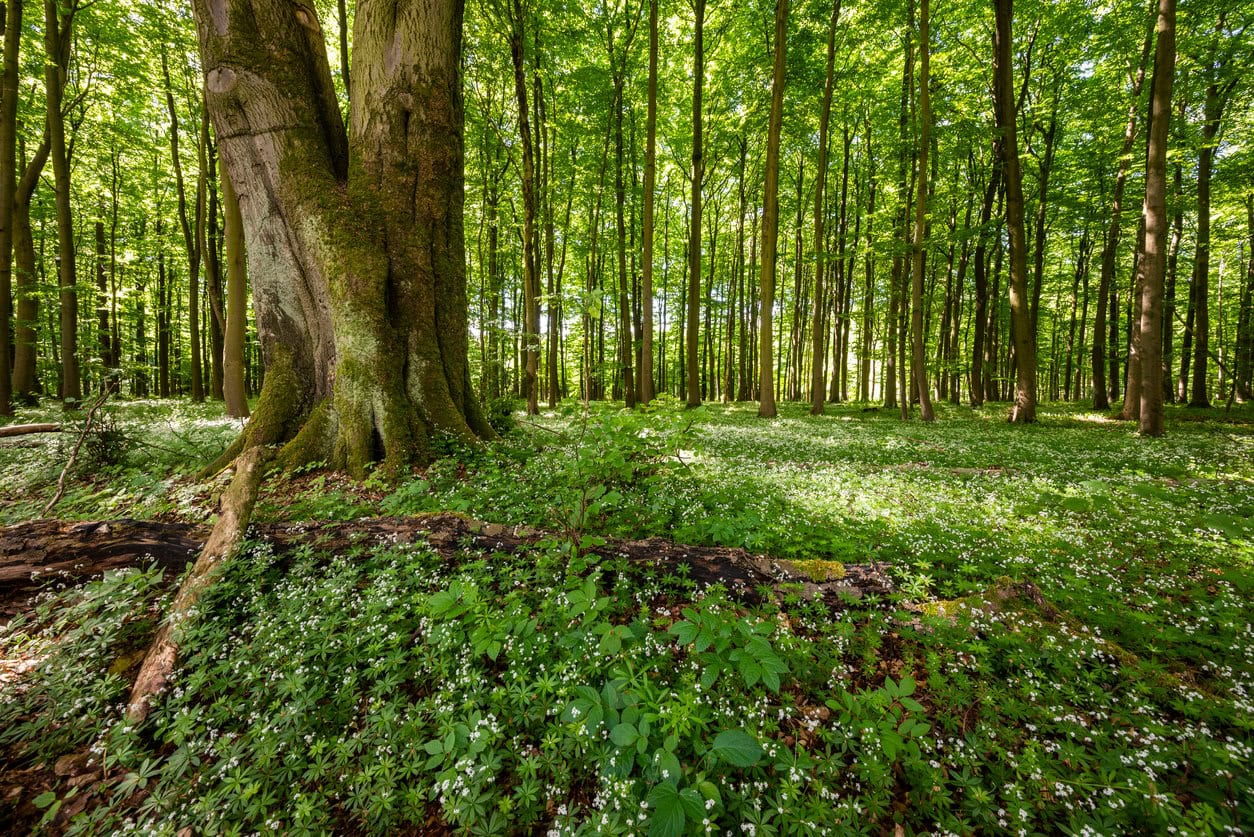
Well…not all perennials will…
From this list, brunneras, hellebores, and sweet woodruff tend to cope best under trees, where soil stays drier and roots compete for moisture. They adapt better than most and still keep their leaves looking fresh through summer.
If you’re working with especially dry shade, plants like epimediums or lungworts are also great options to consider, they’re known for thriving where others usually struggle.
If you’d like even more ideas for tricky tree-shaded spots, here’s a list of low-maintenance plants that grow beautifully under trees, they’re tough, reliable, and practically take care of themselves once established.
Let’s Conclude
Many times, we’re planting something outside of the garden, but realize there isn’t enough sunlight hitting that spot regularly. What do we do in that case?
Well, that’s where shade-loving perennials become useful. You can strategically plant them in cool, low-light spots and still grow them well, beautifying your environment in the fullest of ways.