Dear reader, let me tell you about the time I ate my fence and my neighbor preemptively called an ambulance. Apparently, “grazing on the property line” isn’t a standard hobby, but my homegrown chokeberry tasted better than his judgment.
It also looked far prettier than any wooden barrier ever could. Why settle for a plain fence when you could grow something that flowers in spring, fruits in summer, and feeds you before it fades?
Fifteen Ways to Consume Your Boundaries
In real estate, consuming a lot is a technicality. In the garden, it just means you’re having homegrown produce for breakfast.
1: Grapes (USDA Zones 4-10)
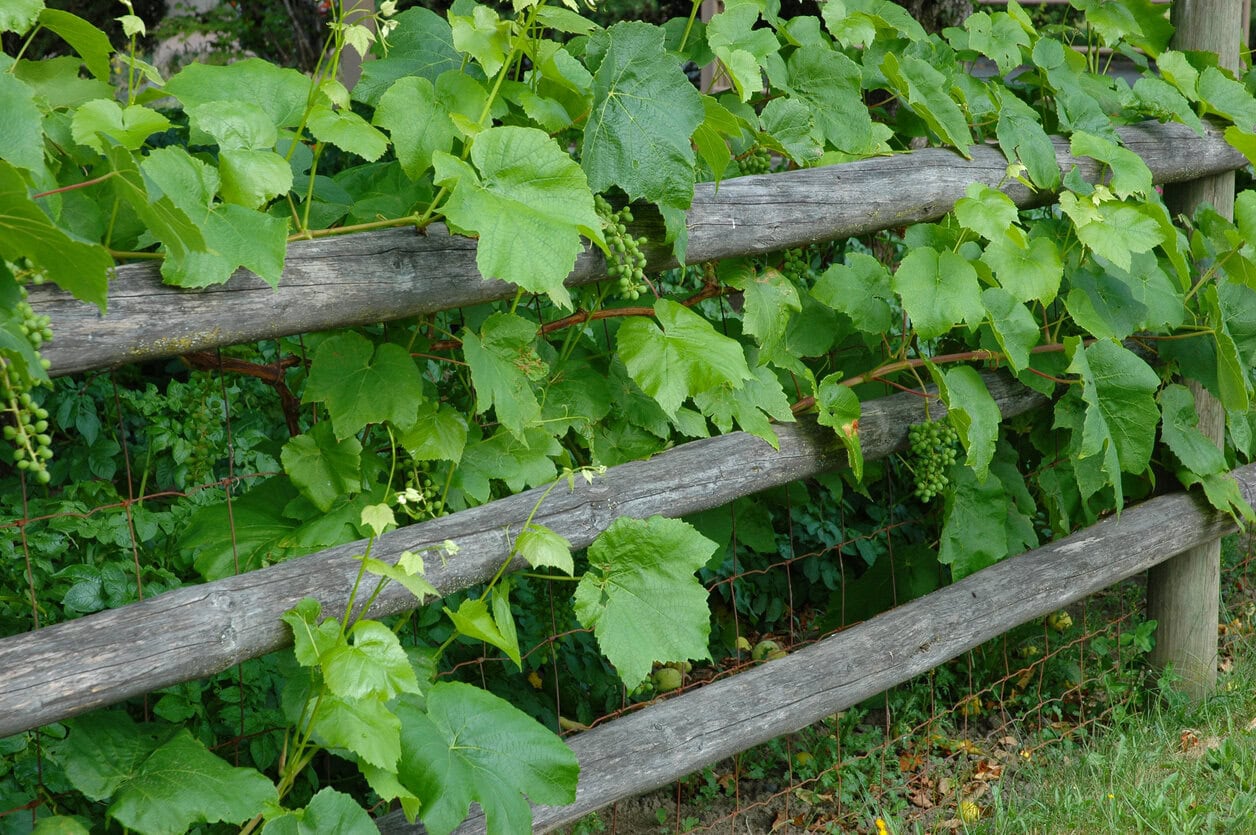
Grape vines cling to almost any sturdy support and grow with a level of ambition reserved for Silicon Valley startups. I always ensure my trellis is solid, since a heavy harvest of Cabernet or Concord can weigh more than a standard backyard ego.
They’ll need proper pruning and a bit of training each year, but in return, they’ll turn your fence into a vineyard with boundary issues. Plant in full sun and prune hard every winter. Grapes fruit on new growth, so don’t be shy with the shears.
Quick reminder: If you have dogs, skip this one. Grapes can be highly toxic to them, even in small amounts.
2: Espaliered Apple Trees (USDA Zones 3-8)
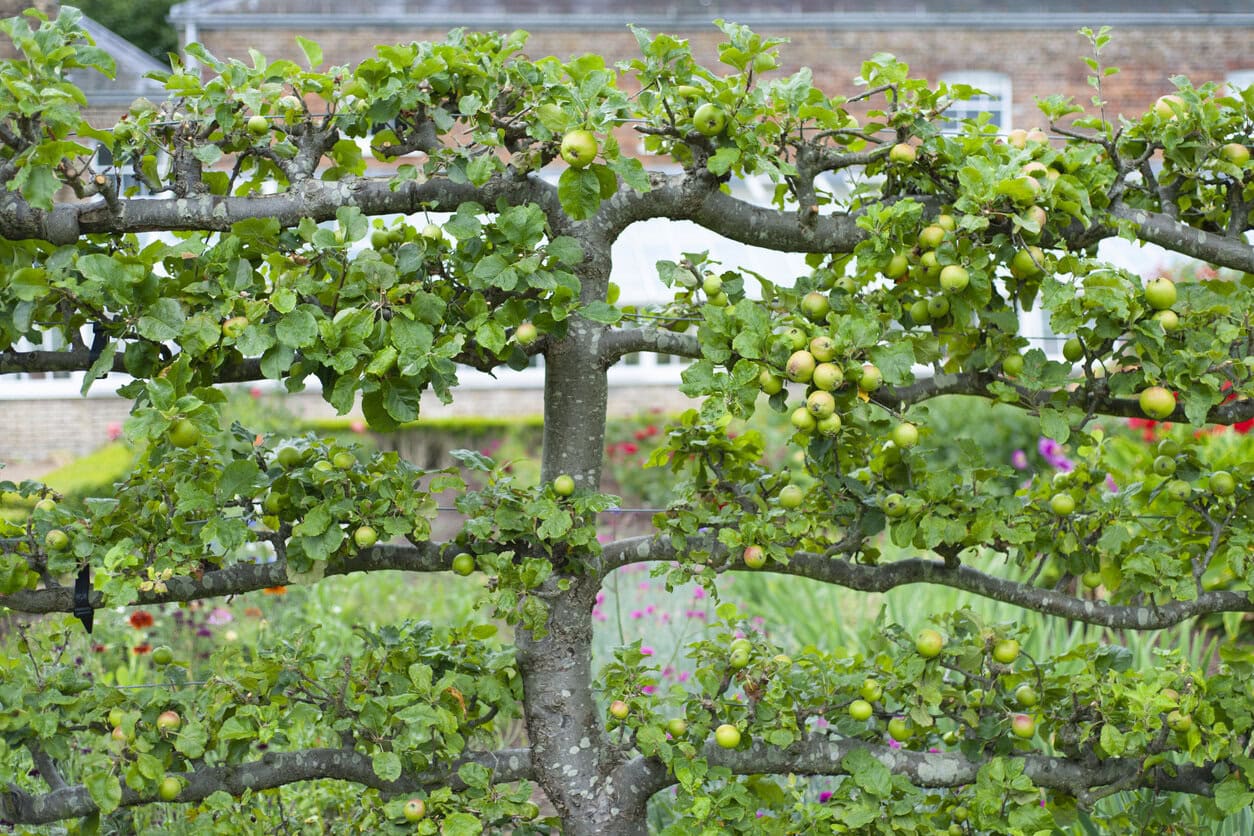
Espaliering is just a five-dollar word for training trees to grow flat against a frame of wires or wood. It turns a bulky apple tree into a sophisticated and space-saving partition.
With steady pruning and a bit of patience, you can enjoy the crisp crunch of a Gala or Honeycrisp without needing a traditional sprawling orchard.
Quick Tip: Choose a variety suited to your chill hours, and commit to annual pruning. Structure is everything with espalier.
3: Hardy Kiwi (USDA Zones 3-8)
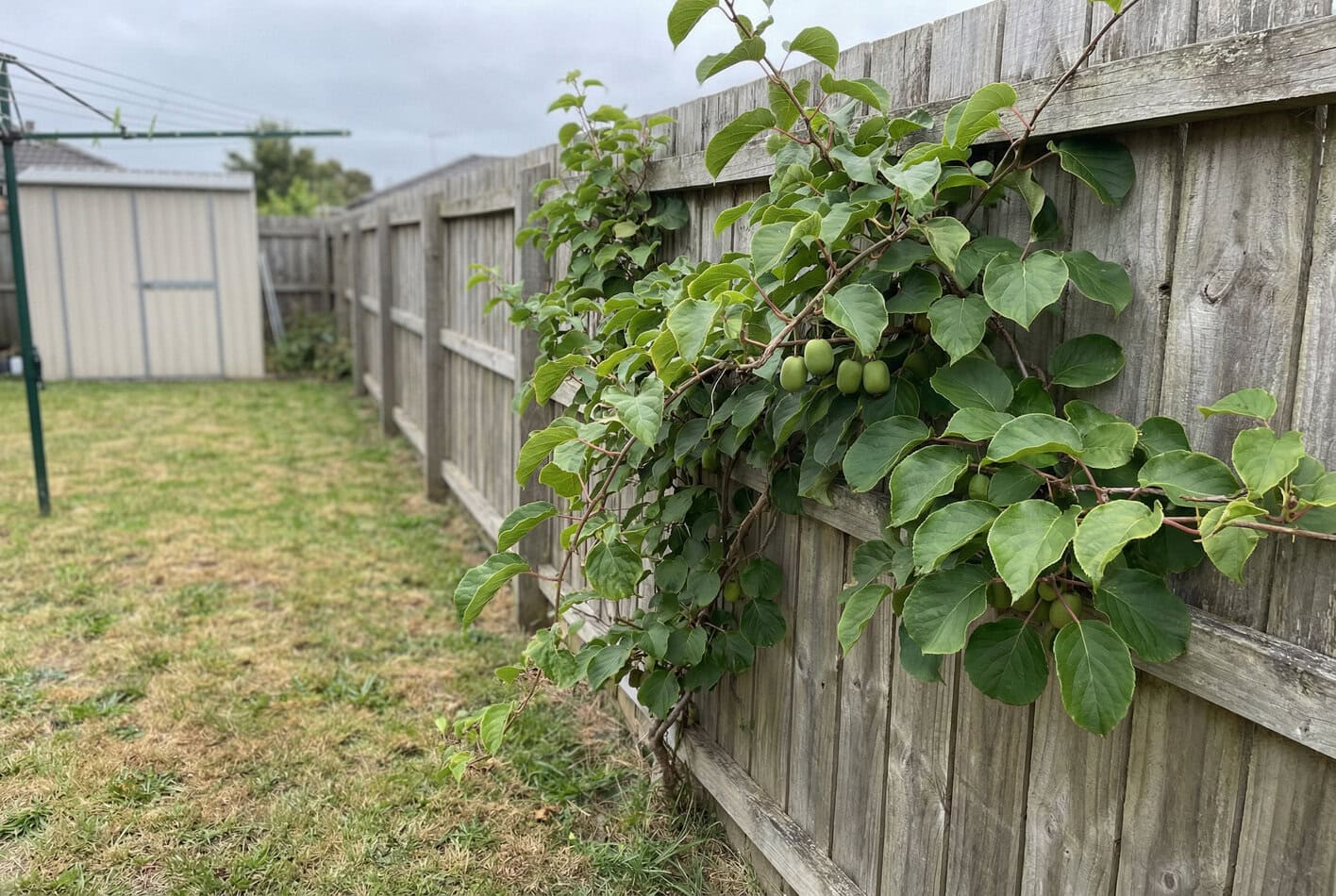
These vines grow with a velocity that makes ivy look lazy. Unlike the brown and fuzzy grocery store variety, hardy kiwi fruits are smooth-skinned, bite-sized, and sweet enough to eat straight off the fence.
Just provide a heavy-duty trellis and, ideally, both a male and female plant for proper fruiting. Once established, it will swallow a chain-link boundary in a single season while offering a harvest that tastes like a tropical vacation you sorely need.
4: Highbush Blueberries (USDA Zones 4-8)
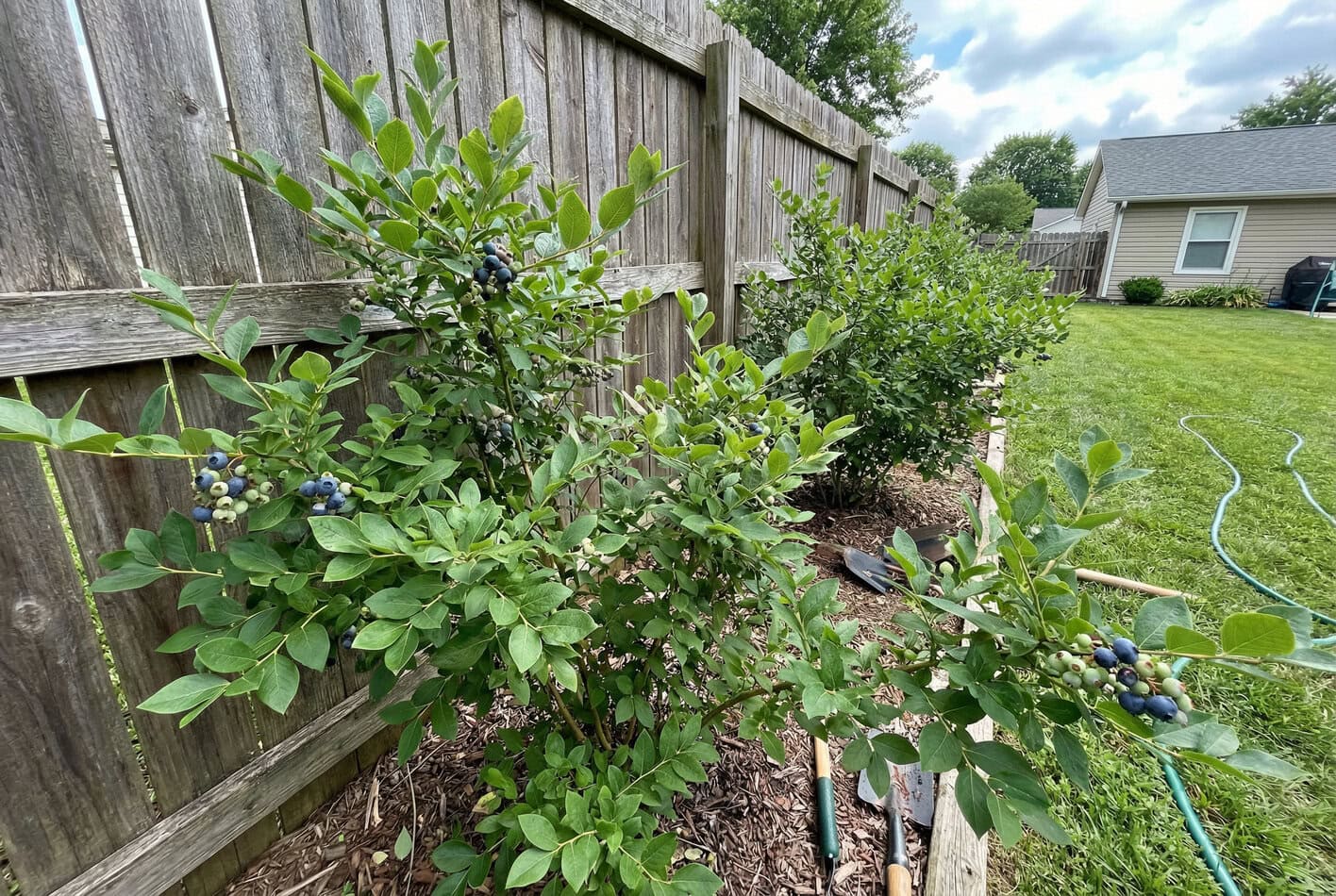
Highbush blueberries offer a sturdy, upright form that creates a dense leafy wall for any nosy neighbor.
You get delicate and white flowers in the spring, followed by antioxidant-rich berries and a neon-red foliage show in the fall. Most varieties reach a respectable six feet, if you give them acidic soil and consistent moisture.
Quick tip: Soil pH matters more than anything else. Aim for 4.5-5.5 and mulch heavily to keep roots cool and moist.
5: Thorny Blackberries (USDA Zones 5-9)
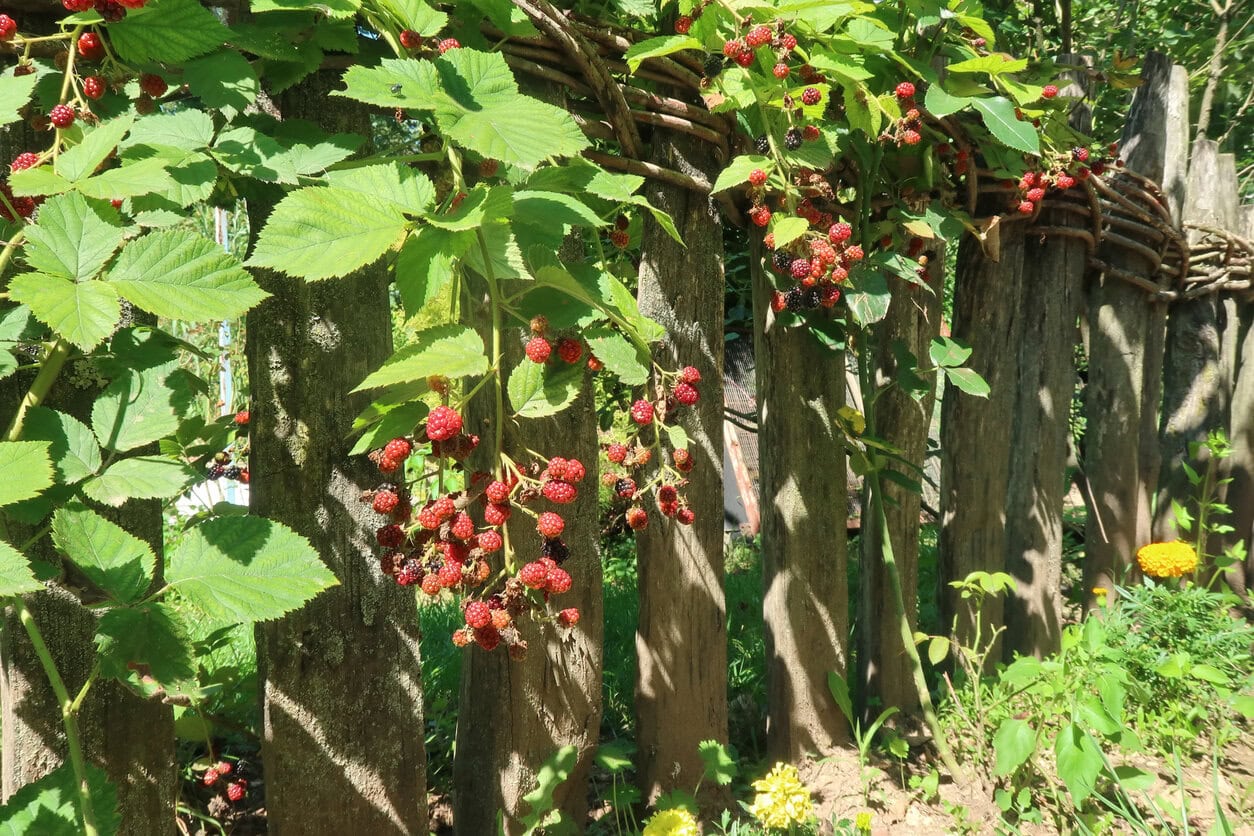
Nature provided these plants with built-in bayonets, so wear thick gloves during harvest unless you prefer a dramatic gardening story.
They want to sprawl, just like most teens, but only because their long canes crave need airflow and a sturdy (wire-based) support system to keep them productive. Plant them in full sun, and in cooler climates, a south- or west-facing wall gives them an extra boost.
Quick tip: They fruit on second-year canes, so remove spent canes after harvest and tie up new growth for better airflow.
6: Hops (USDA Zones 3-8)
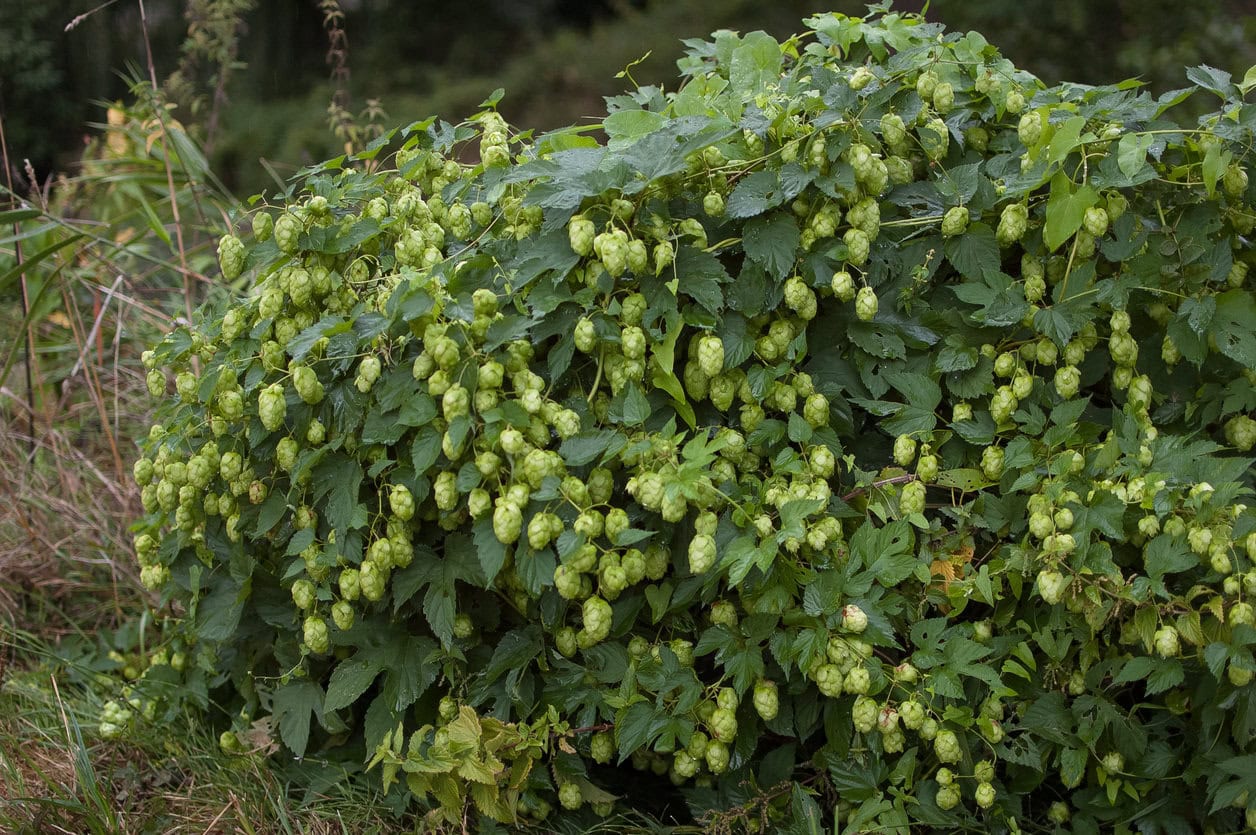
Hops can easily grow several inches in a single sunny day. The female flower cones are a big deal for homebrewers, while the dense foliage provides a seasonal green screen (that smells faintly like a brewery) to everybody else.
Just give them a tall support and plenty of sun, and be prepared to cut them back when winter arrives. Plant them only if you need a conversation starter and your handsome neighbor is a beer type.
Quick reminder: If you have dogs, especially curious ones, consider skipping hops. Ingesting them can cause serious reactions in some breeds.
If you’re leaning toward evergreen privacy but want something taller, we wrote a guide on beautiful trees that don’t lose their leaves and create year-round screening.
7: Elderberries (USDA Zones 3-9)
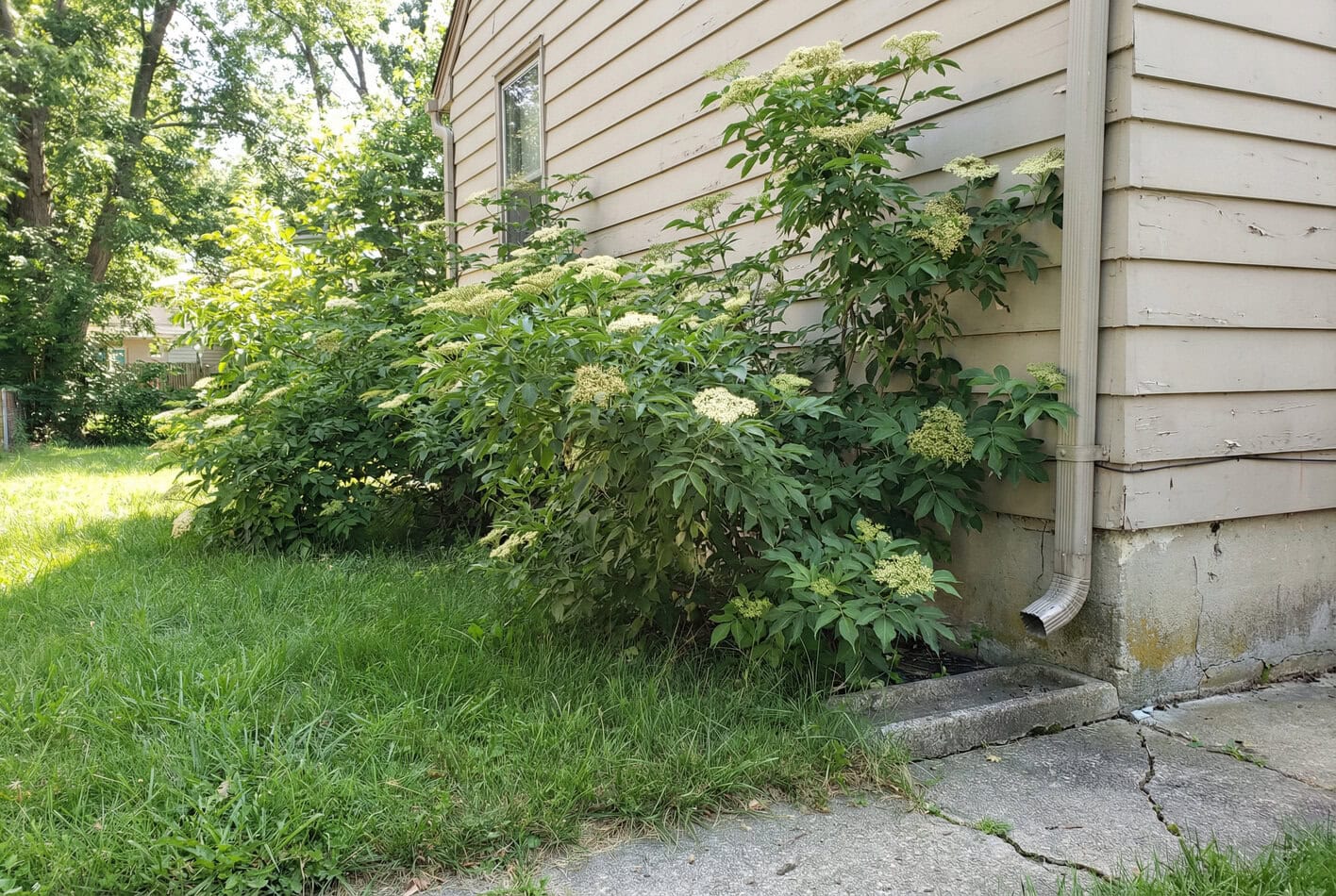
White flowers arrive in early summer, giving way to a dark harvest often turned into syrups and jams for cold season. Just remember the berries need cooking before eating!
Birds adore them, so consider netting and prepare to fight for your share. At least the shrubs grow with a wild habit and quickly obscure the view of a neighbor’s driveway.
Quick Reminder: If you have pets that chew plants, be cautious. Raw stems, leaves, and unripe berries can cause mild to moderate toxicity.
And if speed is your priority, we wrote a full guide on fast-growing privacy bushes that fill in quickly.
8: Honeyberries (USDA Zones 2-7)
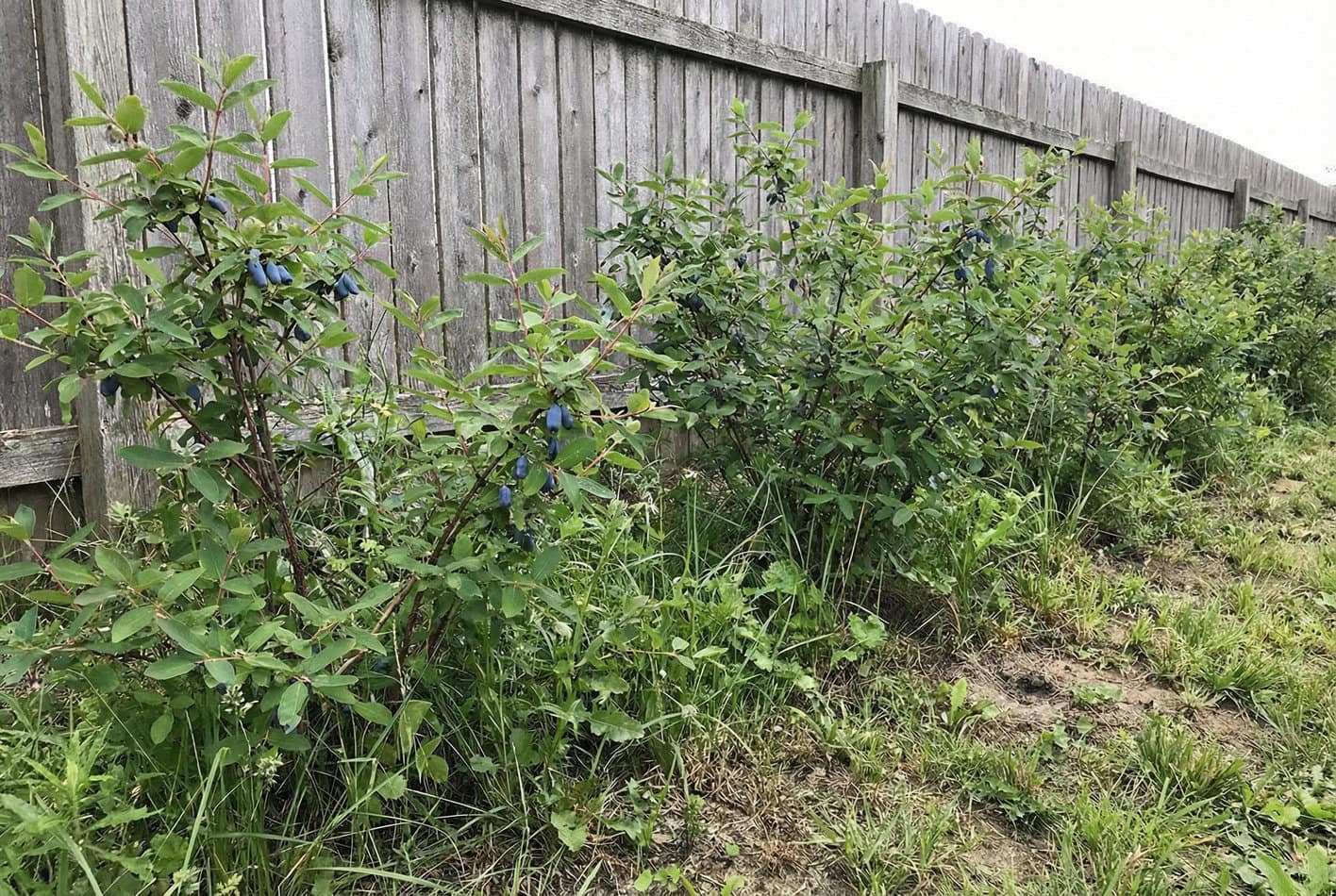
Imagine a blueberry that’s far less fussy about soil pH and far more tolerant of late frost.
Honeyberries offer a tidy wall that won’t demand a grueling maintenance schedule. To get a decent bucket of fruit, you must plant at least two compatible varieties for reliable cross-pollination and don’t overwater once established.
9: Passionfruit (USDA Zones 9-11)
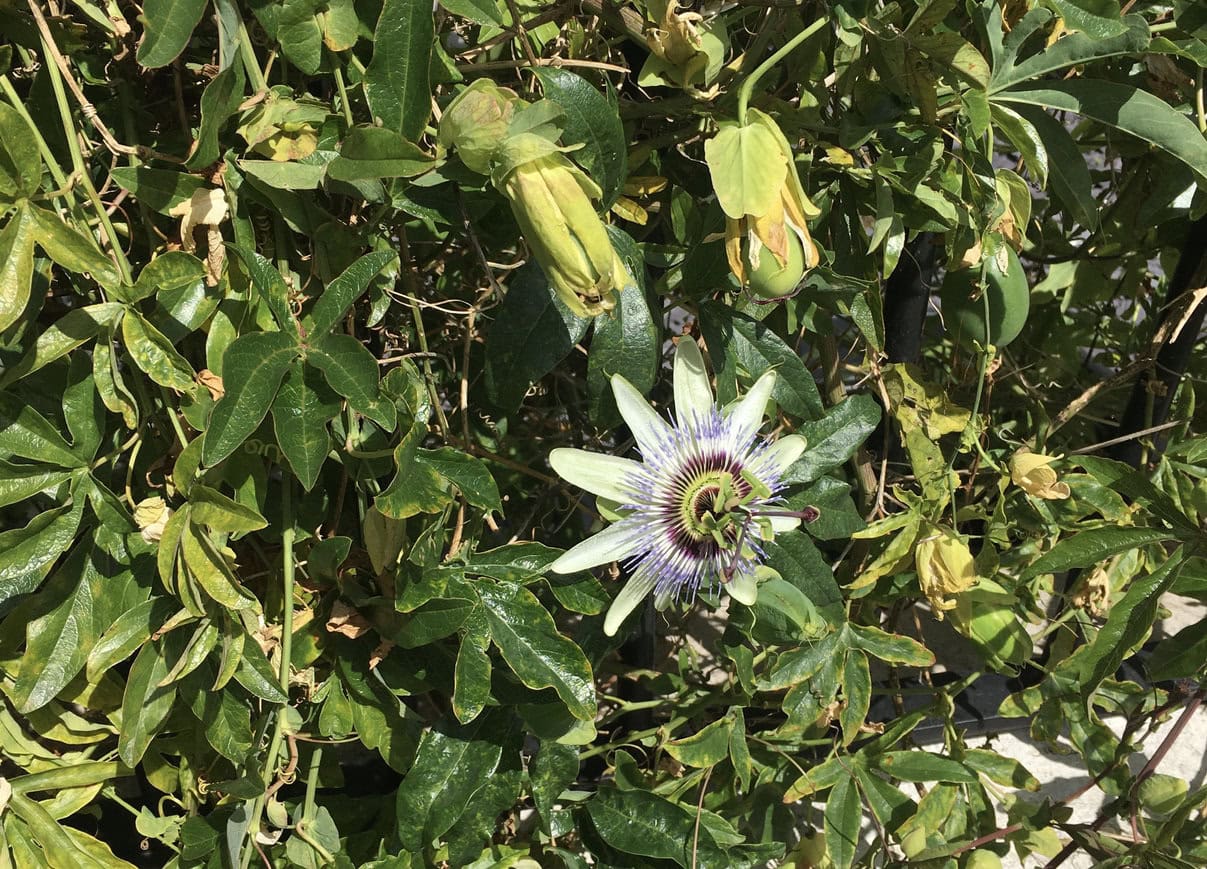
A passionfruit screen stays green all year, assuming you live where people don’t own a snow shovel.
It’s an exotic climber with flowers so complex that James Cameron might have designed them. Given sun and a sturdy support, the vines will claim any vertical surface in sight, so train them early or you they might try to hitch a ride on your house.
Needs full sun and frost protection. Prune yearly to prevent it from turning into a jungle.
Quick reminder: Not ideal for pets that nibble foliage. Leaves and unripe fruit may cause stomach upset if eaten.
10: Sunchokes (USDA Zones 3-9)
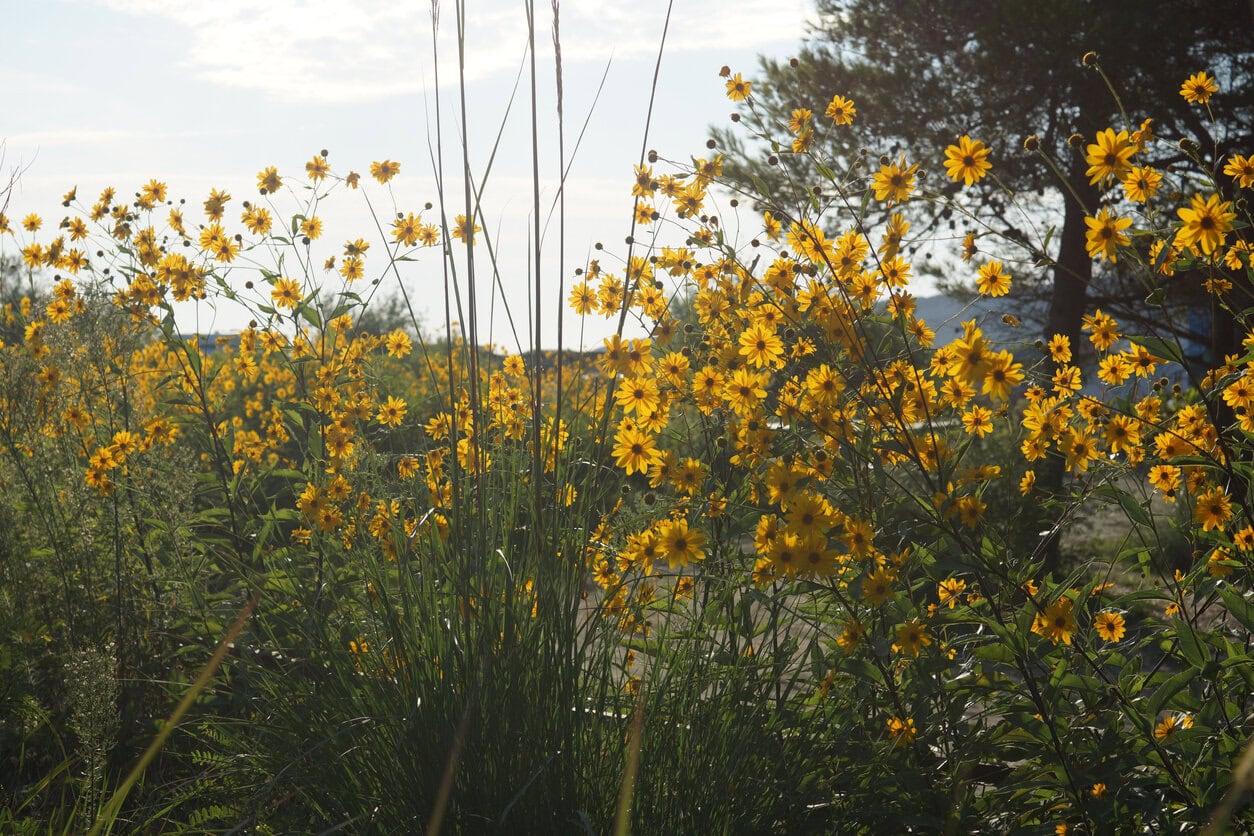
Sunchoke stalks easily hit ten feet in a season, creating a golden wall of sunflower-like blooms that provides total privacy by late summer.
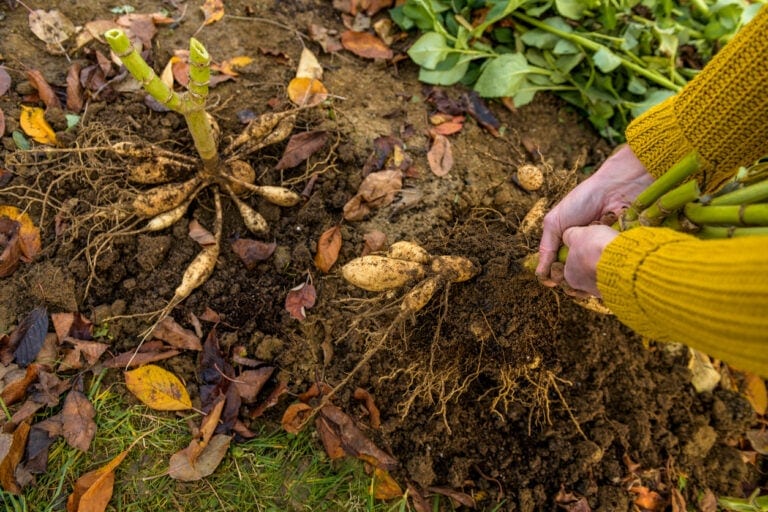
Plant them where you don’t mind them spreading. They’ll spread with the same energy underground, so plant them in a confined trench or behind a root barrier.
The real prize is in the nutty, crunchy tubers you harvest after the first frost (when their flavor sweetens).
11: Rosemary (USDA Zones 7-10)
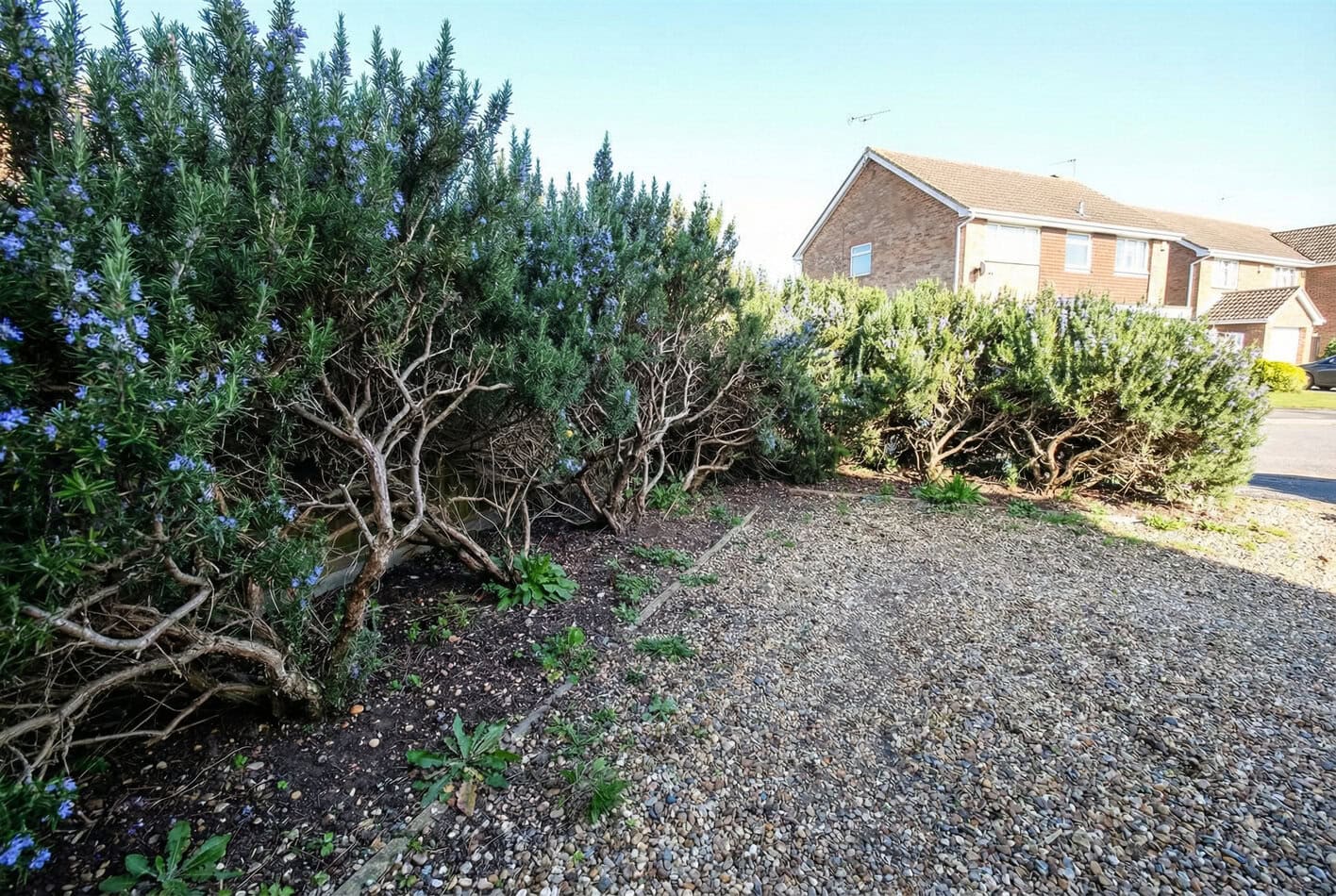
This is your perfect woody hedge that smells like a Sunday roast and stays green year-round in mild climates. In a hot, dry regions with well-drained soil, upright varieties form a stiff and tidy hedge. Its tiny violet-blue flowers attract a happy crowd of pollinators during the spring.
Quick tip: Excellent drainage is essential. Wet winter soil kills rosemary faster than cold air.
If you’re unsure when to cut it back, we explain exactly when and how to prune rosemary for bushier growth in this guide.
12: Malabar Spinach (USDA Zones 9-11)
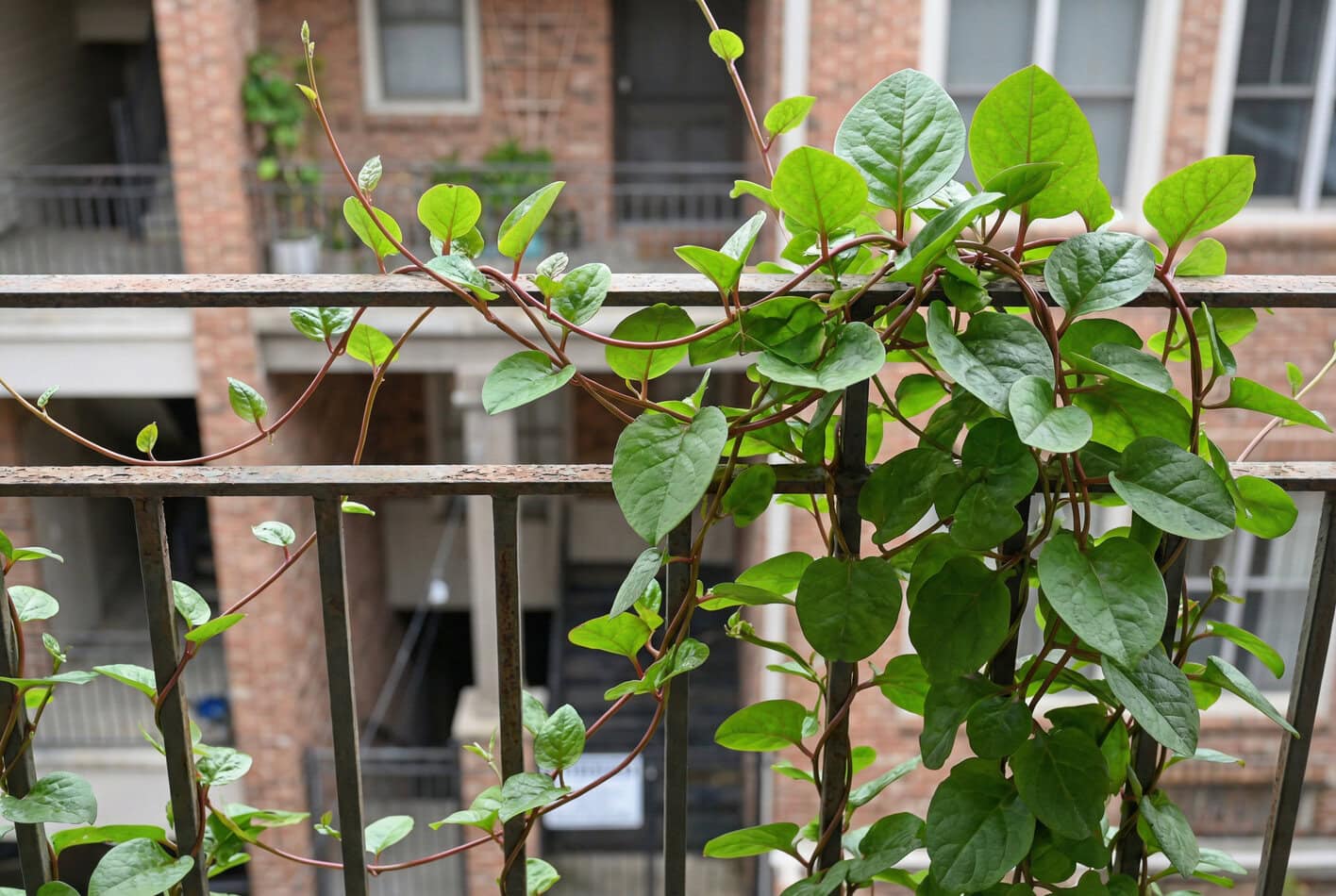
Most spinach wilts and bolts when the summer heat turns brutal. Yet Malabar spinach thrives in the humidity and the intense July sun.
Treat your fence to a heat-seeking climber with succulent leaves and a purple stem that twists toward the sky. Wait until soil is warm before planting.
13: Currants (USDA Zones 3-7)
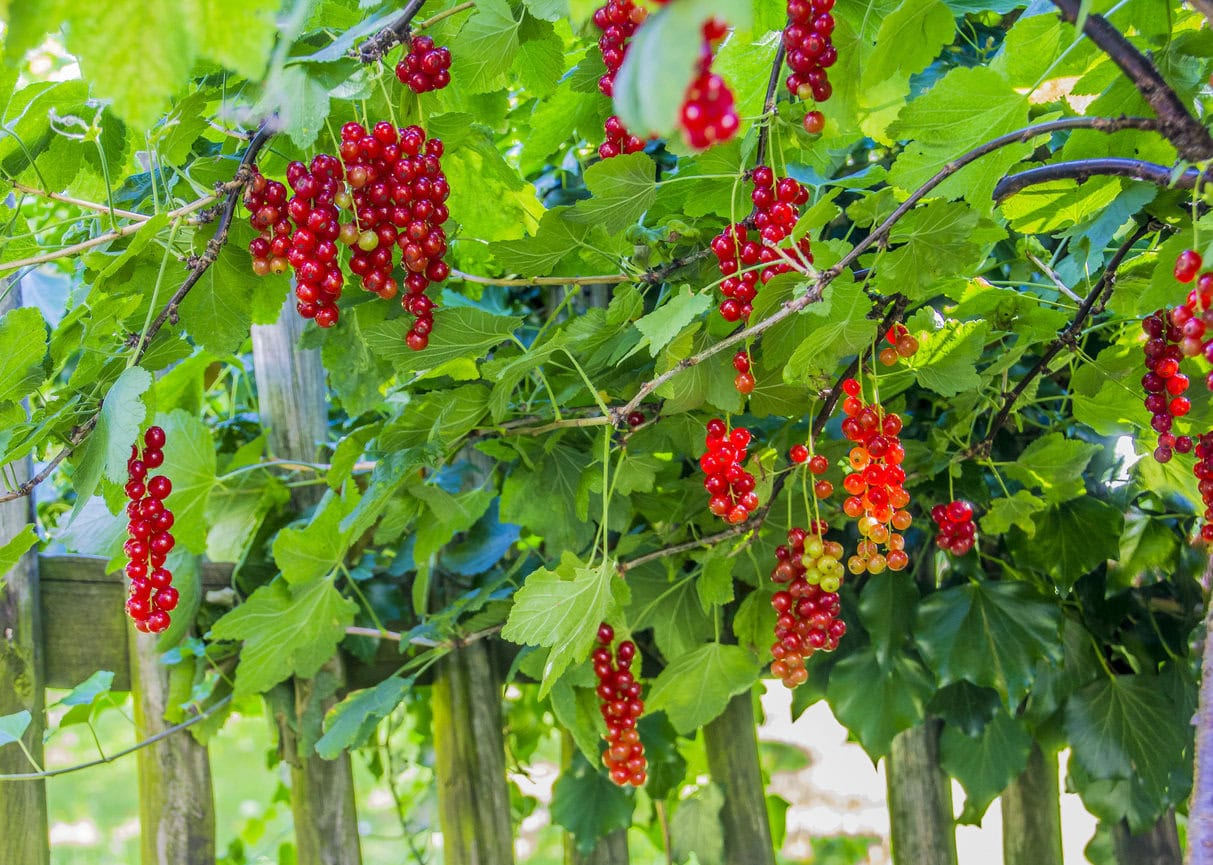
Currants are one of the few fruiting shrubs that tolerate cool, partial shade without sulking. They create a tidy hedge that works well for a small boundary and produce jewel-like clusters of zesty red berries.
Because they stay relatively low, they’re a friendly choice for a front-yard fence that, for better or worse, doesn’t hide your house. Just provide consisten moisture and good drainage to keep them happy.
If your fence sits in partial shade, we wrote a full guide on edible plants that actually thrive without full sun.
14: Aronia (USDA Zones 3-8)
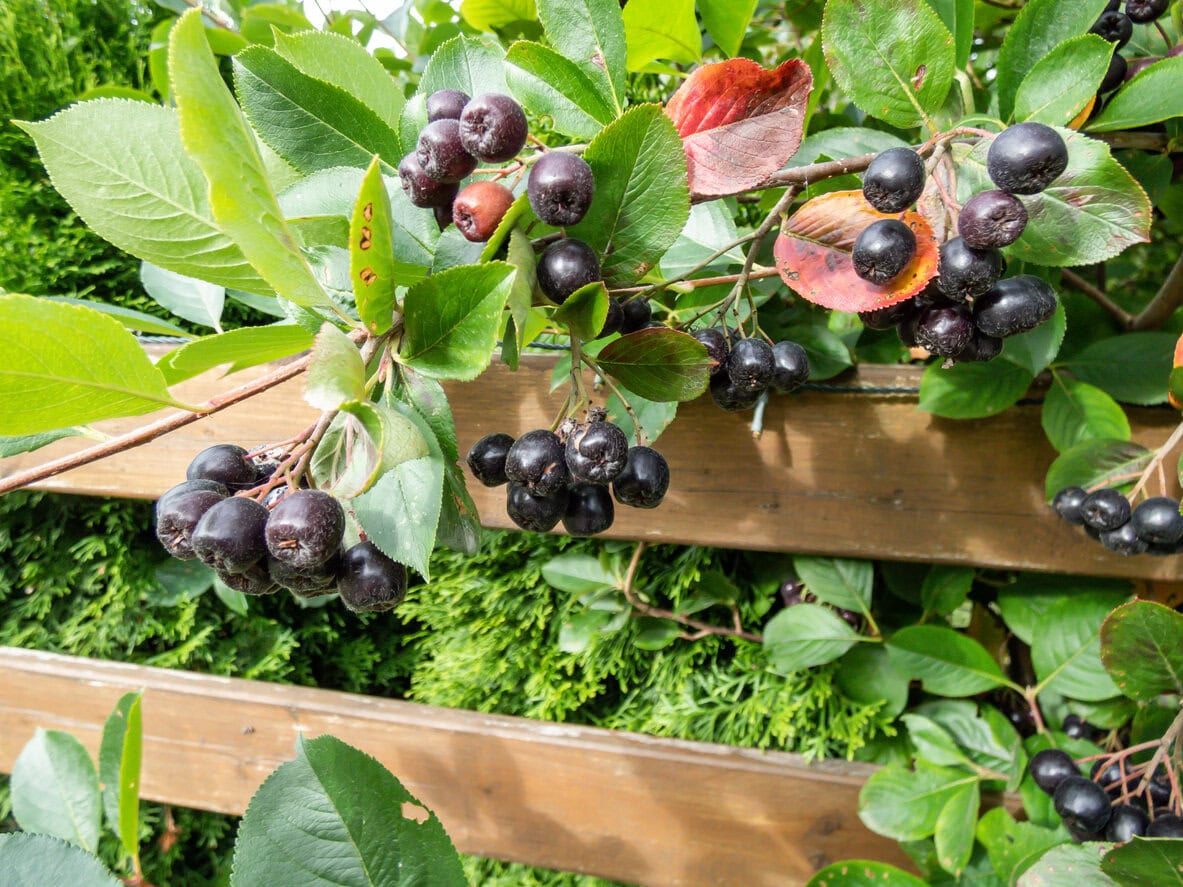
I love it because it’s both low-maintenance and (nearly) indestructible.
First, I get white blooms followed by dark berries packed with antioxidants. Then the foliage turns a fiery orange in the fall. Until then, it remains a thick, dependable screen as tough as a boot.
The best part is that it handles my poor soil and biting winds effortlessly.
Quick Tip: Very adaptable, but berries are extremely tart fresh! Best used in jam, syrup, or juice.
If you’re looking for more native options that won’t take over your yard, we put together a guide on fast-growing, non-invasive privacy shrubs worth considering.
15: Scarlet Bean (USDA Zones 3-6 annual | 7-11 perennial)
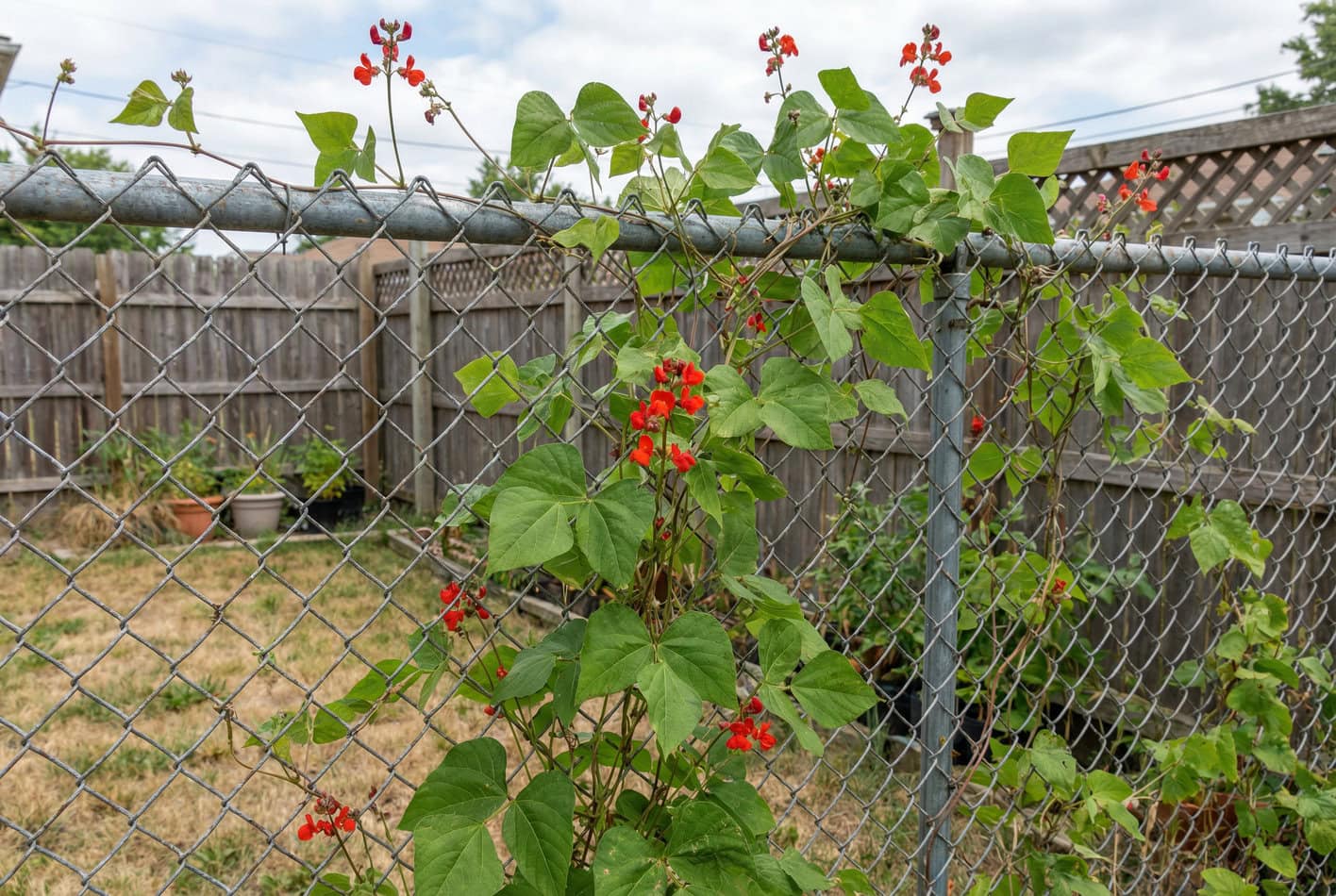
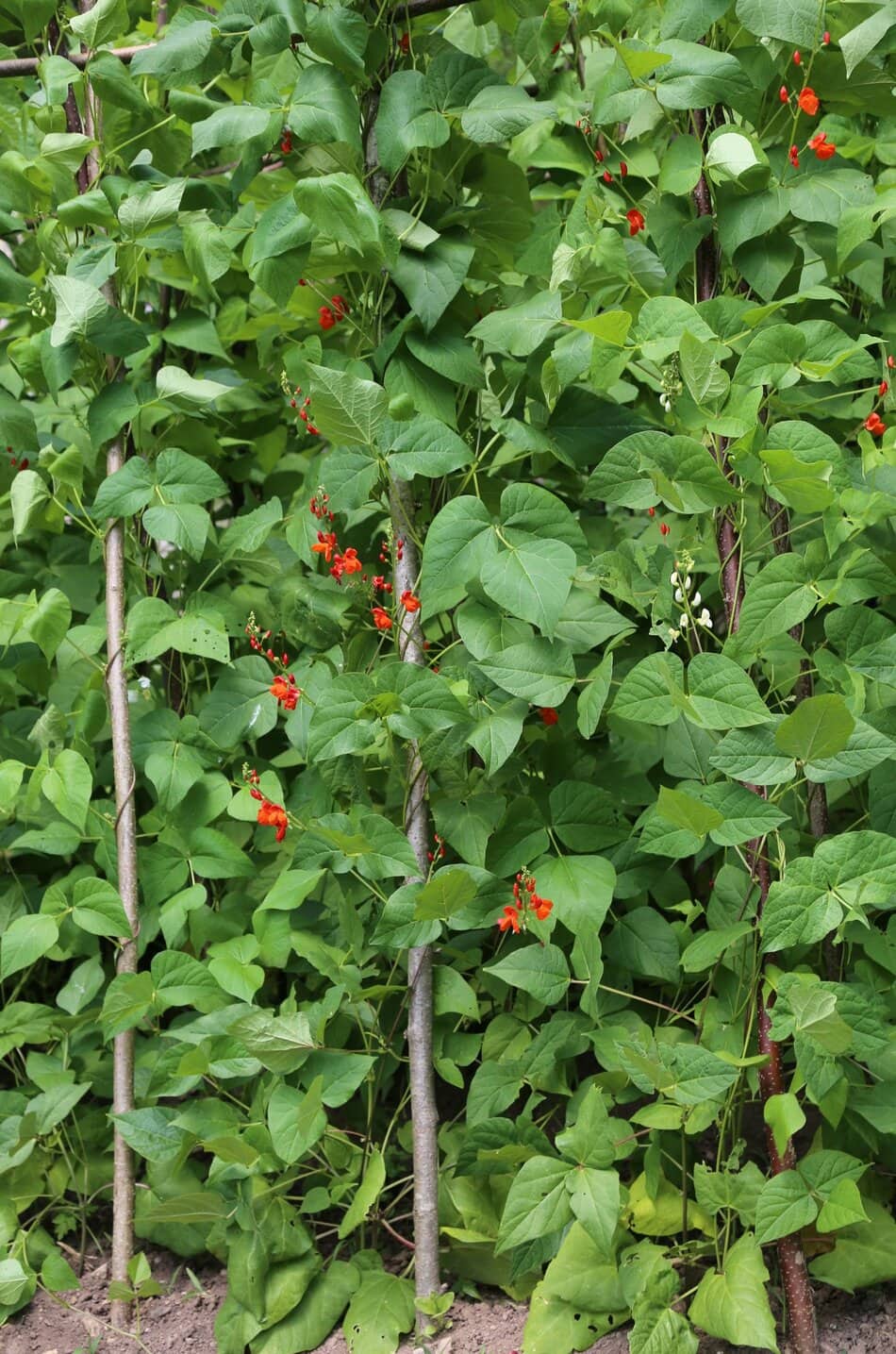
Plant scarlet runner beans for the brilliant red flowers, but stay for the free groceries. You get tender pods for the table or mature seeds if you actually remember to harvest them. The living fence they create is seasonal but provides a huge visual impact without much effort.
Quick Reminder: Raw beans aren’t safe for pets. If you have enthusiastic plant chewers, this one may require supervision.
Becoming a Fencetarian
I wish I could be there when your local HOA realizes your fence is really a fruit salad bar. You’ll be too busy making jar after jar of jam to care about their approved paint colors, though. Just remember to invite the neighbors over. People are far less suspicious when they’re chewing.