
Anthurium, or laceleaf, is a perennial known for its bright pink and red heart-shaped leaves. While you may not see them growing in every garden, anthuriums are a favorite houseplant across the country.
In this article, we’ll take a look at some reasons why your anthurium might’ve stopped blooming and what you can do to restore its potential. Believe me, you’ll be shocked to learn some of the most common reasons hiding in plain sight!
Let’s do it, shall we?
Your Anthurium Should Bloom Year-Round!
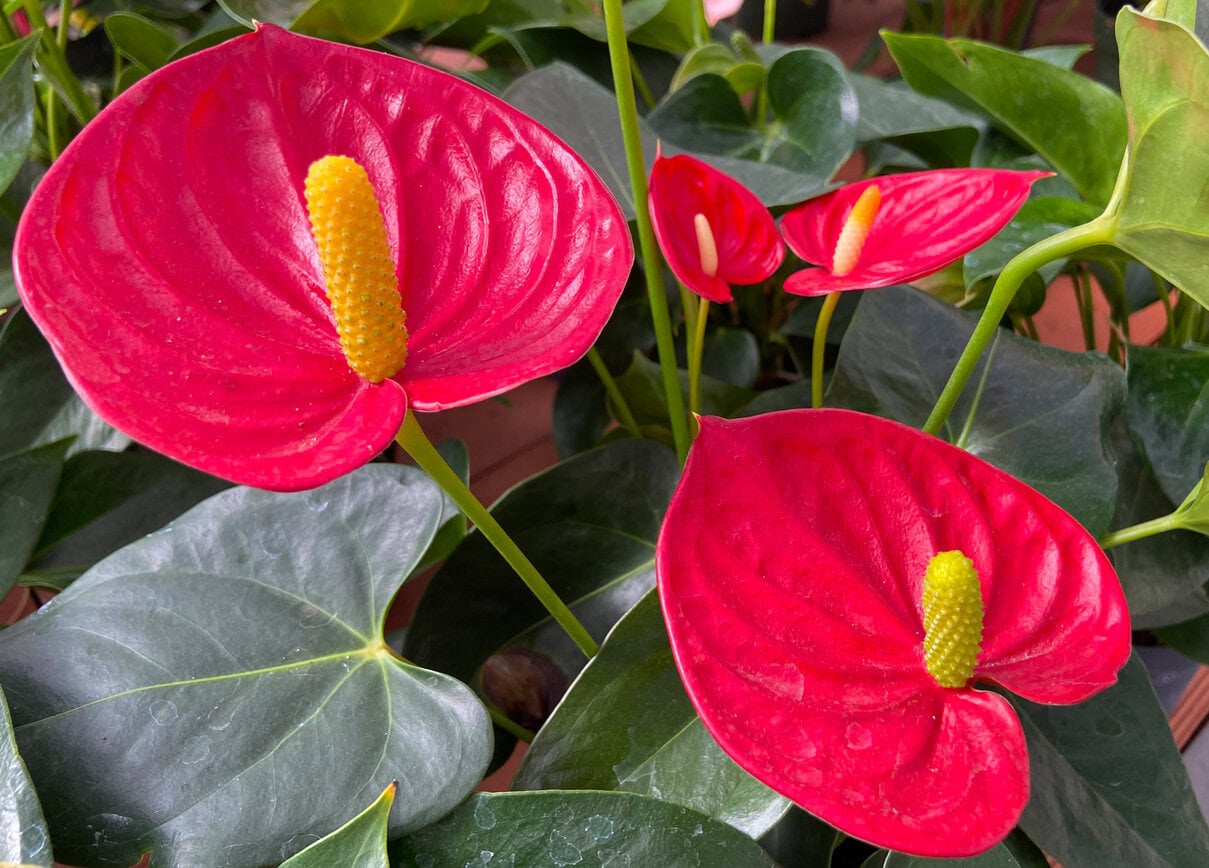
I don’t know if you’re aware of this or not, but healthy anthuriums can bloom almost year-round in ideal conditions, with blooms peaking somewhere between spring and summer.
There is a short period of 2-3 months where the blooms may be a little lackluster and still coming in, but apart from that, you should definitely be expecting year-round blooms from your anthuriums.
This is true for other indoor bloomers too, for example, if your peace lily isn’t flowering, here’s how to figure out the cause and get it blooming again.
Are You Not Seeing 4-6 Blooms A Year?
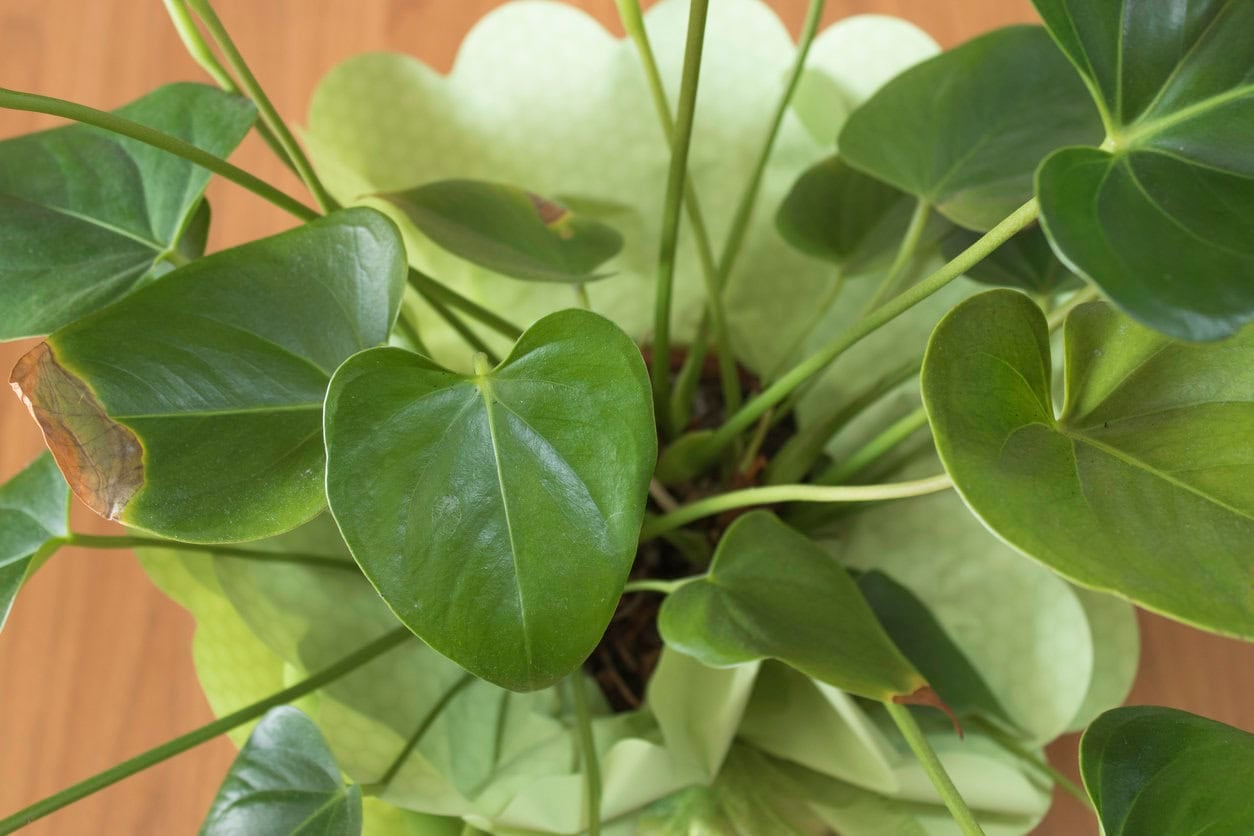
Healthy and well-kept anthuriums can be found blooming 4-6 times throughout the year (if given the ideal conditions).
Typically, from November to February, the perennial is in its dormant phase, in which it isn’t able to produce as many blooms. But that’s pretty much the only exception.
Potential Reasons Your Anthurium Stopped Blooming
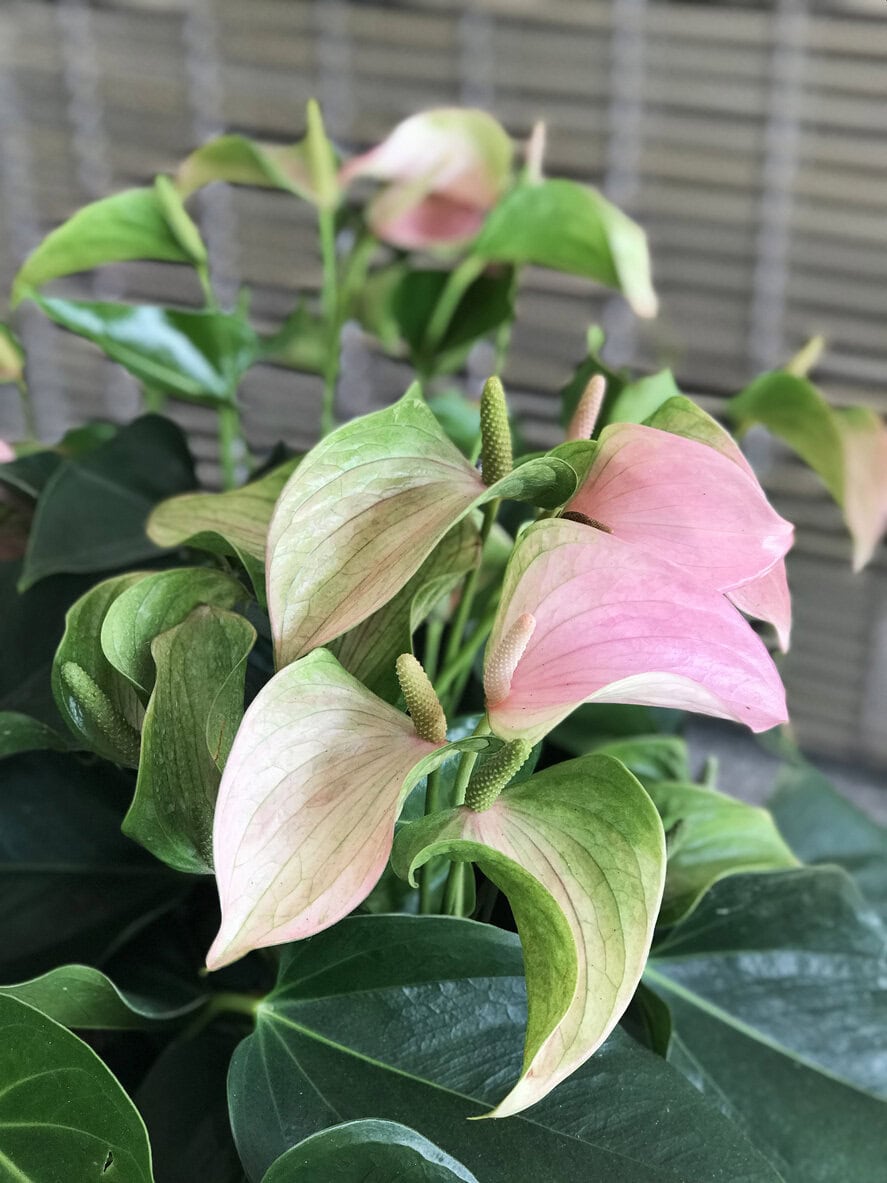
1: Be careful with the light!
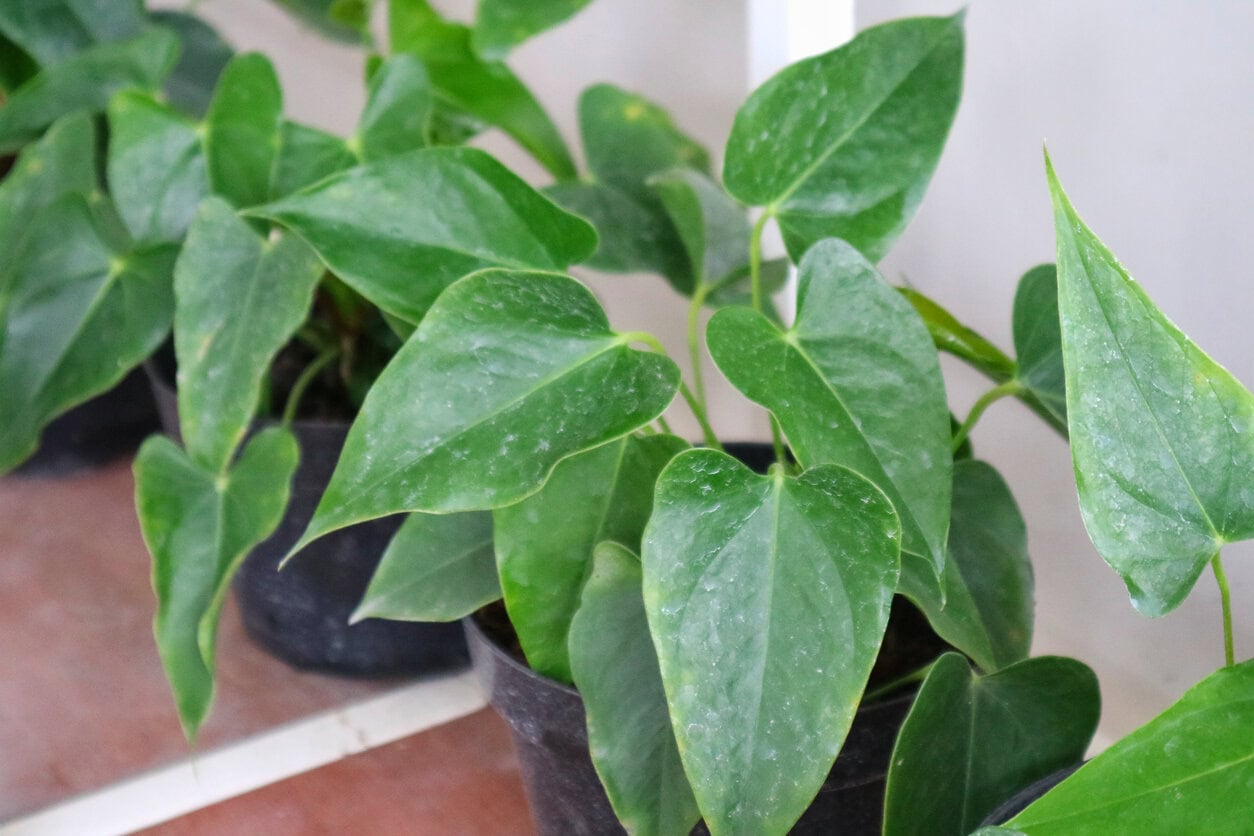
Anthuriums need plenty of bright, indirect light to perform basic functions and grow well. Shade and lack of proper lighting often result in undeveloped blooms and sometimes no blooms at all. Too much direct light isn’t optimal either, as it will likely burn the leaves and turn them brown.
Fix: Bright, filtered light coming in through a curtained window is ideal for growing anthuriums.
This same balance of light is important for other flowering plants, for example, here’s why hydrangeas sometimes refuse to bloom.
2: Watering is also a big reason
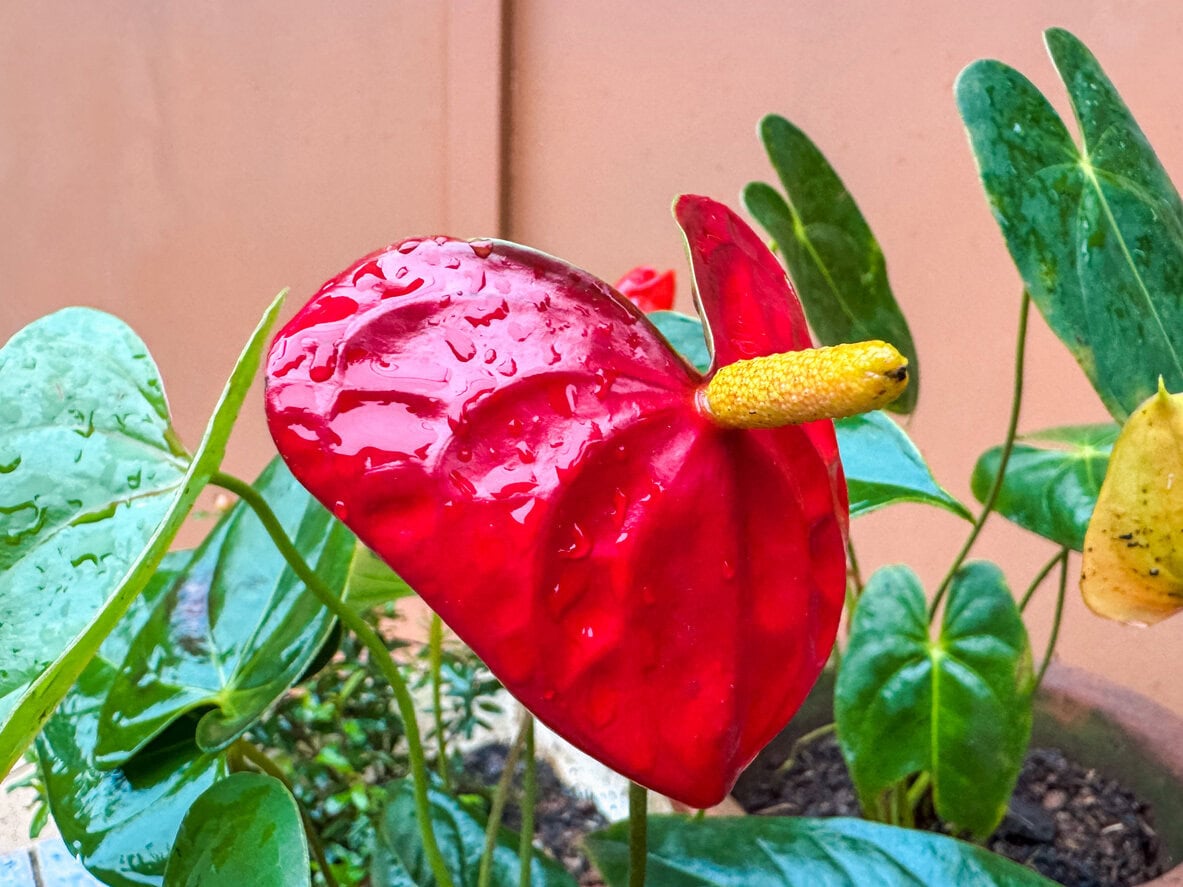
When it comes to watering anthuriums, you neither want to underdo it nor overdo it, as either extreme can cause stress to the perennial and lead to root problems.
Fix: Ensure the pot/soil you’ve planted your anthurium in has sufficient drainage. DO NOT let excess water pool around and create a soggy puddle; it will ruin your perennial in no time!
Space out watering sessions and allow the soil to dry properly before you water it deeply again.
3: Low humidity or temperature stress
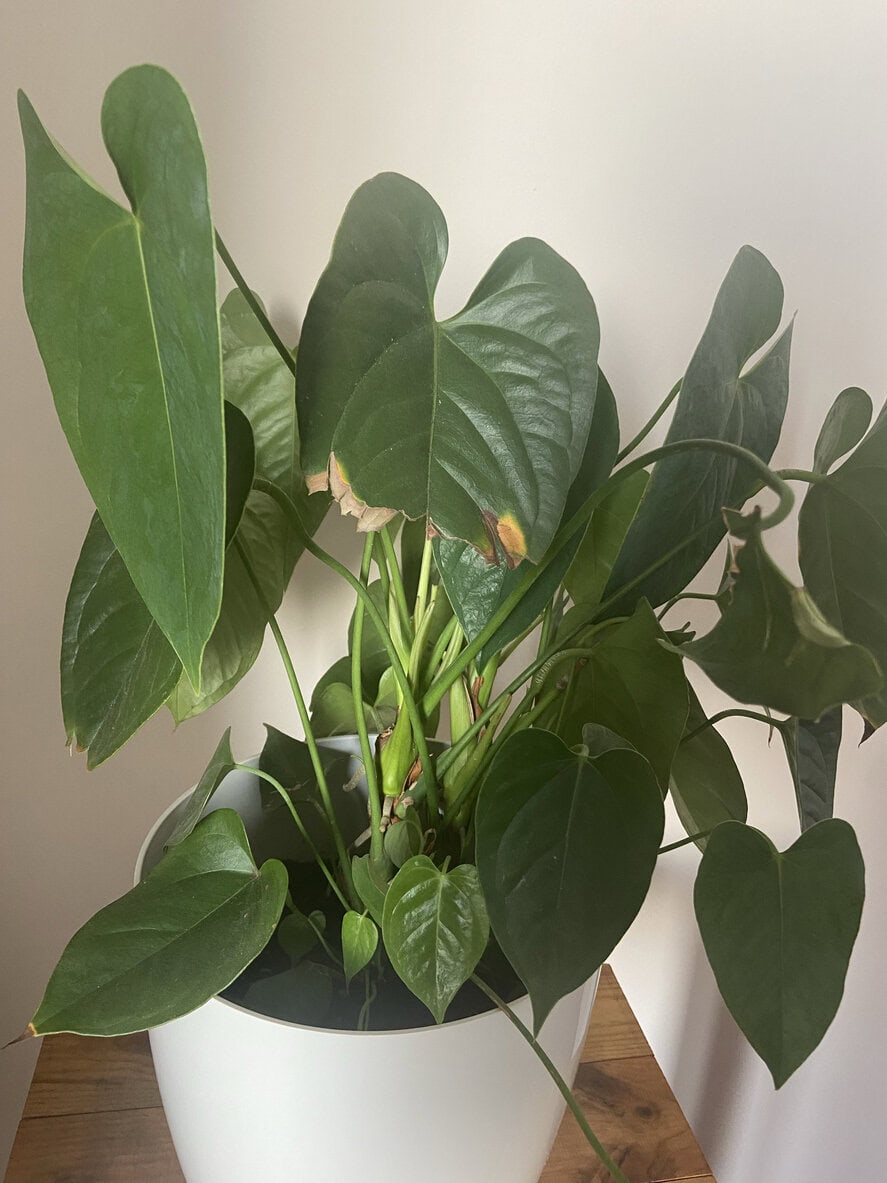
Anthuriums are tropical perennials that require a good degree of warmth (59-86°C) and humidity to do well. Strong blooming is driven by environmental conditions, and heat is a core pillar.
Solution: DO NOT place your anthurium pot anywhere near a vent or air conditioner, as the cool, dry air will quickly take a toll on your plant’s health and limit blooming potential.
For extra humidity, run a humidifier in close proximity to the perennial. You can also just mist the plant lightly throughout the day for a similar humid effect.
4: Nutrient deficiency and tired soil
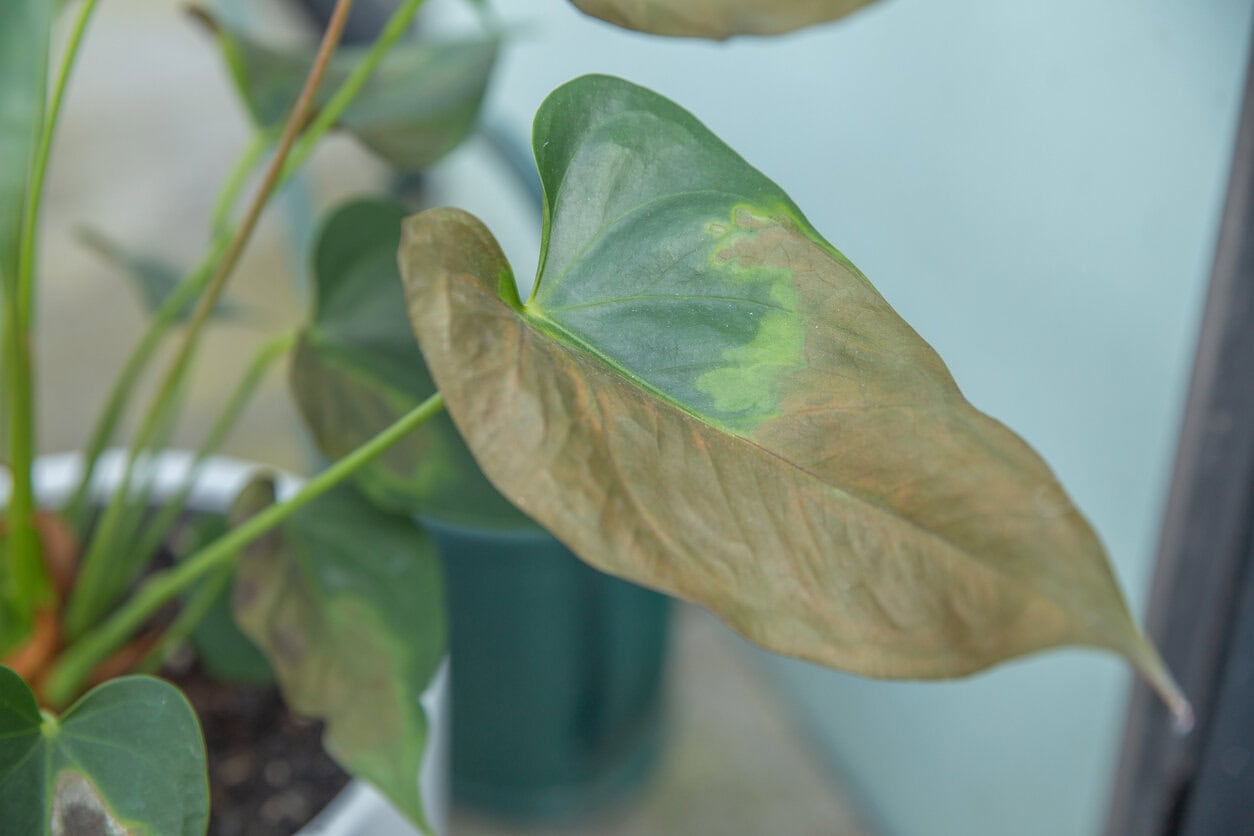
While anthuriums aren’t heavy feeders, they still require a dose of essential nutrients to get the ball rolling. Phosphorus, especially, is crucial for optimal blooming, and a lack of this nutrient is likely to stagnate bloom development.
Fix: First and foremost, opt for a rich potting mix to plant your anthurium. As nutrients deplete over time, intervention with a balanced, liquid fertilizer will become necessary (must be diluted at half strength). Feed your perennial every 4-6 weeks while it’s actively growing.
If you’ve ever dealt with flowering plants like dahlias slowing down, you’ll know the frustration. Here are the most common reasons dahlias stop blooming and how to fix them, many of the principles are similar.
5: Be careful with crowded roots!
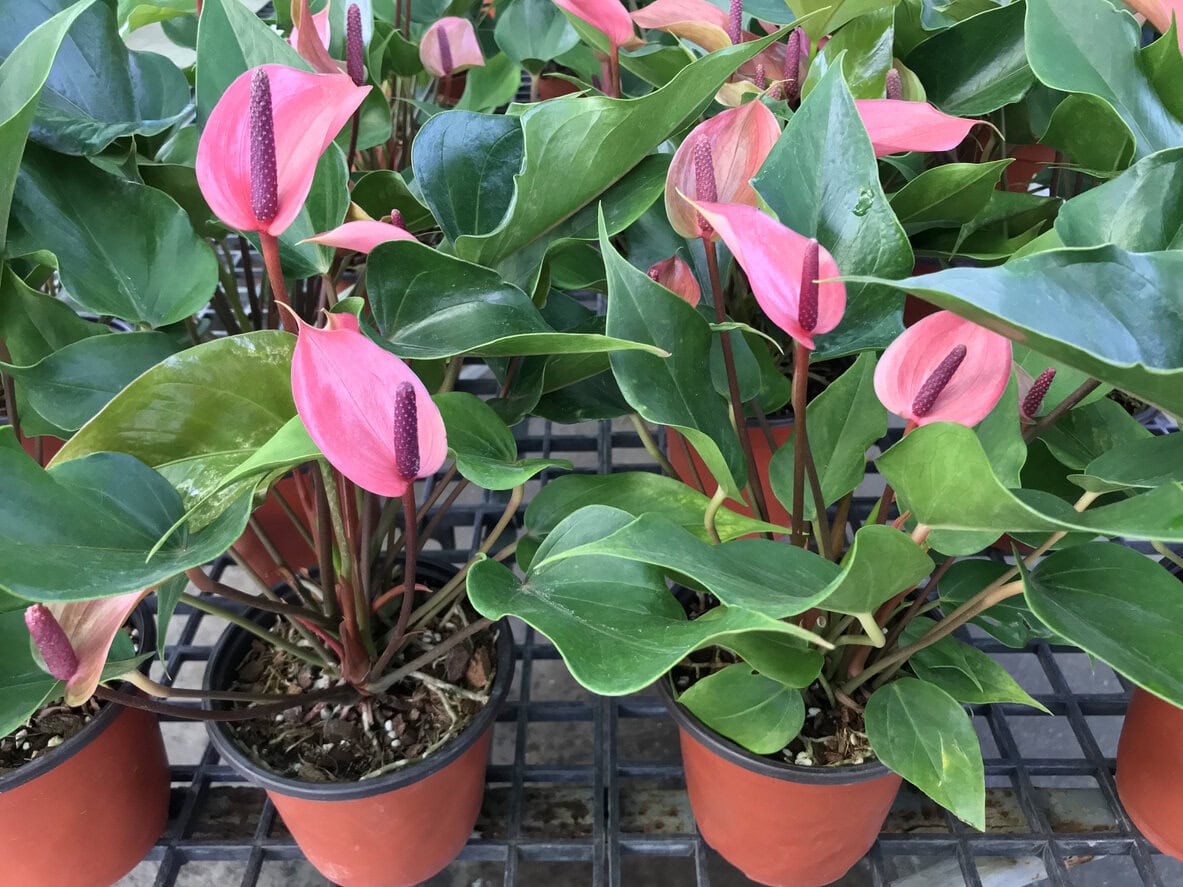
One thing about anthuriums is that they HATE being root-bound. Make sure your anthurium does not become root-bound in compacted soil, as it causes the perennial to shift energy flow from flowering to root maintenance and development.
Fix: The best way to prevent root-bounding in perennial houseplants like anthuriums is to consistently repot them in a new container every 2-3 years. To limit soil compaction, utilize a mix of potting soil with added bark and perlite.
Important Note: Now that you’ve done everything in your power to push your anthurium through stagnation and kickstart blooming, it’s crucial that you give it the time and space to do so. Patience is key to achieving beautiful blooms with this perennial.
Let’s Conclude
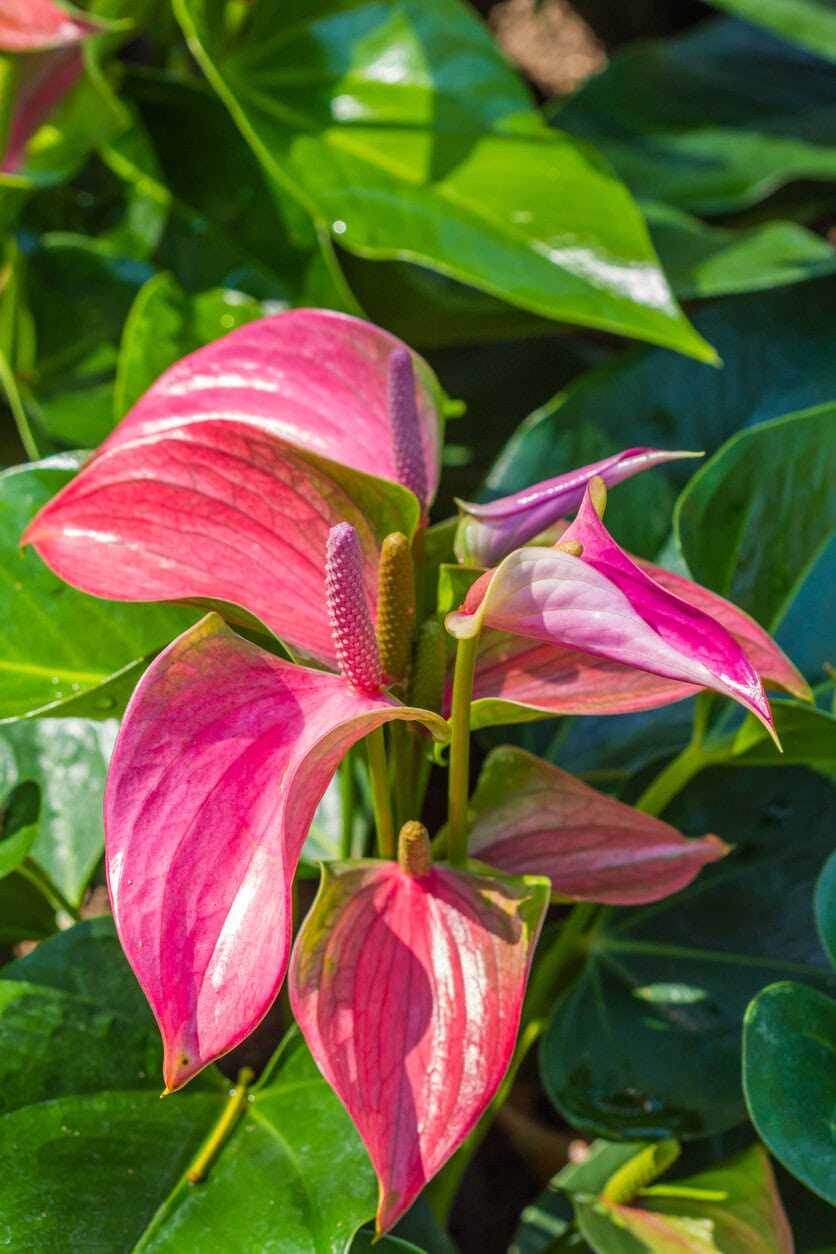
Despite my long yap, I must admit that anthuriums are not as difficult to grow or maintain as some of the other perennials you might encounter. They can give you some trouble by not blooming as smoothly as you’d expect them to, but that can be easily prevented or reversed if you’re willing to work with patience and intention.
And remember, not all popular advice is good advice. Some viral plant care tips can do more harm than good, so it’s worth checking my list of houseplant “hacks” that actually kill plants.






Would be ggod for a proper reading material than having all the ad displayiing all over it.
Hi Dustin! Totally hear you, we try to keep the info helpful, but I get that too many ads can be distracting. I’ll pass the feedback along. Really appreciate you taking the time to share it!