
How did a tiny flower from the Usambara Mountains manage to win the countless hearts (and pots) across the globe? Because it is a queen.
A bit spoiled, perhaps, and undeniably demanding, but what true tropical celebrity isn’t? Winter arrives, and Violet is ready to defy the weather (g)ods. Want Saintpaulia to show you what it means to look like royalty? Give the queen exactly what the queen wants.
The All-Important Sun Substitute
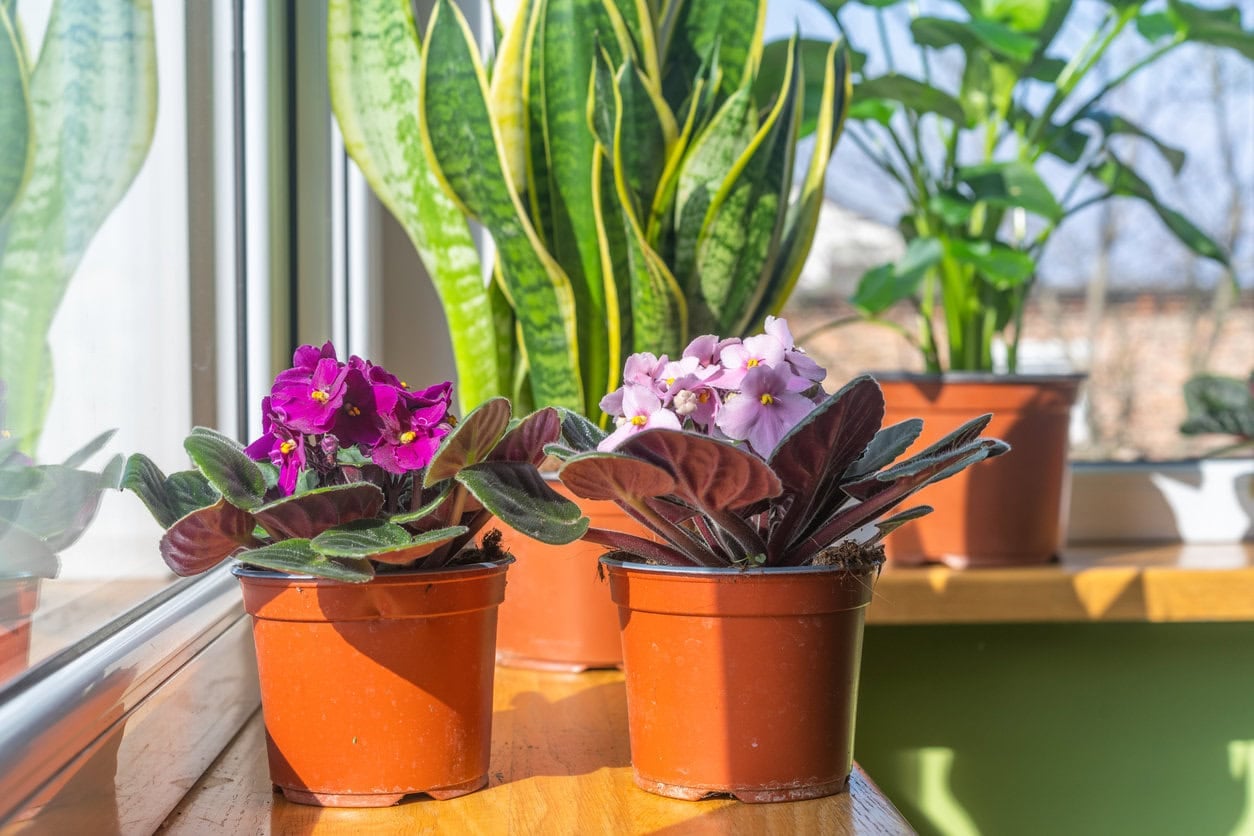
Light. That’s right. It’s the height of growing might.
Violets originate from the forest floor. They crave bright, indirect light, yet they cannot handle direct sun. It is a very fine line between brightness and sunburn, and during winter, Mother Nature is not helping at all.
And there’s the windows problem. Not the usual blue screen of death type, though. A south-facing window in summer is a quick path to crispy leaves. In winter, that same window might become barely adequate.
Cue the Backup Dancer: Artificial Light
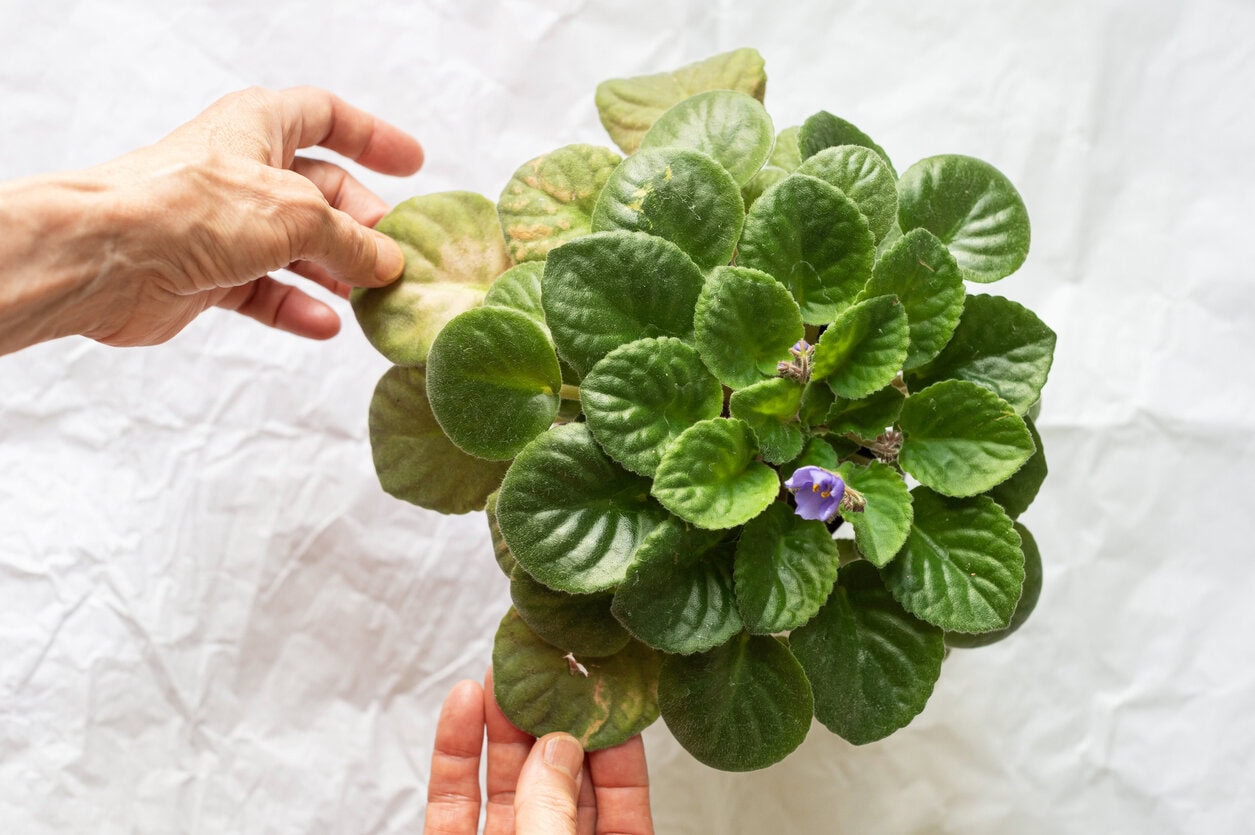
That’s why you need the stunt double: artificial light. A simple fluorescent or LED grow light provides the steady, non-threatening radiance your violet adores. The best part? You control the schedule.
Violets love routine. It means clocking in for twelve to fourteen hours under that artificial glow every single day. Also, suspend the fixture somewhere between eight and twelve inches above the foliage to ensure the Goldilocks lighting.
And don’t forget to turn its pot a quarter every time you water. (More about that later. Also, unintentional rhyme.) Otherwise, your plant will lean toward the light. Royalty stands straight, and if you let her slouch, you’re the one who looks bad.
The Essential Mist-ery
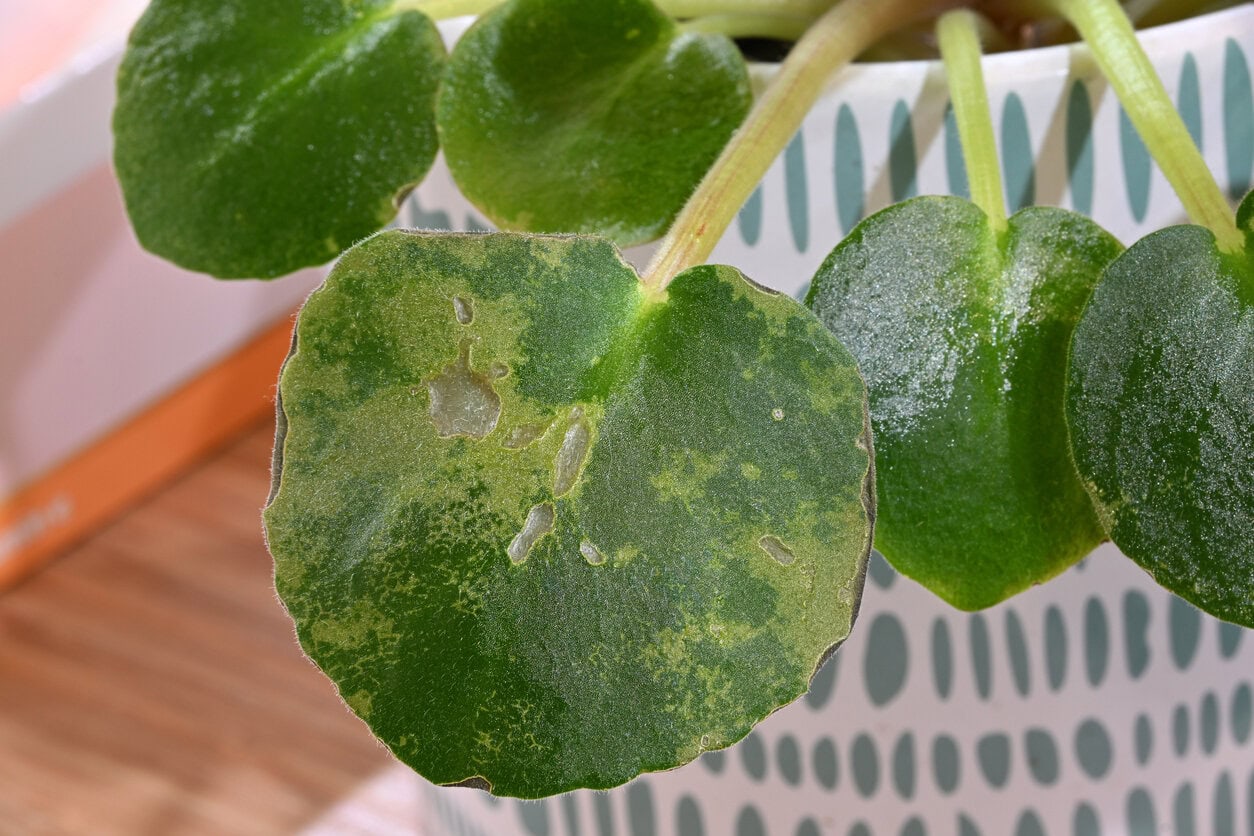
Water. This African daughter demands a spa, nothing shorter.
Violets are tropical plants, so they unquestionably hate taking a cold bath. Always use room temperature or slightly warm water. Cold water sends the roots into a full-blown panic. They’re simply not built for an ice-solated existence.
The ultimate superior technique is called bottom watering. Despite the awkward name, the most dignified way to get your violet to take a drink is to set the pot in a shallow dish of water for about half an hour, then drain the dish.
Quick tip: I used to dunk the whole pot because it felt “faster,” and my violets hated me for it. The crown stayed wet too long, and the center leaves started curling! Ever since I switched to bottom watering only, that problem vanished completely.
When the Water’s Right, But the Air Isn’t
Root rot avoided, the real winter villain is dry air, thanks to your cozy indoor heaters.
Your violet likes things on the humid side (not rainforest levels), just a gentle boost above the usual winter dryness. So, there’s no need to buy a humidifier!
All you need is the low-cost pebble-tray trick. Fill its shallow saucer with decorative pebbles and water, then place the violet pot on top. Once again, ensure the pot base never touches the standing water.
The Ambiance and The Menu

Temperature and food. They set the mood. When both are balanced, it’s good.
When we talk climate control, violets prefer a steady temperature, comfortable for a human in a light shirt. If you feel chilly, they are definitely freezing.
So, no cold snaps, no blazing heat. Consistency is king to your queen, so keep the violet away from any open windows that could draft cold air.
When the Queen Gets Hungry
In the winter, your violet is working hard to produce color and needs a proper meal plan. Look for a high-phosphorus, liquid fertilizer with a high middle number in the NPK ratio.
Quick tip: I’ve had the best luck with a 12-36-14 or 15-30-15 mix, but only at a whisper-soft dilution.
The secret sauce is in the dilution! Instead of a strong monthly dose, dilute the fertilizer to half or even quarter strength and apply it every time you water (usually once every seven to ten days) in the winter.
Violets are tiny drama queens, give them too strong a drink and they sulk, give them a light sip and they bloom like they’re on stage!
If you’re wondering which other plants appreciate a little winter feeding (and which ones absolutely don’t), here’s a helpful guide on houseplants you can fertilize in winter without causing trouble.
Just a Trim, Please
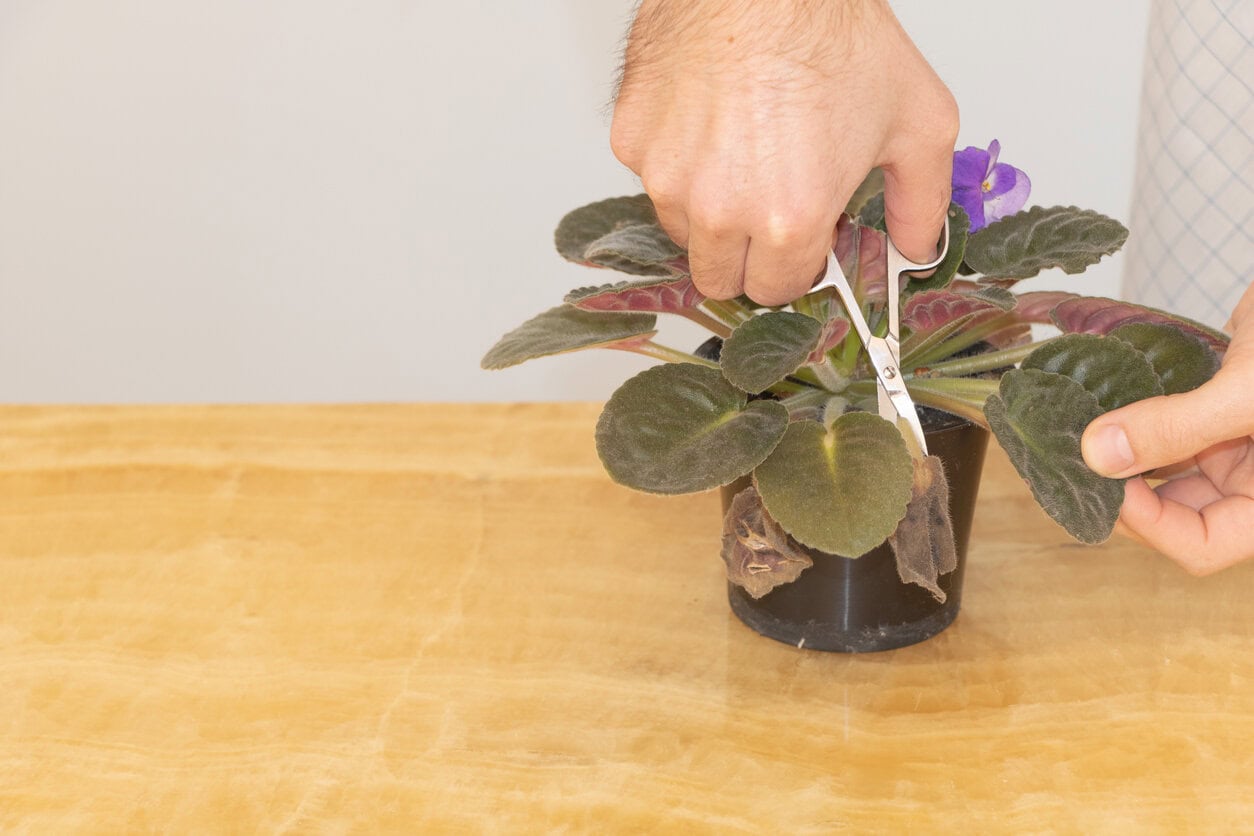
Pinching and deadheading. Strategic leaf and flower shedding in favor of tidier spreading.
Old blooms signal the plant to stop producing new ones, and we cannot have that kind of quitting around here! Also, pinch off any leaves that look yellow, damaged, or simply too crowded.
Her Roots Have Opinions Too
Furthermore, violets are peculiar. They like to be slightly pot-bound. Resist the urge to repot into a massive new home.
A snug pot is a happy pot because it encourages blooming rather than merely growing roots. Only move up a size when the current pot is truly overwhelmed, and even then, only go slightly larger.
Quick reminder: I once repotted a perfectly happy violet into a cute larger pot because it matched my shelf… and it stopped blooming for almost three months. Lesson learned: violets don’t care about décor, they care about tight shoes.
But, keep in mind that African violets do need fresh soil regularly! Even if she stays in her tiny throne, give her fresh soil once a year. Violet mix breaks down fast, and fresh soil keeps the roots breathing instead of wrestling through compacted, tired dirt.
If you’re already refreshing potting soil or doing little winter tune-ups, you might also enjoy checking which houseplants you can propagate from cuttings in December, it’s a surprisingly good month for it.
The Goldilocks Guide to Violets
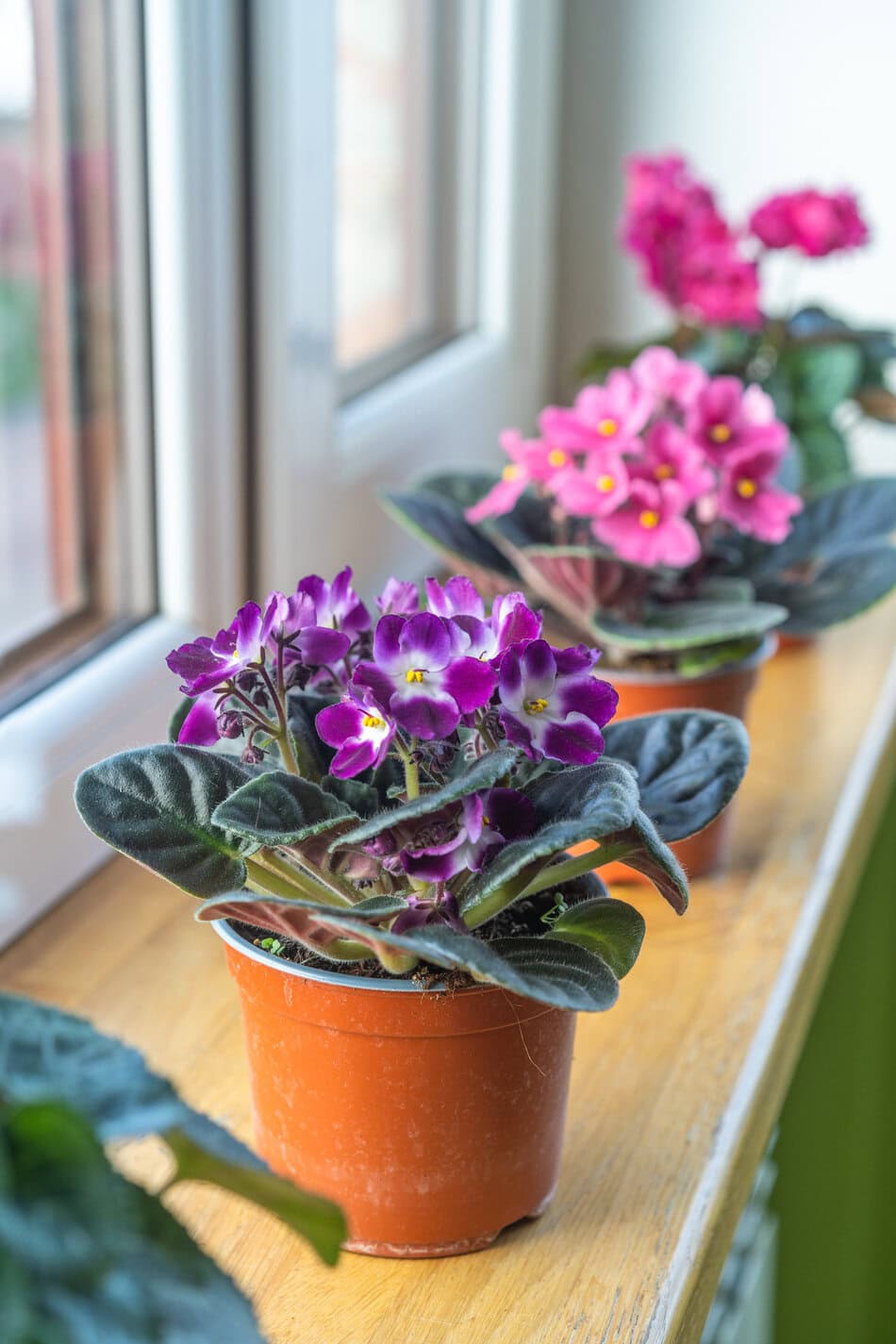
African Violet winter care is not rocket science, but it might require a PhD in persistence and a minor in moisture management.
On a positive note, your only real task is to trick your plant into believing your home is the misty, perfectly temperate floor of its native mountains.
Optimal light, temperature, humidity, and food, how difficult could it be? (Spoiler: Not very, you just finished the guide!)
For even more color in the coldest months, here are some winter-flowering plants that brighten up the garden when everything else is sleeping.


