One peony is lovely. Two are better. Three? That’s more like it.
Want more peonies without buying more peonies? That established clump in your garden might be all you need! With a little digging and some careful dividing, you can turn one mature peony into several new plants.
Do a Little Peony Homework
Peonies are generous plants. Give them a good home, and they can stick around for decades. Yet if you want to multiply (or need to relocate) your collection, there’s a way.
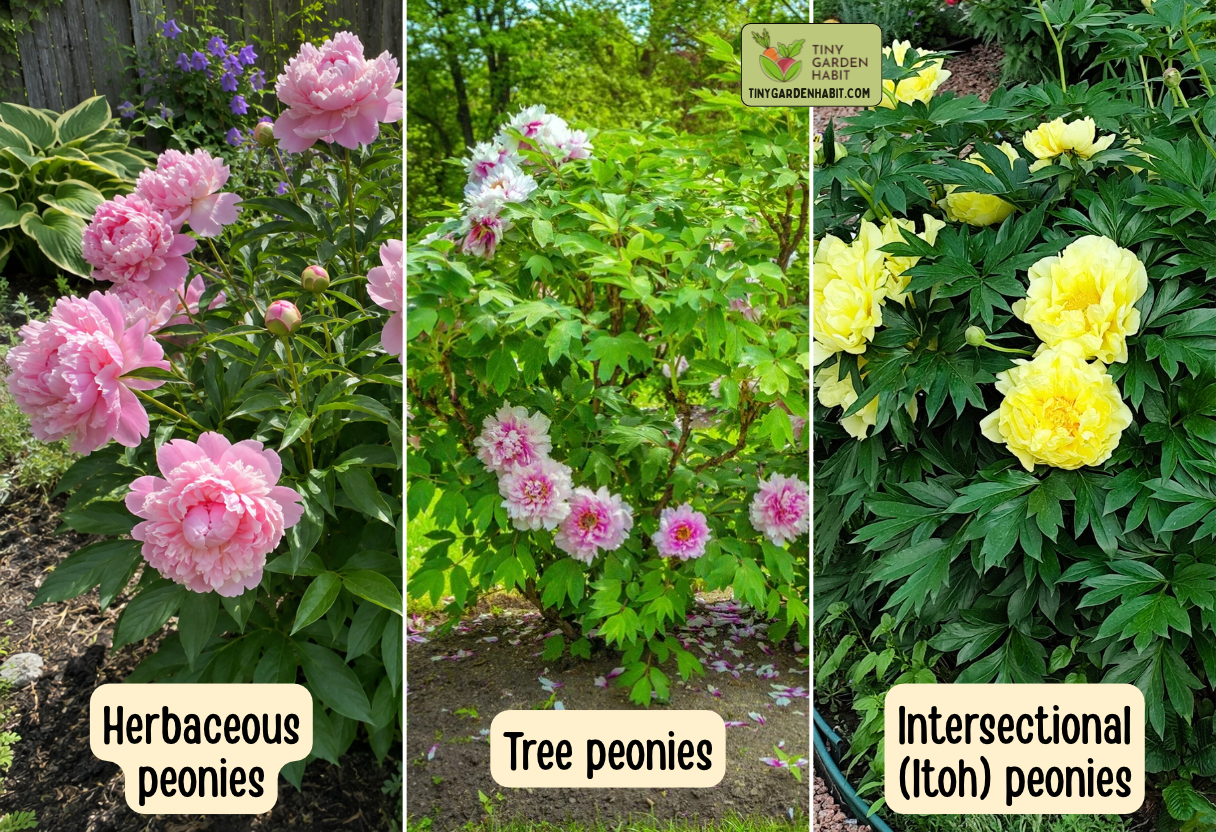
There’s a little catch, though. Not every type of peony can be divided in the same way. Before you grab your shovel, know what you’re working with:
There’s something else to consider. Winter temperatures. Most herbaceous peonies tend to favor gardens where winter doesn’t pull its punches, typically in USDA Hardiness Zones 3 to 8. That winter chill prepares peonies for flowering the following season.
Quick tip: If you’re gardening in Zone 8, look for varieties suited to milder winters.
Choose the Right Season

Peonies don’t check calendars. They respond to the season. So watch the plant. Your cue comes in late summer or fall, when the foliage starts to yellow and die back. Some green foliage can still be hanging around when you get started.
If you’re wondering when to grab your shovel, use your USDA Hardiness Zone as a rough guide:
These aren’t strict deadlines. Pay attention to your local weather and aim to give your newly divided peonies several weeks to establish roots before the ground freezes.
Why not divide in spring? Peonies are already busy getting new growth started then. Fall gives newly divided plants time to establish roots without having to support new foliage and flowers at the same time.
If you’re planning to multiply more than just your peonies this fall, we also put together a guide on 9 perennials you can divide in October before winter.
Start With a Mature Plant
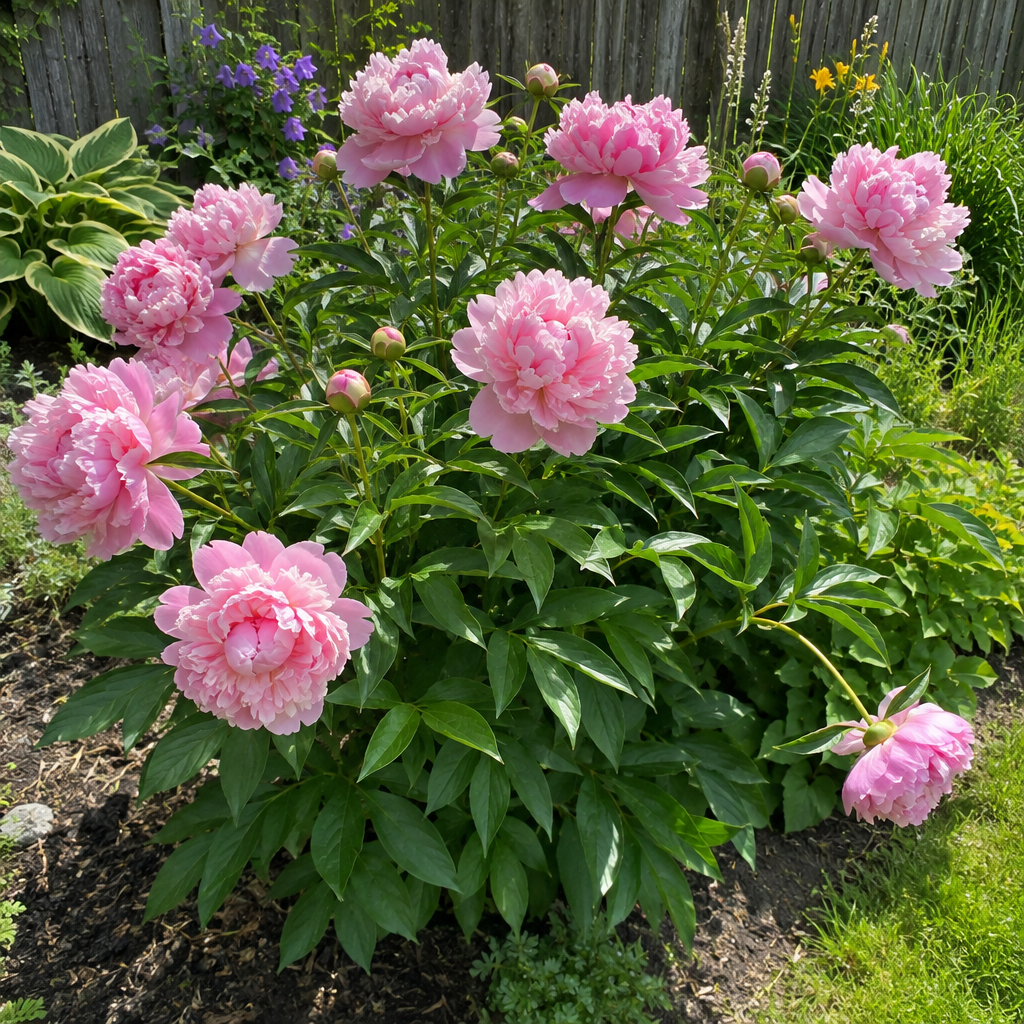
You might be tempted to divide that peony as soon as you can. Don’t rush it. Young peonies need time to build up their root systems before you start splitting them.
Peonies that are three to five years old are usually ready for division, but don’t rely on age alone! Look for a vigorous clump that produces several strong stems and flowers reliably each spring.
If your peony is still small and only produces a handful of stems, give it another year or two.
Peonies don’t need regular dividing to keep them happy. An established clump can stay in the same spot for decades. Is yours growing well? There’s no need to split it just for the sake of it.
Lift and Clean the Clump
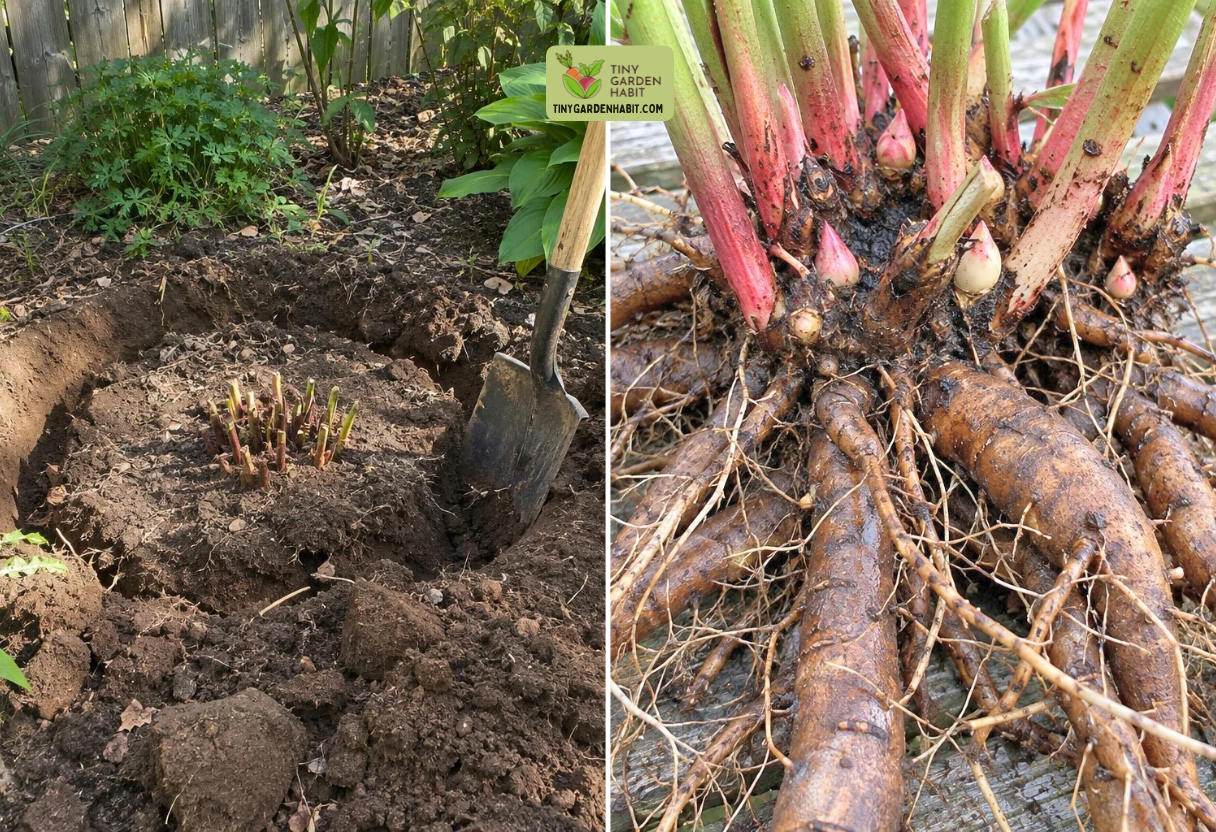
Time to get your hands dirty. Here’s how to lift your peony without causing unnecessary damage to those fleshy roots:
With the soil gone, you’ll get a much better look at the crown. See those little pink, reddish, or creamy-white bumps? Those are the eyes, and they’re where next year’s shoots will emerge. Keep an eye on them (yes, really!), because they’ll help you decide where to make the cuts.
If you’re leaving some of your peonies undisturbed this fall, we also wrote a guide on when to cut peonies back and whether to leave them standing through winter.
Divide Carefully
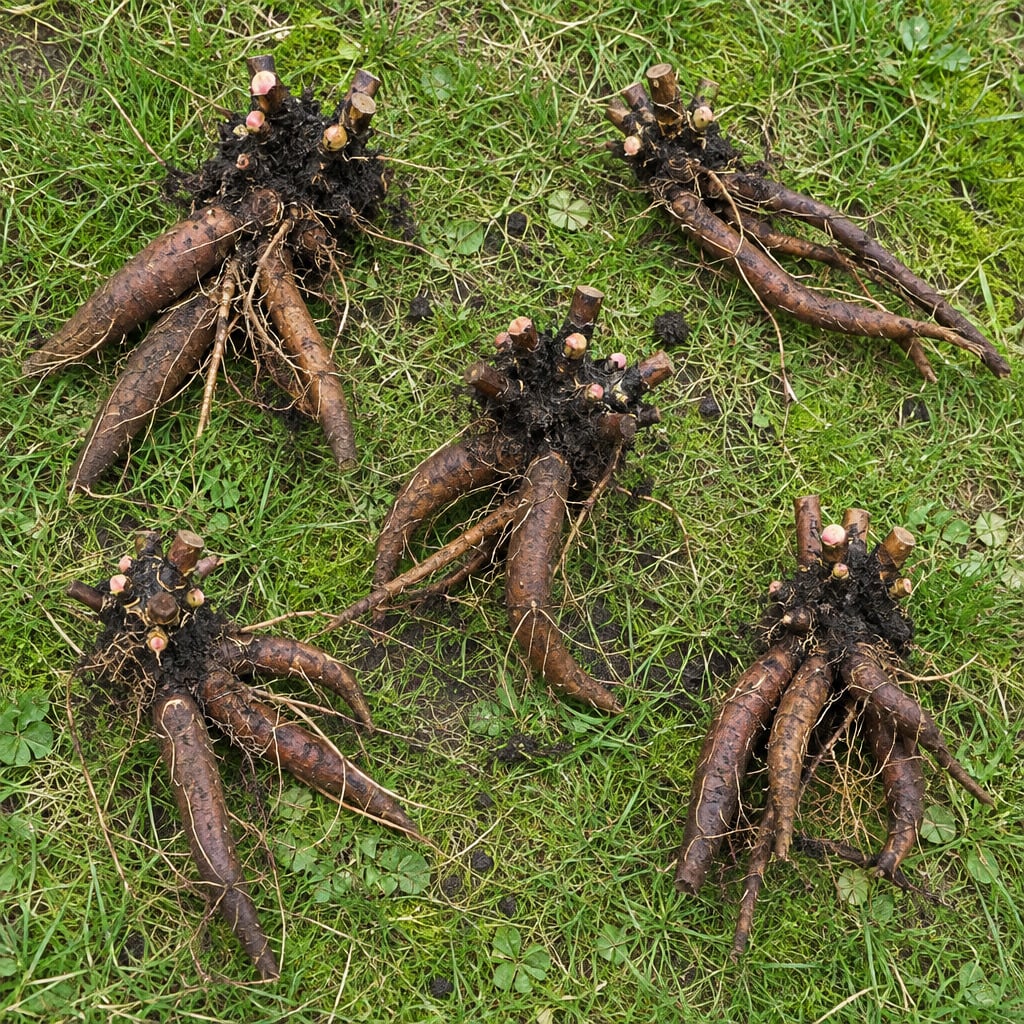
This is where a good knife comes in hand-y. Make sure it’s clean and sharp before you start cutting. Set the clump on a flat, sturdy surface and take a good look at the crown. You may spot natural places to separate it into smaller sections.
Before making your first cut, work out how many healthy divisions you can get from the clump. There’s no need to make every division the same size, but each one should have:
Make clean cuts through the crown, taking care not to slice through the eyes. Trim away any broken, rotten, or diseased roots, and disinfect your knife if it comes into contact with diseased tissue.
Don’t be tempted to make tiny divisions just to get more plants. Those with fewer than three eyes can survive, but they may take several extra years to put on a good flower show. A healthy start matters more than how many pieces you manage to get.
Replant at the Correct Depth
Not every empty spot in the garden deserves a peony. Find one with at least six hours of direct sunlight, good drainage, and enough room to accommodate a rather ambitious plant. In hotter regions, a little afternoon shade is welcome.
And don’t squeeze them together to make your garden look fuller. Leave three to four feet between plants to allow for mature growth and good air circulation.
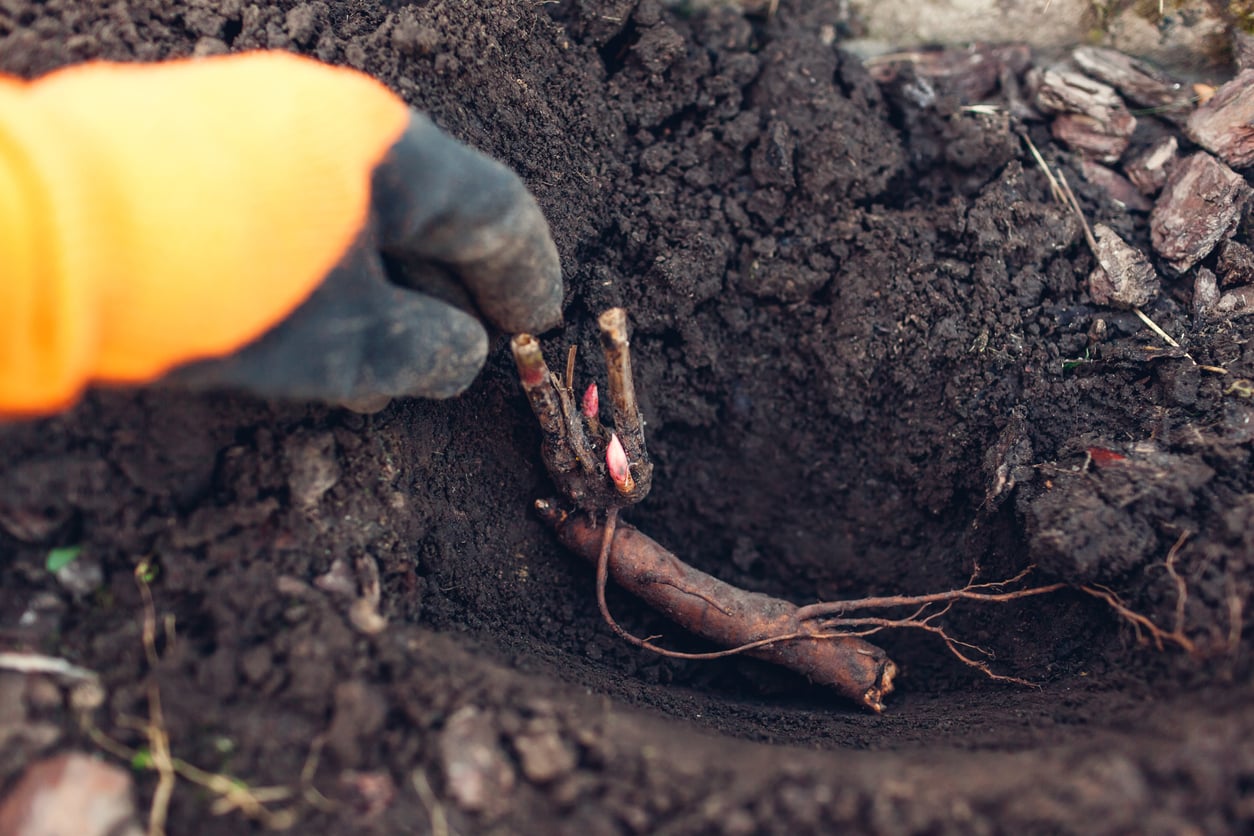
When it comes to planting, depth makes all the difference:
If fall turns out to be particularly dry, keep watering as needed until the ground freezes. Just don’t leave those fleshy roots sitting in soggy soil.
Peonies planted too deep can grow plenty of leaves and still refuse to flower. In my experience, when someone tells me their established peony isn’t blooming, two of the first things I tell them to check are planting depth and how much sunlight it’s getting. More often than not, one of these is the culprit.
If you’re unsure whether you’ve picked the right spot, we explain where to plant peonies for healthier growth and better blooms in a separate guide.
Handle the First Winter
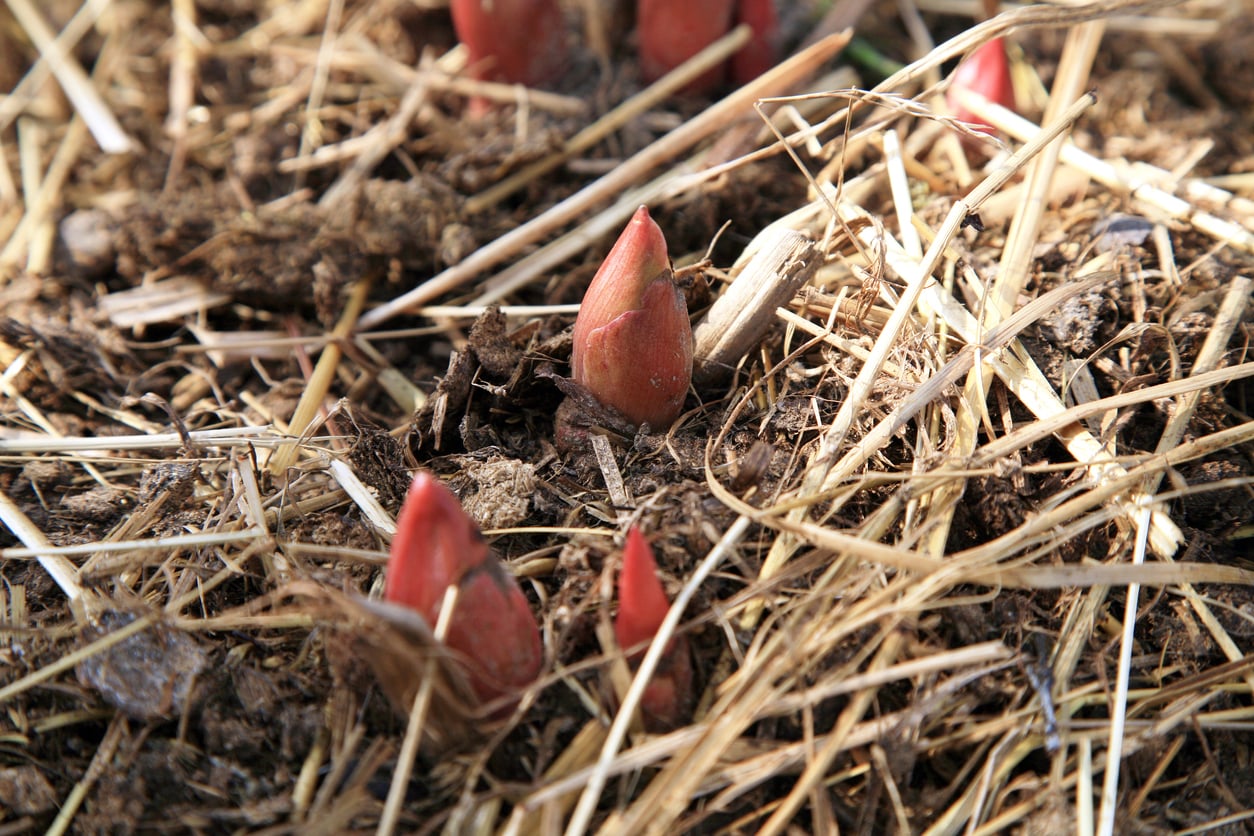
Your new peonies have survived the shovel, the knife, and the indignity of relocation. Surely you can offer them a little winter protection?
In colder regions, wait until the ground begins to freeze, then cover the planting area with two to three inches of loose straw or pine needles. This helps prevent frost heaving. If your winters are mild, skip the protective mulch.
Remove the cover in early spring before new shoots emerge. And don’t be disappointed if your peonies take two to three years to bloom well again. They’re worth the wait.
And once those first shoots emerge, we also have a guide on how to care for your peonies in spring for healthier plants and bigger blooms.