
One of our Facebook community members recently asked about planting something in clay soil, and it made me realize just how much I’ve been neglecting old-school clay gardeners in my work, they deserve a lot more love and appreciation than they get.
Today’s article is all about clay soil. We’ll discuss everything from enriching clay soil to the best flowers you can plant in it in great detail, so stick around! Without wasting any more time with this intro, let’s dive right into it, shall we?
14 Flowers To Grow In Clay Soil

My aunt, who gardens in Zone 5, also struggles with heavy clay soil, so I got some help from her when putting this list together. These flowers aren’t just great for clay, they’ll also thrive in cooler climates. Win-win!
1: Astilbes (Zones 4-9)

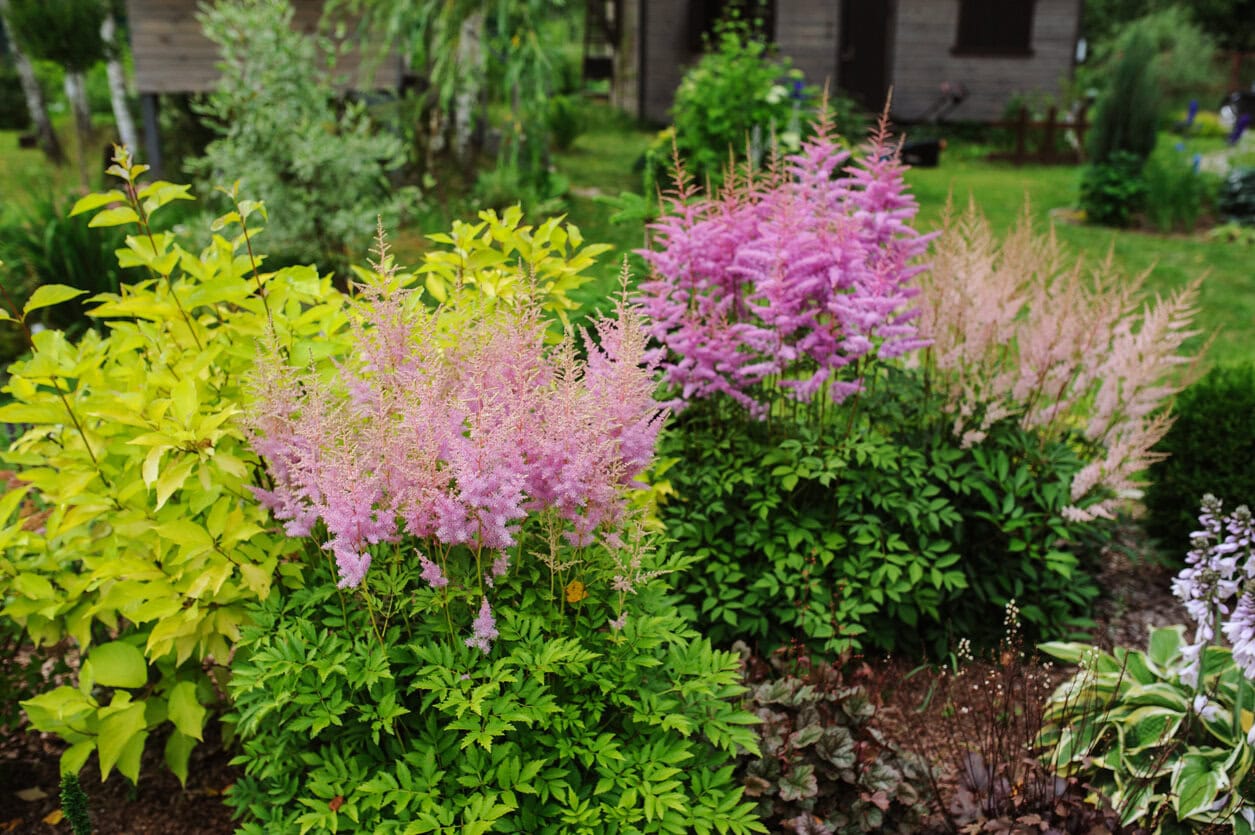
Astilbes are perfect for clay soil since they prefer dampness and consistent moisture.
They’re fairly popular thanks to their quick adaptability to many conditions and vigorous blooming, but they don’t handle drought well, keep the soil evenly moist for the best results.
Aunt’s tip: My aunt always mixes in a bit of compost before planting and warns not to let astilbes dry out, since once those roots bake in heavy soil, they rarely recover.
If your soil tends to stay wet year-round, you’ll also find a few more tough options in this guide to plants that grow well in soggy soil.
2: Coneflowers (Zones 3-9)

Coneflowers are already quite popular for their large, daisy-like, vibrant blooms, and they tolerate clay soil surprisingly well, as long as it drains decently.
Their deep roots can handle dense, moist clay, but if the area stays soggy, root rot may become an issue.
Aunt’s tip: She said to be careful about planting coneflowers too deep in clay, the crown needs to sit slightly above the soil line or it can rot after heavy rain. And also, not to overwater them!
3: Black-Eyed Susans (Zones 3-9)

Black-eyed Susans, also known as rudbeckias, offer yellowish-golden petals and blooms that resemble sunflowers from afar. Thanks to their strong roots and overall hardiness, rudbeckias can easily thrive in clay soil.
4: Joe-Pye Weed (Zones 3-9)

Joe-Pye Weed is so versatile that every list of mine somehow includes it in some way. This perennial loves growing inI clay soil since clay can hold a lot of moisture and protect it during long, hot, or dry spells.
Aunt’s tip: In her garden, she plants Joe-Pye weed near the lowest spot where rain tends to collect, it loves that little bit of extra moisture.
5: Hostas (Zones 3-9)

Although hostas are typically known for their striking, large foliage, the velvety soft flowers are what truly make them stand out. They do well in moisture-retaining clay that’s evenly moist but never soggy.
Aunt’s tip: She adds a thin layer of shredded leaves to keep the soil cool and slugs away, but warns not to pile mulch against the base, it traps moisture and invites rot in clay.
If your garden has more acidic soil, you’ll love this guide to plants that thrive in acidic soil conditions, many of them pair beautifully with hostas.
6: Asters (Zones 3-8)

Although asters bloom a little late in the season, they’re still stunning and produce these vibrant star-shaped flowers that pollinators love. In warmer regions, it’s best to grow asters in clay soil since it stays cool and moist for much longer.
7: Coral Bells (Zones 3-9)

As the name suggests, coral bells are known for their delicate, bell-shaped blooms and vibrant foliage that really stands out in the garden, especially against lighter backgrounds. They can grow in clay, but only if it drains well, soggy soil is their biggest enemy.
8: Daylily (Zones 3-9)

Known for their short-lived trumpet-shaped blooms, daylilies absolutely love clay soil. With regular watering and consistent moisture, these flowers thrive in clay.
Aunt’s tip: My aunt divides her daylilies every few years, she says it keeps them from getting “lazy” and helps them bloom more.
9: Viburnums (Zones 2-9)
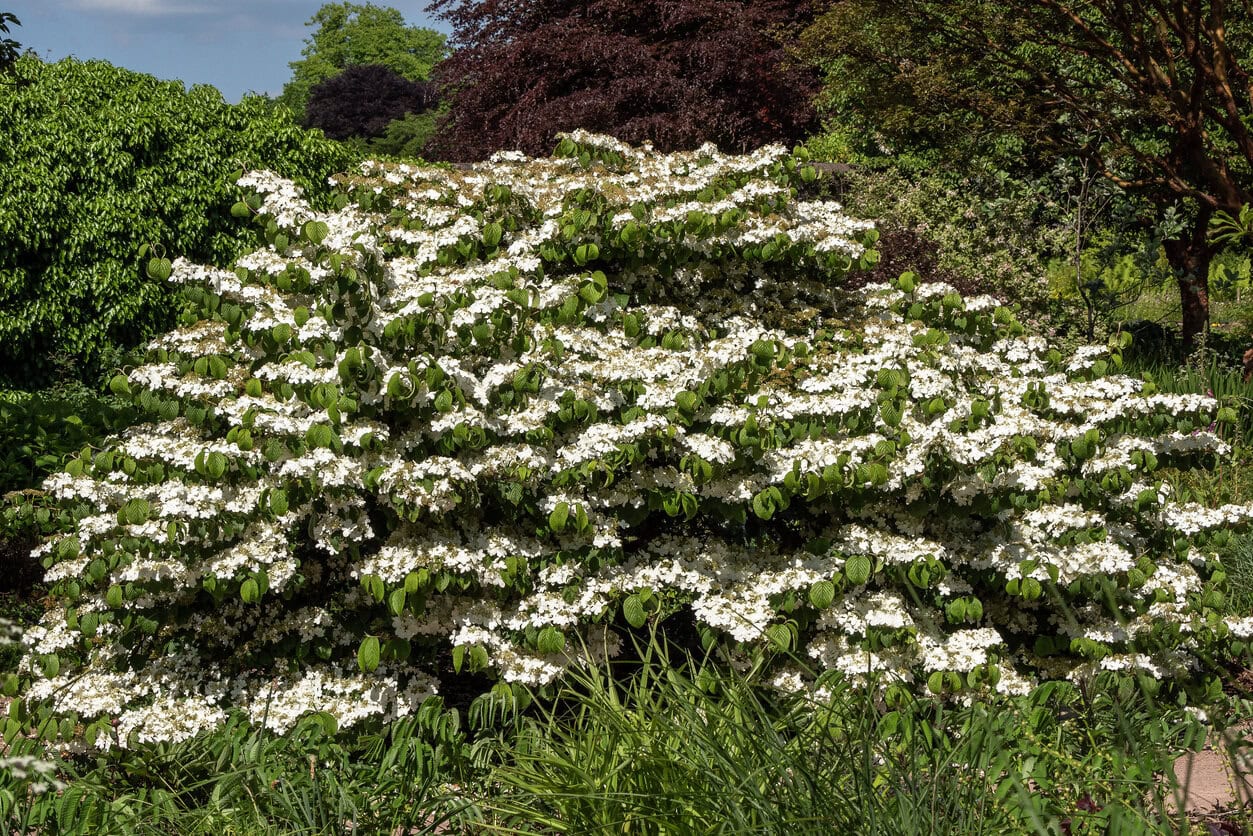
Not only do viburnums offer stunning flowers in spring, but they also produce small berries that pollinators are really drawn to. Moisture is essential for growing viburnums well, so experienced gardeners typically plant them in moist clay for the best results.
10: Goldenrods (Zones 3-9)
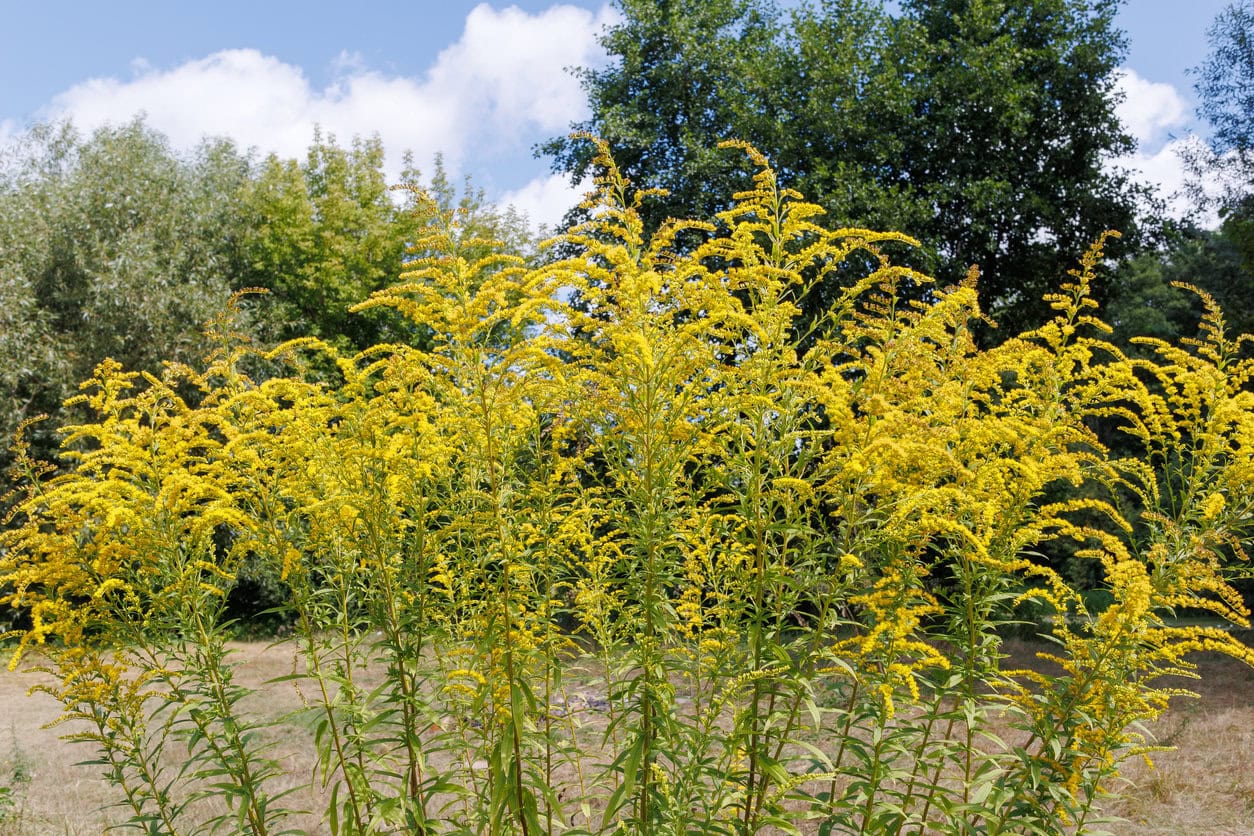
If the name doesn’t already give it away, goldenrods produce bright yellow flowers that attract bees and butterflies from afar. They adapt easily to firm, compact soil like clay, provided it’s not waterlogged. Once established, they thrive on neglect and can even handle dry spells.
Aunt’s tip: She cuts her goldenrods back by half in early summer to keep them bushy and reminds me they can spread fast once settled in clay, so keep an eye on them.
11: Heleniums (Zones 3-8)
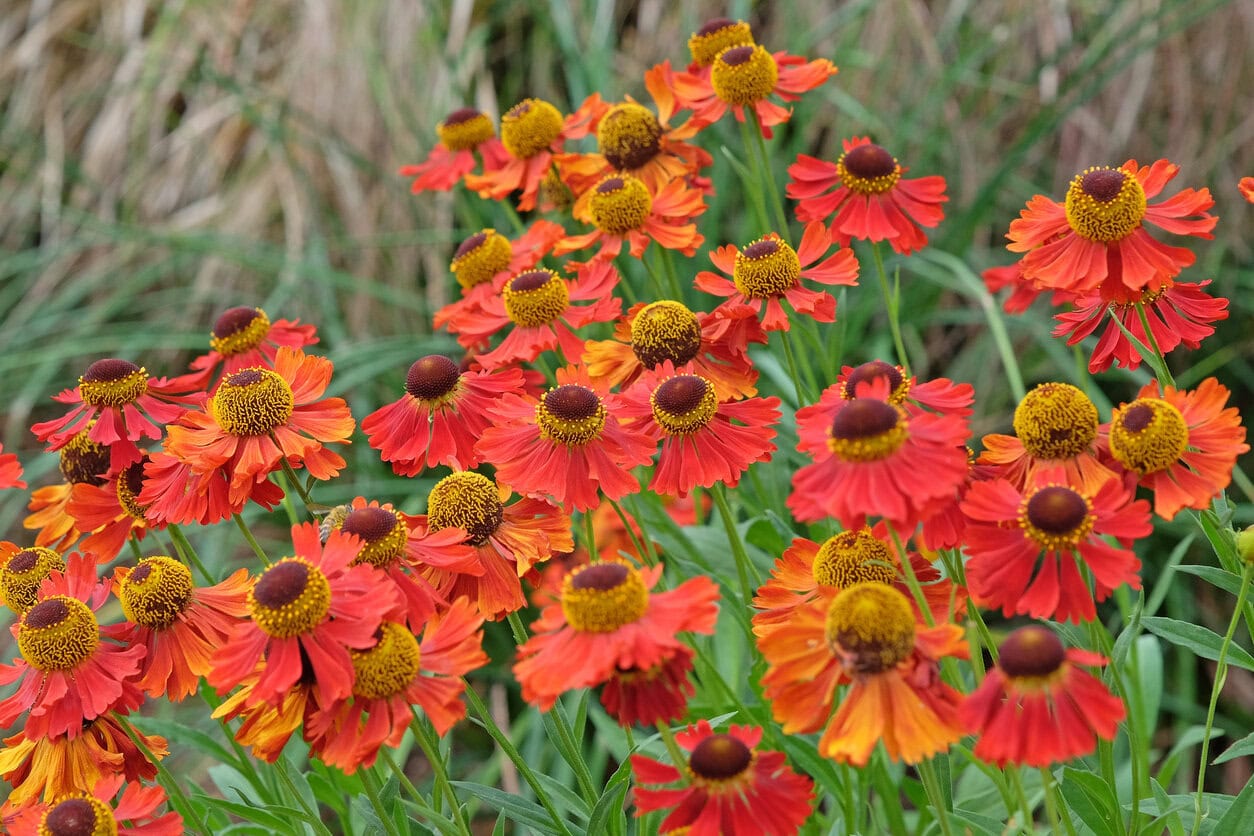
Heleniums are popular for their multi-colored, warm yellow and orange flower petals. They prefer consistently moist soil and can thrive in light or loamy clay, especially when planted in full sun or partial shade. Keep the soil damp but never soggy to avoid rot.
Aunt’s tip: My aunt stakes them early so the stems stay upright and says not to let the soil dry out once they start blooming, or the flowers fade quickly.
12: Phlox (Zones 3-9)

Phlox is one of those flowers that seem strange and unfamiliar from a distance, but are instantly recognizable up close. The sweet fragrance they emit, paired with the bright pink, purple, and often pearly white blooms just screams phlox.
Grow this one in evenly moist clay and offer good, uninterrupted airflow to prevent unwanted fungal diseases.
13: Bee Balm (Zones 3-9)

If you’re after a clay-tolerant pollinator magnet, bee balm is perfect. It loves moisture-retentive soil, even heavy clay, and rewards you with bright red, pink, or purple blooms that attract hummingbirds and butterflies. Just make sure it gets good airflow to prevent mildew.
Aunt’s tip: She divides her bee balm every couple of years for “fresh roots, fresh blooms,” and warns not to crowd them, since poor airflow invites mildew.
14: Bearded Iris (Zones 3-9)

Although growing bearded iris long-term can be a pain in the bum, gardeners who are fond of this flower are almost always willing to put in the work. For a better and easier time, plant bearded iris in well-drained clay soil.
If your garden soil is on the dry side, check out these garden plants that almost never need watering, they’ll handle neglect better than most.
Can I Grow Bulbs In Clay Soil?
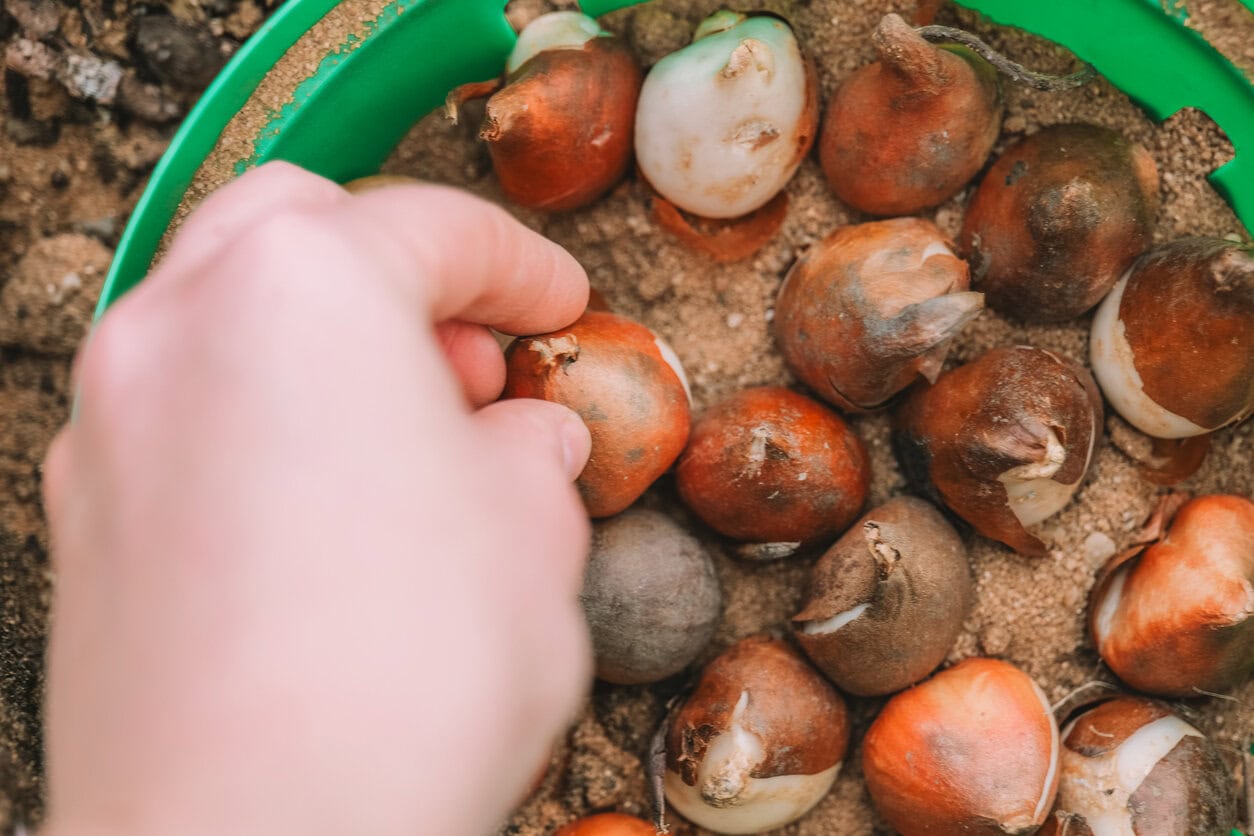
I mean…yes, you can…but would I recommend you do? Well, only if you improve the drainage of your clay soil.
Bulbs like daffodils or alliums are definitely doable in slightly raised beds or on a thin layer of rough sand or grit that will help to prevent rot and fungal problems during rainy periods.
My aunt always warns me not to plant bulbs right after a heavy rain, though. Clay stays soggy much longer than you think, and that’s when most bulbs rot before even sprouting.
If you’re planning to add bulbs this year, here’s when to plant bulbs for the best blooms, timing makes all the difference in clay soil.
What Makes Clay Soil Challenging For Flowers?
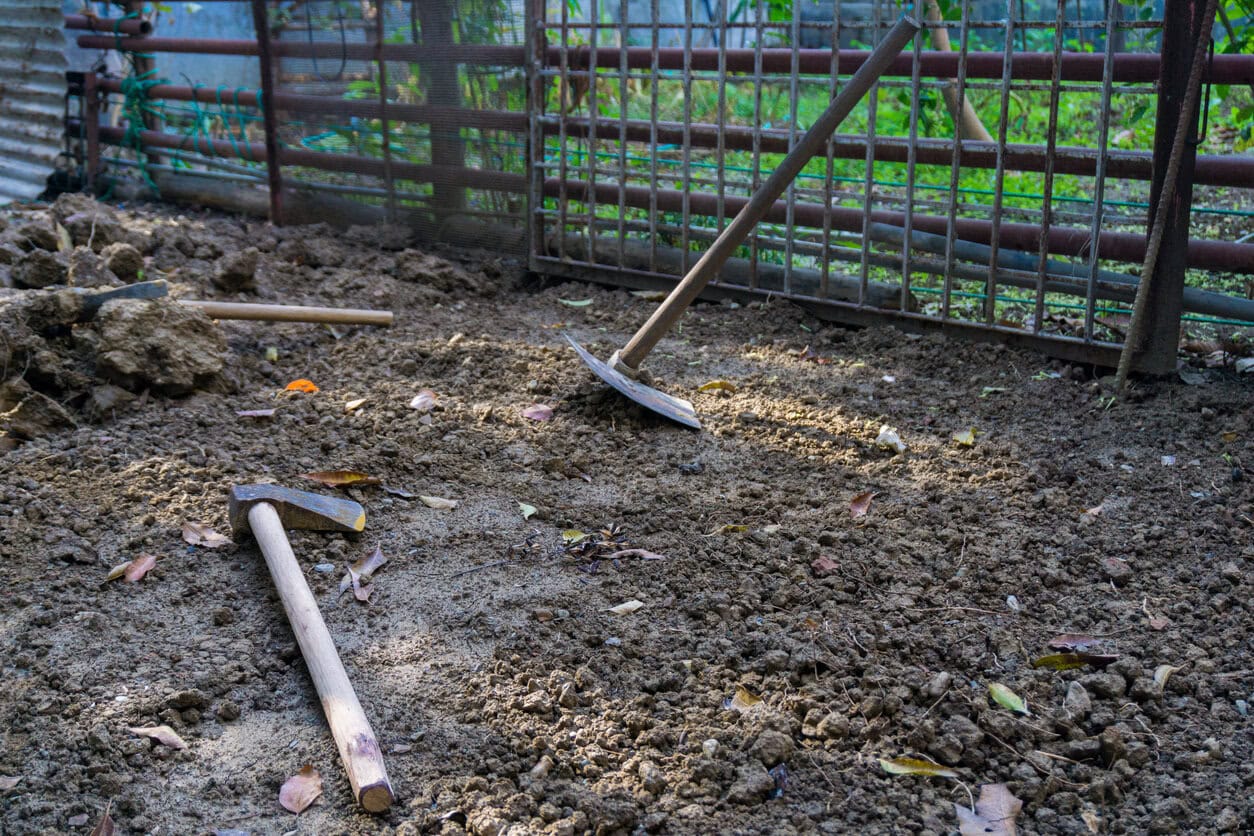
Although clay soil retains moisture and nutrients super well, there are some downsides to it as well. Many find that clay drains much more slowly compared to regular soil and can compact easily, making overwatering a huge risk.
Unfortunately, these clay qualities mean that the roots can potentially suffocate and make initial establishment quite difficult for your plant, unless you specifically work with varieties that can tolerate heavy soils well.
My aunt always says that clay’s both a blessing and a curse, it feeds your plants, but it can choke them if you don’t loosen it up now and then. She told me her secret is to mix in a bit of compost every spring just to keep it breathing.
you’re working with soil that’s the opposite, dry and poor, you might have better luck with these vegetables that thrive in poor soil.
Can Annual Flowers Grow In Clay Soil Too?
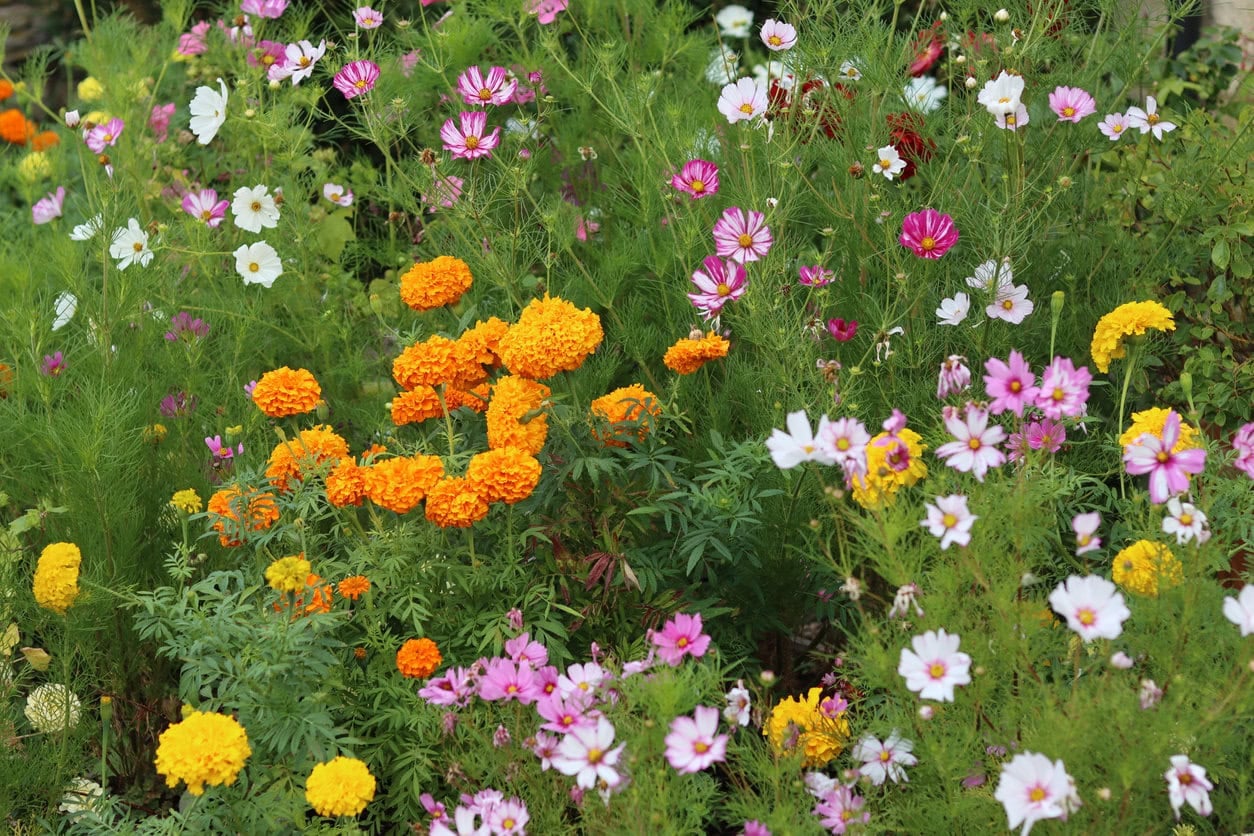
Absolutely! If you’re going to plant annuals in clay soil, opt for hardy varieties like cosmos, marigolds, or zinnias.
For better results, try enriching the soil with some compost or organic matter before planting. Also, make sure you’re only planting annuals when it’s warm enough outside and the clay isn’t overly cold and heavy.
Let’s Conclude
While I have unintentionally overlooked other planting mediums like clay till now, I can assure you that this will not be the case going forward. You can definitely expect a lot more clay-related content coming soon, so stay tuned and good luck with your clay planting adventures!





Great article. I have some of these, but will definitely try some of the others.
Hi Jen! 😊 Thank you! I’m glad you enjoyed it, clay soil can surprise you with how many flowers actually thrive in it once you know what to plant.