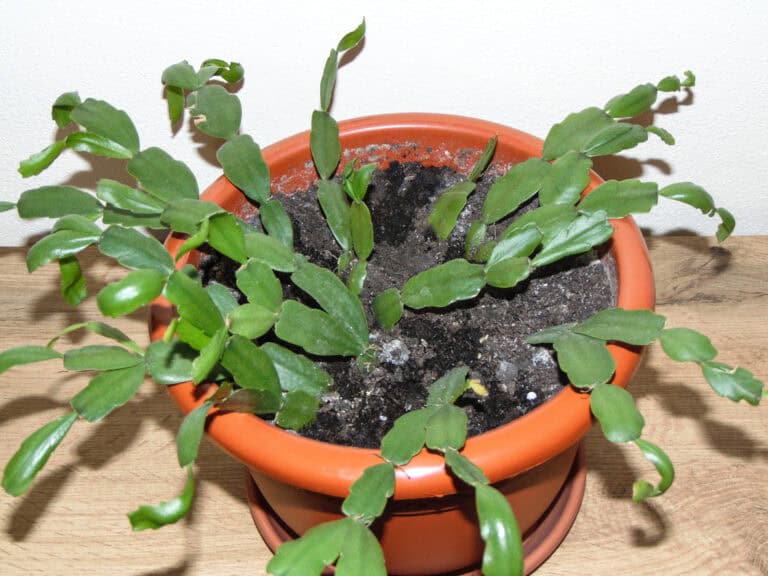
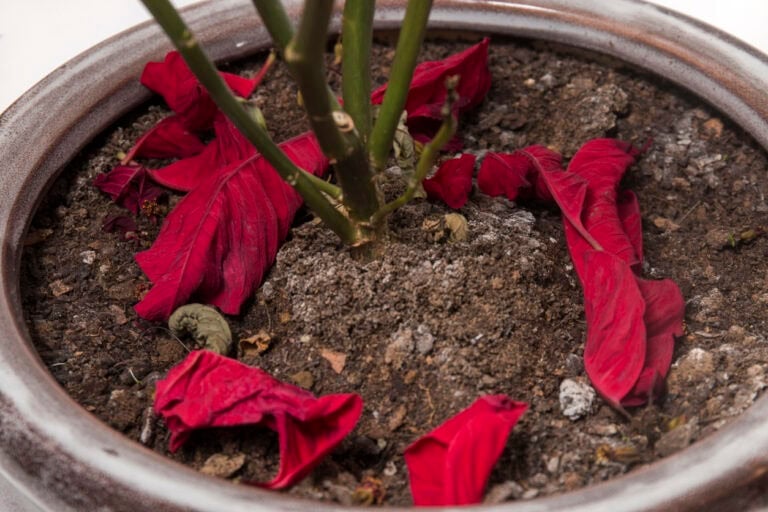
Plants are tough, but winter is the ultimate martini: cold and dry. Just like you would not send a party guest home thirsty, do not deny your plants one final drink before the freeze.
In the case of Flora vs. Winter, we’re talking about H₂O, not C₂H₅OH (a.k.a. alcohol). The latter one is for you after a gardening job well done.
The “Thermal Mass” Issue
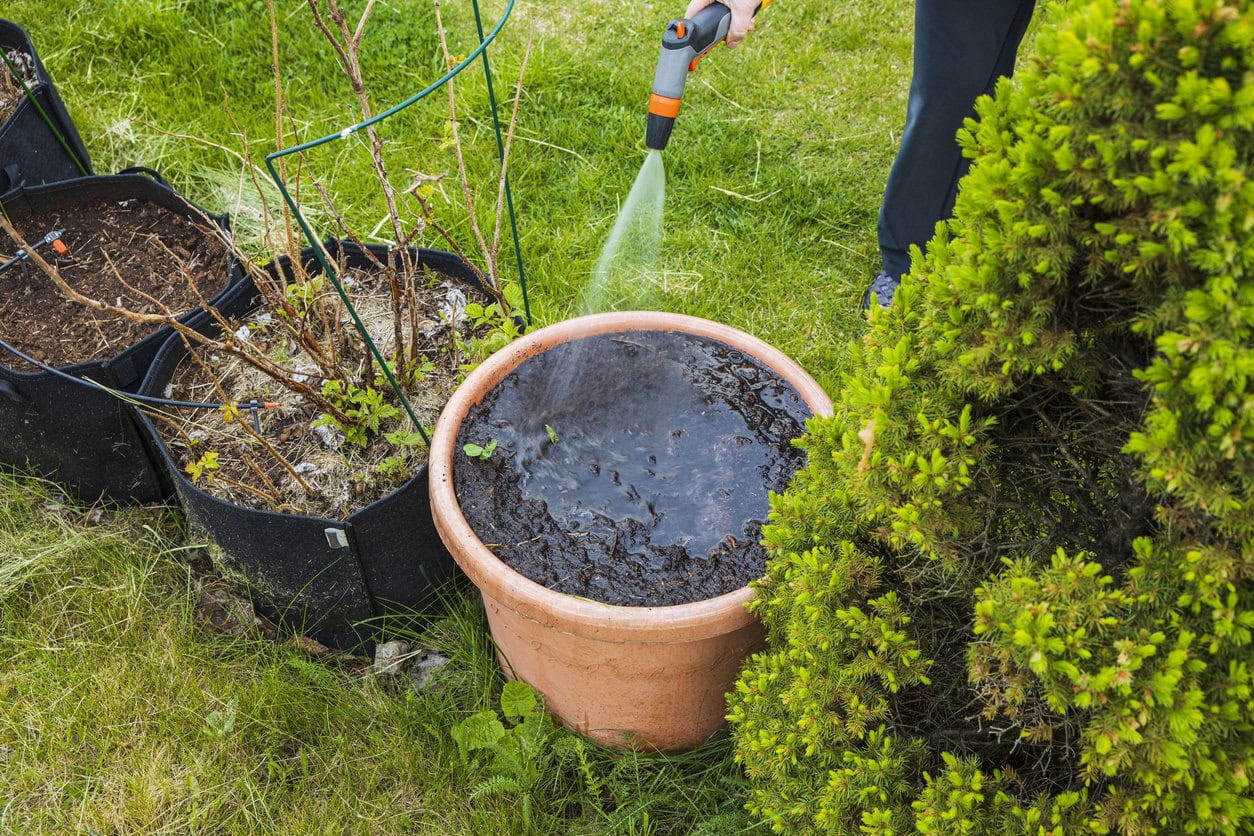
When a deep freeze approaches, plants’ greatest enemy is not the temperature itself, but the lack of readily available water. Water holds heat better than air, creating a thermal mass for the root systems.
But do all plants need water before winter? That is a question which, in the true spirit of gardening, begins with ‘It depends.’ And the dry answer is no. A slightly longer answer is:
This is mostly for gardeners in USDA zones 3-8, where the soil freezes hard and winter dryness becomes a real problem.
And when I say “water,” I don’t mean a polite sip. Give the plant a slow soak until the soil is moist 6-8 inches deep, that’s the kind of drink that actually protects roots when the freeze hits!
Mulch is another big helper in winter prep, but not every plant wants a cozy blanket. If you want to here’s a helpful list to double-check which ones to mulch and which ones to skip.
The Thirsty Nine
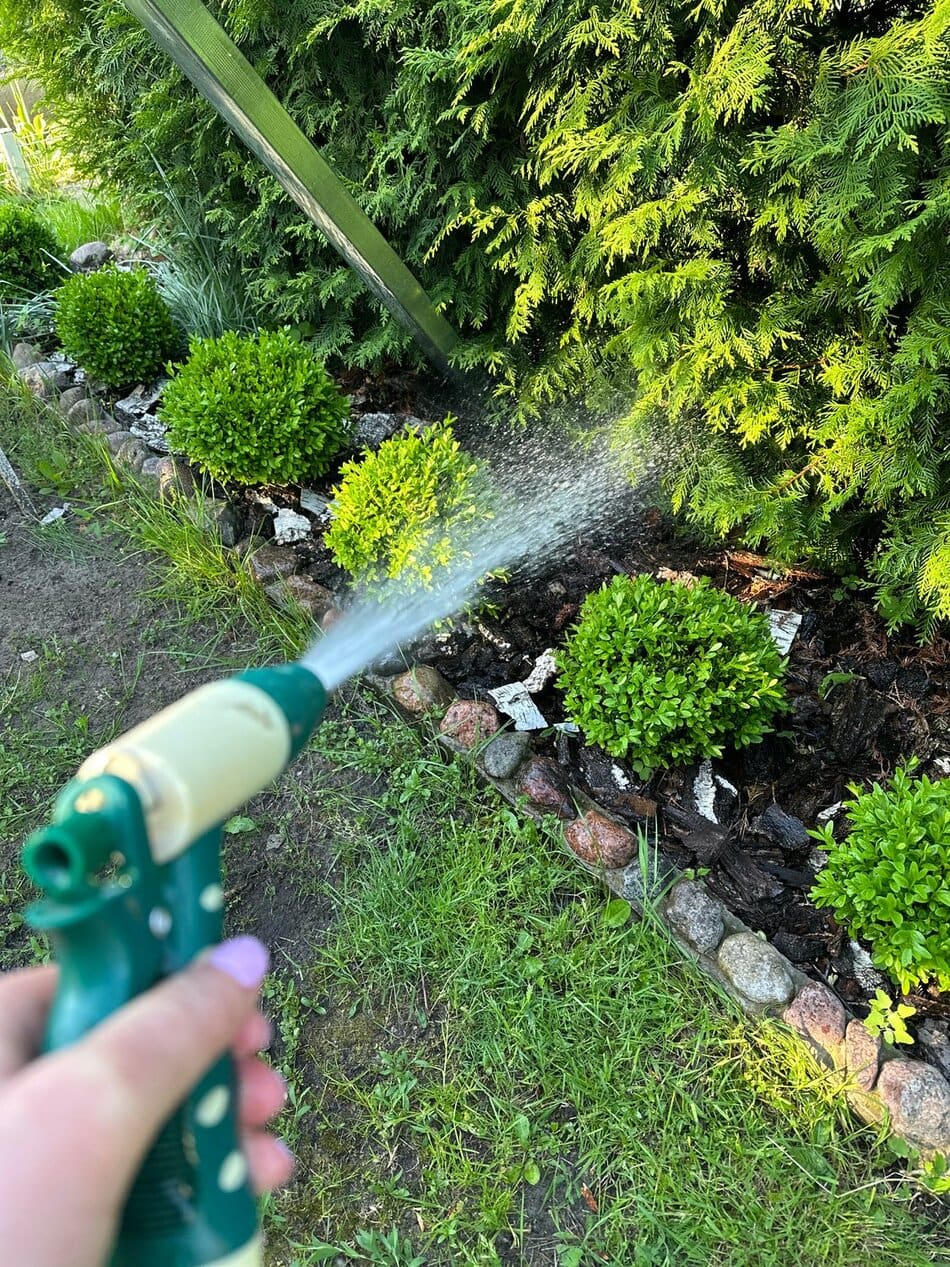
Before your garden locks up tighter than a corporate NDA, ensure these nine customers get their very necessary pre-winter hydration station.
1. Evergreens With Broad Leaves

Think rhododendrons, hollies, and other drama queens that keep their leaves through winter. They treat their leaves like permanent accessories, a terrible choice because they transpire water all the time, cold or not.
Since the icy ground prevents their poor, frozen roots from performing their one job, the plant effectively dries itself out. This leads directly to the unsightly mess we call winter burn. Allow the root system a substantial drink now to cover the plants’ questionable decisions.
Quick tip: If the soil is bone-dry and the leaves look curled or leathery, it’s already thirsty. Water before the freeze, it won’t bounce back otherwise!
2. Evergreens With Needles

Junipers, arborvitae, and all their pointy cousins fall into this category. Stoic types are secretly susceptible to moisture sponges, like wind, which is their cruelest arch-nemesis, sucking life right out of (thousands of) needles.
Frozen ground stops the water supply dead, so consequent saturation becomes necessary to avoid that depressing khaki color by March.
Deep watering provides crucial insulation and ensures roots have reserves to fight evaporation. If you skip this step, don’t pine over your mistakes come spring.
3. Anything Planted This Season

If you planted it in the last few months, tree, shrub, perennial, doesn’t matter, it counts. Novices wing it with baby root systems as they entirely lack the deep infrastructure necessary for survival.
New plants are the new money of the garden, and lack the established network of old neighbors.
Shallow roots freeze fastest and hardest, which makes these plants most vulnerable, so a generous ‘welcome to the hood’ gulp sees newbies through their first frosty semester. Unless they get a lavish drink now, their future looks highly liquid-ated.
Quick tip: I always water new plants twice before the freeze: once deeply, then again two days later so the soil is fully saturated.
4. Perennials with Shallow Roots

Heuchera is the poster child here, and even tough sedums can get tossed around when freshly planted. They literally live life on the edge.
With roots so close to the surface, it’s small wonder they freeze solid at the first opportunity. Dry topsoil freezes immediately and causes frost heave, a phenomenon that pushes the plant right out of the ground.
Water possesses high specific heat, giving crucial thermal insulation. Give them what-er they need, or the ground will literally give them the boot.
If you’ve got perennials that never quite bounce back in spring, this might help, these are the most common mistakes that keep them from returning stronger each year.
5. Boxwood Hedges

All boxwoods qualify, from fancy English types to the basic ‘Green Mountain’ you see everywhere.
They are formal, but surprisingly dramatic plants that suffer terrible winter burn often display patchy, unhappy orange. Dense, year-round foliage compounds natural thirst, so the pre-freeze soak is highly recommended.
Chill arrives soon, so treat boxwood hedges to a slow but deep watering. Hedges will slurp it up like a toddler mom’s glass of red. Hydration is the most important defense; otherwise, they’ll look totally boxed out of the spring garden lineup.
Quick tip: If your boxwoods turn orange on the south-facing side every winter, it’s almost always drought combined with sunburn! Watering and burlap usually fixes it!
And if your shrubs took a beating last winter, you might also want take a look at which shrubs to wrap or protect before winter, it makes a massive difference in exposed spots.
6. Climbing Vines

Clematis is the sensitive artist, but even honeysuckle and other climbers appreciate a hydrated base before winter.
Vines reach high, pursue vertical ambition, and place large amounts of foliage up where they’re hit by a cruel air-dryer. Wind wicks away water with brutal efficiency because roots are the only hydration source.
If the soil at the base is dry, the winter wind will easily turn your graceful climber into a tragically desiccated stick figure.
7. Roses

Hybrid teas, shrubs, climbers… If it’s a rose, give it water. They demand a final, deep water not just for survival, but for proper preparation. Hydration helps the plant “harden off” correctly, and transition smoothly into true dormancy.
Well-hydrated cane tissue does not split and shatter easily under cold stress. Fail to deliver this final drink, and your royal subjects will give you a thorny review next season.
If you want to go the extra mile, here’s our full winter routine for roses: mulching, pruning, and protecting them before the real cold hits.
8. Young Fruit Trees and Berries
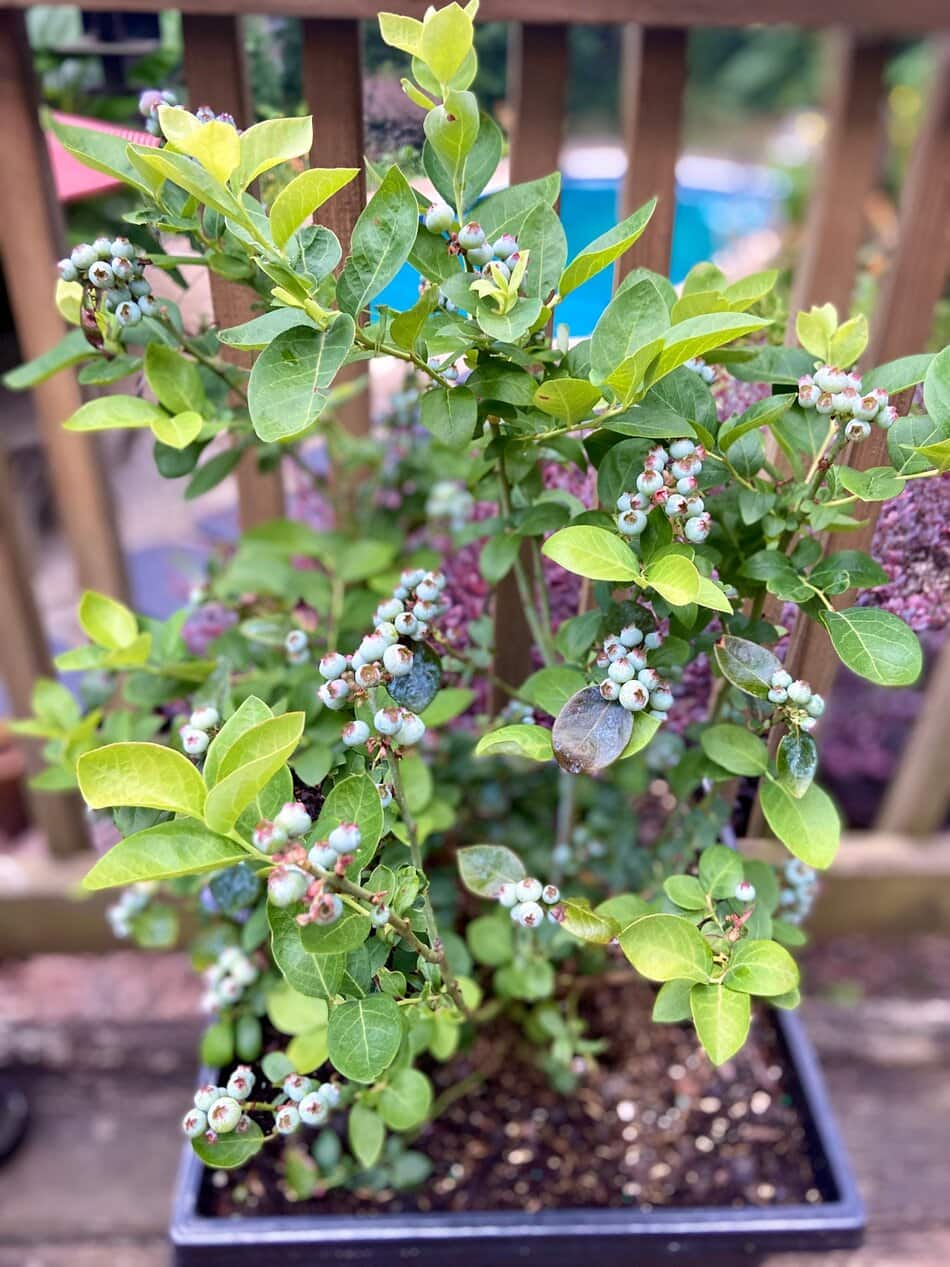
Baby apples, peaches, blueberries, raspberries… any young producer needs that last drink. Water is essential because these producers store energy for next year’s delicious harvest!
Protect specific roots, because they hold reserves for flower buds that become your fruit.
Water acts as thermal mass, keeping soil warmer and minimizing root freeze. Dehydrated root system yields subpar buds and thus fewer small crops. Protecting the roots ensures a good fruit ‘set.’ Don’t make a terrible yield a sure thing; water them!
9. The Name Says It All: Hydrangea

Its need is utterly self-explanatory, as its name literally means water. Do not argue with semantics. Despite shedding large leaves, hydrangeas have surprisingly “thick” fibrous root systems that love a deep drink anyway. Thick with two C’s, as the kids say!
Ample moisture now stored in the root zone will prevent damage to overwintering flower buds inside the stems, especially on bigleaf and mountain hydrangeas that bloom on old wood.
Do not disappoint a plant whose entire identity derives from its favorite beverage!
Quick tip: If your hydrangeas dropped buds last year, check moisture. Dry soil before winter is the one of the main reasons old-wood buds die!
And if you’re thinking about moving or transplanting any perennials before winter, here’s a quick guide to which ones handle the move best!
Water: The Ultimate Hedge Fund
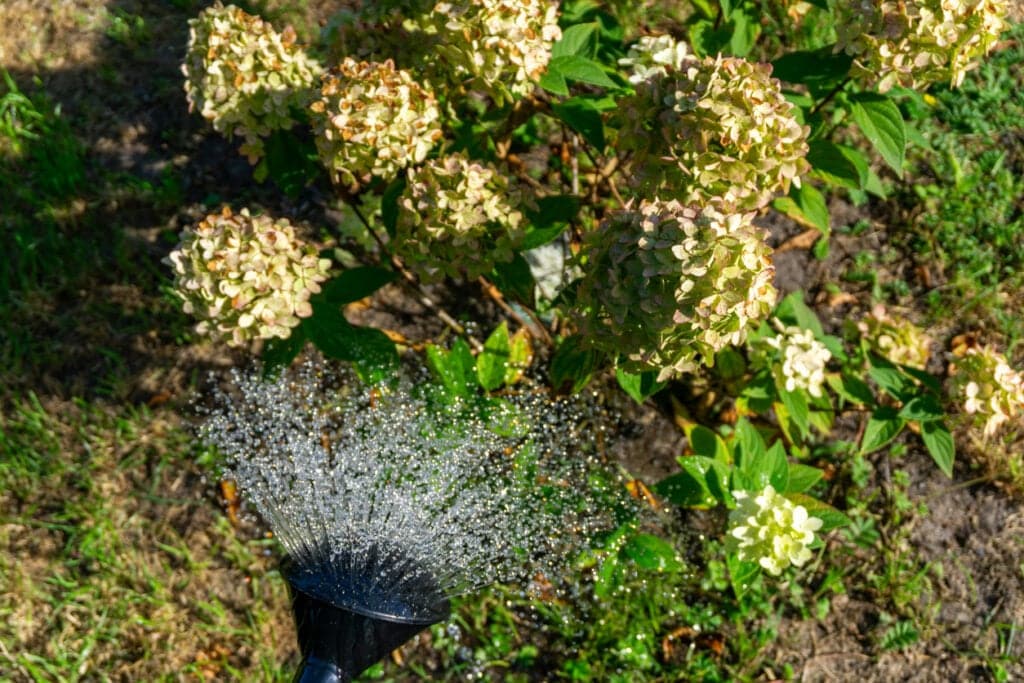
Every plant on that list is high-profile, and high-profile means high-maintenance. You invested time, money, and emotional energy into your garden, so don’t let it look totally liquidated by spring with foolish risk management.
You must water those root zones at a hydrate so they survive the freeze. So go grab the hose and secure the ROI in spring!