Admit it. You want a yard that looks like a magazine cover, but you also have a life. Or you’re trying to get one. What’s stopping you? Probably your lack of boundaries, and I mean the garden kind.
Skip a couple of overpriced lattes with boring people, and you’ve saved enough money to start turning your flower beds into something more civilized but low-maintenance, and much less embarrassing from the sidewalk.
1. Shredded Bark Mulch
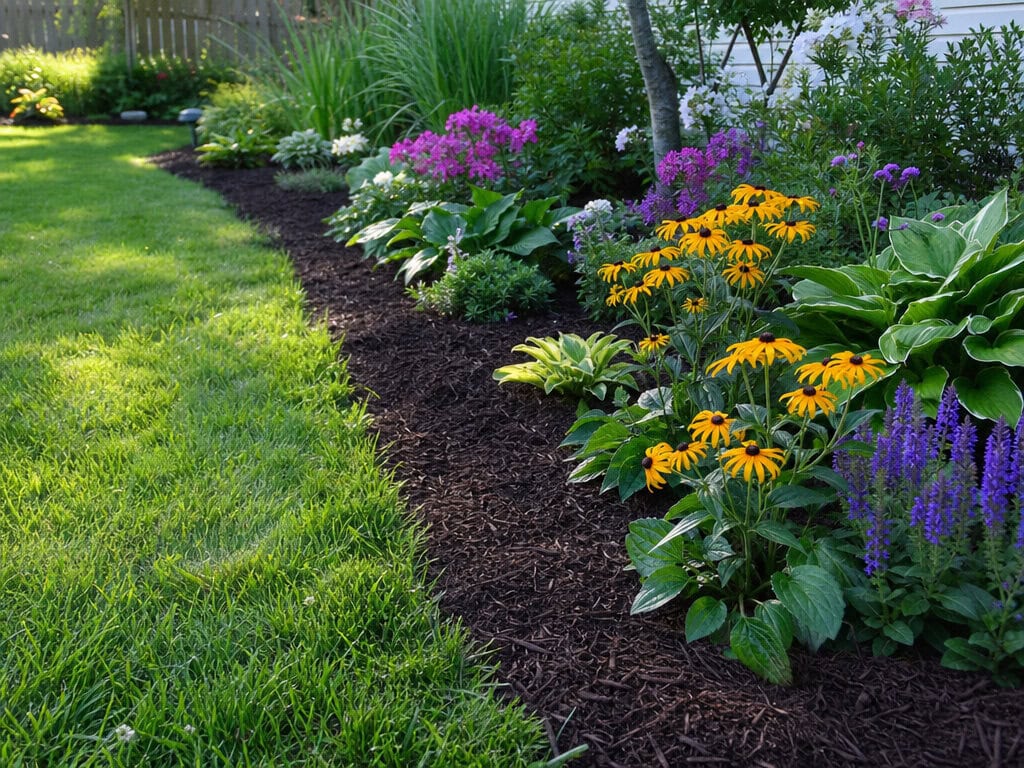
At around fifty cents a linear foot, depending on whether you buy bagged or bulk, it’s one of the cheapest ways to fake control.
Spread it at least six to eight inches wide because anything thinner just looks like a cocoa powder spill. Keep it about two to three inches deep, though, unless you’re trying to smother the plants too.
The beauty of shredded bark is that the fibers knit together, so it stays put better than those decorative nuggets that float away like your weekend plans. You just dump it, rake it, pull it back from stems and walk away feeling like a hero while it silently breaks down into the soil.
If you’re trying to figure out how much to buy without standing in the garden center doing mulch math, we explain it in our guide on how many bags of mulch you really need for a yard.
2. Wood Chips
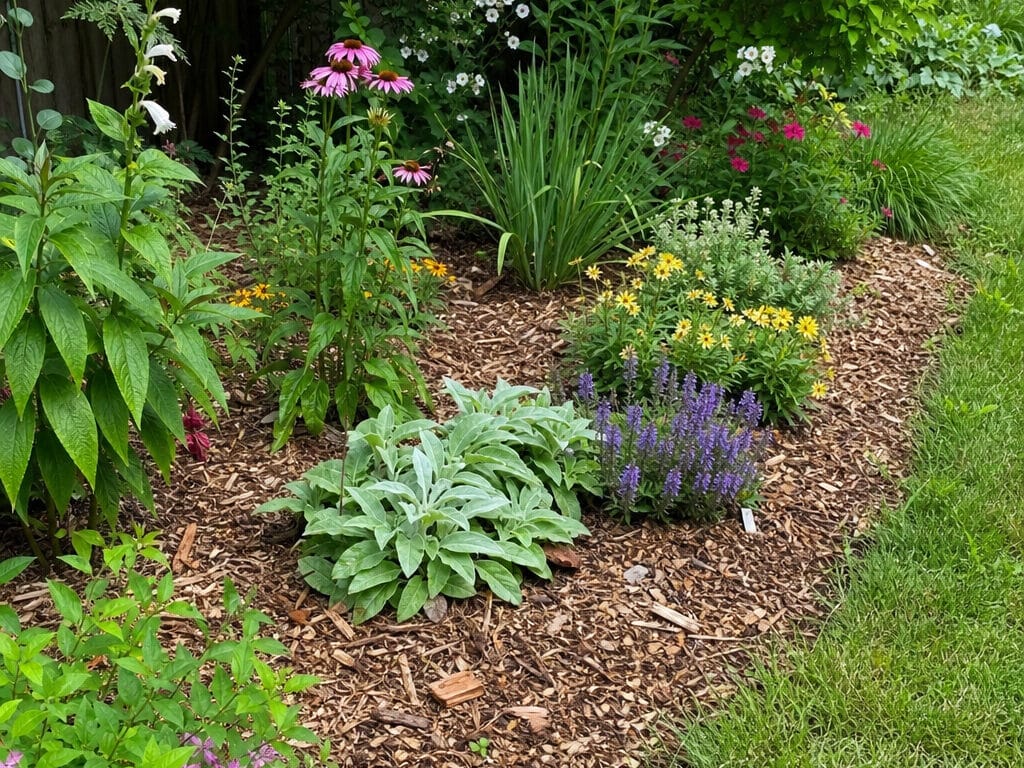
If bark feels too polished, wood chips are the budget-friendly option for people who value their bank account over perfect garden beds. At twenty cents a foot, it’s practically free.
Make the border look intentional and aim for about eight inches wide, with the chips two to three inches deep. They’re chunkier and less refined, which is perfect for that rustic look that says you’re laid back, not lazy.
Installation around your shrubs and perennials is a breeze since you’re essentially just tossing wood at a weed problem until it becomes much less annoying. But keep an eye on it, chips don’t knit together like shredded bark, so they might wander if your yard has a steep personality.
3. River Rocks
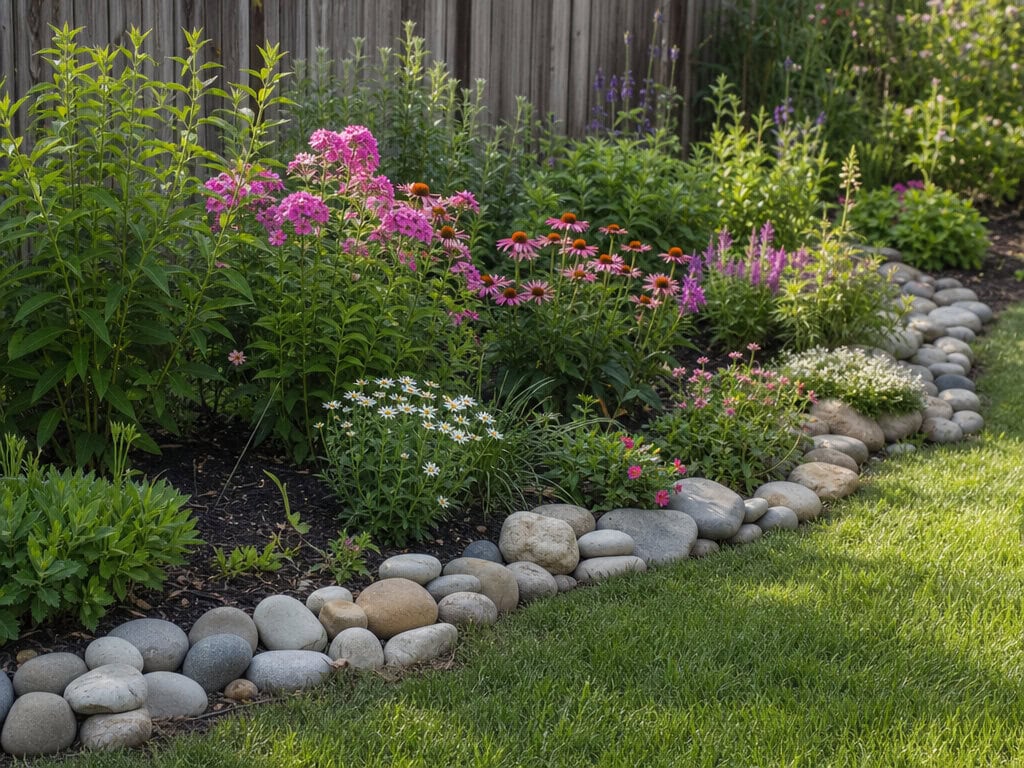
This is where you start spending that “boring people” money, reaching up to six dollars a foot, but it can be a long-term investment in your sanity.
You’ll want a buffer zone of at least ten inches wide because rocks need mass to look authoritative. They’re heavy, long-lasting, and they help keep mulch from abandoning ship.
Lay permeable landscape fabric underneath, or prepare for the joyless little hobby of plucking weeds from between rocks forever.
4. Pea Gravel
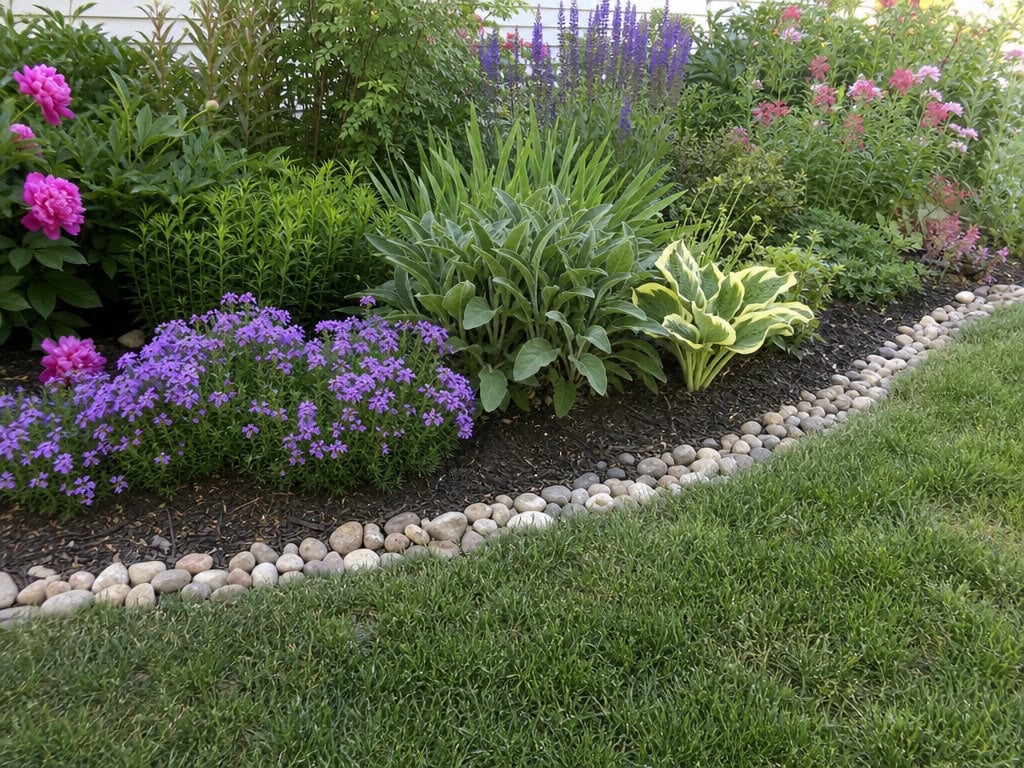
At roughly three dollars a linear foot, it’s a mid-tier splurge that can also work for pathways if you like your garden to sound fancy.
There’s a specific, expensive-sounding crunch that happens when you walk past a six-inch border of these smooth little stones.
Install a solid plastic or metal barrier first, lay landscape fabric if you want extra weed help, then spread the pea gravel about two inches deep. Otherwise, you’re just making a pricey gravel-flavored mud pie.
5. Brick Edging
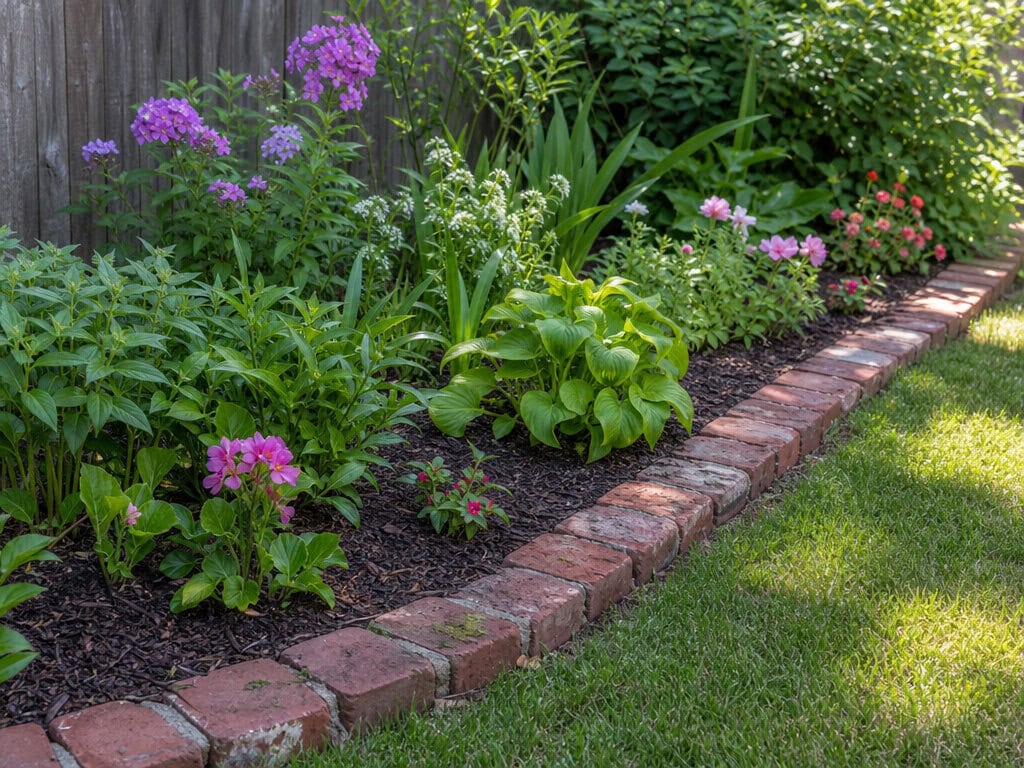
It’ll cost you about four bucks a foot for the materials, but the return on investment is measured in the hours of your life you get back every Saturday.
By laying bricks flat, level and flush with the soil, creating a path about four to eight inches wide, you’ve essentially built a private highway for your lawnmower’s wheels.
This mowing strip lets you cruise right over the edge of your planting area and cut most of that annoying border grass without constantly reaching for the hand shears.
If you want more ways to make brick look intentional instead of “leftover pile behind the shed,” we wrote a full guide on DIY brick edging ideas for flower beds.
6. Natural Stone
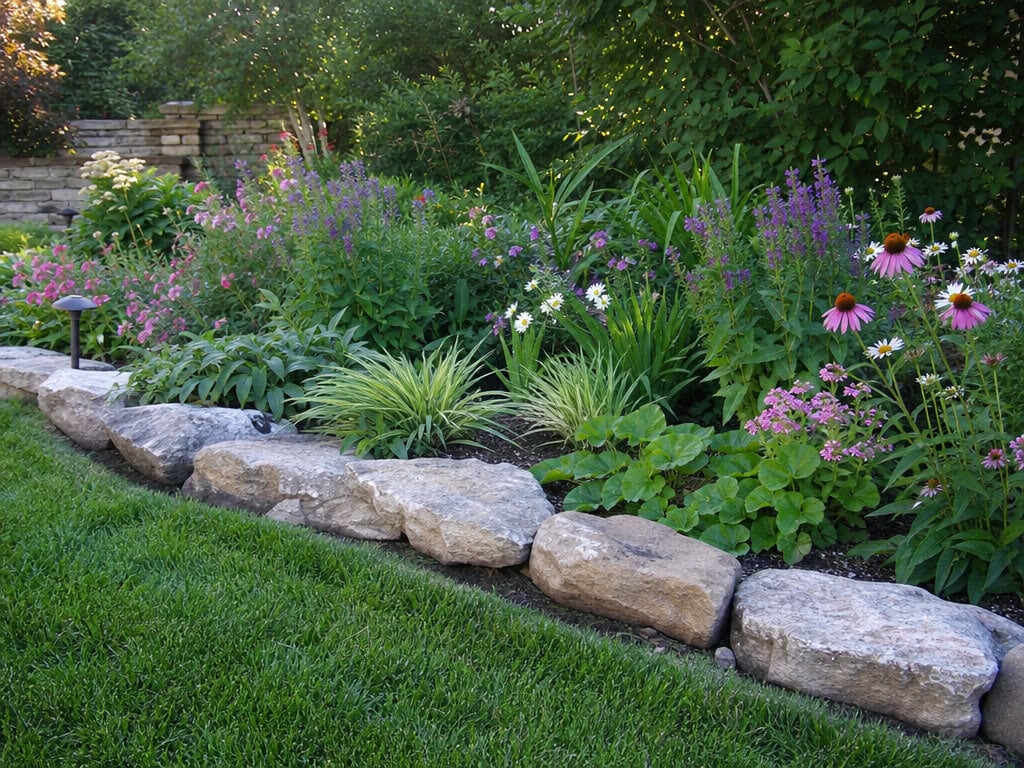
Cost-wise, we’re talking anywhere from five to twenty-five dollars a linear foot depending on how much cottage vibe you want your edging to have. But once it’s in, it’s in for good.
A width of at least four to six inches of chunky, irregular stone gives the border enough visual weight and enough physical gravity to stay put.
It doesn’t rot, it doesn’t rust, and it gains a beautiful patina over time that makes you look like you’ve inherited a rustic estate rather than just bought a suburban fixer-upper.
7. Metal Edging
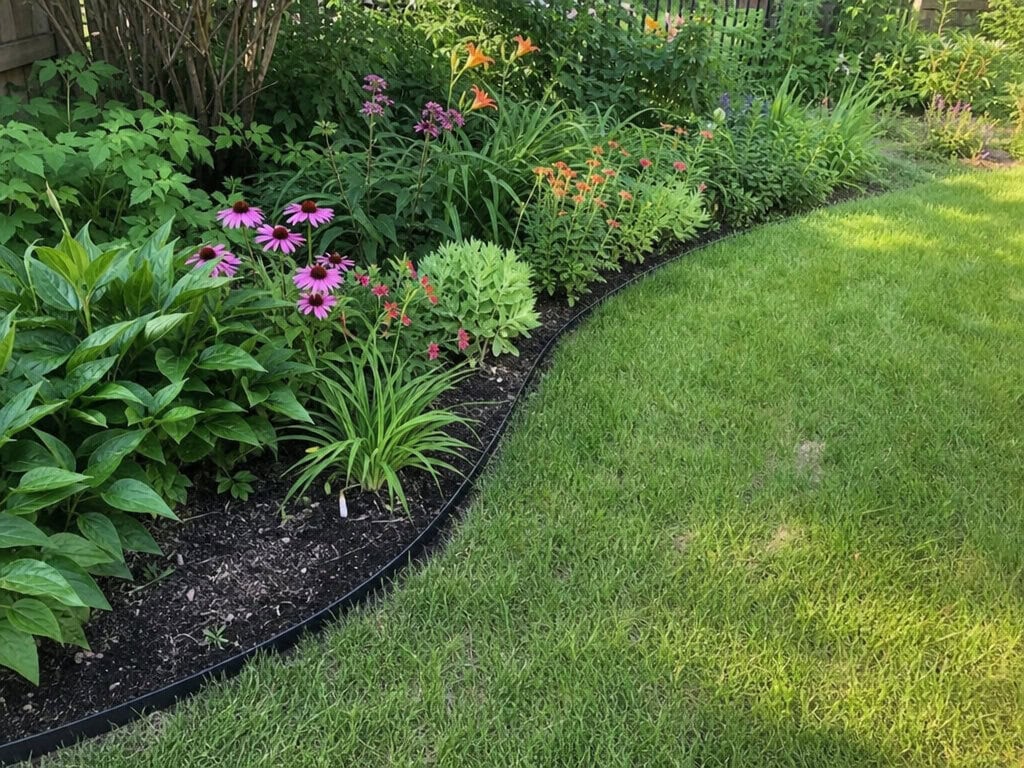
Metal edging is thin, modern, and incredibly effective as a no-fly zone for grass roots. At about five dollars a foot, you’re paying for cold precision.
It’s meant to be nearly invisible, so install it with just a small lip peeking above the surface. It doesn’t provide much of a buffer for your mower, but it creates a line so sharp you could practically shave with it.
It’s the ultimate choice for keeping grass from creeping into your petunias with the kind of cold efficiency usually reserved for corporate mergers.
And if you want the plants inside that razor-sharp line to behave too, we also have a guide on low-mess flowers that keep borders looking neat.
8. Concrete Pavers
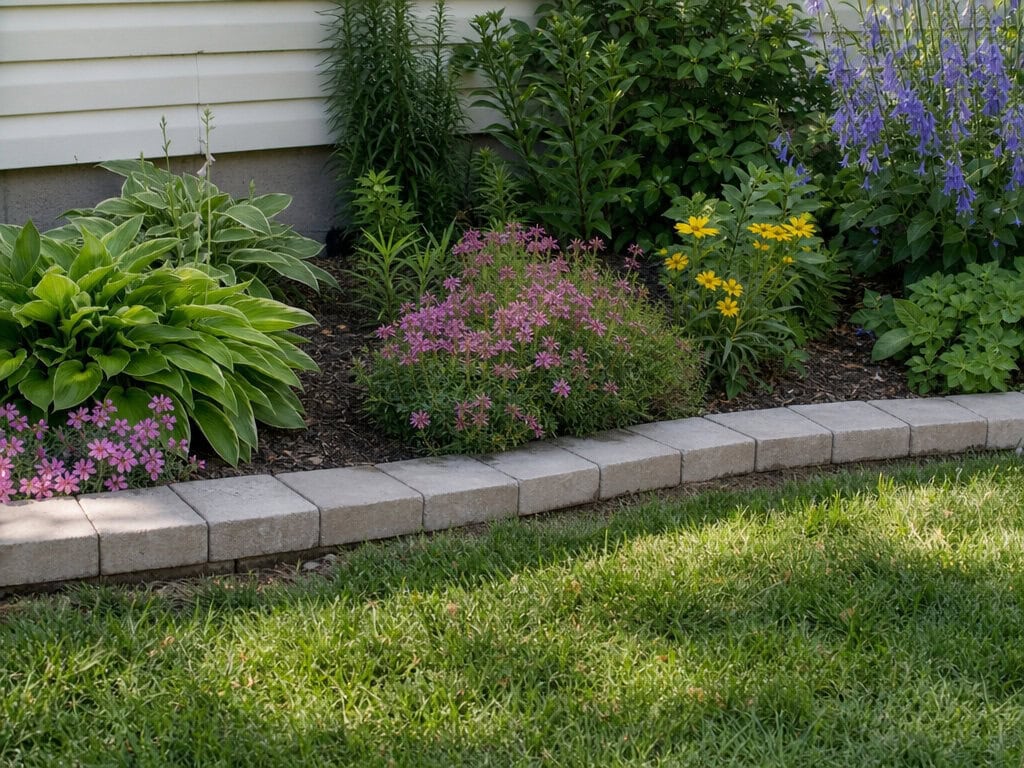
Concrete pavers are essentially Legos for adults who like order and gently curved lines. They’re durable and, at roughly three dollars a foot, they won’t break the bank.
You want a width of at least four to six inches to give the border some visual weight. The beauty here is the predictability. Set them on a firm, level base, and they won’t shift around like mulch or crumble like cheap wood.
They provide a solid, heavy boundary that handles the weight of a mower with ease and stays exactly where you put it.
Once the edge is handled, fill the bed with plants that won’t punish you for having a life, like the ones we covered in our guide to easy-care plants for garden borders.
9. Rubber Edging
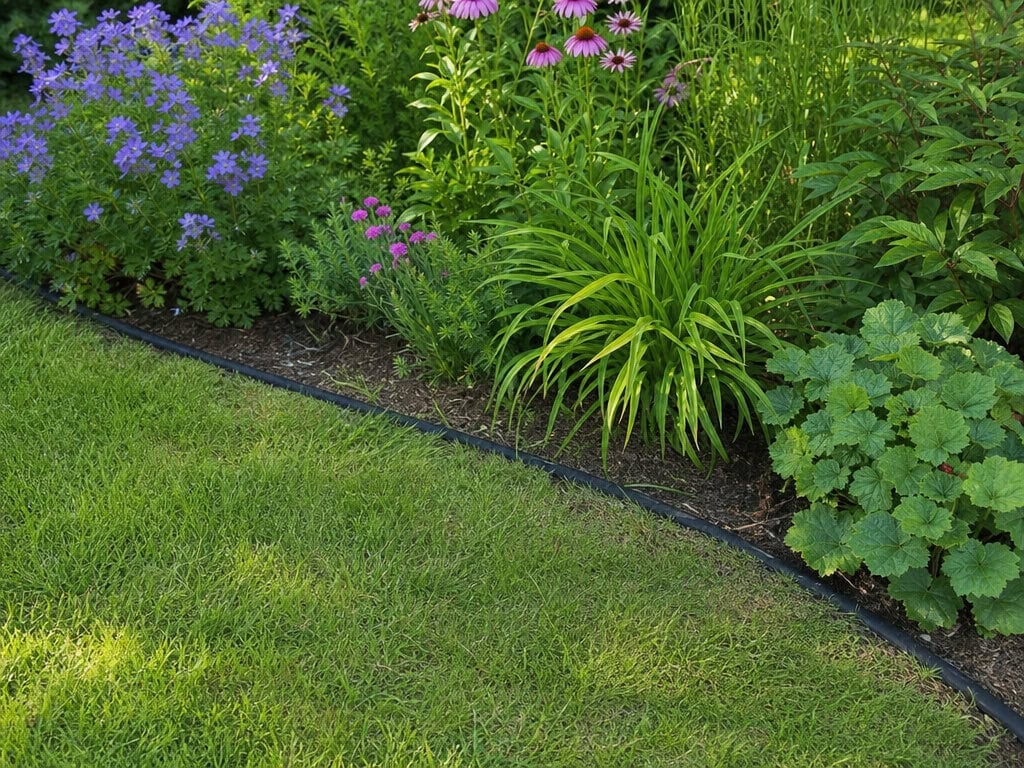
At about two dollars a foot, it’s a budget-friendly way to get a clean line without the masonry headache.
If your flower beds have more curves than a mountain road, rubber edging is your shortcut. Often made from recycled rubber, this stuff is pliable enough to handle the tight turns that would leave stone or brick looking jagged.
It’s usually about two or three inches wide, giving you a decent barrier against grass without looking like a backyard safety bumper.
Sow Long, Farewell
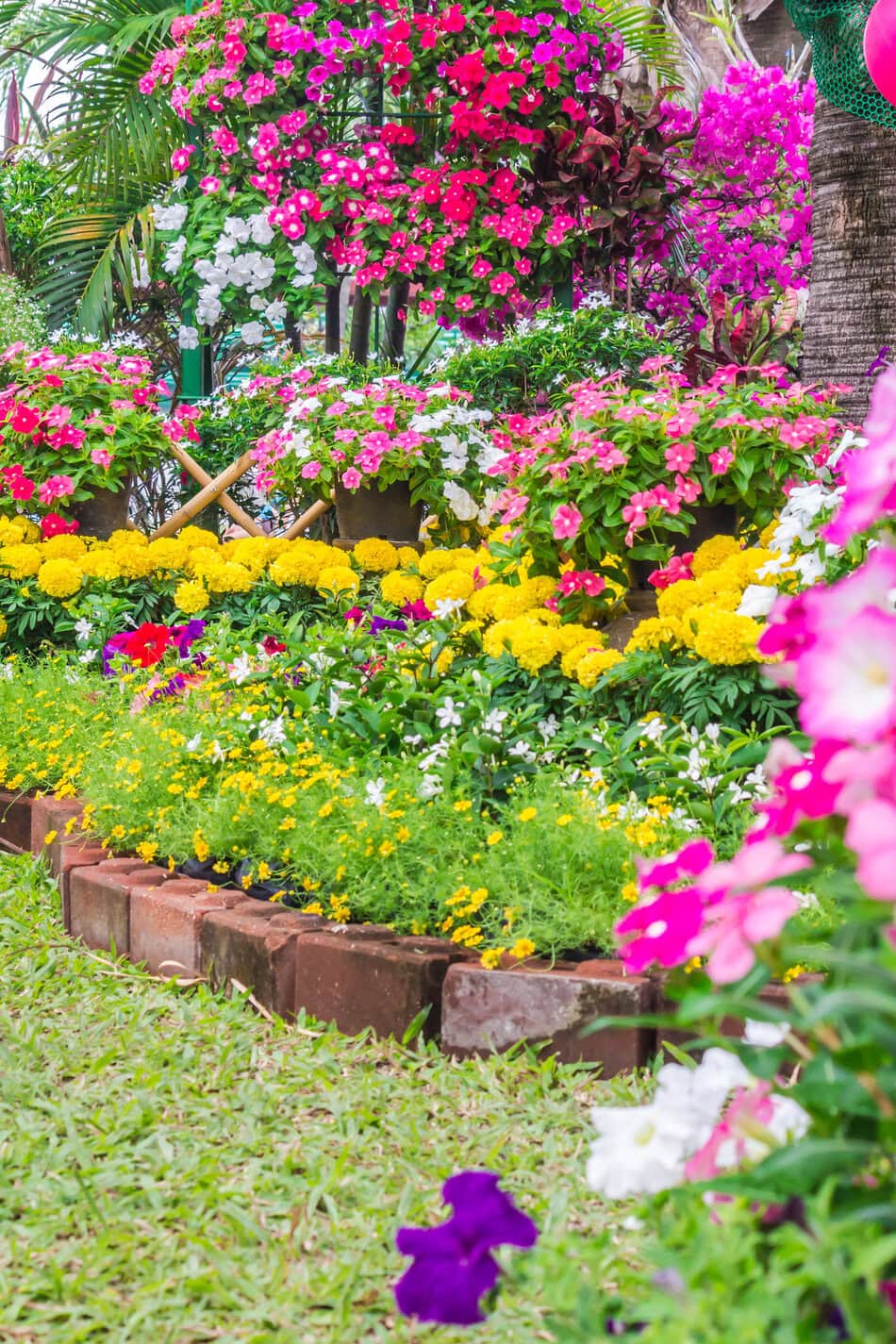
Why pretend you enjoy hand-trimming edges with tiny scissors? It’s weird. Instead, install a long and lovely border with minimal effort, maximum wow factor, and zero excuses for a messy flower bed.
If you want the border to look good after the edging is done, we also explain how to choose plants for garden borders with color, shape, and year-round interest.