
Snake plants (Dracaena trifasciata, formerly Sansevieria trifasciata) are famous for putting up with a lot. Low light? Fine. Forgot to water for a while? They’ll probably forgive you. Ignore one in a corner? Somehow, it’s still alive and judging you.
But surviving and actively growing are two different things. If you want yours to start producing pups, “still alive” isn’t really the goal.
You want a plant that’s actually happy and growing. And let me tell you right away, there’s no secret trick that makes pups appear overnight. No root torture, no fertilizer overdose, no plant voodoo.
But there are a few simple things I do that give mine the best chance of getting busy underground.
What Are Snake Plant Pups?
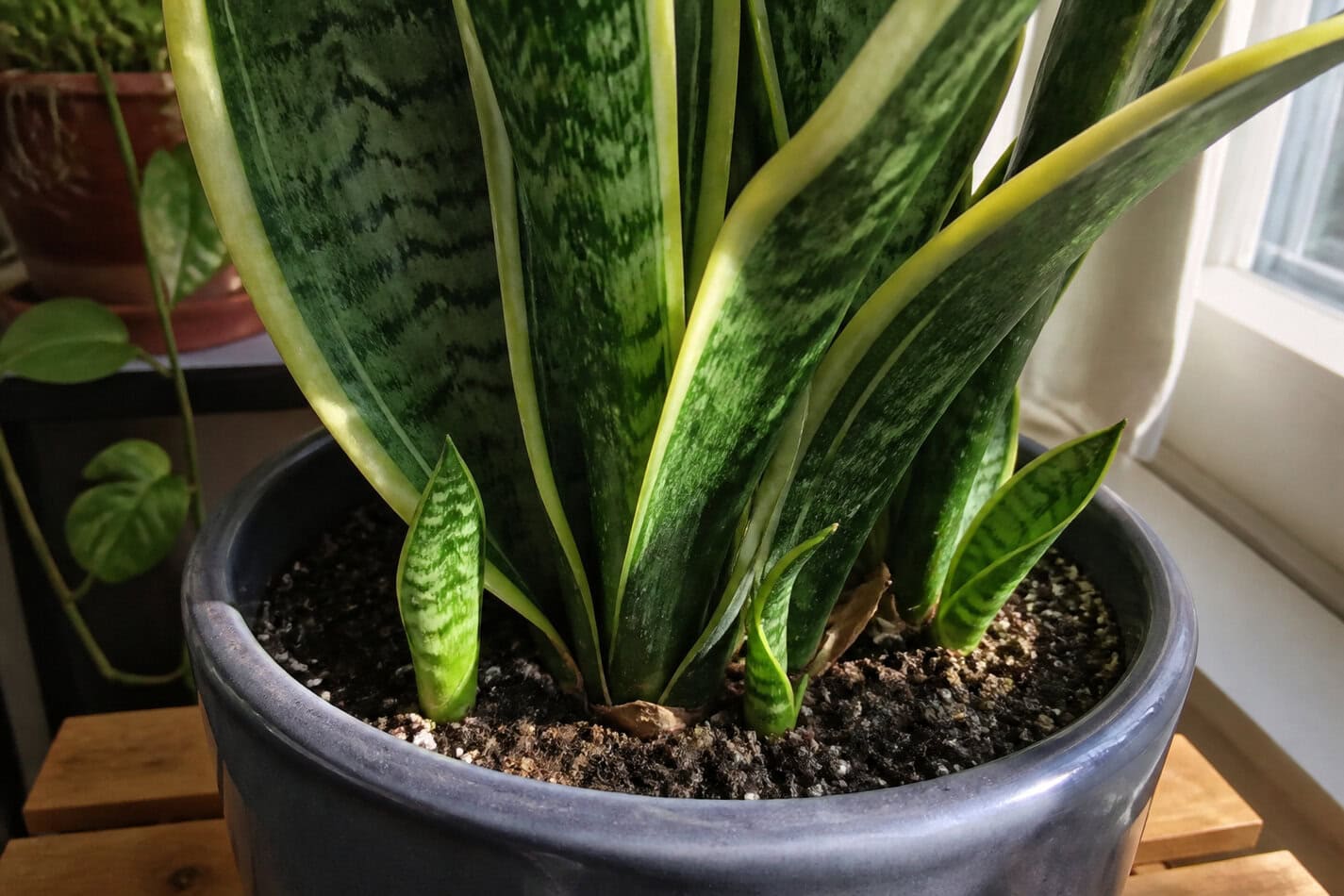
Before we go any further, what exactly are these “pups” we’re trying so hard to get? They are the little shoots that pop up from the soil next to the mother plant, usually when you weren’t even looking.
Under the soil, snake plants grow thick horizontal stems called rhizomes. New shoots grow from those rhizomes and eventually push their way above the soil.
And there you have it: a tiny copy of the mother plant! One minute you have one snake plant, and the next it’s quietly starting a family.
Can You Really “Force” a Snake Plant to Produce Pups?

Not exactly. I wish there were a button on the pot labeled MAKE PUPS NOW, but unfortunately, snake plants didn’t come with one.
What I can do is give mine the conditions that keep it healthy and actively growing. When the plant is happy and putting on growth, those underground rhizomes can keep spreading and eventually send up new pups.
I focus on four things: light, watering, feeding, and healthy roots. Nothing dramatic, no weird stress tricks, and definitely no begging the plant to cooperate.
Tip 1: Give Your Snake Plant Enough Light

I know, I know… Light. Boring. Boo. But out of all the tips I’m about to give you, this is probably the most important one.
When one of my snake plants seems to be doing absolutely nothing, light is the first thing I check. They tolerate low light, but that doesn’t mean they grow their best in it.
When I want mine to put out new growth, I give it about six hours of bright, indirect light each day. But don’t sit there with a stopwatch counting hours, just make sure it’s in a genuinely bright spot.
If “bright, indirect light” sounds like one of those annoyingly vague plant-care phrases, think of it this way: the room should feel bright during the day, but the leaves shouldn’t be roasting in harsh sun for hours.
Quick note: A little direct sun is not going to make your snake plant burst into flames. But don’t take one that’s been living in a dark corner for months and suddenly throw it into blazing afternoon sun. Ease it into brighter light gradually and give it time to adjust.
And if you’re hoping for flowers as well as pups, we wrote a full guide on how to get a snake plant to flower indoors.
Tip 2: Get the Watering Right
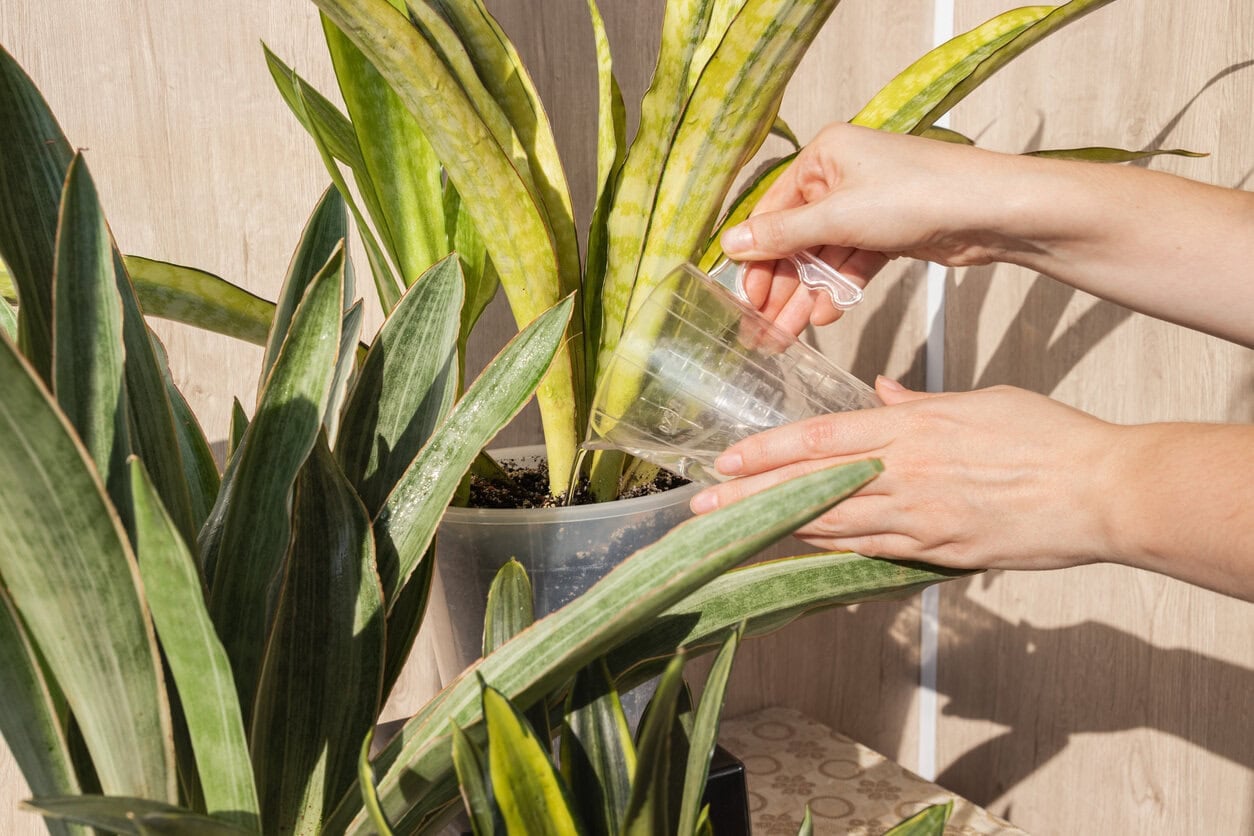
Now, I know what you’re thinking: “Really, Rita? Watering is going to make my snake plant produce pups?” Not directly. But a snake plant with soggy, unhappy roots isn’t exactly in the mood to start a family.
Snake plants are much easier to kill with too much water than too little, so I never water mine on a fixed schedule. Instead, I check the soil by pushing my finger a couple of inches down:
After watering, I empty the saucer so the roots aren’t sitting in leftover water. Then I leave it alone again. Honestly, that’s half the battle.
If you’re new to snake plants, they store water in their thick leaves, so they’re perfectly happy drying out between waterings. Keeping the soil constantly damp, on the other hand, is a very good way to end up with root rot.
Quick tip: If you’re standing there thinking, “Maybe I should water it just in case,” check the soil first. Snake plants are much more forgiving of a little neglect than an enthusiastic surprise drink.
Tip 3: Feed It, but Don’t Go Crazy
And now we get to the part every plant owner loves: fertilizing. But wait… put that fertilizer down! I can already feel you reaching for it.
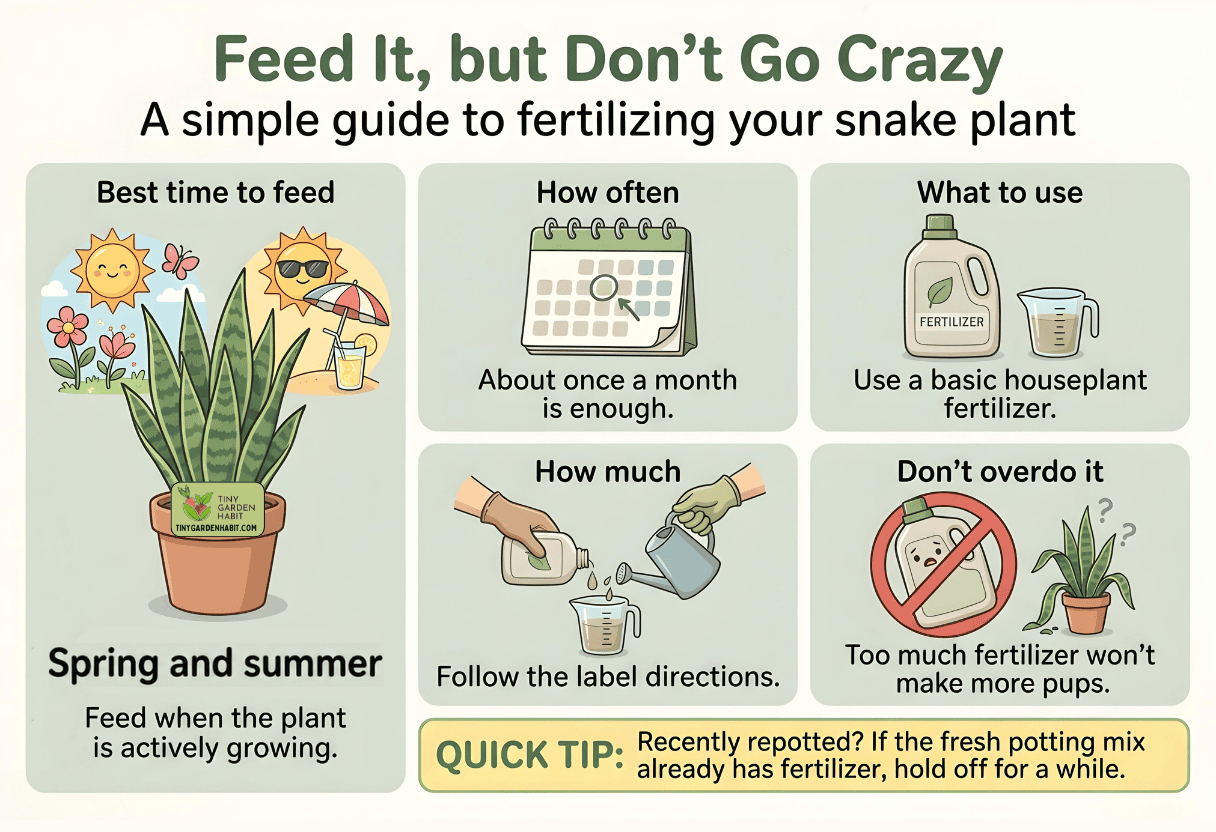
Yes, a little fertilizer can help your snake plant when it’s actively growing, especially if it’s been sitting in the same potting mix for a while. But more fertilizer does not mean more pups. Trust me, you cannot bribe a snake plant into motherhood.
During spring and summer, I feed mine about once a month with a basic houseplant fertilizer, following the label directions. If you don’t know what to get, I’ve used both Miracle-Gro Indoor Plant Food or Espoma Organic Indoor and either one does the job nicely.
Quick tip: If I’ve recently repotted into fresh mix that already contains fertilizer, I hold off on feeding for a while.
If you want to go a little deeper, we wrote a whole guide on how to fertilize snake plants without stressing the roots.
Tip 4: Keep the Pot Snug, Not Ridiculously Tight
Okay, fertilizer crisis avoided. Now let’s talk about the pot, because this is another place where people tend to get a little carried away.
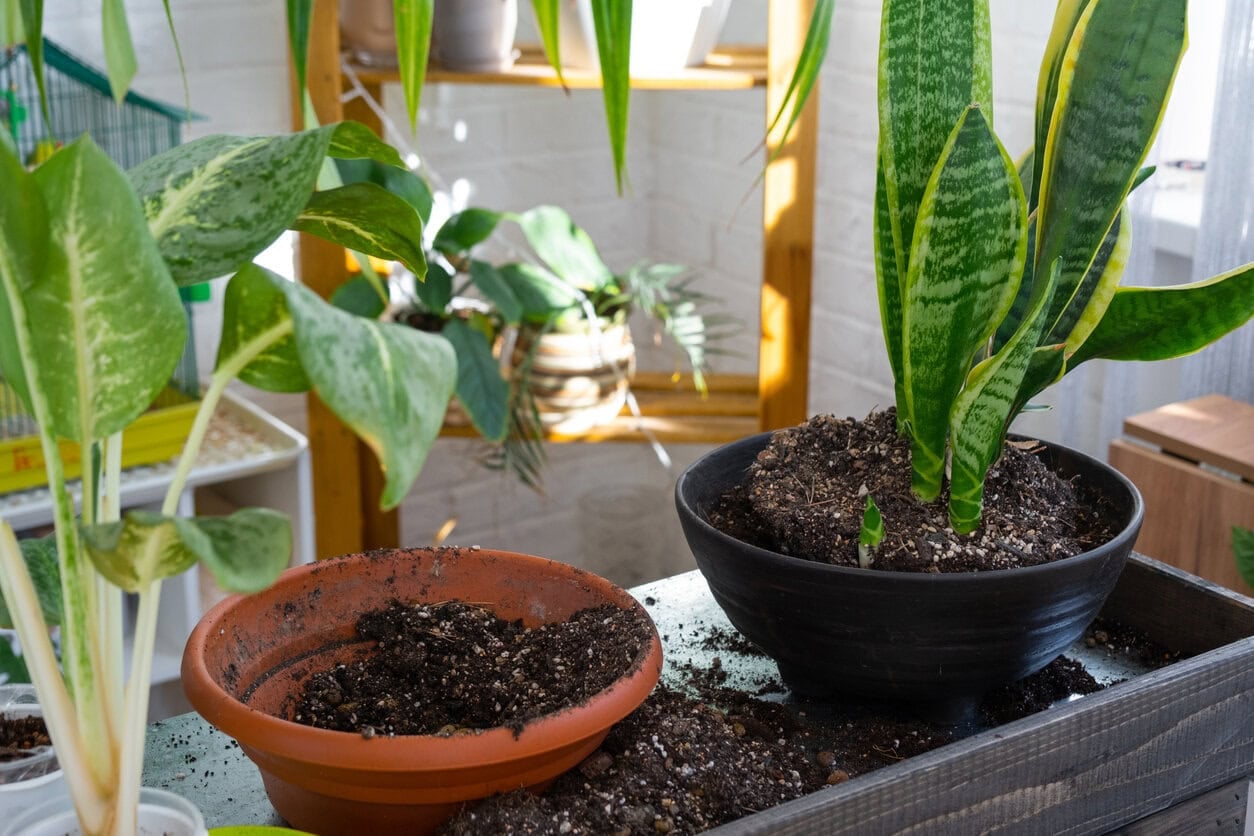
You’ve probably heard that snake plants “like to be rootbound.” They’re definitely happy being a little snug, but that doesn’t mean the roots need to be packed in there like people on a crowded subway.
But how do you know when it actually needs a bigger pot? Look for:
When one of those happens, that my cue to repot. Don’t move it into a huge pot hoping it’ll make more pups. Too much extra soil stays wet longer, which is exactly what a snake plant doesn’t need.
I usually go up just one pot size, about 1-2 inches wider than the current pot.
Quick tip: And whatever pot you choose, make sure it has a drainage hole. That’s one thing I don’t negotiate with snake plants.
Tip 5: Don’t Stress Your Snake Plant on Purpose

You’ll sometimes see advice telling you to let a snake plant get bone-dry, mess with its roots, or otherwise stress it to “force” more pups. I’d leave that advice right where I found it.
Wait… this is actually a tip? YES. Let me put it this way: you know that one coworker who stresses you out so much you want to hide when you see them coming? Congratulations, that’s exactly how your snake plant feels when you keep messing with it!
Snake plants are great at surviving stress, but surviving something and benefiting from it are not the same thing.
If I want more plants quickly, I’ll propagate instead. Otherwise, I give mine what it needs and let it get on with growing.
You may also see people talking about cutting the rhizome. That’s something you do when dividing an established snake plant into separate plants, because the rhizome is what connects them underground. But that’s a propagation method, not a trick for forcing the mother plant to make more pups.
What to Do When Your Snake Plant Finally Produces a Pup
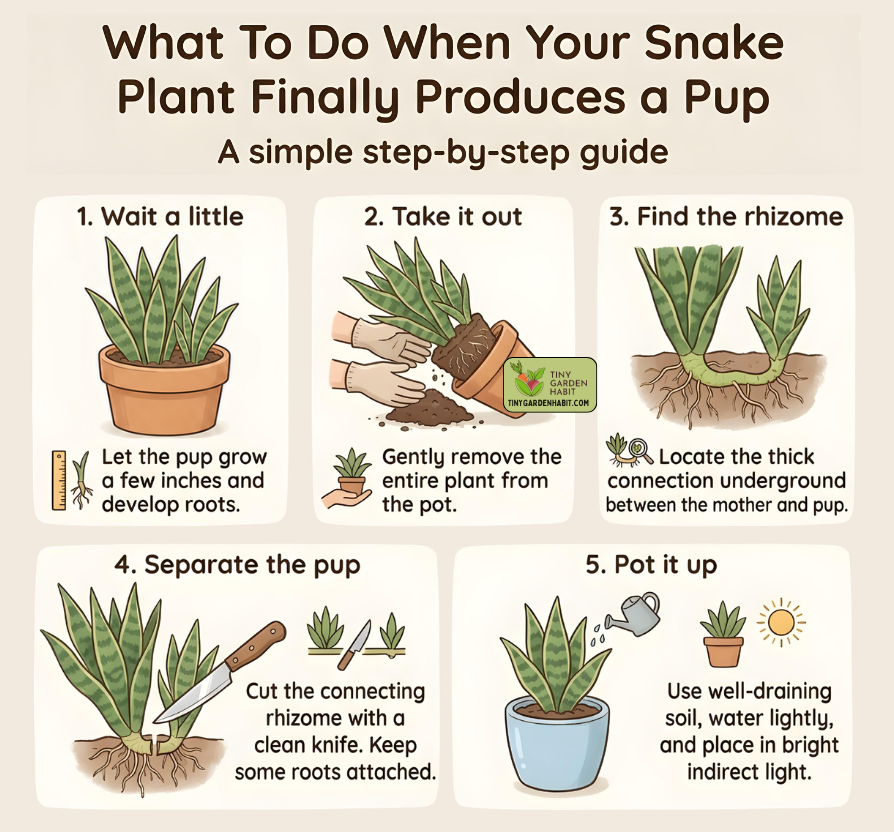
Finally! After all that patience, there it is: a tiny snake plant poking up through the soil.
First, don’t immediately grab a knife! You don’t have to separate the pup at all. I often leave mine attached if I want the pot to look fuller.
But if I do want another plant, I wait until the pup is a few inches tall and has some roots of its own. Then I:
Then I leave it alone and let it settle in. Congratulations, you’ve officially turned one snake plant into two. This is usually the point where I start wondering how many snake plants is too many.
Of course, dividing pups isn’t the only way to make more plants. We wrote a full guide on four ways to propagate snake plants if you want to try another method.
My Snake Plant Still Isn’t Producing Pups
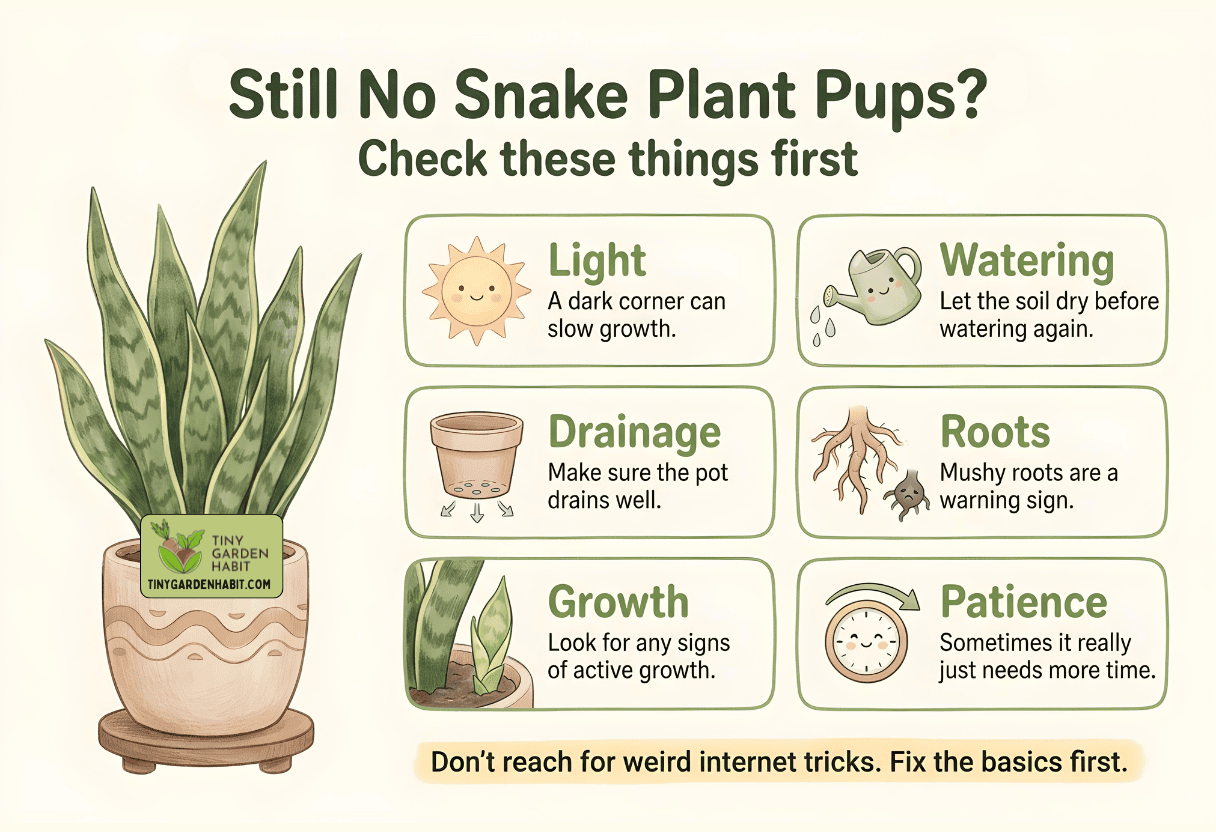
Okay, but what if you’ve done all of this and your snake plant is still just sitting there? Don’t panic and don’t assume you’re doing something wrong.
Snake plants can be slow, and unfortunately, they do not care about our preferred timeline.
When mine refuses to cooperate, I run through a quick checklist:
If something looks off, I fix that first. I’m definitely not reaching for some strange internet trick involving stress, root cutting, or whatever else is supposed to magically produce a pup by Tuesday.
Sometimes, the most annoying answer is also the right one: it just needs more time.
And if yours is also showing you it’s unhappy with curling leaves, we wrote a guide on what causes snake plant leaves to curl and how to fix the problem.
Patience Is Key!
I know getting a snake plant to produce pups can feel complicated when you’re waiting and absolutely nothing seems to be happening. But most of the time, good light, sensible watering, healthy roots, and a little patience are enough.
Give your snake plant what it needs, then let it get on with the underground work. Nature will do the rest


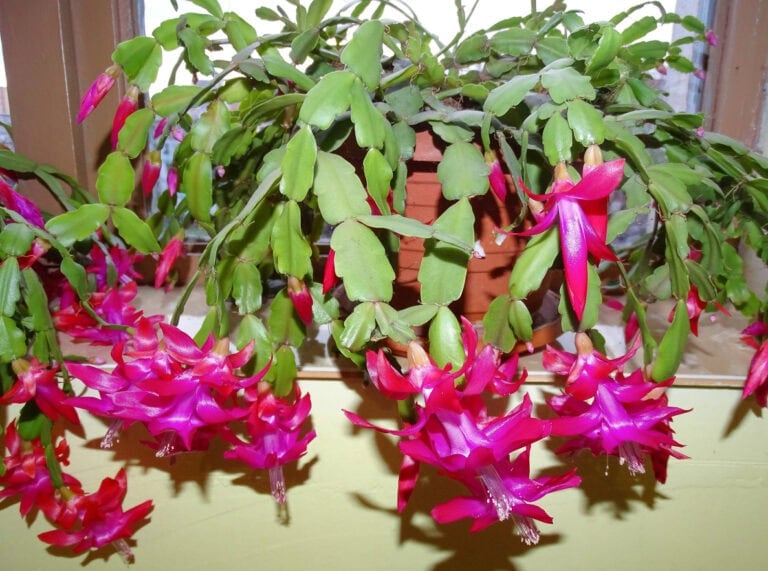


I found my snake plants at trader Joe’s in the floral decoration section. They were in the cut flowers. When I got them home I placed them in a pot of soil. They are 4 years old. They winterize in my bedroom window.
Hi Alton! That’s amazing! 🌿
Snake plants are so resilient, and it’s great that yours have thrived for four years! Keeping them in a bright window during winter is a great move. Have they produced any pups yet? 😊✨
Mine died that my son gave me last Mother’s Day. I’m heart broken. It has two stems left. I think I over watered them and didn’t realize it
Hi Linda! 😊 I’m so sorry, that’s heartbreaking when it’s a gift. ☹️ If there are two firm stems left, there’s still hope. Let the soil dry out completely, then keep it in bright, indirect light. Snake plants can surprise you and bounce back slowly.
Love ur advice I have my new green house finished in time to save all my house plants and yes I’m ready to propagate my snake plants I’m so excited for this spring to get here and I need all the help I can get thank u so much
Hi Shirley! 😊 That’s so exciting, a new greenhouse is a game changer! Snake plants are super easy to propagate, so you’ll have plenty of babies in no time. Spring is perfect timing to get started. So glad the article helped. Happy propagating!
Take it out of soil, get all the soil off and cut any dead stuff off leave as much of the leaf that is still green and plant in new soil. Just mist the leaves with water for a couple weeks. Then water small amount once a week. It might come back.
Hi Leroyn! 😊 That’s solid advice for trying to save a struggling plant! Cutting away the dead parts and giving it fresh soil can definitely help.
My Snakes are5 yrs old. Not only have the produced pups, the plants bloom every summer. The first time that happened I was shocked. Didn’t even know they would do that❤️I have separated and shared many.
Hi Melissa! That’s amazing! 🌿
Snake plants blooming is such a special surprise, and it’s wonderful that yours are thriving and producing so many pups. Sharing them must be so rewarding! Thanks for sharing your experience. Your plants sound truly happy! ❤️😊
What is the recommended fertilizer?
Hi Kerri! Great question! 😊
Snake plants do best with a balanced, diluted fertilizer, like a 10-10-10 or 20-20-20 houseplant fertilizer, applied once a month during spring and summer. Avoid over-fertilizing, especially in fall and winter when growth slows. A cactus or succulent fertilizer also works well! 🌿✨
Hello Melissa
What fertilizer do you use , I just got one.. wish me luck I’m so nervous.
Greetings
Hi Melissa, what do you do to your snake plants to cause them to flower? Or do every snake able to flower?
I am not a beginner but also not a pro. I have 2 snake plants but I want more. One of my snake plants just lost 2 leaves. Those leaves turned yellow pretty quickly. I am careful to not overwater. But I am not really good about fertilizing. So thanks for that reminder.
Hi Johnnie! Sounds like you’re doing a great job with your snake plants! 🌿
Yellowing leaves can happen for a few reasons, even with careful watering, sometimes due to old age, inconsistent light, or even temperature changes. Fertilizing once in spring and summer can definitely help encourage pups and keep the plant strong. Hope you get lots more snake plants soon! 😊
I have my mother’s snake plant that I remember her always having. So we can say it is 50 to 60 years old. The leaves average 24 to 36 inches long. Not a big plant around by any means though.
Hi Cathy! 😊 Wow, that’s amazing, what a special plant to have from your mom! Old snake plants like that are treasures. If it’s still healthy, you can gently divide it or remove a leaf or two to root and grow new pups.
I have my grandmas plant it is over 100 years old and still growing strong
Hi Evelyn! 😊 Wow, over 100 years old, that’s incredible! What a treasure to have your grandma’s plant still going strong. Those old plants really prove how tough they are!
Thank you so much for this wonderful advice!!!
Hi! You’re so welcome! 😊 I’m so glad it was helpful. Wishing you lots of happy little snake plant pups! 🌿✨
Rescued last year from underneath an inside under stairwell..very very dried out and on the way to trash.
Took them home, re-potted into stone pots in West window.
We water lightly, growing very well. Lush and babies.
Hi! What a rescue story! 😍 Sounds like they found the perfect new home. West window, light watering, and now thriving with babies? You’re doing an amazing job! 🪴🌿 So glad they got a second chance! ✨
Rita hello I have a snake plant that was left out in the winter and it froze.Will it come back to life?
Hi Jeanne! Oh no, poor snake plant! 🥺 If it froze, it depends on how much damage it took.
🌿 Check the roots. If they’re still firm and white or light green inside, there’s a chance it can recover.
✂️ Cut away any mushy, black, or frozen leaves and keep the healthy parts.
💧 Let it dry out a bit, and place it in a warm spot with bright, indirect light.
Snake plants are tough, so if any part survived, it might bounce back slowly! Sending plant hugs! 💚🪴
I didn’t know snake plants had leaves
Hi! 😊 Yes, what we often call “pups” on a snake plant are actually young leaves growing from the base of the plant. They start small and gradually grow upright just like the mature leaves. It’s always fun to spot those baby leaves popping up. Definitely a sign your plant is happy! 🪴💚
Thanks for the tips. They’re very helpful.
Hi Jim! You’re so welcome! 😊 I’m really glad the tips helped. Wishing you lots of happy pups and thriving snake plants! 🪴💚
How do I know how much fertilizer to put on my snake plant? I’m loving having 2 of them and I do so want them to thrive…unfortunately I have a reputation of killing plants. 😢
Hi Terries! No worries, you’ve got this! 😊 Snake plants are pretty forgiving, but when it comes to fertilizer, less is more. Use a diluted, balanced fertilizer (like 10-10-10) at about ¼ strength once a month during spring and summer. Too much fertilizer can actually harm them, so keep it light and they’ll thrive! And hey, loving your plants is already half the battle, they pick up on that care! 🫶
I have many snake plants…. I have made new plants from babies but no flowers. what do I need to do to get them to flower?
Hi Mari! 😊 That’s awesome that you’ve propagated so many! As for flowers, snake plants can bloom, but they’re a bit picky! To encourage flowering, try giving them a bit of mild stress: bright indirect light, slightly root-bound, and let the soil dry out more between waterings. A small dose of bloom-boosting fertilizer in spring can help too. It’s rare, but when it happens, such a treat!
What sun direction is best for snake plants? ie. North, East…. Thanks.
Hi Belinda!That’s a great question actually! 😊 Snake plants do best in bright, indirect light, and an east-facing window is usually ideal, gentle morning sun without too much heat. They can also tolerate north-facing light, though growth will be slower. Avoid direct harsh sun from south or west windows unless it’s filtered (too much can scorch the leaves).
My snake plants are getting floppy leaves. When I look that up it says it’s too much water or not enough. How do I know which?
Hi! 😊 That’s a common one! Gently check the soil, if it’s damp or the roots feel soft, it’s overwatered. If it’s bone dry and the leaves feel thin or wrinkly, it needs a drink.
Hello! I have a snake plant that produced a pup. Do I take it out of the soil and cut the pup from the other rhizome and plant in a separate pot? Thank you.
Hi Margaret! 😊 Yep, once the pup has its own little roots, you can gently separate it from the mother rhizome and pot it up on its own. I usually wait until the pup is a few inches tall so it handles the move better.
I enjoy growing Snake Plants and have found it very easy to do. I started off with two plants and now have over 30 plants because of them having so many pups!!
Hi Petra! 😊 That’s amazing, once they’re happy, snake plants really do multiply like crazy! It’s so fun watching all those little pups pop up.
Always love to learn !
My snake plant was my propagated from Grandmothers. It was shared with me by my uncle who estimated it to be at least 50 years old. ☀️ Imbso greatful to see pups already, and i’m hoping for a bloom or two in the next few years🌷
Hi Athena! 😊 That’s such a special plant to have, those old family snake plants are tough as nails.😅 If you’re already seeing pups, you’re doing everything right. And yes, older ones do bloom sometimes… it’s such a treat when they do!
Wanting to have a fuller pot of plants, is it still best to cut pups off and space away from mother plant. Or not a recommended method to having a larger plant.
Hi Julie! 😊 If you want a fuller pot, you can actually leave the pups attached, that’s the easiest way to get a bigger, bushier plant. I only separate them when I want new individual plants.
Hi any idea why mine are tall skinny & ganglie? The leaves are so tall & skinny that they break
Hi Anne! 😊 That usually happens when they’re not getting quite enough light, snake plants stretch and get tall and flimsy. Try moving yours to a brighter spot (still indirect light), and the new leaves should grow thicker and sturdier.
If I keep mine in a basement with no windows will it survive with artificial light?
Hi! 😊 Snake plants can handle artificial light, but they won’t thrive long-term without some natural light. If you have to keep it in the basement, use a good grow light and keep it on for about 12-14 hours a day. They’re tough plants, but they do need some kind of light source to stay healthy!
Thank you Rita. What’s the best kind of soil for a snake plant? Also, can I propagate by putting green leaves in filtered water?
Thank you again for all the great advice!
Hi Maria! 😊 You’re welcome! For snake plants, I use a well-draining cactus or succulent mix, they hate sitting in moisture. And yes, you can absolutely propagate them in water! Just cut a healthy leaf, stick it in water, and change the water every few days. It’ll root, though it takes a few weeks. Happy growing!
Can you spray the plants with peroxide
Hi Debbie 😊 I wouldn’t spray the whole plant with peroxide. It’s mainly useful as a very diluted soil drench if you’re dealing with rot or fungus gnats. If you think you’ve got rot, the real fix is letting the soil dry, trimming mushy roots, and switching to a fast-draining mix.
Hi Rita, great info here. It sounds like my plant might be in too large a pot. My tallest leaves are 3 feet high. A couple days ago I saw the leaves were falling outward. I watered and tied the upright. Today I dug my hand way down into the soil and it’s bone dry. I’ve watered again about a cup. How deep should the root be planted? When repotting can I plant the whole plant deeper so it has better support? The leaves themselves look and feel very healthy. Thank you. Kate
Hi Kate 😊 For repotting, keep the plant at the same depth it was before. Don’t bury the leaves or crown deeper, that’s where rot starts. If it’s floppy, I’d use a smaller pot, a gritty mix, and you can stake it temporarily until the roots re-anchor 🙂
I found my snake plant thrown out by the trash. It was an ugly plant. Yellow leaves and dying. I trimmed all the bad roots (over watered rot) trimmed the leaves. But I put it in a lg container. Didn’t know it likes the opposite. I also probably overwatered but now don’t. I will repot it soon. My leaves are now 2 feet or more tall. Didn’t know they could grow so long. Your advice is well received and thanks for sharing it.
Hi Robin 😊 That’s an awesome rescue. Snake plants love being a bit snug in the pot, so downsizing when you repot usually helps a lot. Sounds like you nailed the biggest fix by backing off watering.
Loved reading all your comments on snake plants, I am new to this and hope I do not mess up with mine!
Hi Phyllis 😊 You’ve got this. The biggest “don’t mess up” rule with snake plants is honestly just don’t overwater. Bright indirect light helps them grow faster, but they’re happy even with less light as long as the soil dries out between waterings 🙂
Very helpful!! Thanks