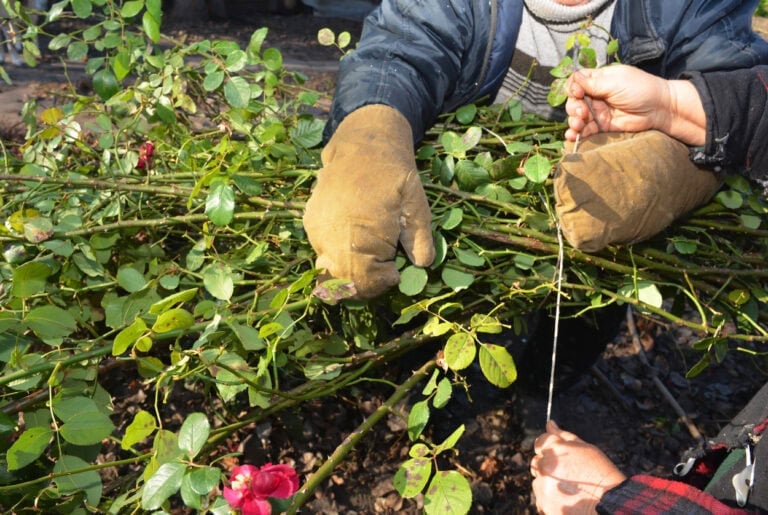
My yard is basically a poor-soil sampler platter. Spring brings iron-packed, sticky mud. Summer turns it into cracked, thirsty clay. Fall brings back the soggy mineral sponge. Prayers are welcome!
And yet, if you can’t change the soil, you might as well plant flowers that love it there, right?
Hardy Blooms for Hard Ground

If only I could survive on this little and look as lovely… If your “bad dirt” is mostly heavy clay, we also wrote a guide on flowers that grow in clay soil because that stuff deserves its own support group.
1: Nasturtium (USDA Zones 9-11, annual elsewhere)
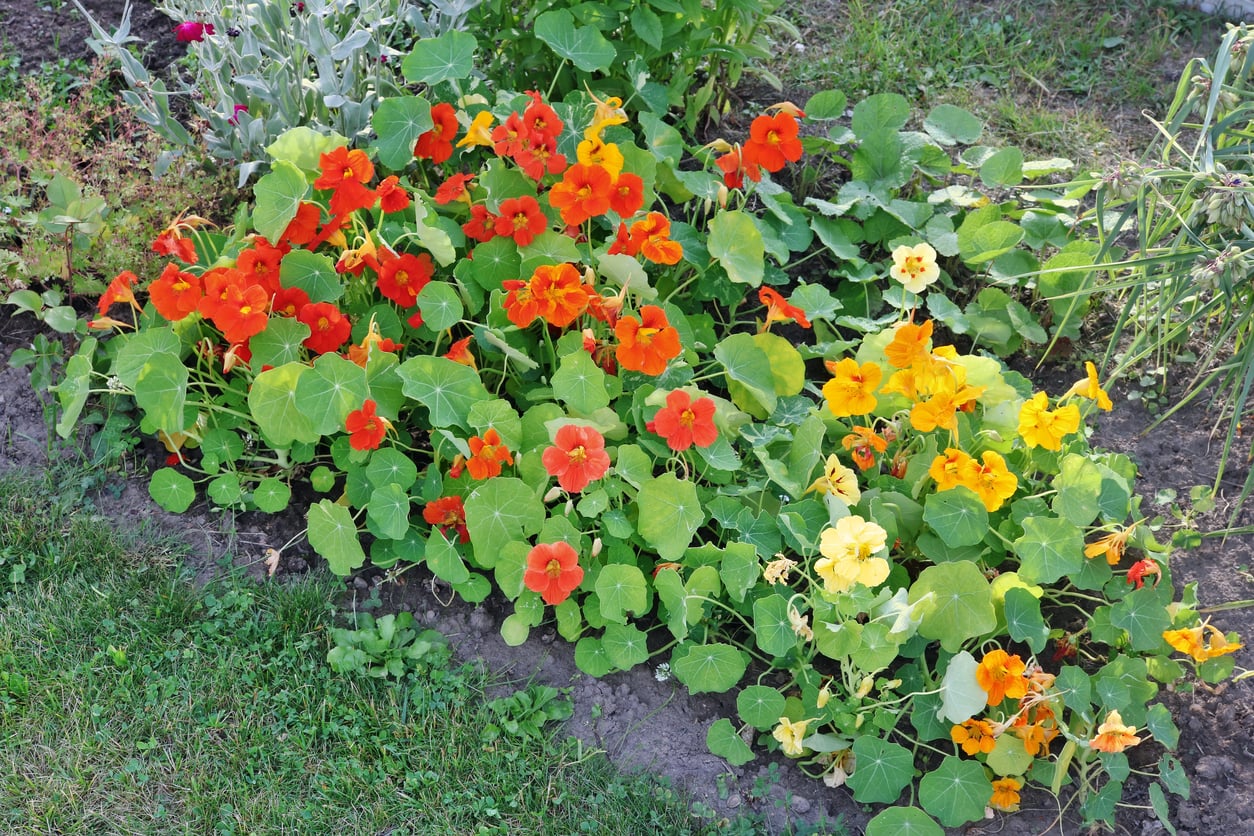
Nasturtiums are the ultimate neglect-aholics. If you fuss over them too much, they reward you by growing a jungle of leaves and hiding every flower like it owes them money.
I’ve had the best luck putting them in lean, unimpressive soil and skipping the fertilizer. Give them rich dirt, and they get leafy. Give them struggle, and they’ll finally show their faces.
Quick tip: They don’t like being transplanted, so sow the seeds right where you want them to grow after your last frost.
2: Cosmos (Annual in USDA Zones 2-11)
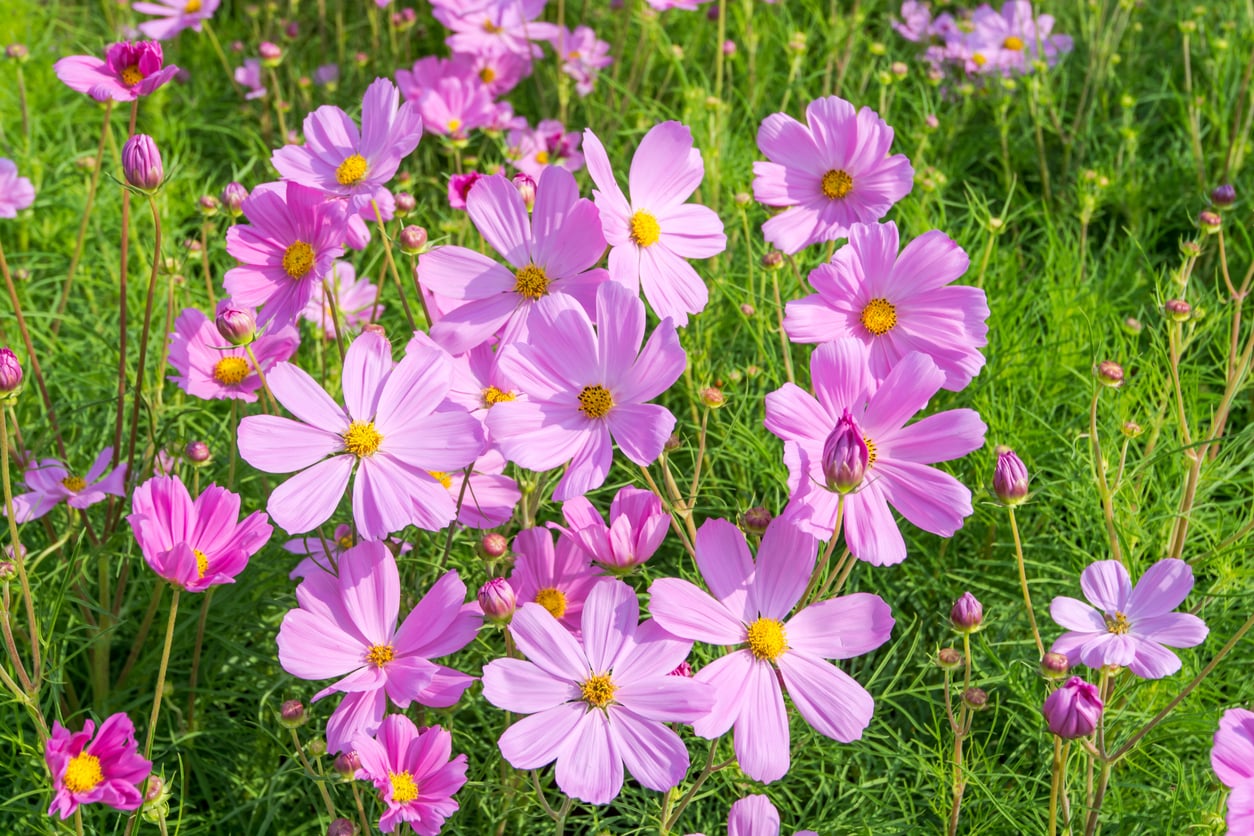
Cosmos have a serious problem with living large. In rich soil, they can shoot up to 6 feet tall, get drunk on nitrogen, then flop over face-first.
Lean soil keeps them a little more honest, and full sun helps them put their energy into flowers instead of turning into a leafy skyscraper.
Quick tip: Pinch young cosmos back when they’re about 8 to 12 inches tall if you want bushier plants. Deadheading also keeps the flowers coming longer.
3: Lavender (USDA Zones 5-9)
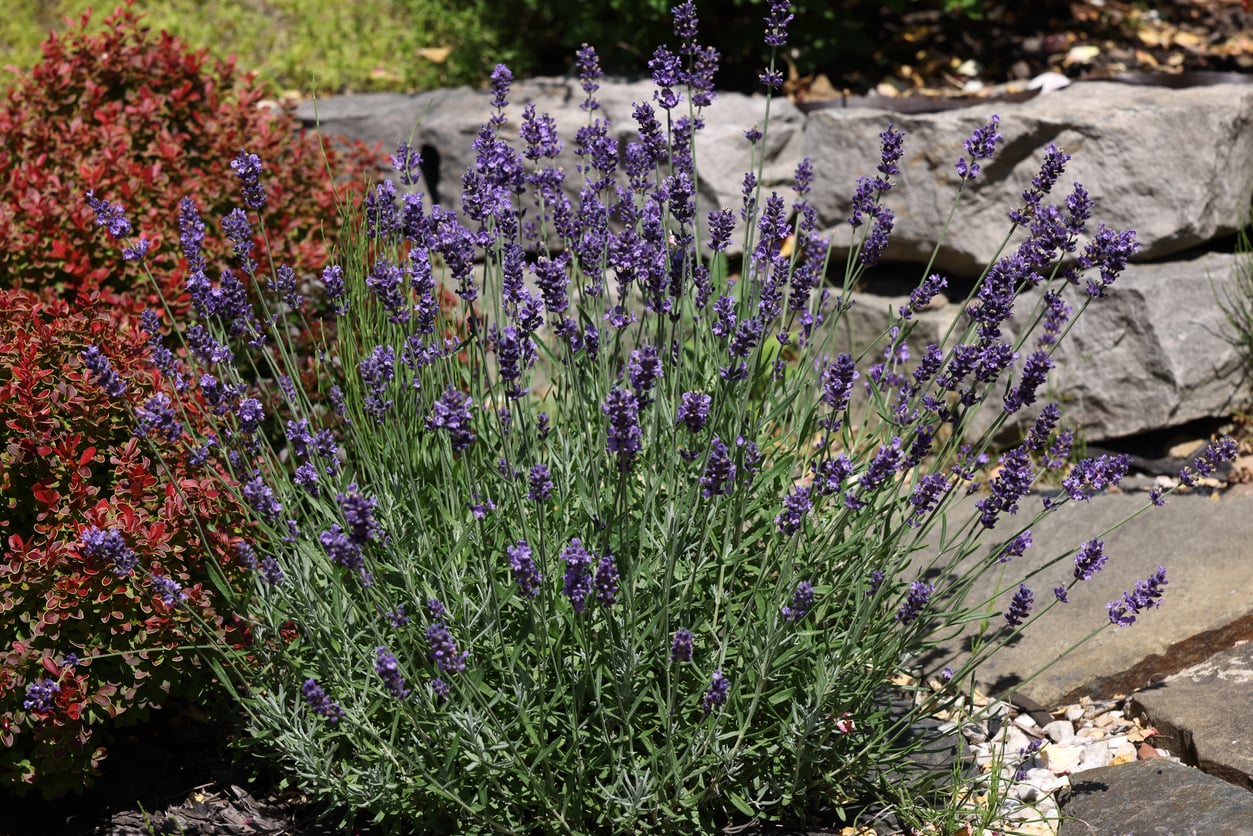
Lavender is my favorite because it has Mediterranean aristocrat flair with a drainage-ditch personality.
Lavender hates wet feet more than my cat in a tub. If your soil is rich, damp, and heavy, lavender may sulk itself straight into root rot. It wants lean, rocky, gritty soil that drains faster than a paycheck on rent day.
Quick tip: If your pets like to nibble plants, keep lavender where they can’t snack on it. It’s beautiful, but it’s not a great chew toy.
If your yard holds too much water, we wrote a guide on growing lavender in pots successfully, which is sometimes the sanest option when your soil acts like a wet sponge.
4: California Poppies (USDA Zones 6-10, annual elsewhere)

California poppies are the true survivalists of the group. They’ve got a deep taproot that helps them handle dry, lean soil once they settle in.
I’ve seen them pop up in gravelly, neglected spots like they’re trying to insult the entire concept of landscaping. They don’t want your compost, your water, or your love. Once established, they want to be left alone in the heat.
Quick tip: Sow the seeds directly where you want them, because that taproot does not appreciate being moved.
5: Blanket Flower (USDA Zones 3-9)

Blanket flower is a prairie native that did not grow up expecting a buffet. If you try to help it with plant food, it grows so fast that it literally gets floppy and weak.
I’ve had better luck treating gaillardia like it belongs in a hot, dry patch of dirt that hasn’t seen a decent meal since the Eisenhower administration. Lean soil, full sun, and good drainage keep it much happier.
Quick tip: Don’t mulch blanket flower heavily around the crown. It likes dry air and drainage at the base, especially in humid areas where too much moisture can shorten its life.
6: Coreopsis (USDA Zones 3-9)
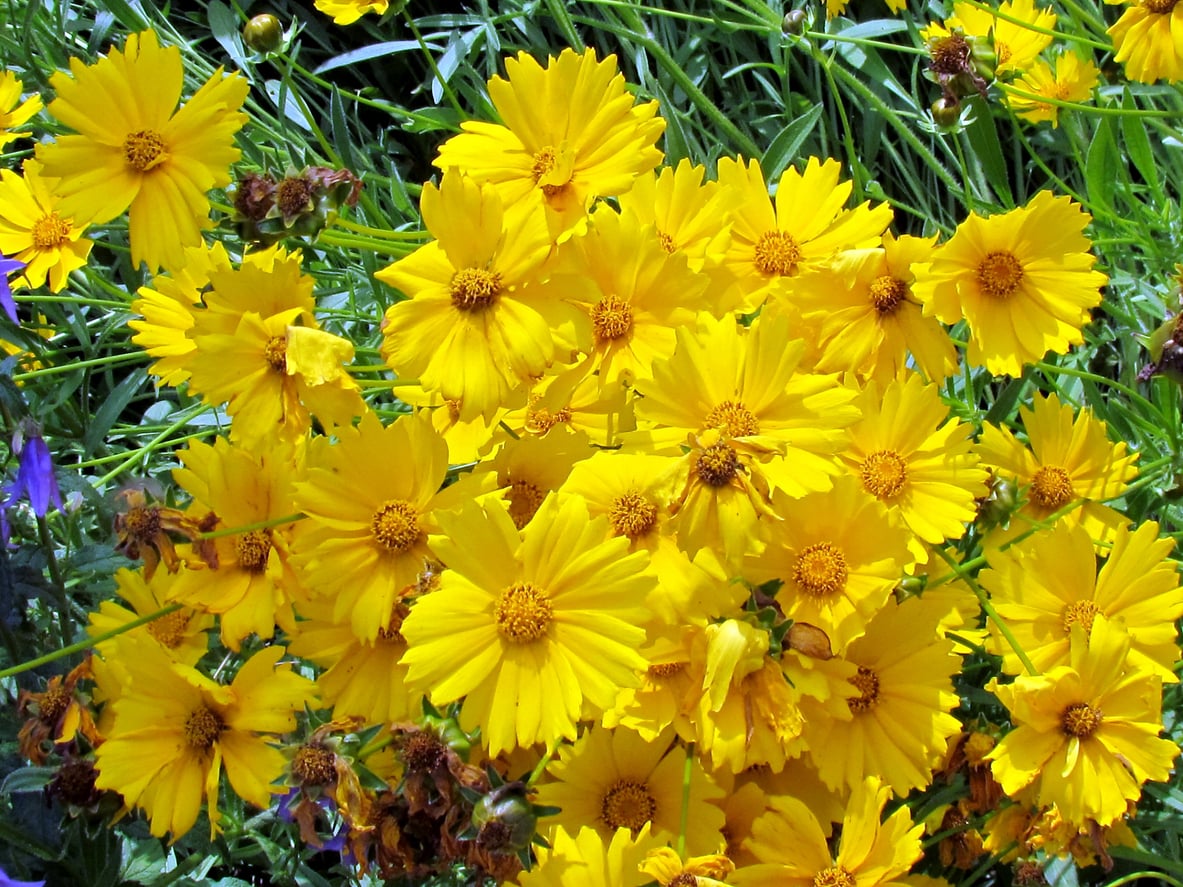
Tickseed handles rocky, dry, nutrient-poor soil without making a whole production out of it. The best part?
It’s a cut-and-come-again type you can shear back, and it’ll take the hint and keep going. It will sit there through summer heat, tossing out bright yellow flowers like it’s getting paid for it. It’s not.
Quick tip: Cut the plant back by about one-third after the first heavy bloom if it starts looking tired. That quick haircut can help encourage fresh growth and more flowers.
7: Stonecrop (USDA Zones 3-9)

Sedum is for the gardener who wants to do minimal work and get maximum payoff. It’s a succulent, so it carries its own bar with it.
It thrives in stony gritty soil that would starve a weed. In rich soil or too much shade, taller sedums get floppy in the middle and splits open like a bad haircut.
Quick tip: If tall sedum starts flopping, pinch it back by a few inches in late spring. It usually grows back shorter, fuller, and less likely to collapse dramatically in August.
8: Bachelor’s Buttons (Annual in USDA Zones 2-11)
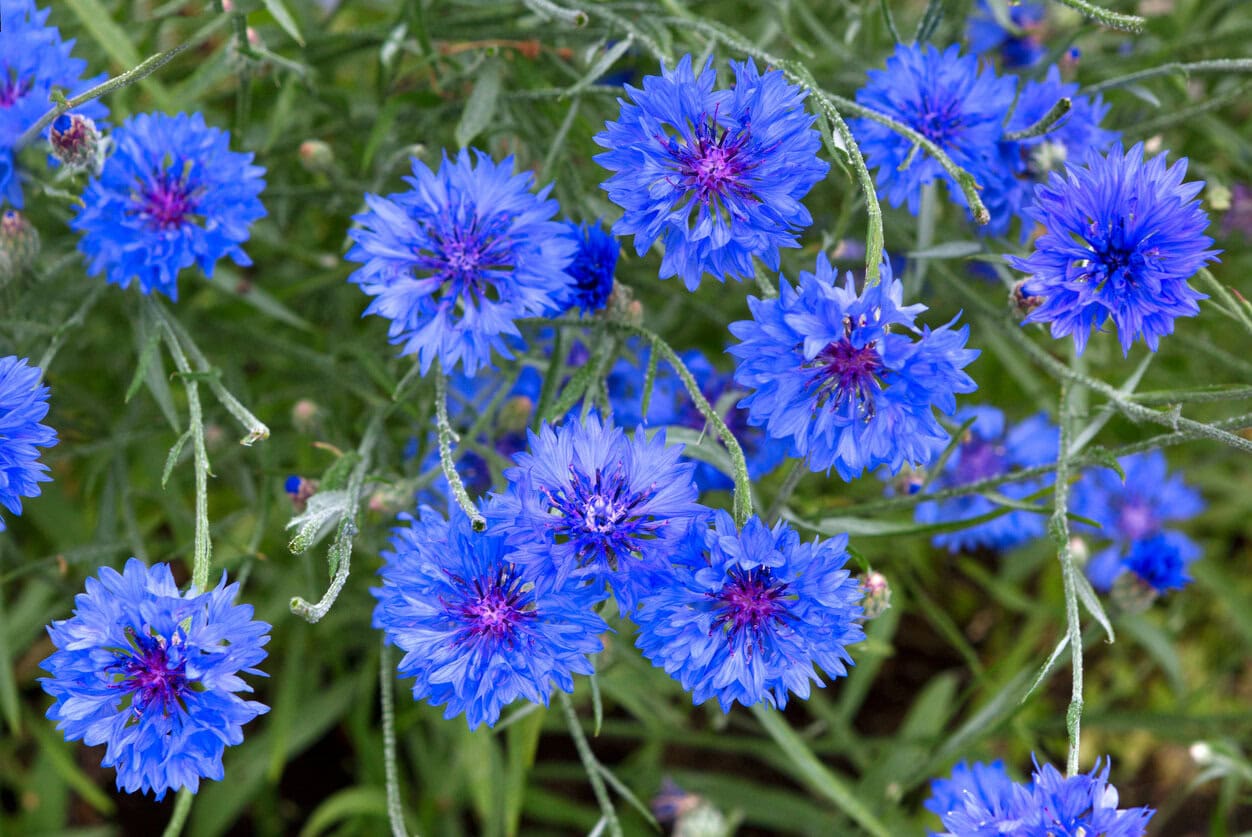
Bachelor’s buttons look far too pretty for plants that are this comfortable in rough conditions. They don’t need rich soil or much pampering to put on those electric blue blooms.
I’ve had the best luck treating them like old-fashioned wildflowers: full sun, lean soil, and just enough water to get them started. Once they’re settled, they usually handle dry spells better than they have any right to.
Quick tip: Deadhead spent flowers if you want more blooms, but leave a few seed heads at the end of the season if you want them to self-sow for next year.
9: Verbena (USDA Zones 7-11, annual elsewhere)
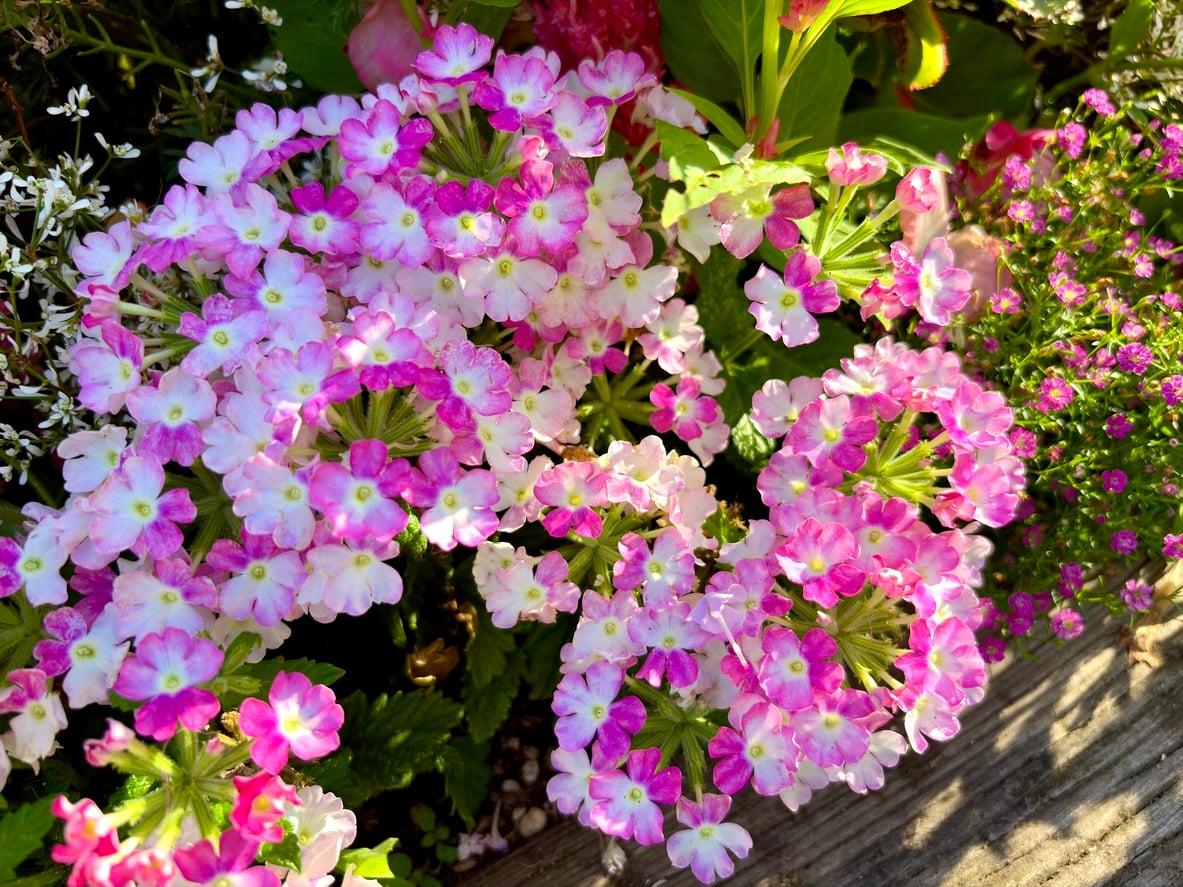
Verbena is surprisingly tough, at least for something that looks so delicate. The tougher types can handle hot, dry, lean soil once they’re established, especially if the spot drains well.
Don’t treat verbena like a swamp plant or a fertilizer addict. Give it sun, decent drainage, and just enough water to get through the rude parts of summer.
Quick tip: Trim verbena back if it starts looking stretched out or tired in midsummer. A light haircut can help it push out fresh growth and more blooms instead of sulking in long, crispy strings.
10: Zinnia (Annual in all USDA Zones)
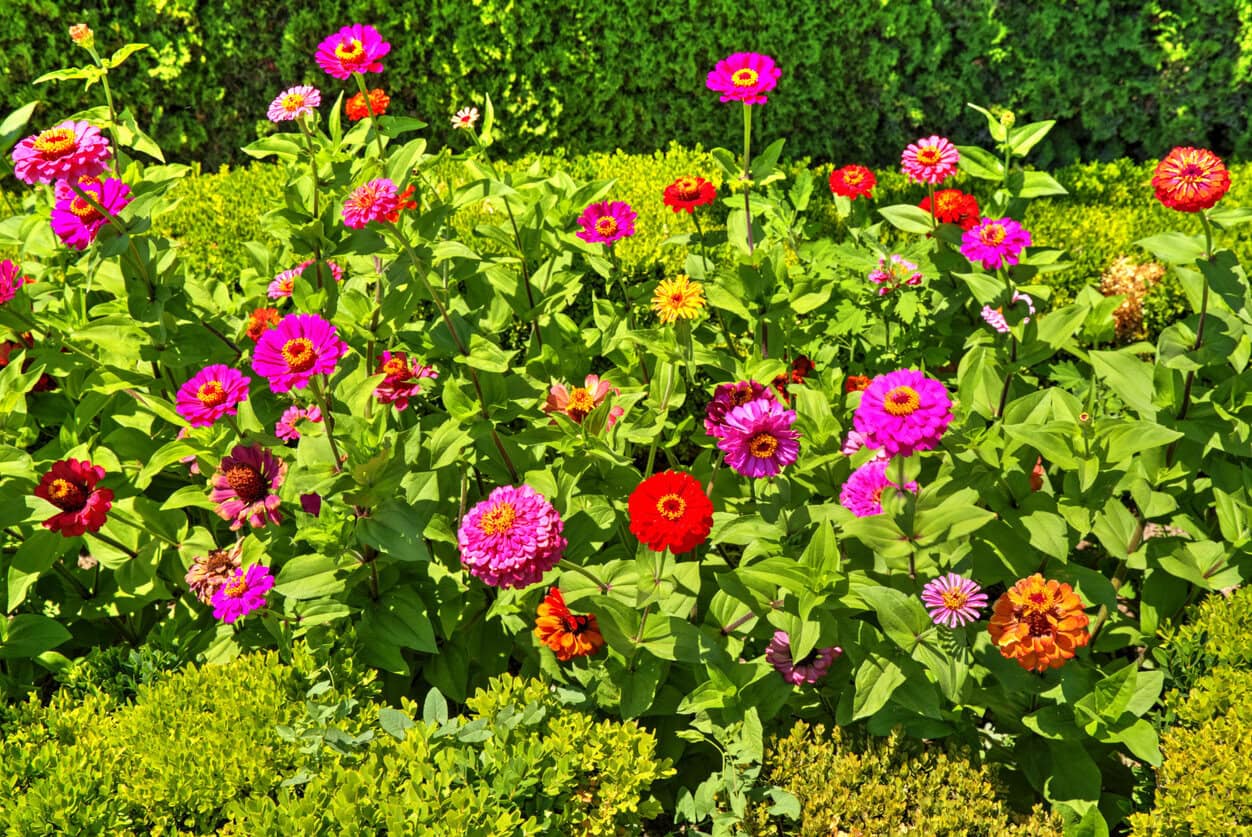
Zinnias may look high-end, but they are tougher than they get credit for. They don’t need fancy soil, but they do need one thing: no soggy nonsense.
Grow them in full sun with decent drainage and enough space for air to move around. Keep them sunny, not swampy, and they’ll stay cleaner, stronger, and ridiculously colorful.
Quick tip: Water zinnias at the base instead of over the leaves. Rich, wet soil and crowded leaves are basically an engraved invitation for powdery mildew.
We also explain how to maximize flowering in zinnia plants if you want more blooms without turning them into mildew magnets.
11: Russian Sage (USDA Zones 4-9)

Russian sage is a rugged street fighter disguised as delicate purple mist. Put it in rich, cushy soil, and it gets lazy, flops over, and looks like my uncle on Sundays.
But move it to lean, alkaline, chalky, and dry-as-a-bone soil where nothing else dares to grow? It stands tall and smells like a spa.
Quick tip: Don’t overwater it once established. Too much water and fertilizer can make the stems weak and floppy, so this is one plant I leave on the tough-love plan.
12: Black-Eyed Susan (USDA Zones 3-9)
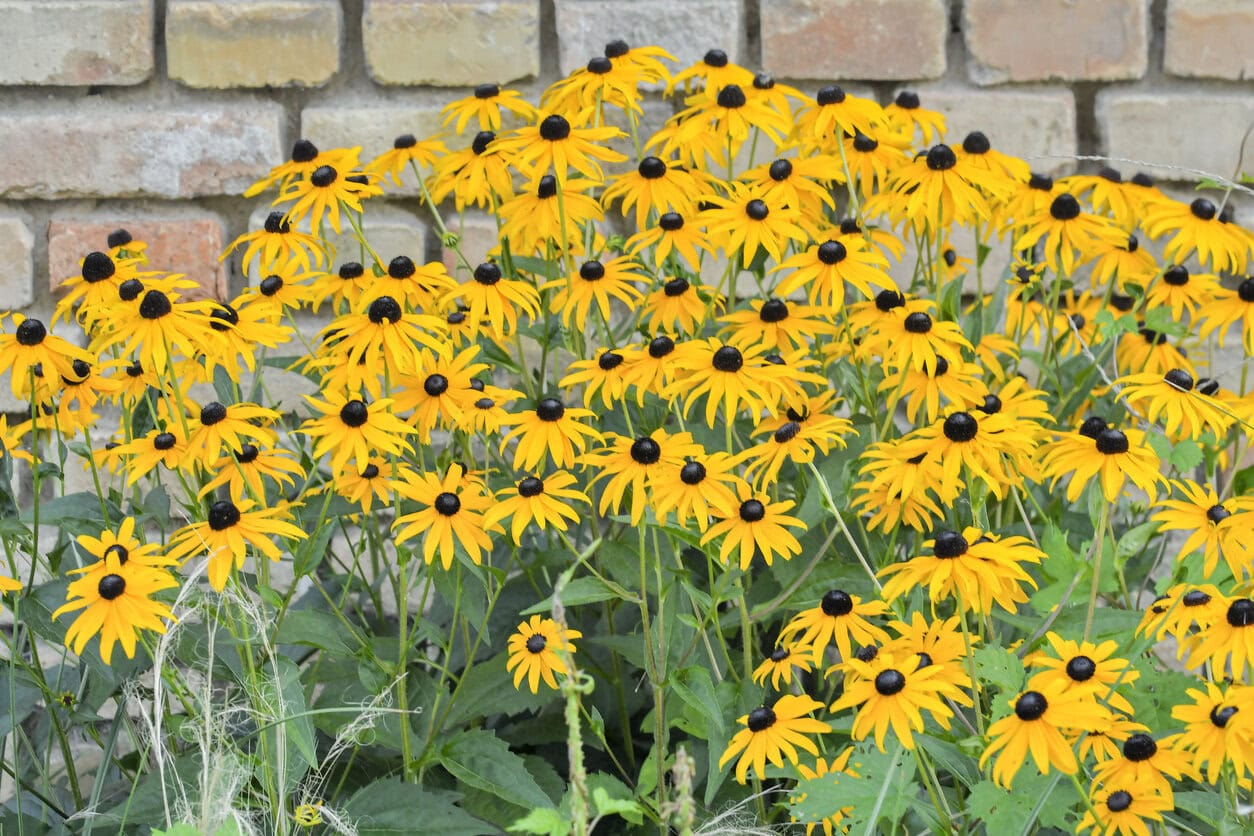
Black-eyed Susan is the golden retriever of tough garden flowers. Overwhelmingly cheerful despite living in a ditch.
Rudbeckia can handle average-to-lean soil, summer heat, and the kind of erratic moisture that makes fussier plants send in a complaint. Give it sun, don’t drown it, and it’ll turn a rough patch into a sea of gold. My favorite Susan so far, no offense.
Quick tip: Leave a few seed heads standing at the end of the season if you want birds to snack and volunteers next year. Deadhead more often if you want to limit self-seeding.
We also have a guide on Black-eyed Susan care tips for bigger, brighter blooms if you want those golden little overachievers to keep showing off all summer.
13: Coneflower (USDA Zones 3-9)

Coneflower is the prairie’s version of construction-grade auger. Its deep taproot helps it push through dry, rocky, less-than-perfect soil without needing much sympathy from me.
The classic purple coneflower is usually tougher than the fancy hybrids, which can be a little more dramatic about life. I don’t bury mine in rich compost or hover over it with a watering can.
Give it full sun, decent drainage, and a little neglect, and it stays sturdy, blooms beautifully, and acts like struggle was part of the design.
Quick tip: Leave some seed heads standing in fall if you want to feed goldfinches. Cut them back later in winter or early spring once the birds have picked them over.
If you’re planting coneflowers for the first time, we wrote a full guide on growing and caring for coneflowers that explains how to keep them blooming without babying them to death.
14: Yarrow (USDA Zones 3-9)
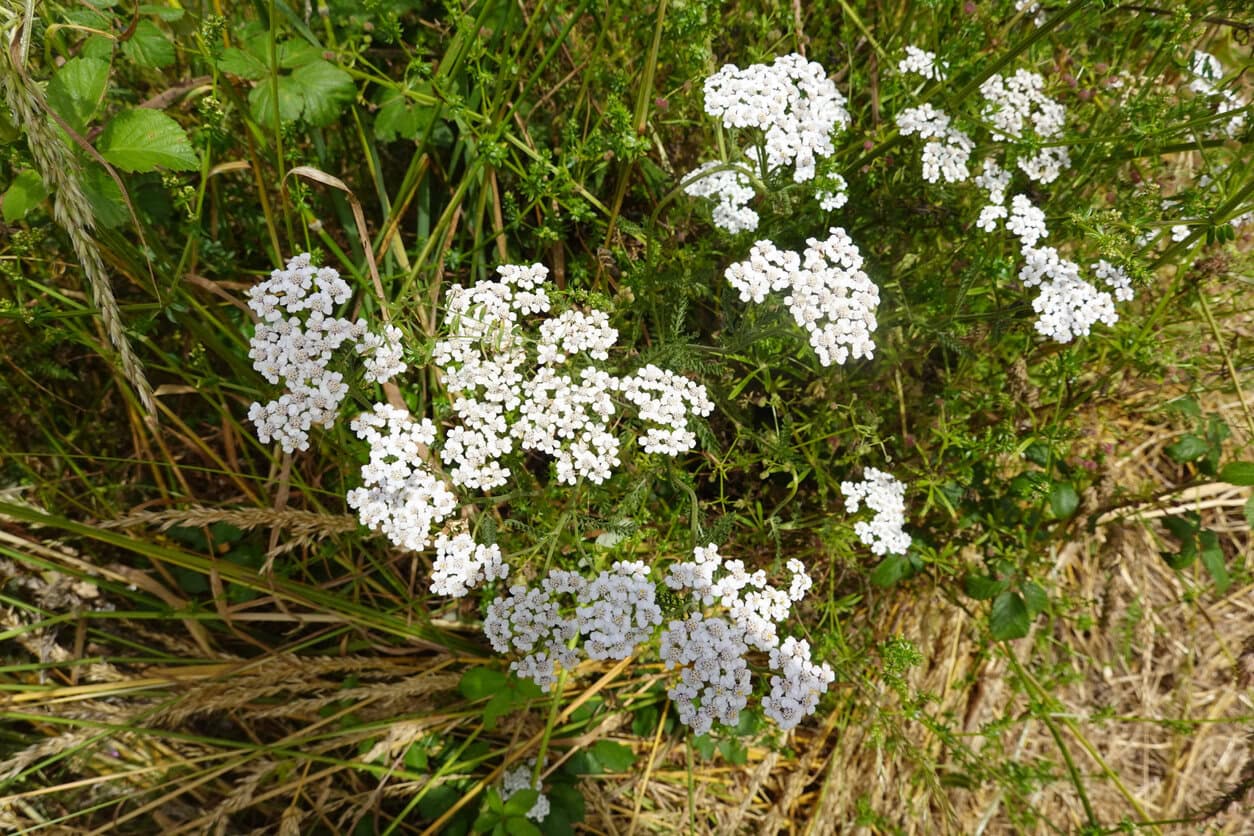
Yarrow is the flower equivalent of someone who shows up to a formal dinner wearing boots and somehow looks better than everyone else.
It thrives in lean, dry soil that would make fussier flowers file a complaint. Stick it in a hot, scrappy patch with good drainage and it stands tall with flat-topped blooms that pollinators absolutely love.
Quick tip: Yarrow can spread by rhizomes and self-seed, and it’s also listed as toxic to dogs and cats, so plant it with a little strategy if pets roam your beds.
And if your problem is less “dry and dusty” and more “my yard is secretly a pond,” we have a guide on plants that grow in soggy soil for those swampy little problem spots.
Dirt Poor and Dressed to Kill
Do not ever apologize for your dirt. Some plants like it just the way it is. As I always say, if your soil is a tragedy, plant a comedy.