
Every spring, the internet collective decides a handful of magnesium sulfate cures everything from pests to a bad marriage. It won’t… Epsom salt is a cheap compound, not a miracle powder handed down by Demeter herself!
And yet, nine plant groups can actually benefit from it if you apply it the way the gods of agriculture demand. The trick is knowing when to use it, and when to leave the bag closed.
9 Plants That Benefit from Epsom Salt and How to Use It
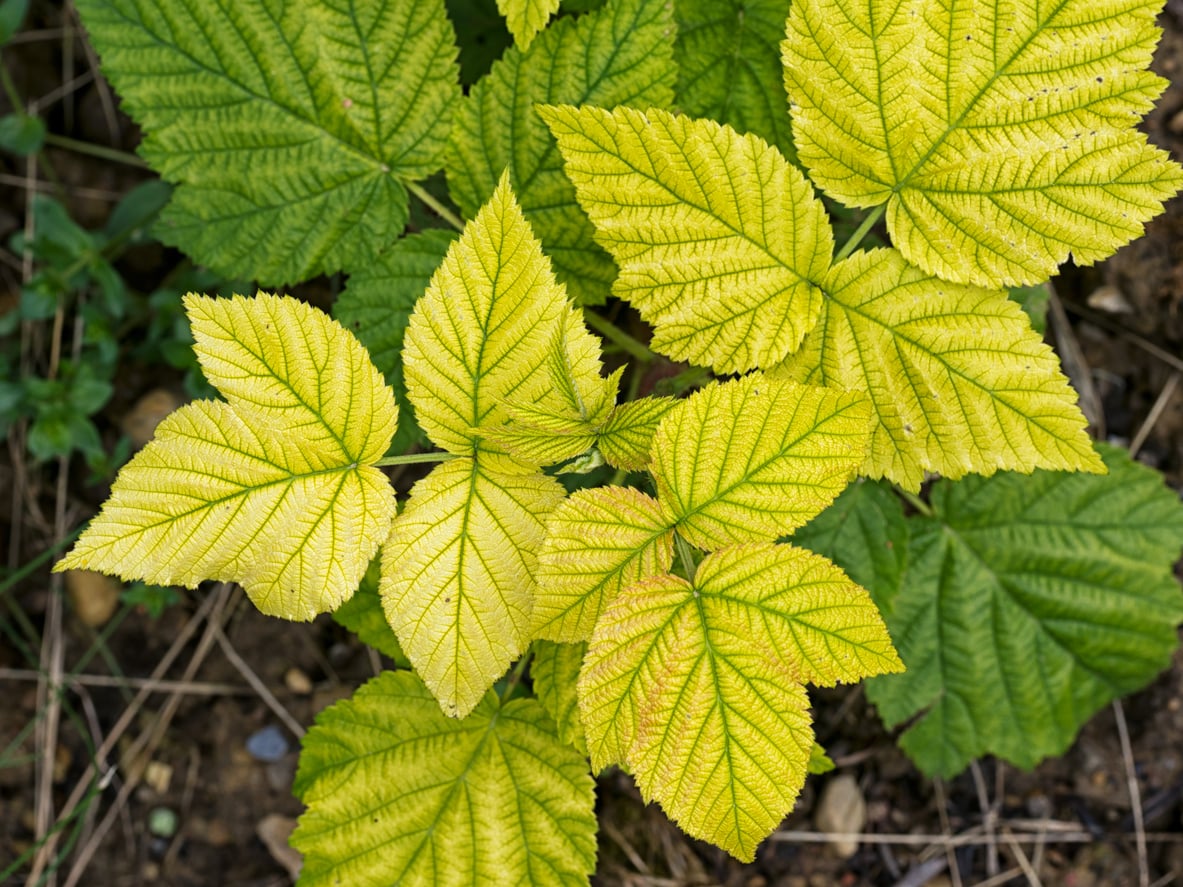
Epsom salt can help the right plant at the right time, but it is not garden candy. Here’s where I’d actually use it, and I’ll share a few quick rules at the end before anyone starts playing chemist!
1: Tomatoes
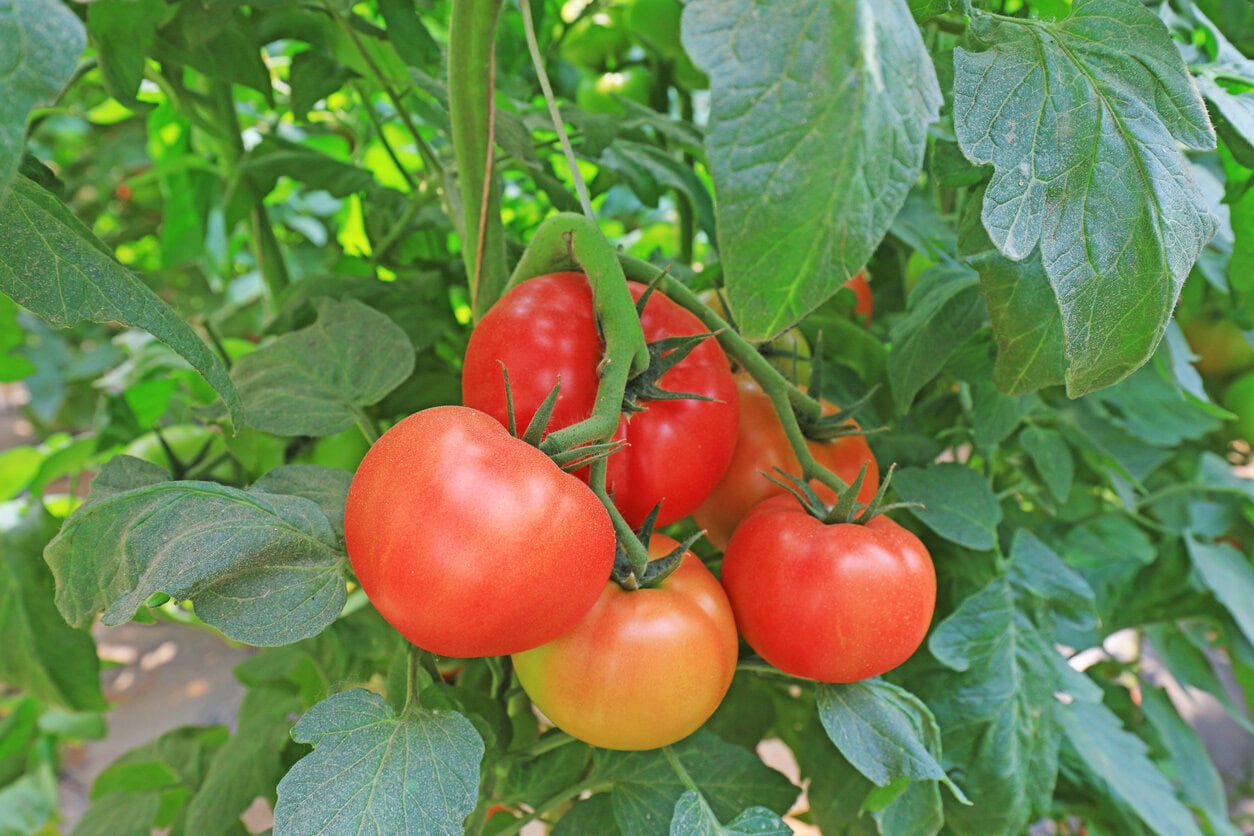
The internet loves the myth of the salty planting hole, AKA burying a handful of Epsom salt under a new tomato seedling. The internet, however, may not know magnesium and calcium are bitter rivals.
Flood the dirt with magnesium when the plant doesn’t need it, and calcium uptake can get shoved out of the way. That is not what you want on a tomato plant, especially when blossom-end rot is already lurking around like a tiny garden curse.
I only reach for it if the plant looks magnesium-starved, usually when older leaves start turning yellow between green veins while the rest of the plant looks hungry and offended.
How I use it: Dissolve 1 tablespoon of Epsom salt in 1 gallon of water, then spray the leaves lightly in the morning or evening.
2: Peppers
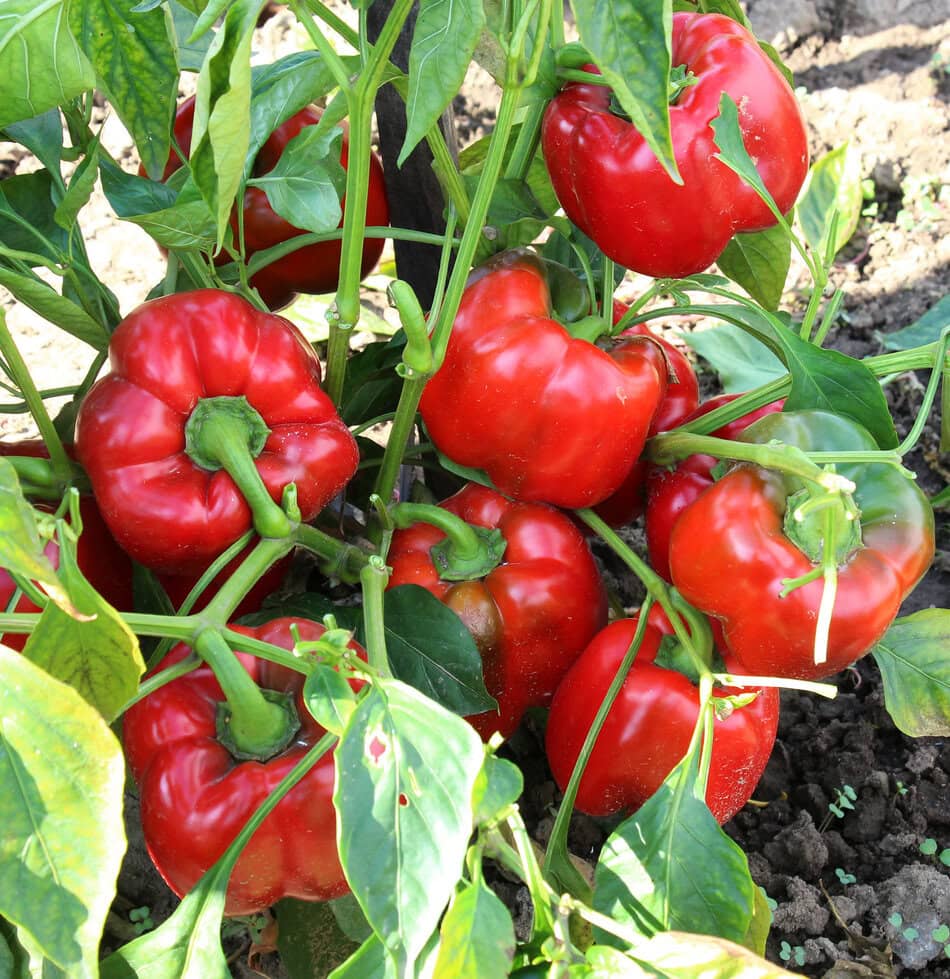
Without magnesium, peppers can’t build chlorophyll properly, and they’ll let you know by turning pale and dramatic!
That said, if the older leaves start yellowing between green veins and the plant looks washed out, magnesium may be part of the mess. Don’t scratch raw crystals right under pepper roots like some Facebook posts tell you to, because concentrated salt in one spot can be rough on young feeder roots!
How I use it: I use the same 1 tablespoon-per-gallon mix as a light leaf spray, usually early in the day before the sun gets bossy.
If your pepper plant is acting dramatic for reasons beyond magnesium, we explain the usual suspects in our guide on common pepper problems and how to fix them.
3: Roses
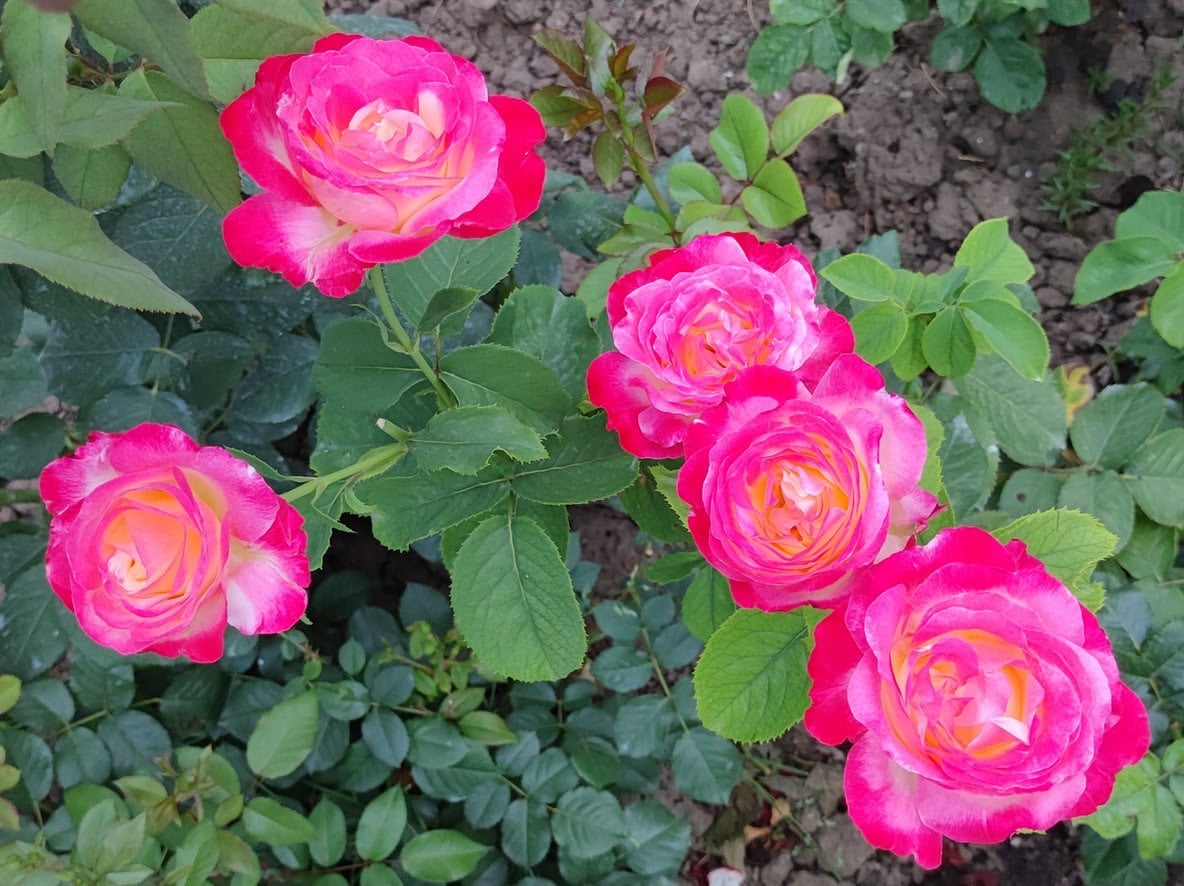
Roses are dramatic enough without me turning the soil into a chemistry experiment. Magnesium can help roses when the soil is actually short on it, especially if the leaves start looking pale between the veins instead of deep, glossy green.
But don’t go around dumping it on every rose just because the bush looks moody. Sometimes roses need feeding, sometimes they need pruning, and sometimes they just need me to stop hovering like a suspicious landlord.
Also, some gardeners swear it helps encourage stronger new cane growth BUT I treat that as a bonus, not a law carved into a garden tablet.
How I use it: I mix 1 tablespoon into 1 gallon of water and pour it around the root zone. If the leaves are the problem, I use the same mix as a light foliar spray instead.
If feeding is the problem, we have a full guide on when to fertilize roses for stronger blooms.
4: Cucumbers

Cucumbers are basically giant vines of water and greed. When they’re growing hard, they can show magnesium problems fast, especially in tired, sandy, or heavily watered soil.
The giveaway is usually older leaves turning yellow between the veins while the rest of the vine looks like it’s trying to climb the trellis on pure spite.
I don’t sprinkle dry crystals right near cucumber roots, because concentrated salts can scorch them. They’re shallow and fragile. So skip the soil application here!
How I use it: I stick with a leaf spray here: 1 tablespoon dissolved in 1 gallon of water, applied lightly in the morning or evening.
If your cucumber plant has more going on than pale leaves, we explain the common cucumber growing problems and how to fix each one.
5: Zucchini & Squash

The zucchini-squash clan forces out huge leaves and heavy fruit at the same time, so when the soil is tired or sandy, magnesium problems can show up fast.
The older leaves usually tell on them first. They start turning yellow between the veins, while the plant keeps trying to pump out blossoms like it has a contract to fulfill. If the baby squash shrivel, though, don’t blame magnesium first. That’s more often poor pollination, heat stress, or watering drama.
Don’t throw dry crystals around the roots! Too much in one spot can do more harm than good, and squash plants are already dramatic enough without me salting the stage.
How I use it: I use 1 tablespoon per gallon of water as a foliar mist, making sure the leaves are damp, not dripping like they survived a hurricane.
6: Beans
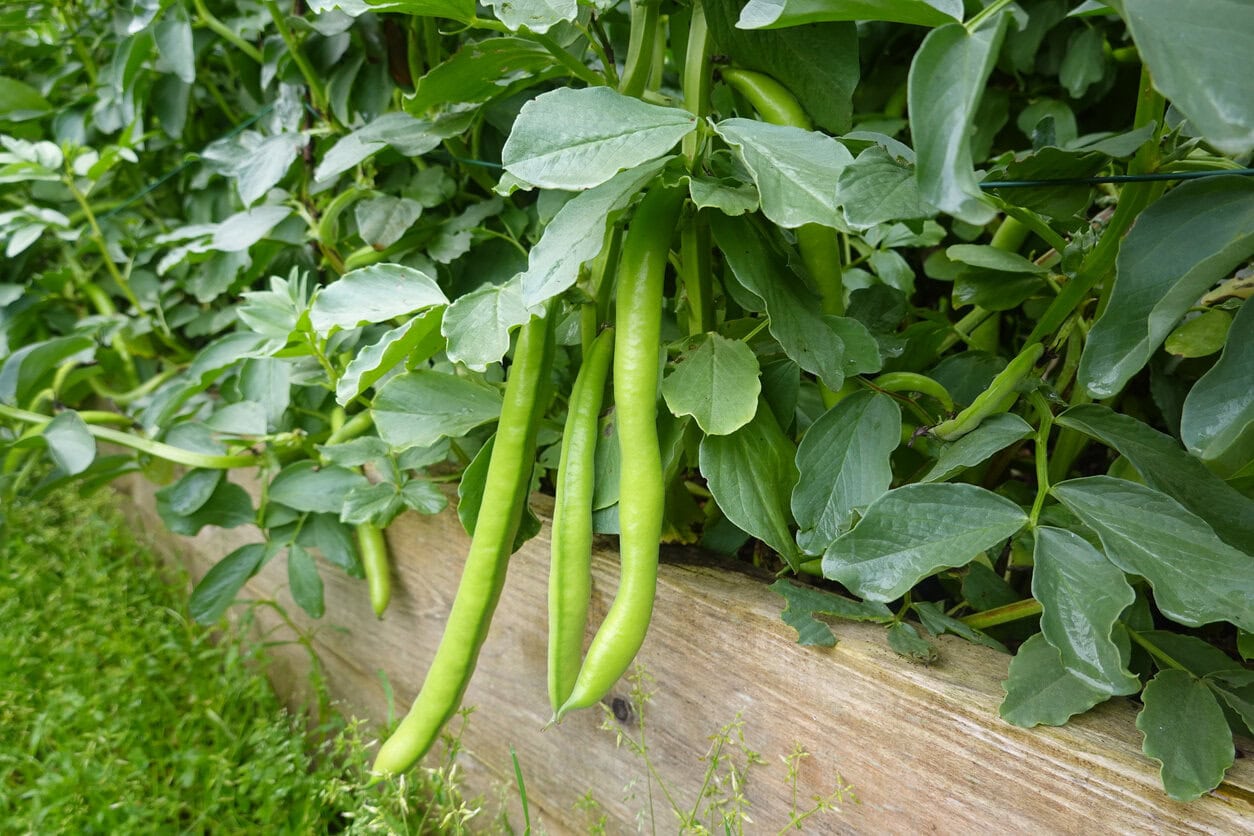
Beans are usually tough, but even they can look sad when magnesium runs short. The older leaves may start yellowing between the veins, and the whole plant can look pale, tired, and weirdly offended for something that grows this easily.
But don’t blame every weak bean harvest on magnesium. Poor pod fill can also come from heat, dry soil, poor pollination, or the plant just being stressed into a full garden tantrum.
Do not use dry crystals here either. Bean roots are also fragile and stunt easily under heavy salt concentrations.
How I use it: I dissolve 1 tablespoon in 1 gallon of water and give the leaves a light morning spray, keeping it off stressed plants during hot afternoons.
7: Leafy Greens

Greens are tender little drama sheets. Spinach, chard, and similar leafy crops can show magnesium trouble as yellowing between the veins, and once the leaves look rough, the harvest starts feeling a lot less exciting.
And forget about the Facebook myth that bitter or tough leaves are always lacking Epsom salt. They can come from heat, age, drought stress, or letting the plant grow too long, so magnesium isn’t always the villain wearing the cape.
How I use it: I go lighter here: 1 teaspoon of Epsom salt in 1 gallon of water, misted lightly in the morning. Avoid spraying right before harvest!
We also have a guide on what makes Swiss chard taste bitter if your greens are turning tough and bossy for non-magnesium reasons.
8: Hydrangeas

When hydrangeas run short on magnesium, the leaf tissue between the veins can start turning yellow while the veins stay green.
Again, don’t blame every floppy hydrangea on magnesium just because a Facebook post told you to. Heavy flower heads, too much shade, soft new growth, heavy rain, or the variety itself can all send those blooms face-first into the mud.
But don’t scrape dry crystals into the soil just because June rolled around wearing a hat. If the leaves show that yellow-between-the-veins look, then I treat it like a magnesium issue.
How I use it: I dissolve 1 tablespoon of Epsom salt in 1 gallon of water and pour it slowly around the root zone, keeping it off the flowers and leaves.
9: Potted Plants

Potted plants run through nutrients faster than plants in the ground, because every watering sends a little more of the good stuff out the drainage holes.
Pothos, monsteras, hibiscus, fiddle leaf figs, and geraniums can all start looking pale and tired when the potting mix is depleted. But Epsom salt is not a full meal!
It gives magnesium and sulfur, not the whole buffet, so I still treat regular fertilizer like the main event. If the leaves start looking yellow between the veins while the plant is otherwise fed and watered properly, that’s when I start side-eyeing magnesium.
How I use it: I dissolve 1 teaspoon of Epsom salt in 1 gallon of water, then water the soil with it once a month while the plant is actively growing.
If you want gentler feeding ideas beyond Epsom salt, we also wrote a guide on organic fertilizers you can make from kitchen scraps.
Before You Start Throwing Epsom Salt Around
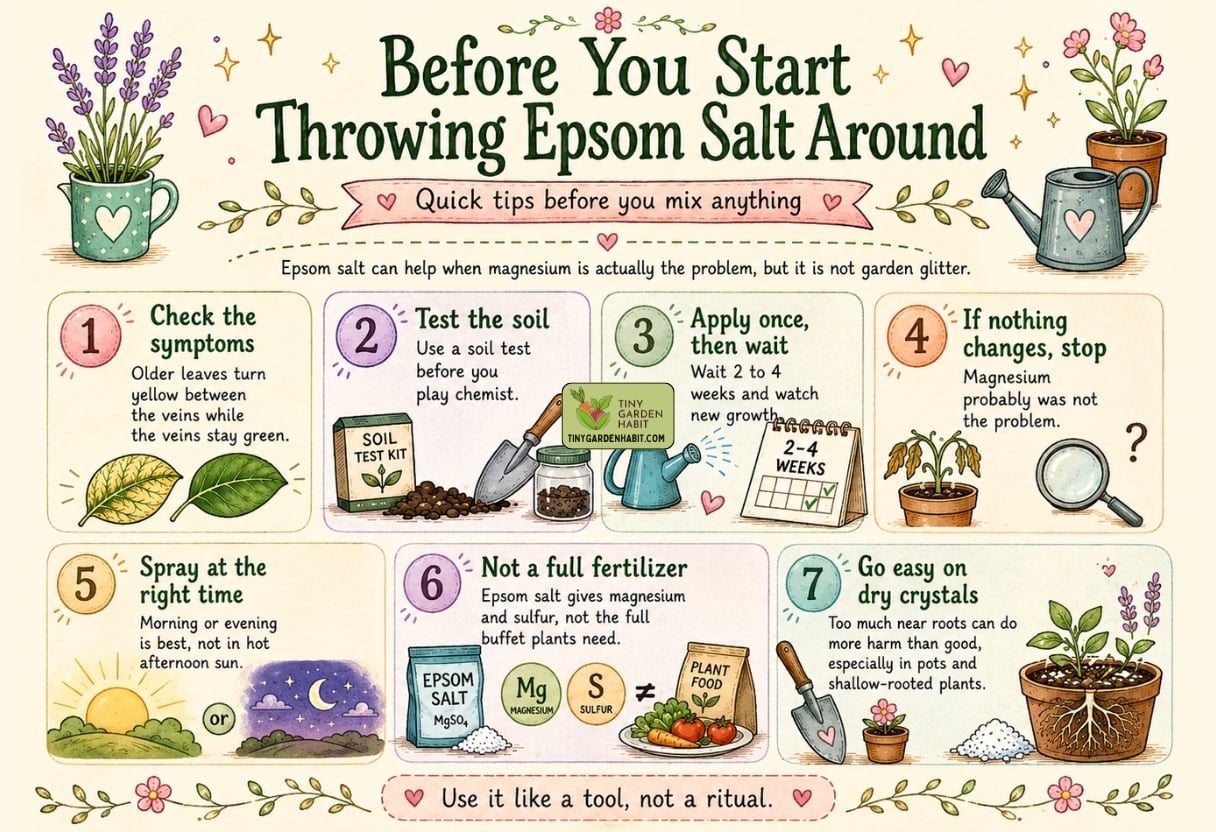
Epsom salt can help when magnesium is actually the problem, but it is not something I throw around like garden glitter. Before I mix anything, I look for real signs, slow down, and make sure I’m not treating the wrong issue with the wrong white powder.
Pure Chemistry, Zero Magic
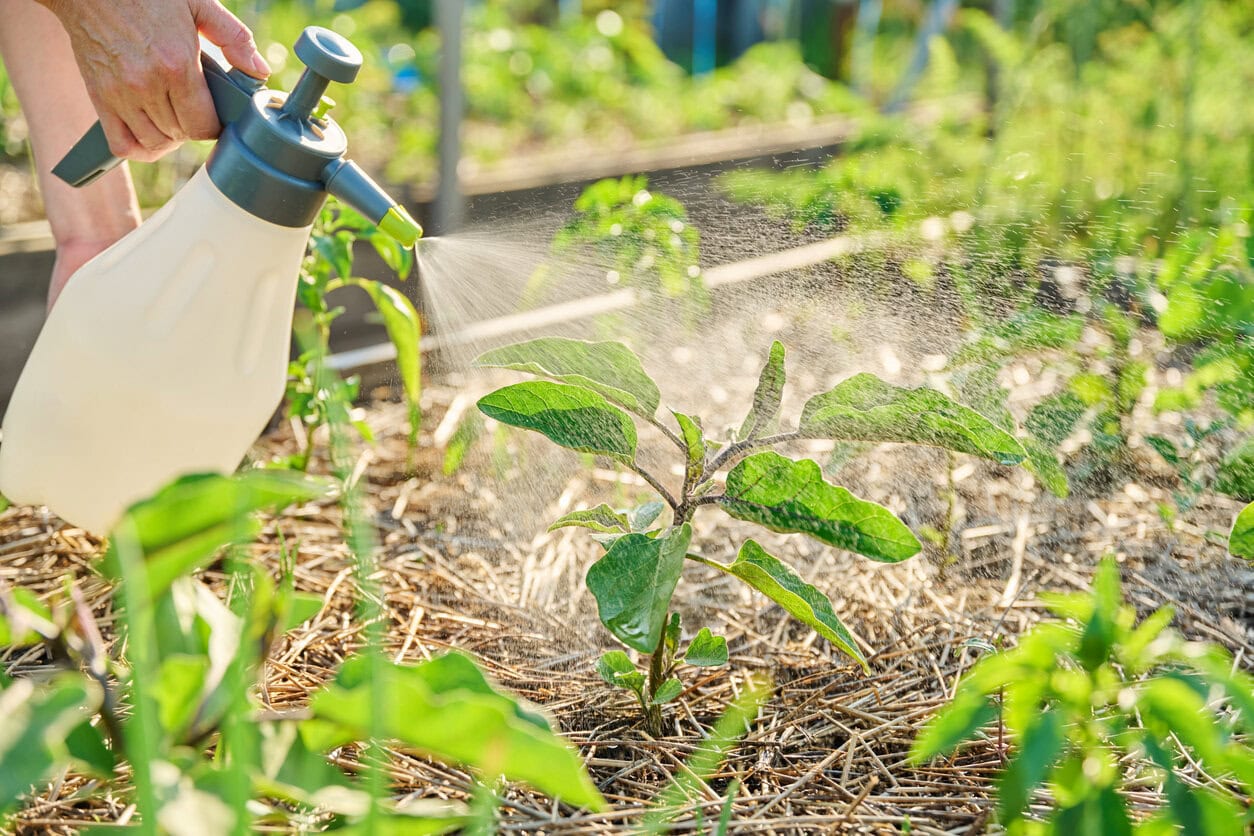
Epsom salt does a few useful things when the plant actually needs it: it helps with chlorophyll production, supports normal growth, and can be absorbed through the leaves when the soil route is not doing its job. But dumping it blindly won’t save a single crop. Epsom salt is a tool, not a resurrection powder!
If you want to match the right feeding method to the right plant, we explain that in our practical guide to choosing natural fertilizers.




It was very helpful.
Awesome, Lucille. It’s the best cheap trick in the book for making the neighbors jealous. Enjoy the results!