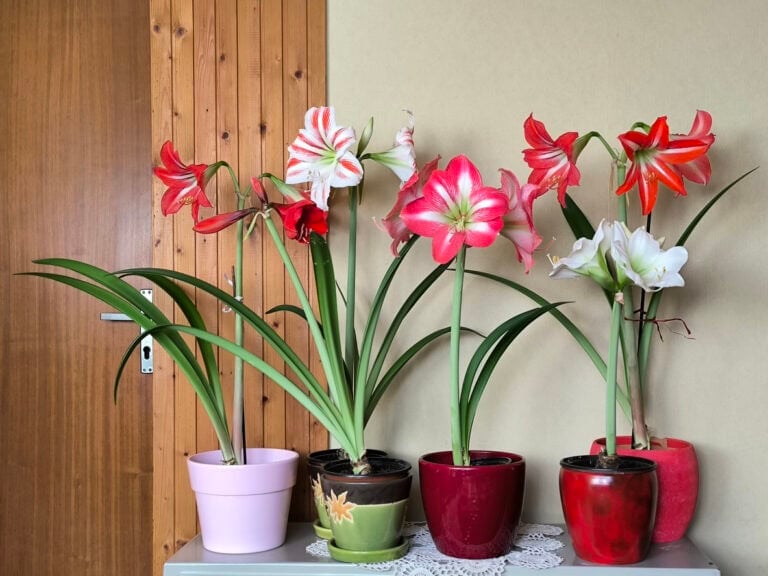
The Christmas Cactus is a lovely little houseguest. It shows up for the holidays, throws out some festive colors, and has only a few straightforward demands. Unlike your in-laws.
Regarding pests, this cactus usually requires the same amount of attention as that dust bunny under the sofa. Almost none. Yet, microscopic party crashers can arrive at any time and inflict damage so sneaky it makes you grudgingly applaud them.
Know thy enemy! Respect them. And then kick them out using tactics safer than trying to bake three dozen cookies at once.
Who is Really Eating Your Homework?

Someone really needs to revise the saying that the best things come in small packages.
If your cactus has been struggling even before pests showed up, your soil mix might be part of the problem, here’s the exact blend I use for a thriving Christmas Cactus.
1: Mealybugs
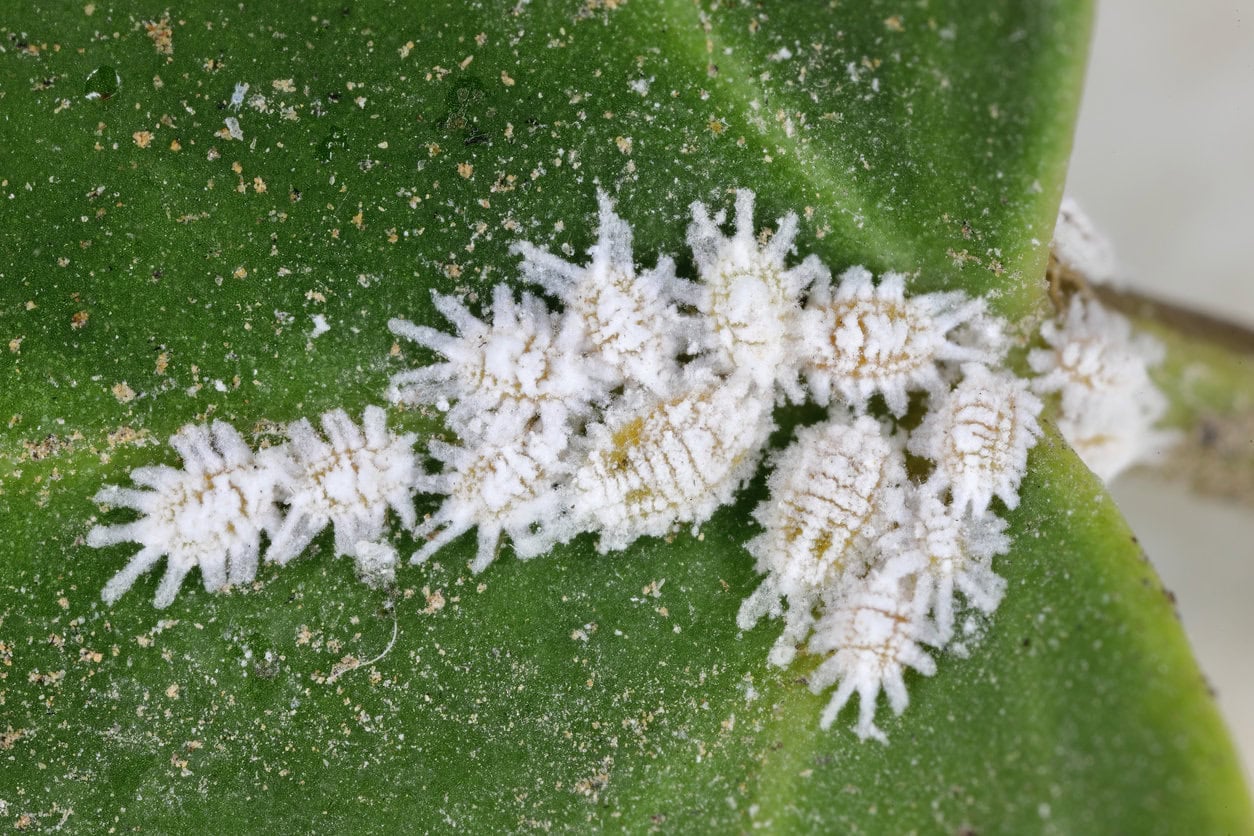
Mealybugs look like soft white bodies tucked inside little cotton coats. They almost always arrive as uninvited guests on a new plant you brought home, usually a stressed one. Infested pads often look yellowed, twisted, or just plain dull, with a sticky residue underneath.
Like sugar-loving toddlers, mealybugs stab into plant tissue and slurp out the sap, draining energy and weakening growth. This happens because over-fertilized and thirsty plants concentrate sugary sap (aka, their lunch).
They wedge themselves tightly where one cactus pad meets the next, and the sneakier types crawl down to the stem base or even into the root zone. Root mealybugs are especially talented at hiding!
But the real grossness? They excrete a sticky, clear residue called honeydew. It is practically sugary bug waste that coats the pads below the infestation. So, not only are they ruining your cactus, but they also poop on it! Gross, but there’s more. Sugar-poo attracts sooty mold, turning pads black and grimy. Lovely, right?
How to Treat It
Dab each white cluster with rubbing alcohol on a cotton swab until they dissolve. Check the stem base and soil line for hidden ones and repeat weekly until no stragglers appear.
If your cactus refuses to bloom even after dealing with pests, here are the seven most common reasons Christmas Cactus won’t bloom (and how to fix them).
2: Spider Mites
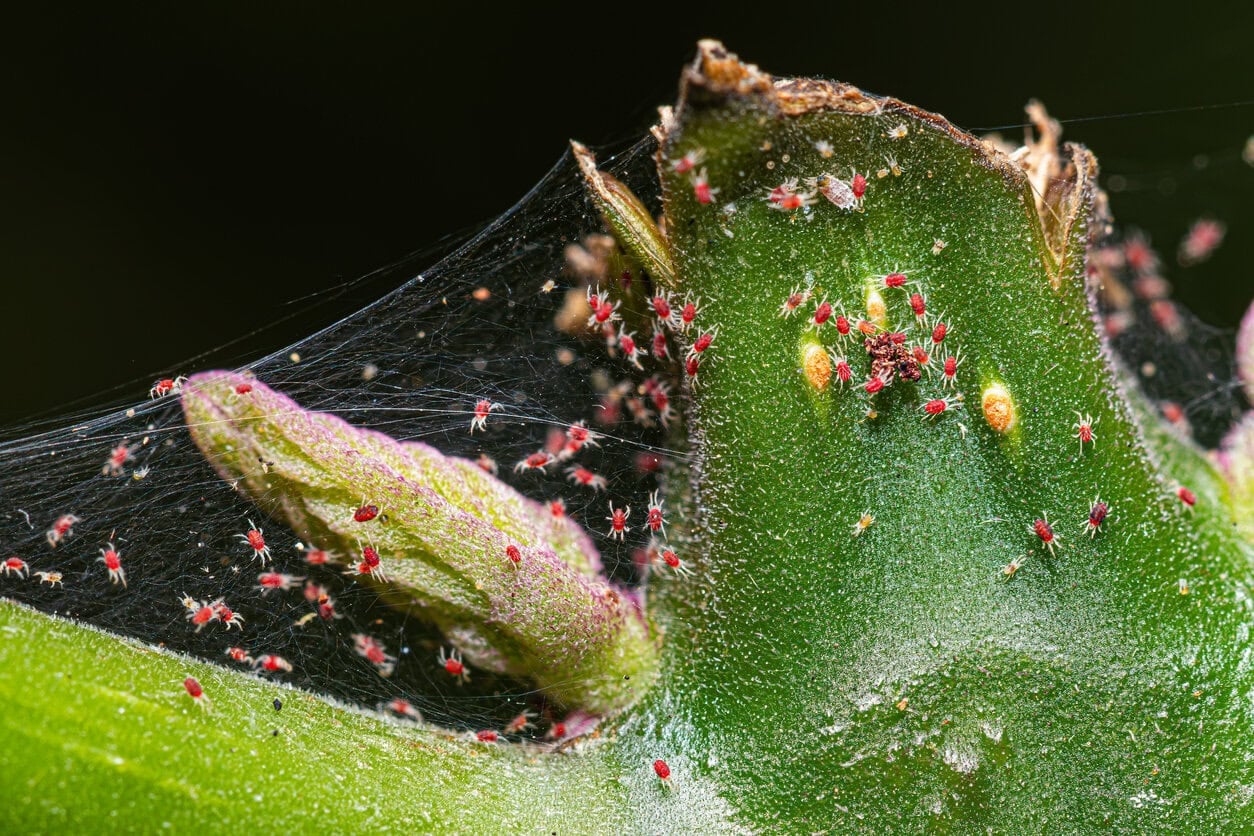
The spider mite is so tiny it goes unnoticed until its dirty work is done. They usually hitch a ride on new plants or slip in from nearby houseplants. They cause tiny pale speckles on the pads, making the cactus look dusted, faded, or stressed.
Of all the mite types, the spider mite is the one most likely to stress your Christmas Cactus. This pest loves the warm, dry winter air and multiplies faster than pre-election promises.
They hide under the invisibility cloak, and once inside they set up camp on the undersides of segments, the perfect hideout to feed quietly and lay their tiny, villainous eggs.
A mite’s tiny mouth repeatedly punctures the plant’s cells to steal the contents. So, after it drains the segment, it is marked by a speckled pattern, looking permanently sickly and stressed.
In advanced cases, you finally notice the mite’s gossamer webbing stretched between pads. This means the infestation has already reached disaster status.
How to Treat It
Rinse the plant thoroughly with lukewarm water to wash off mites, eggs, and webs. Follow with insecticidal soap or neem oil once the plant has dried. Repeat every 5-7 days for 3 weeks to break the reproduction cycle.
3: Fungus Gnats
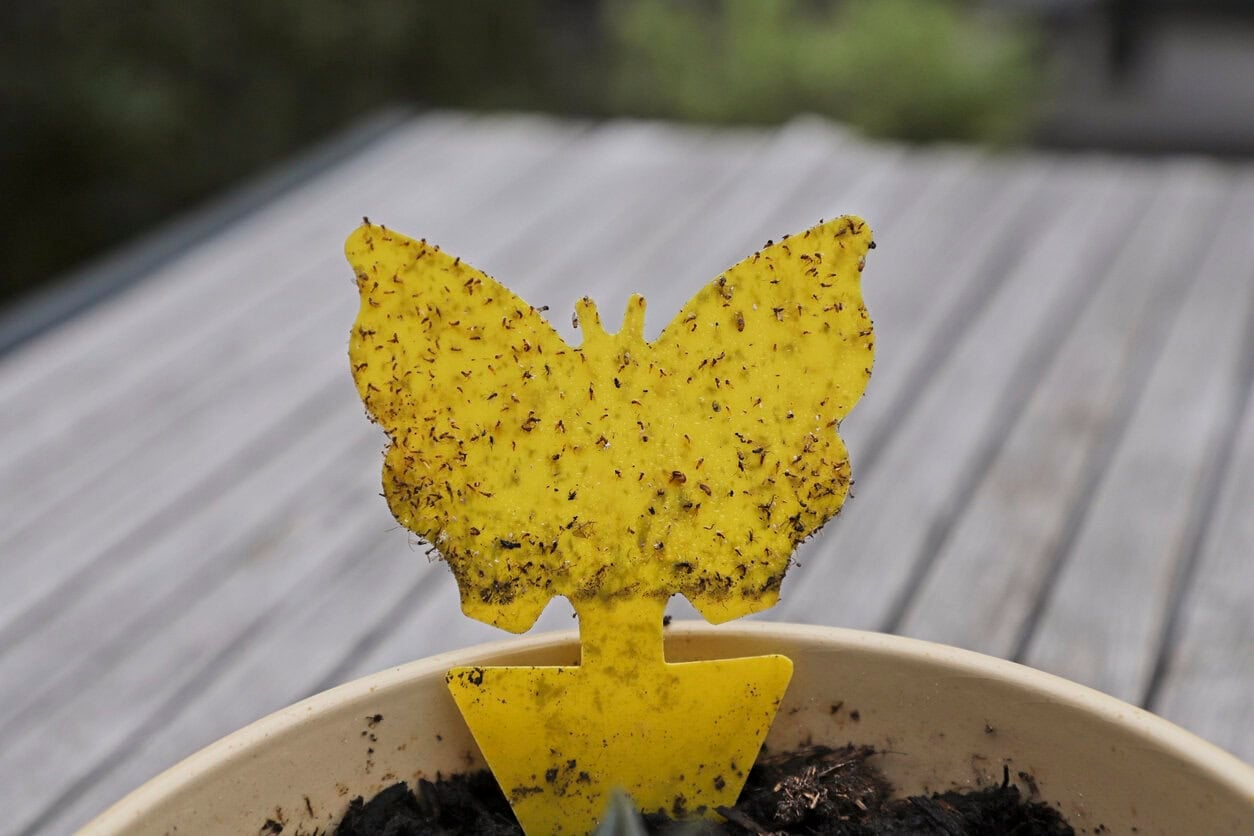
Fungus gnats look like tiny black flies hovering over the soil, especially when you disturb the pot. They appear when the potting mix stays too damp for too long, causing yellowing, drooping, and slow decline.
They are annoying, but the real trouble is happening underground. The fly moms deposit their eggs directly into that perpetually damp soil. After hatching, the translucent larvae enjoy charcuterie of fungus and decaying material.
Once the appetizers are gone, the main course calls, and they feast on the vital root hairs of your Christmas Cactus. The larvae are often the cause of a slow yet mysterious decline in plant health you cannot quite put your finger on, unlike the apparent mess of mites or mealybugs.
Larvae chew on the vital root hairs and cripple your plant’s ability to absorb water or nutrients. The segments start to yellow, and the plant droops. So if you have flies, you have larvae, and you have a damp soil issue that needs immediate attention.
How to Treat It
Let the soil dry out completely before watering again, larvae cannot survive in dry mix. Use yellow sticky traps to catch the adults. Add a thin layer of sand on top of the soil to stop egg-laying. For stubborn cases, use a Bacillus thuringiensis israelensis (BTi) treatment (like Mosquito Bits) to kill larvae safely.
If your soil stays wet for too long or you’re unsure about your watering routine, here’s the right way to water a Christmas Cactus without risking root rot.
4: Scale Insects
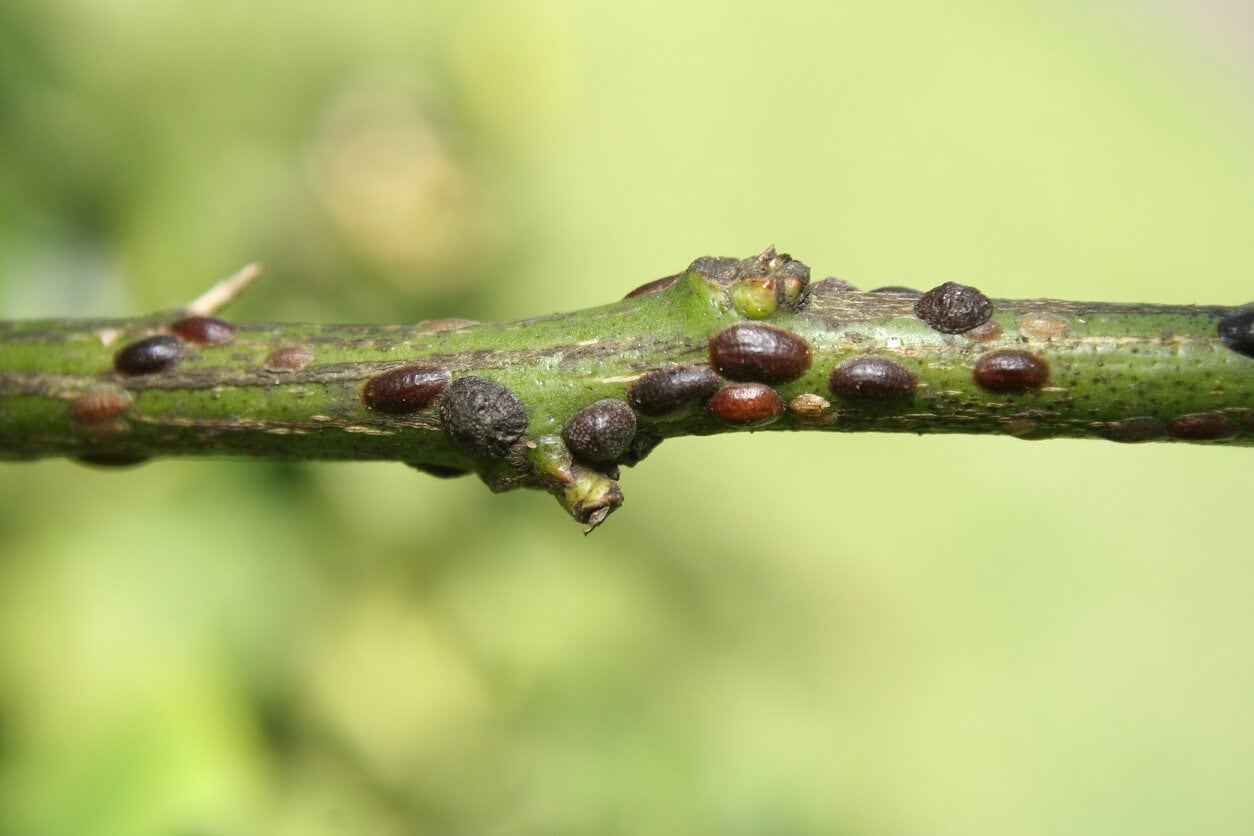
Scale insects look like tiny, dome-shaped bumps stuck to your cactus pads, usually brown, tan, or gray. They don’t move and they’re often mistaken for natural texture. Infested pads look dull, weakened, or slightly yellowed, and sticky honeydew may appear on segments below.
The scale insect is a dome-shaped pest that moves in and throws away the keys. They cement themselves to your plant, usually flat against the segments or tucked along the mid-ribs. They look precisely like small, natural bumps on the segments, which makes them easy to ignore until you realize the slow drain has killed half your plant.
Its specialized mouthparts draw vital sap slowly and consistently. The damage is rarely sudden. It’s a long, boring murder (like watching a documentary you didn’t choose), leading to general weakness.
And of course, they leave behind sticky honeydew, because good manners were clearly not part of their evolutionary plan. However, the key problem is their hard shell. It makes your typical bug spray completely pointless.
How to Treat It
Gently scrape each scale off with a fingernail or plastic card. Dab the spot with rubbing alcohol to dissolve any remaining residue. Repeat weekly until no new bumps appear.
5: Aphids

Aphids are tiny, pear-shaped insects that cluster on new growth, usually green, yellow, or black. They often arrive on new plants or drift in through open windows. They distort tender pads, causing twisted, curled, or misshapen new segments, and leave behind sticky residue.
If you thought you’re done with sap-suckers, think again. Aphids have a terrifying superpower. These insects can multiply without a partner, giving birth to live clones faster than you can panic!
While other sap-suckers prefer to hide, aphids go straight for the soft and delicate emerging pads, permanently twisting or curling them. The result is a visual disaster that actively stunts your cactus’s future growth.
They are obvious pests that gather their entire family of Mini Mes in a highly organized cluster right on the segments you care about most.
How to Treat It
Rinse the plant with lukewarm water to knock off clusters. Spray with insecticidal soap once the plant is dry. Repeat weekly until no new aphids appear.
If your cactus looks wilted or deflated and you can’t quite figure out why, here’s a full guide to the causes and fixes for a wilting Christmas Cactus.
Identifying the Crime Scene
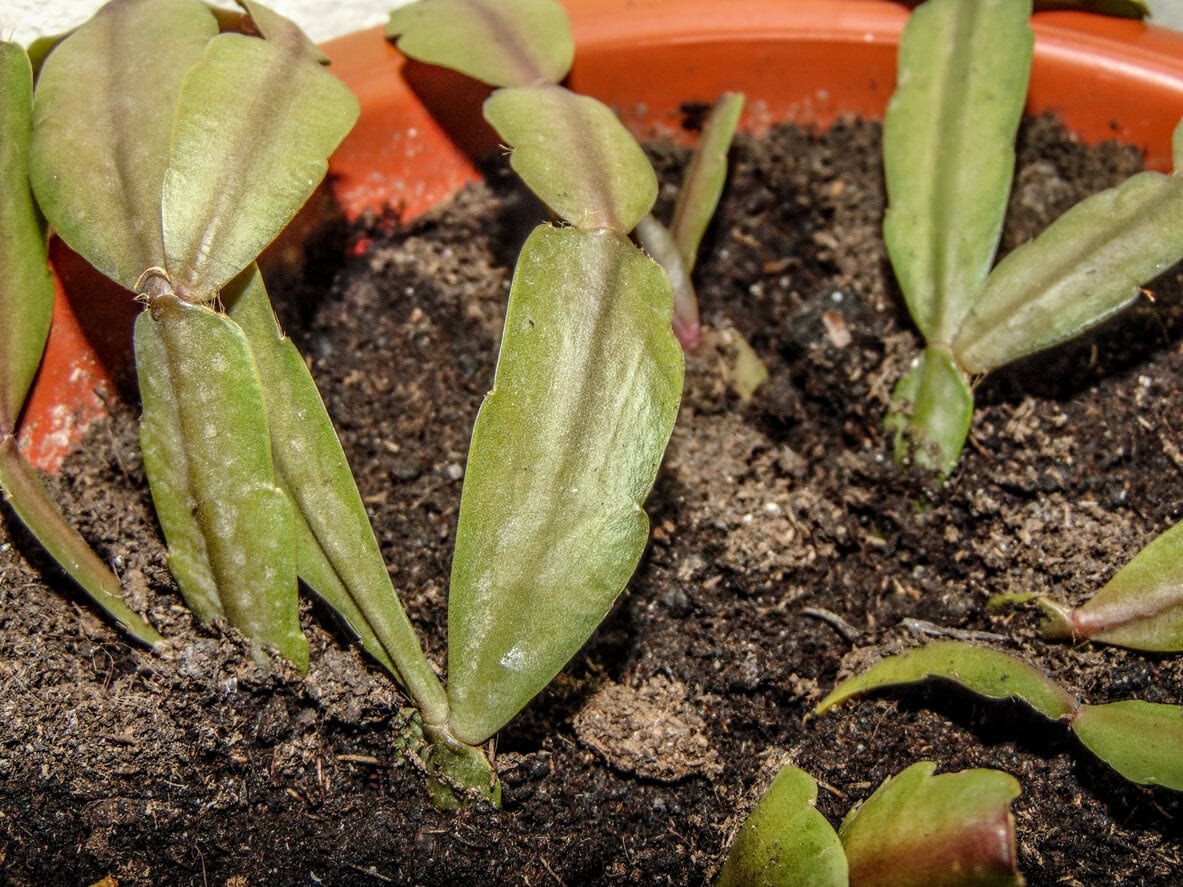
You do not need a degree in forensic entomology to figure out that your Christmas cactus has an unwelcome tenant. The pests leave behind obvious clues.
They’re tiny. They’re fluffy. But don’t let that prick your conscience when it comes to revenge.
If your cactus looks pale or washed-out even without obvious pests, here’s why Christmas Cactus pads turn faded and what to do about it.
Scrub-a-Dub-Dub

Begin by isolating the infected cactus at once. Saving its innocent neighbors is priority one.
For general maintenance after treating any pest, you can rinse the plant’s segments with lukewarm water to remove residue, webs, or lingering insects. Just avoid soaking the soil again if overwatering was part of the problem. Once the plant is dry, apply insecticidal soap or neem oil to the affected areas.
Large scale infestation might require systemic treatment, but use Neonicotinoids only as a last resort. They’re highly toxic to bees and other pollinators if you take the cactus outside.
And remember that pest eggs hatch quickly. Repeat any treatment once a week for three weeks to ensure you wipe out the entire next generation. Yes, three weeks. The pests demand the same level of commitment you give to avoiding laundry.
And if you want a simple month-by-month routine that keeps pests away and blooms on schedule, check out my full Christmas Cactus care calendar.