
When I first started getting into gardening, I remember my mom was visiting me at the time, and she told me about self-seeding flowers that she and grandma used to grow and love.
If you’re an extremely busy or lazy person, you’ve got to learn about self-seeding flowers, as they might quite literally change your life!
Let’s discuss these flowers in detail, shall we?
What Are Self-Seeding Flowers? Are They Important?

Well, in the simplest words, self-seeding flowers drop seeds at the end of their blooming cycle, grow new plants by themselves, and return year after year without needing to be replanted.
What makes self-seeding flowers so important and special is the fact that they help you save loads of time and money, which otherwise would have been spent on replanting new plants every season.
Here’s How To Encourage Self-Seeding in Your Garden

If you want to promote self-seeding activity in your garden, it’s very important that you:
11 Self-Seeding Flowers For Effortless Seasonal Color

Note: The USDA zones listed below refer to where these flowers self-seed most reliably, not the only zones where they can be grown. Most of these varieties can be grown as annuals in nearly all regions of the country, but their ability to reseed successfully depends on local climate conditions.
1: Calendula (USDA Zone 6-10)

Calendulas offer mesmerizing, bright orange and yellow blooms. The vibrant annual flower reseeds easily and grows best when outside temperatures are on the cooler end of the spectrum.
2: Nigella (Love-In-A-Mist) (USDA Zone 5-9)

Nigella flowers are typically shimmering white or blue in color, with decorative seed pods that allow for efficient reseeding. They’re great for naturalizing.
3: Larkspur (USDA Zone 4-8)

This self-seeding annual reseeds in early spring if allowed and offers tall, spiky blooms in shades of blue, purple, white, and even blazing red.
4: Poppies (Papaver Spp.) (USDA Zone 3-8)
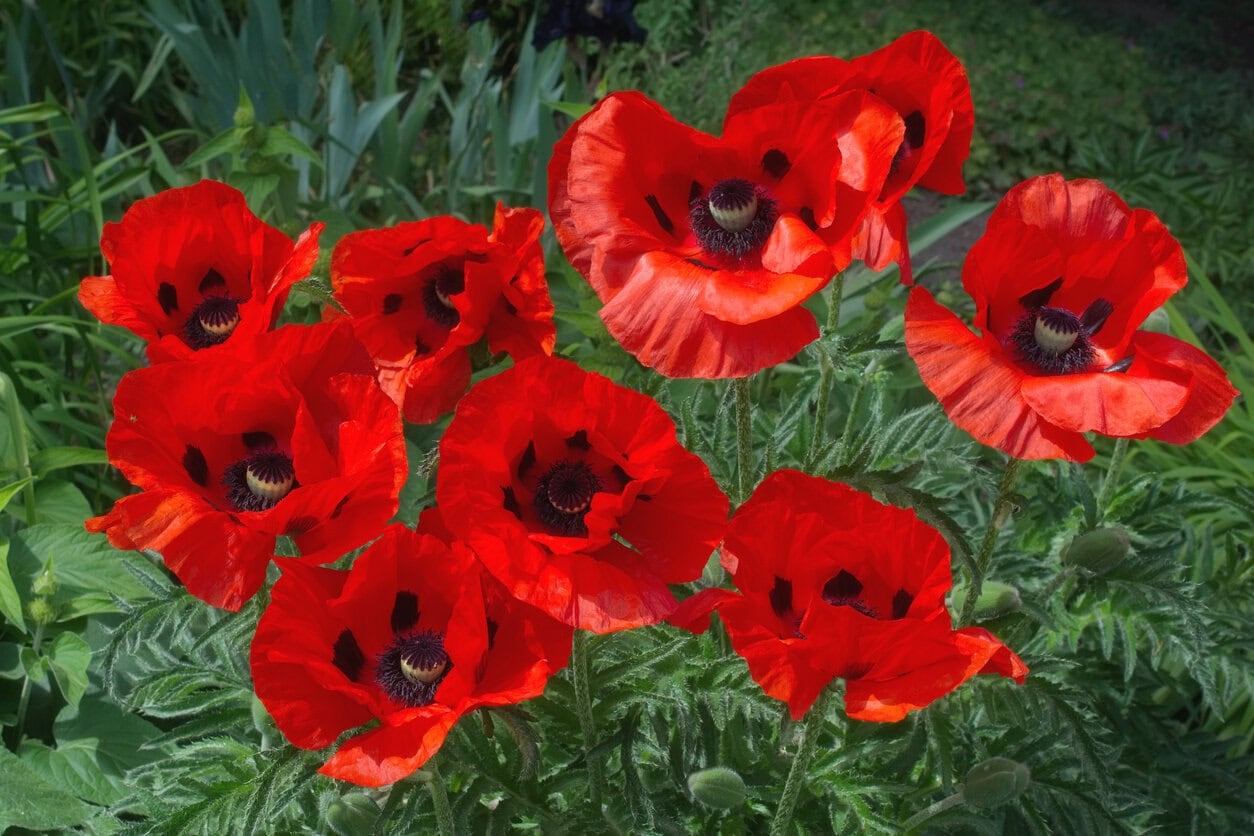
Poppies offer delicate and colorful blooms in colors like red, orange, pink, and white. They grow best when allowed to drop seeds in place and return year after year with their bright flowers.
5: Sweet Alyssum (USDA Zone 7-11)

Alyssums are low-growing annuals that not only offer the most beautiful and delicate-looking flowers but also a sweet fragrance to accompany them. These flowers can bloom for months and self-seed generously.
6: Cosmos (USDA Zone 7-10)

Cosmos are extremely underrated when it comes to flower texture and beauty. The tall, airy flowering annual offers daisy-like blooms and self-seeds pretty easily. The thing I love about cosmos is that they even thrive in poor and unfavorable soil conditions.
7: Coreopsis (USDA Zone 5-9)
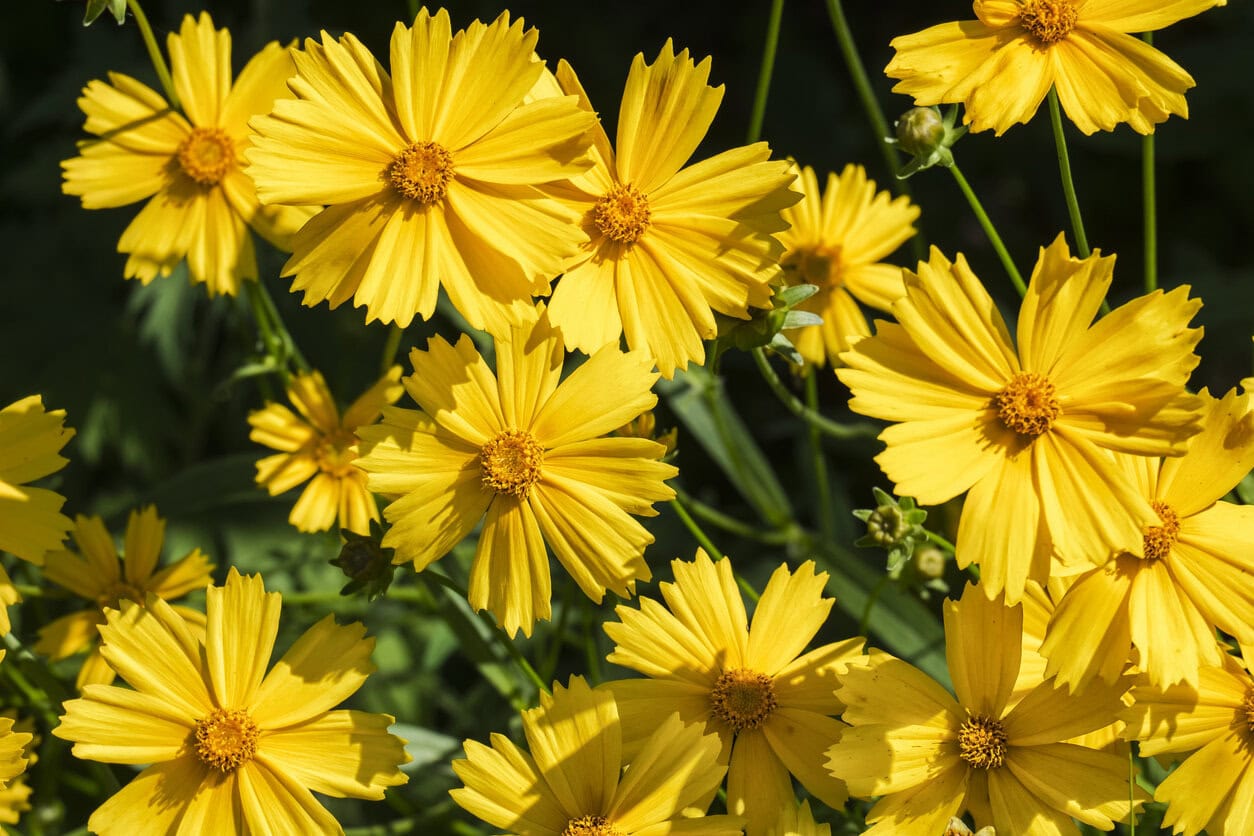
Although coreopsis flowers may not exactly be known for their reseeding qualities, there are certain varieties of this annual, however, that reseed freely and yield yellow daisy-like flowers.
8: Cornflowers (Centaurea Cyanus) (USDA Zone 3-8)

The cornflowers is a classic blue wildflower that not only attracts pollinators like bees and butterflies to the garden effectively, but also spreads fast through seed.
9: Black-Eyed Susan (Rudbeckia Hirta) (USDA Zone 4-9)
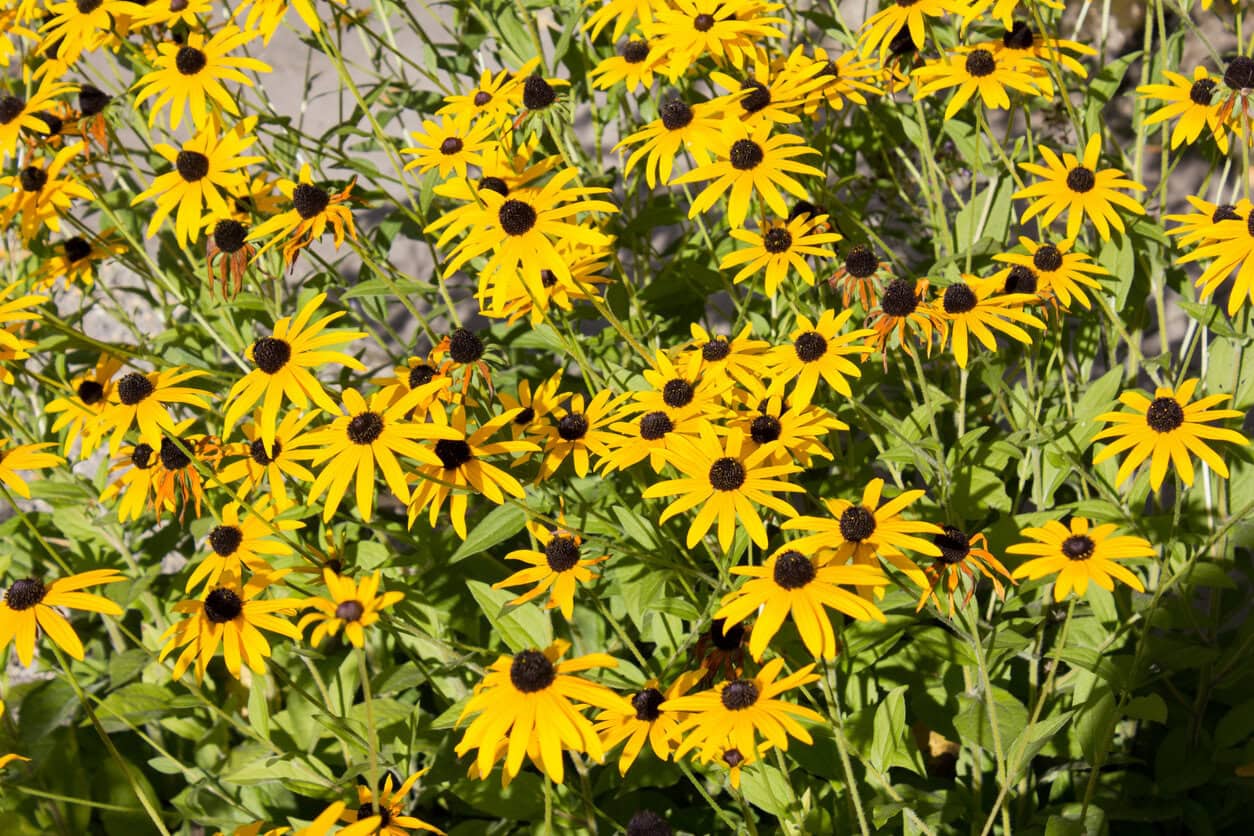
I’ve said this many times in my previous articles that black-eyed Susans resemble sunflowers for me. And, from a distance, they actually do. The sunny yellow petals combined with the dark center is a classic look that can elevate the vibe of any garden.
Black-eyed Susans reseed well and attract bees to the garden, which helps improve the garden ecosystem.
10: Verbena Bonariensis (USDA Zone 7-11)

Weirdly, it’s been a very long time since we’ve discussed verbenas here. This plant is tall and airy, offering blooms in bright shades of pink and lavender.
As long as there’s some warmth to work with, verbenas can self-seed quite easily and effectively, spreading and giving your garden that special pop of color when they bloom.
11: Cleome (Spider Flower) (USDA Zone 7-11)

Cleomes tend to grow tall with dramatic pink or white blooms. They self-seed generously but may need some thinning to get going.
Conclusion

So, there you go, your detailed guide on self-seeding flowers! These flowers will add continuous color to your garden, and some of them are just as good at attracting pollinators, simultaneously benefiting the garden ecosystem.
Although you need to be a little more careful and attentive when handling self-seeding flowers, the tiny bits of effort seem worth it when you consider how effortlessly they grow on their own without needing to be replanted every year.





I need the na all the flowers, so I CAN PRINT THEM OFF.
Hi James! 😊 If you’d like to print the article, just open it in your browser and tap the menu (usually three dots or lines). Then choose “Print” or “Share > Print.” On a computer, you can press Ctrl + P (or Command + P on a Mac). You can also save it as a PDF if that’s easier. Hope that helps!
That was perfect. Don’t have a yard right now but will soon enough and this is definitely my type of gardening
Hi Monique! 😊 That’s wonderful! Self-seeding flowers are perfect for an easy start, once you have your yard, they’ll practically plant themselves every year.
Thanks for the info! 💜💐
Hi Angela 🙂 I’m so glad it was helpful, thank you! 💜
Snapdragons, sunflowers, straw flowers, verbascum
Hi! Love that mix! 😊 Snapdragons and strawflowers can self-seed in the right spot, and verbascum definitely will! Sunflowers might need a little help if you deadhead, but if you let them go to seed, you’ll often get surprise seedlings next season.
Zinnias are great self seeders too. I leave them standing all winter for the birds, and they still drop enough seeds to come up next Spring. Columbines self-seed too and sometimes even cross pollinate among different colors.
Hi Hattie! 😊 Yes, exactly! I do the same with my zinnias, the birds love the seed heads, and I always get surprise colors popping up in spring. Columbines are such fun for that too!
Can I buy seeds and if yes where?
Hi Don! 😊 We don’t sell any seeds, but most of these self-seeders are easy to find online or at any garden center. I usually grab mine from Amazon or local nurseries.
Are these flowers listed good in areas that don’t get a lot of sunlight or do they require a certain amount of sunlight?
Hi Diane 🙂 Most of the flowers in this list bloom best with a good amount of sun. Some can handle part sun, but if the area is mostly shade, they may grow leafy and not flower much.
I like the knowledge
Thank you
Hi 🙂 I’m so glad it was helpful, thank you!
Hi Rita, what flowers can I grow in an apt. My windows face east. Early sun. I have many plants. None of them flowering. Thank you
Hi Betty 🙂 East-facing windows can work well for some flowering plants because they get gentle morning sun. African violets, begonias, peace lilies, and orchids are good ones to try indoors, but many flowering plants still need very bright light to bloom well.
Can most of these withstand shade/some sun? I have a large area under hickory nut trees that needs filling in. Thx!
Hi Sheryl 🙂 Most of these flowers do best with at least some direct sun, so deep shade under hickory trees may be tricky. I’d try the brighter edges first, especially with sweet alyssum or black-eyed Susans, and see what handles your spot best.
I plant these every year.
Hi Kathy 🙂 Once you find the ones that like your garden, they can be such easy repeat performers.
Are there any self-seeders that have a strong root system and grow in shade? I have a pool gate and on the other side is just soil. One year we had a heavy rain and all of the mud came under the gate straight into the pool! I am in Maryland.
Hi Mary 🙂 For shade and erosion control, I’d look beyond the flowers in this list and try sturdier groundcovers or native plants for Maryland, like wild ginger, sedges, foamflower, or woodland phlox. They’ll usually hold soil better than annual self-seeders.
I love your interesting different flowers. I have a garden on the south side of my house and unfortunately no trees in the area. Many of the flowers want some shade. Like my peony, bee balms, white clematis, lilys,hopefully zinnias am and marigold. I am very allergic to bee stungs. My husband has a big garden too for vegies.
Hi Patricia 🙂 Thank you, your garden sounds beautiful! A south-facing spot can definitely be intense, so keeping moisture steady and using mulch can help plants like bee balm, lilies, zinnias, and marigolds handle the heat better.
Are these good for container gardens? I’m not strong enough to work up the ground so I need to do containers. Thanks so much.
Hi Jane 🙂 Yes, petunias are great for container gardens. Just use a pot with drainage holes, good potting mix, and keep up with watering since containers dry out faster. A light regular feeding and trimming back leggy stems will help keep them blooming nicely too.