
Are your summer flowerbeds looking thin lately? Angelonia can fix that, even during the hottest weeks of July. Here is how to fuel the fire.
An Annual or Perennial?
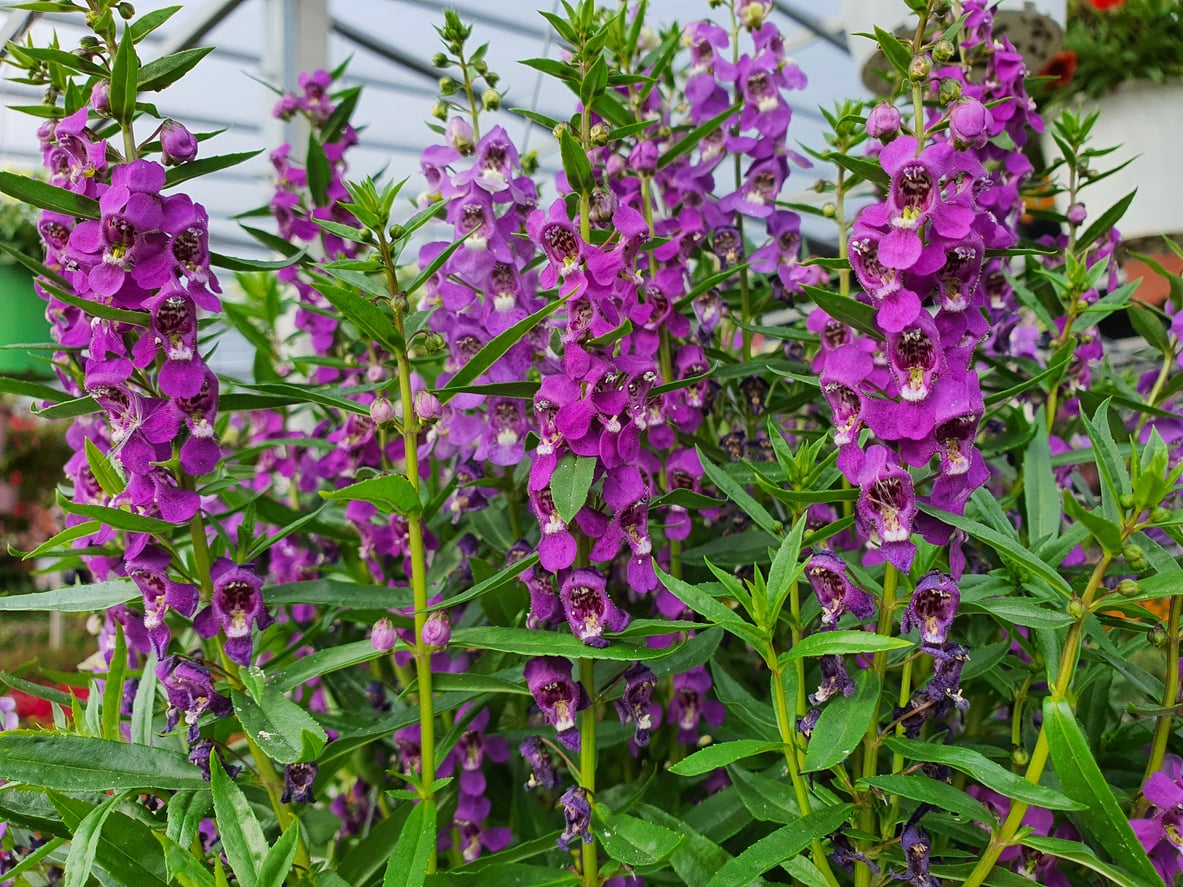
Check the plastic tag stuck in the nursery pot. If it labels Angelonia a perennial, it isn’t lying, but it is leaving out one brutal detail: this tender tropical is only reliably winter-hardy in USDA Zones 9 through 11.
Its roots are defenseless against a real freeze and cold, waterlogged soil. If you live north of Zone 9, treat this purple-violet dream like a summer rental.
Enjoy the spikes while the heat blazes, but accept the reality that the first hard frost will usually finish it. In most of the US, I would plan to buy fresh plants every spring rather than count on them returning.
Tip 1: Give It Full, Blistering Sun
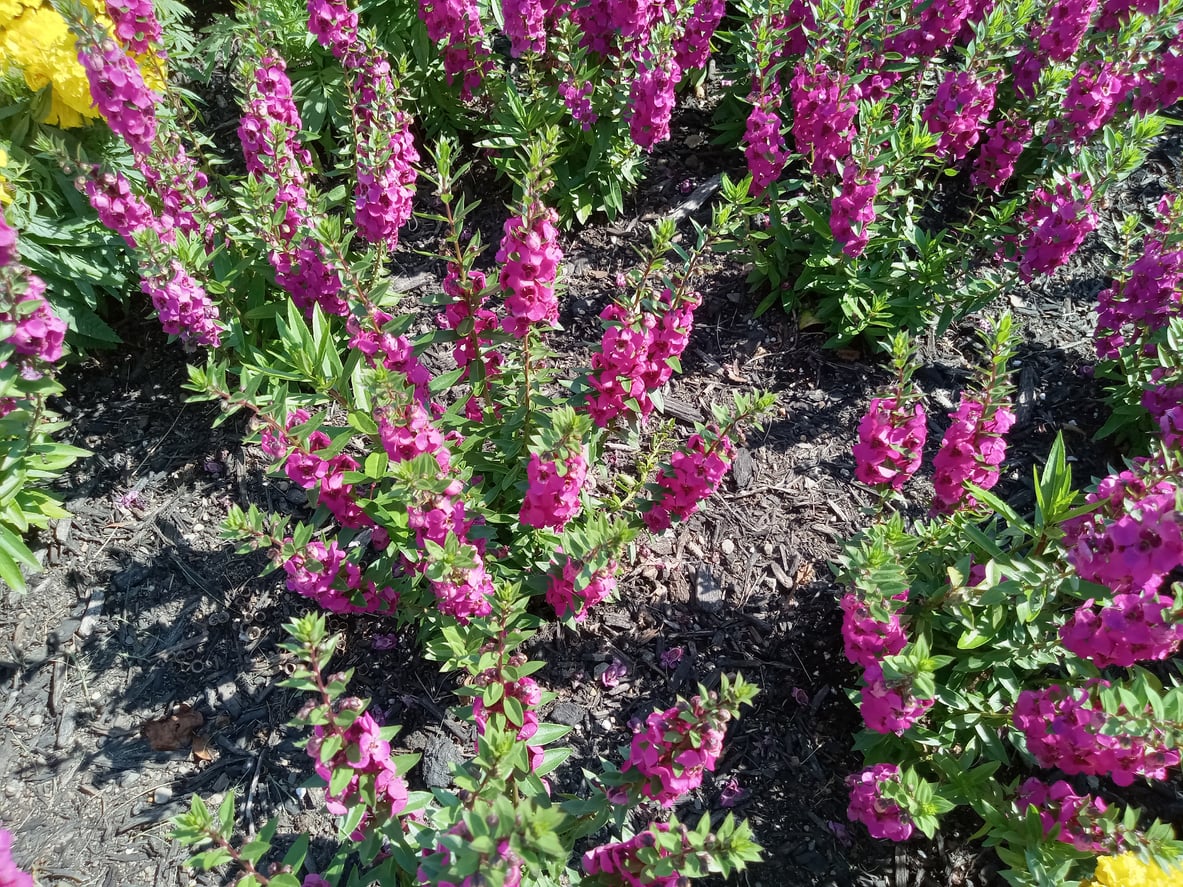
Why did the Angelonia cross the yard? To get away from the shade, obviously. Summer snapdragon doesn’t just tolerate the summer heat; it actively gatekeeps it. It runs on a strict “sun’s out, spikes out” mentality.
Do not rush it into the ground while spring conditions are still cold. I wait until the danger of frost has passed and the weather has properly warmed because Angelonia tends to stall in chilly soil instead of putting on new growth.
What to do: Give them at least six hours of direct sun for the strongest growth, the most flower spikes, and the richest blues and magentas.
If you’re filling the rest of that sun-blasted bed, we also wrote a zone-by-zone guide to heat-tolerant annuals that can handle the same brutal summer conditions.
Tip 2: Feed It Lightly
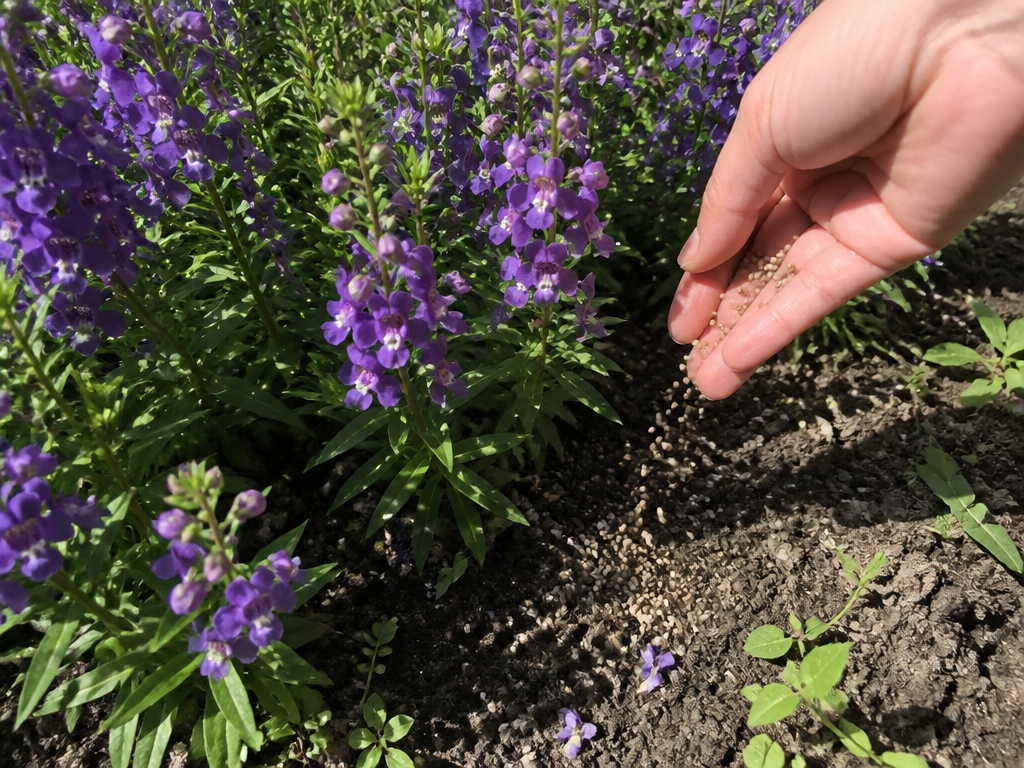
High-nitrogen fertilizer is the ultimate catfish. It promises lush growth but leaves you with a mountain of leaves and fewer flower spikes. Cut off the excess supply line, not the entire supply. Angelonia is not a heavy feeder, but it does not bloom better when it is starving.
Skip the automatic bone meal and bloom-booster routine. Bone meal only helps when the soil actually lacks phosphorus, and piling on “flower food” can create nutrient imbalances without producing more spikes.
What to do: In flowerbeds, add a light dose of controlled-release fertilizer when planting. Feed again about once a month only if growth and flowering begin to fade.
Tip 3: Early Pinching of Growing Tips
Left alone, some summer snapdragons puts all their eggs in one vertical basket. But if you’re growing naturally branching types like the ‘Serena’ or ‘Serenita’ series, skip this. They fill out on their own.
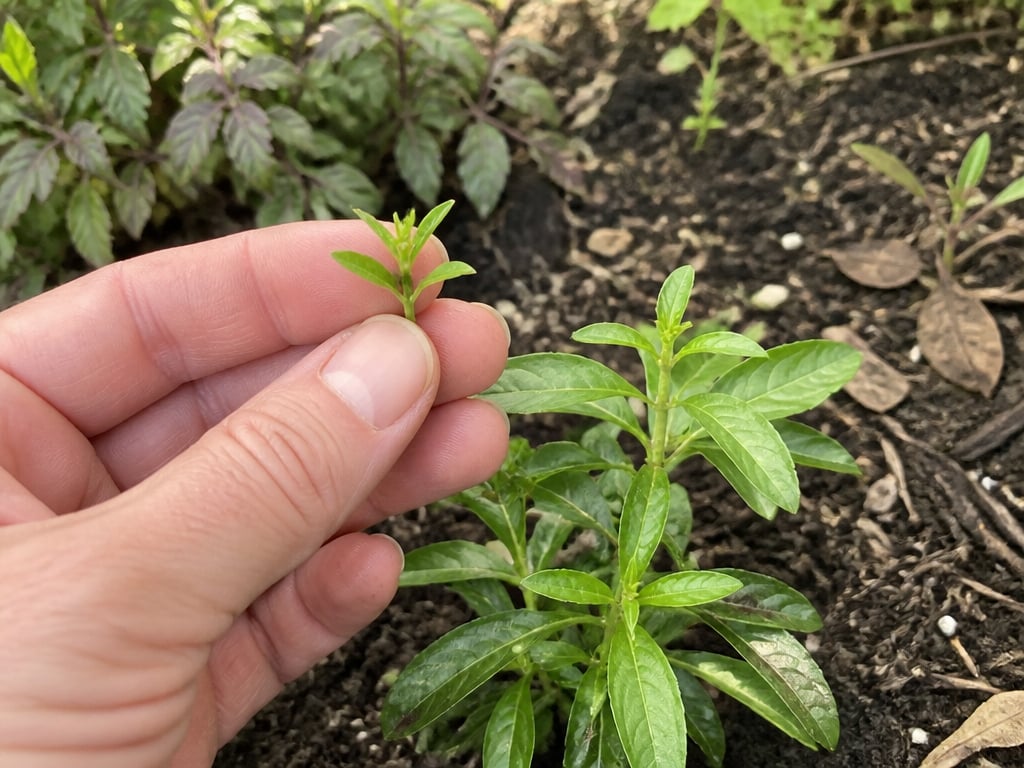
For taller, narrow plants, pinch out the soft growing tip while they are still young. That pushes the plant to send out more side shoots instead of racing straight upward.
What to do: Pinch only plants with one dominant stem, cutting just above a healthy pair of leaves. Leave compact, well-branched plants alone.
If you’re never sure whether a flower needs a light pinch or a more serious haircut, we explain the difference in our guide to cutting versus pinching for fuller growth.
Tip 4: Water Deeply, Then Let It Dry
Angelonia’s hydration schedule is a game of contrast. Soak it deeply to saturate the root zone, then leave it alone until the upper one or two inches of soil dry out.
It handles short dry spells far better than constantly soggy soil, but prolonged drought can still slow growth and flowering. New plants and container-grown Angelonia need checking more often during the hottest weeks of July.
What to do: Check the soil, not the calendar. Water deeply when the top one or two inches feel dry, and never leave the roots sitting in mud.
Tip 5: Give It Fast-Draining Soil
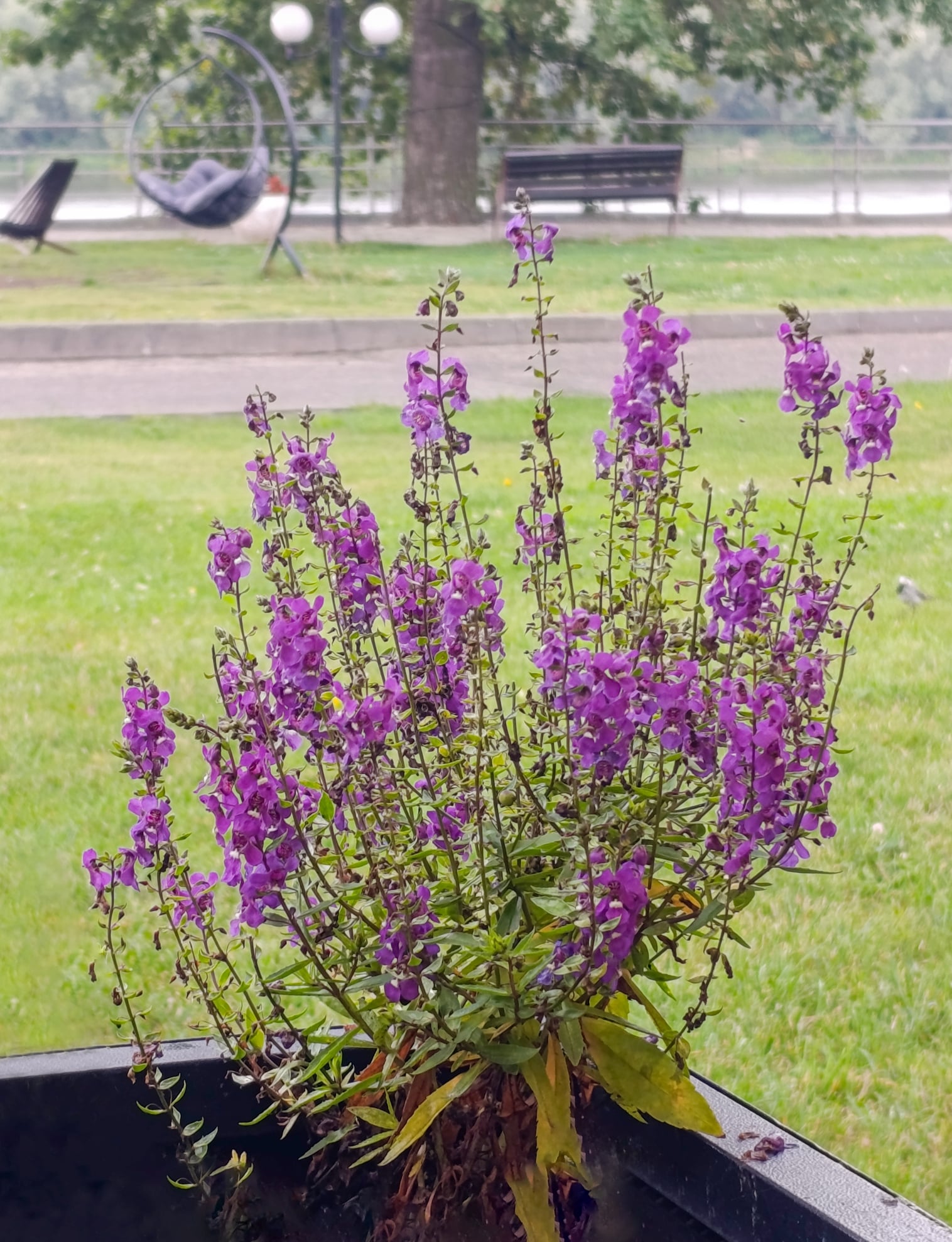
Angelonia roots rot fast when they sit in stagnant water. Heavy clay and compacted soil pack down like cement, choking out oxygen. So if your ground stays wet after rain, a raised bed is the safer move.
In containers, skip garden soil and use a quality potting mix. If it holds too much water, mix in extra perlite or fine pine bark. Do not dump builder’s sand into heavy clay because it can make the soil even denser.
What to do: Give Angelonia soil that holds some moisture but drains freely, and always use containers with open drainage holes.
If the whole bed feels dense and slow to drain, we also wrote a guide on fixing compacted garden soil before you put more plants into it.
Tip 6: Optimum Spacing for Maximum Airflow
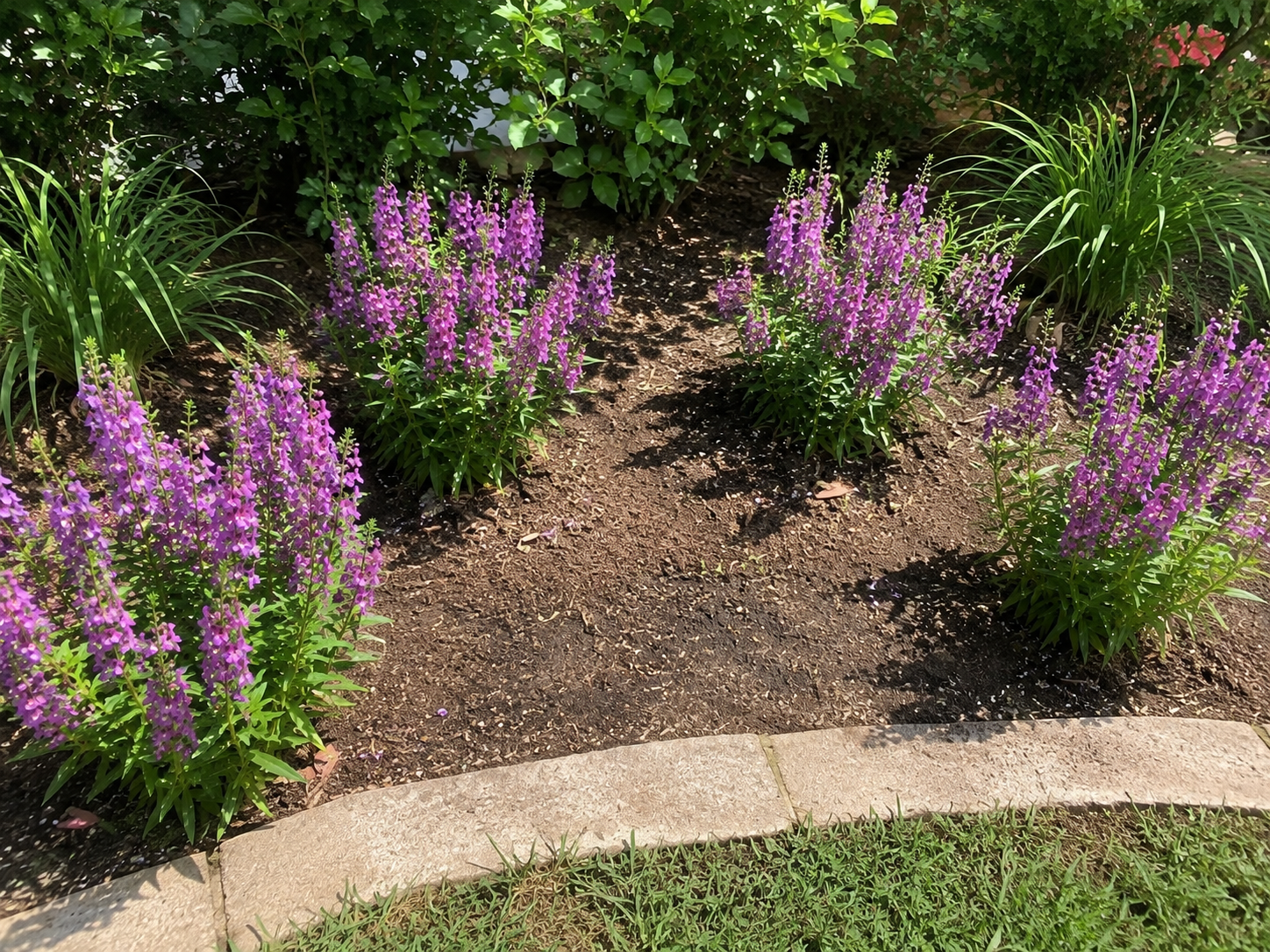
Jamming these plants together is an easy way to rot the patch from the dirt up. Crowded leaves bottle up humidity, block sunlight, and turn the base into a wet dead zone.
Most upright Angelonia need about 10 to 14 inches of breathing room, while wider or trailing types may need closer to 18 inches.
Check the mature width on the plant tag rather than forcing every variety into the same spacing.
What to do: Ignore the bare soil at the start. Those gaps help air move through the plants and allow the foliage to dry faster after rain or watering.
Tip 7: A Mid-Summer Chop by Late July
Good news: spent blossoms usually drop away on their own, so no deadheading is necessary.
Bad news: by late July, some plants start looking tall, bare, and completely spent from chasing the heat. If yours is still compact and flowering, leave it alone.
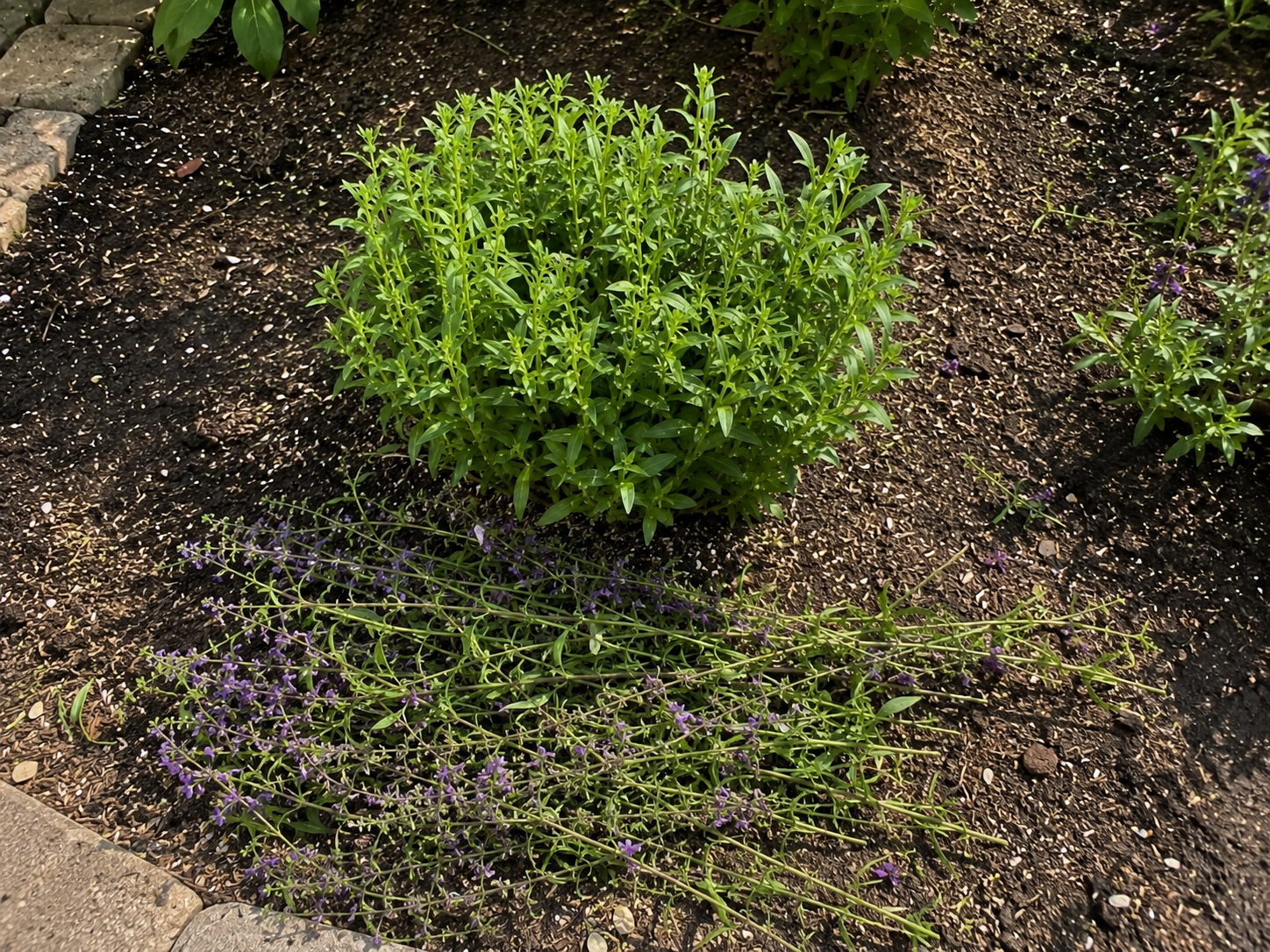
But if the lower stalks are bare and the spikes have thinned out, chop the whole plant back by one-third to one-half. That removes the tired top growth and pushes out fresh side shoots for another round of color.
What to do: Cut back only tired, leggy plants, then water deeply and give them a few weeks to rebuild before the next wave of flowers.
And if the rest of your flowerbeds are fading along with it, we wrote a full guide on keeping summer annuals blooming into fall.
All Spite, No Maint
While your delicate flowers whimper for a misting, Angelonia keeps pushing through the heat with barely a complaint. It is the Scorpio of plants, the ENTJ of the garden bed, and the chaotic evil of the summer garden.
It does not want constant attention. Give it full sun, fast-draining soil, and a deep drink when the top inch or two dries. Match that energy, and it will keep throwing up flower spikes until frost.
If Angelonia has sold you on low-drama flowers, we rounded up 12 more plant-it-and-forget-it annuals that do not demand your full attention.


